Cost of Steel Roof Versus Shingles: 7 Essential Comparisons for an Easy Decision
Cost of Steel Roof Versus Shingles: 7 Essential Comparisons for an Easy Decision
The cost of steel roof versus shingles is one of the first questions every homeowner asks when planning a new roof. You want a durable, attractive roof that fits your budget. But the upfront price tag is only part of the story. The real question is which option saves you more money over time. Choosing between steel roofing and asphalt shingles is a major financial decision. Your roof protects everything you own. A wrong choice can lead to unexpected repairs, higher energy bills, and early replacement. This guide breaks down the total cost picture so you can make an informed choice with confidence. In this article, you will learn the upfront costs, long-term value, lifespan differences, maintenance needs, and energy savings of each material. We also cover installation factors, climate considerations, and home value impact. By the end, you will know exactly which roof fits your home and your budget. The cost of steel roof versus shingles becomes clear when you look at the full picture.
Key Takeaways
Steel roofs cost 3 to 5 times more upfront than asphalt shingles but last 2 to 3 times longer.
Asphalt shingles have a lower initial price but require replacement sooner, often within 15 to 20 years.
Steel roofing can lower energy bills and increase home resale value, offsetting its higher initial investment over time.
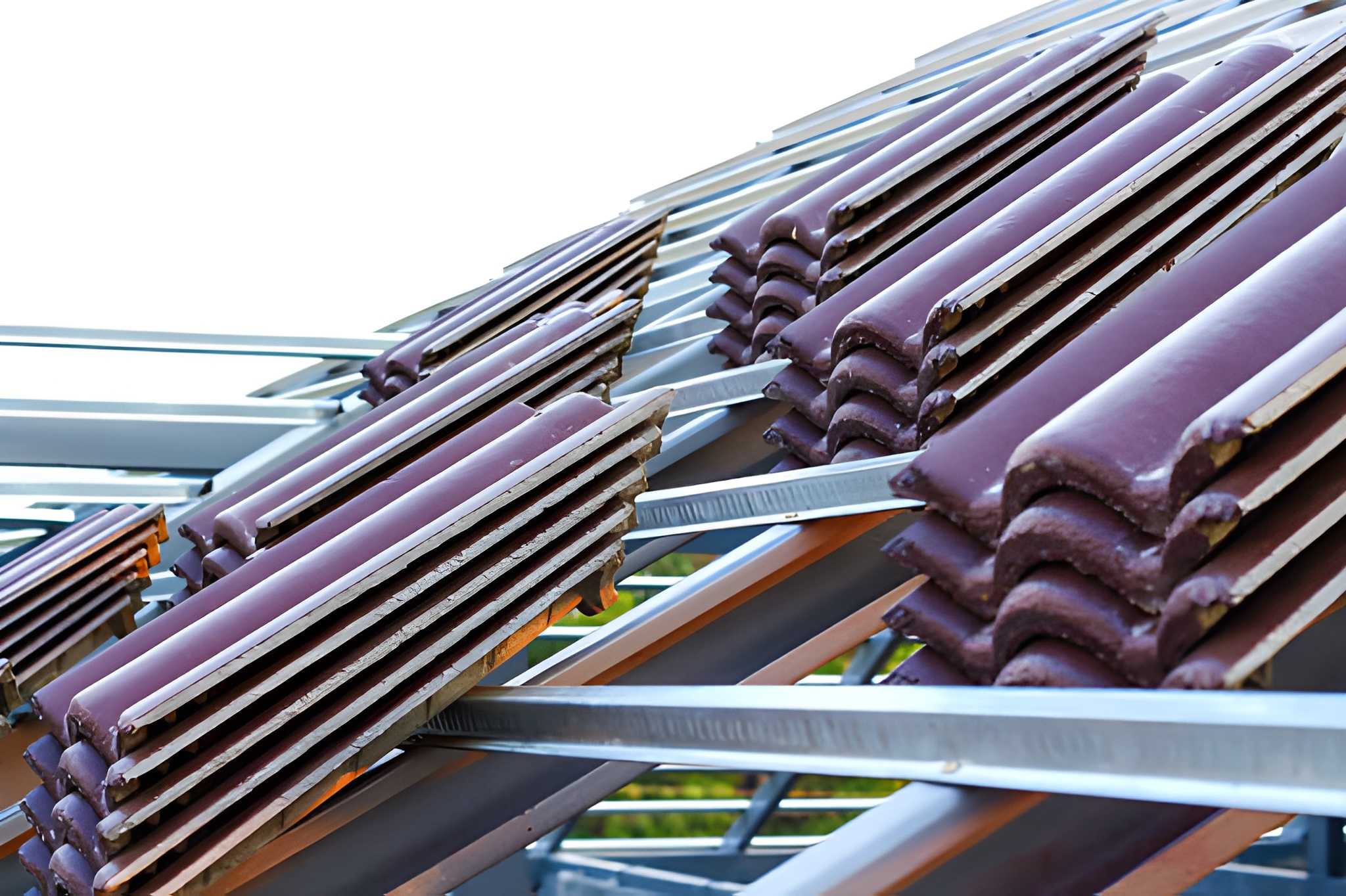
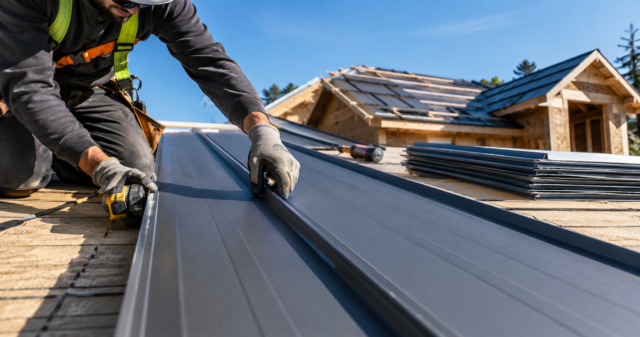
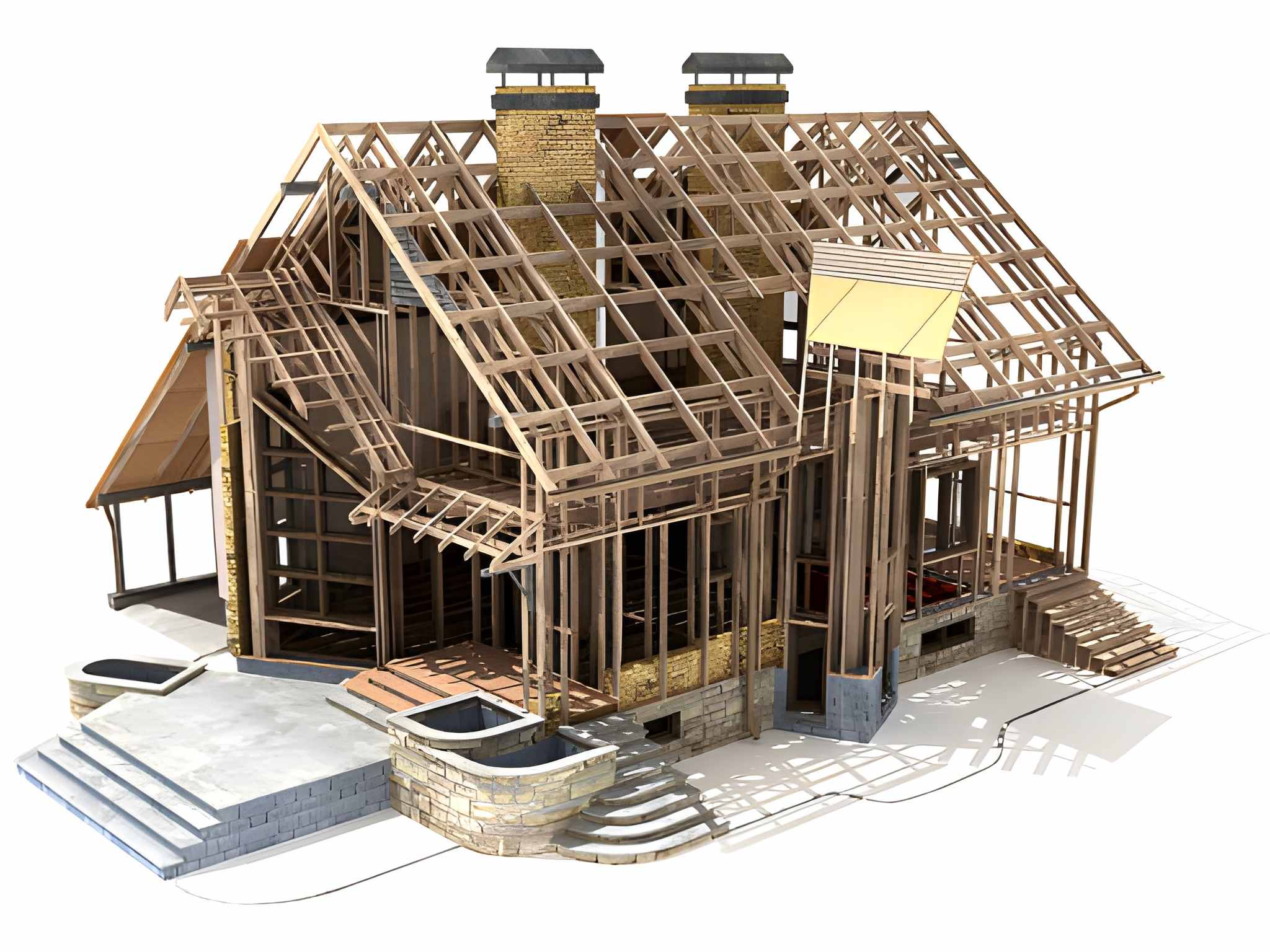
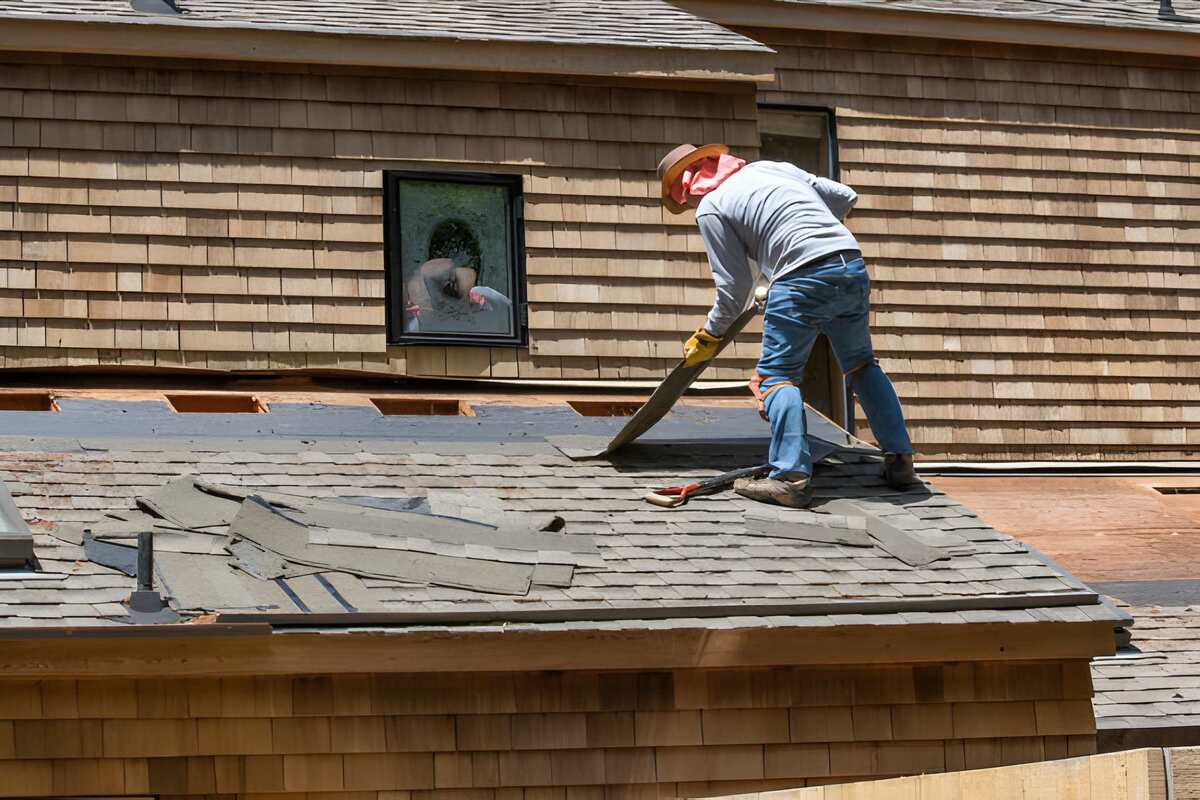
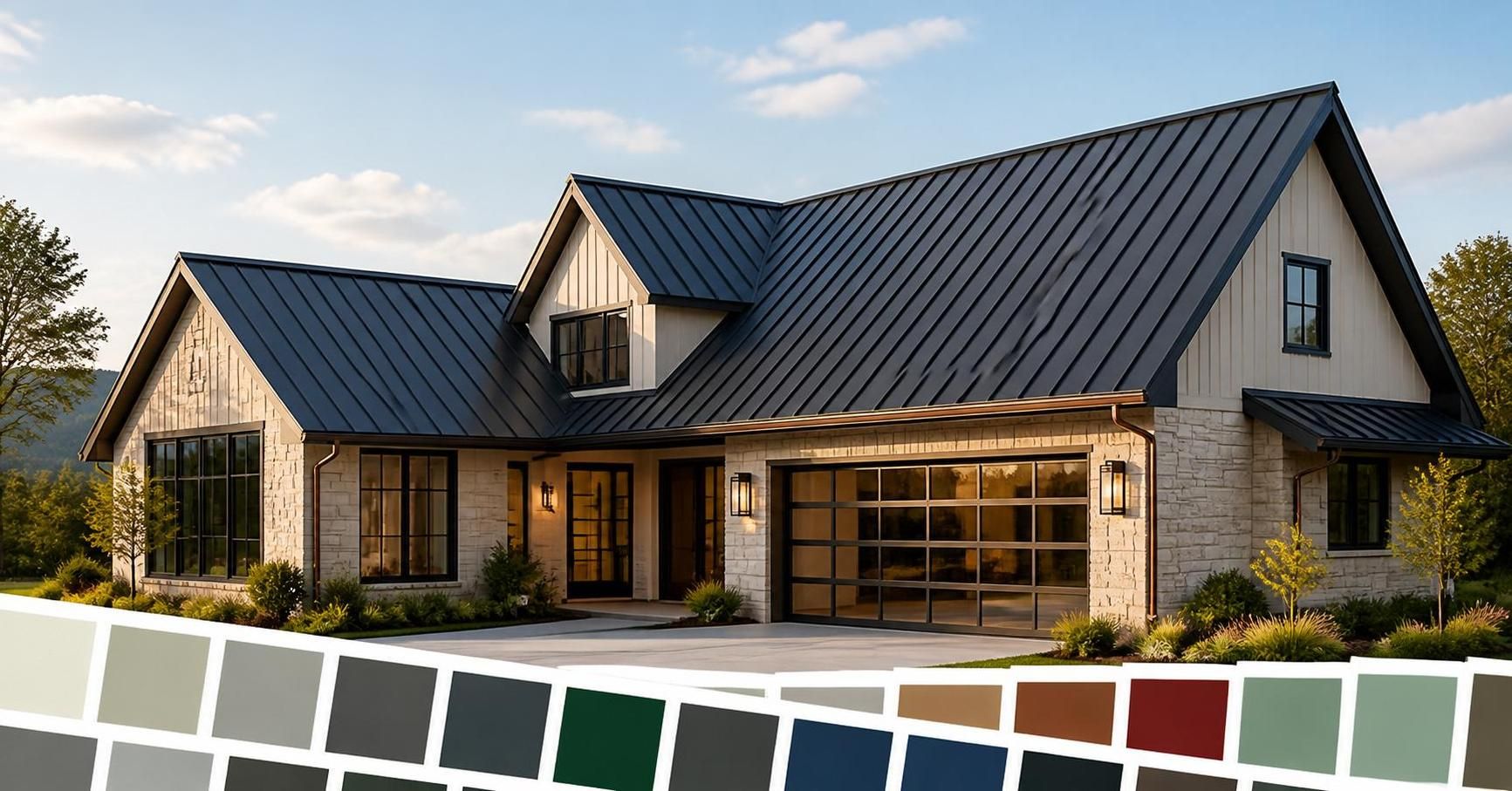
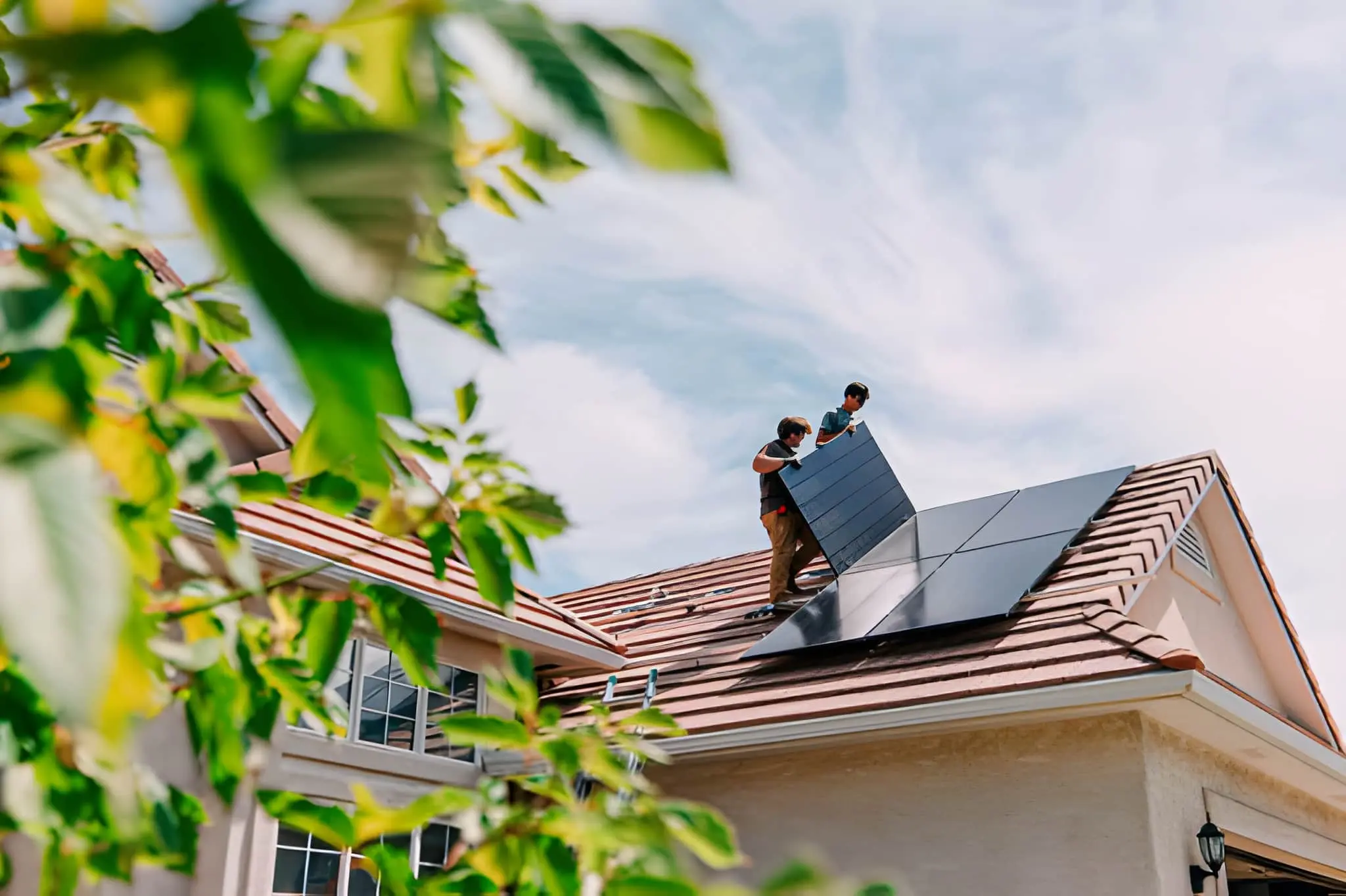
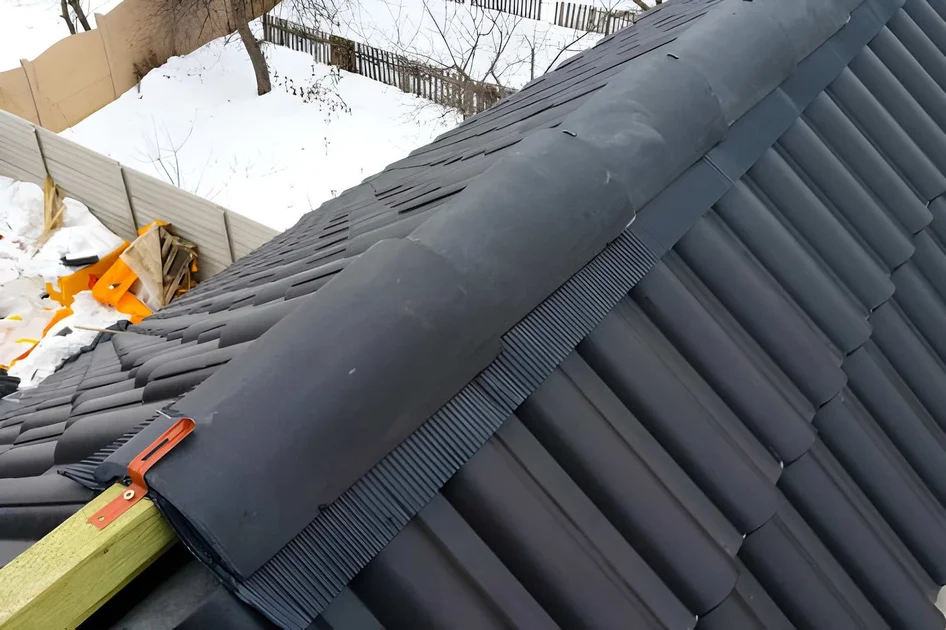
Steel roof installation – labor rates and panel prices
Upfront Cost Comparison: Steel vs Asphalt Shingles
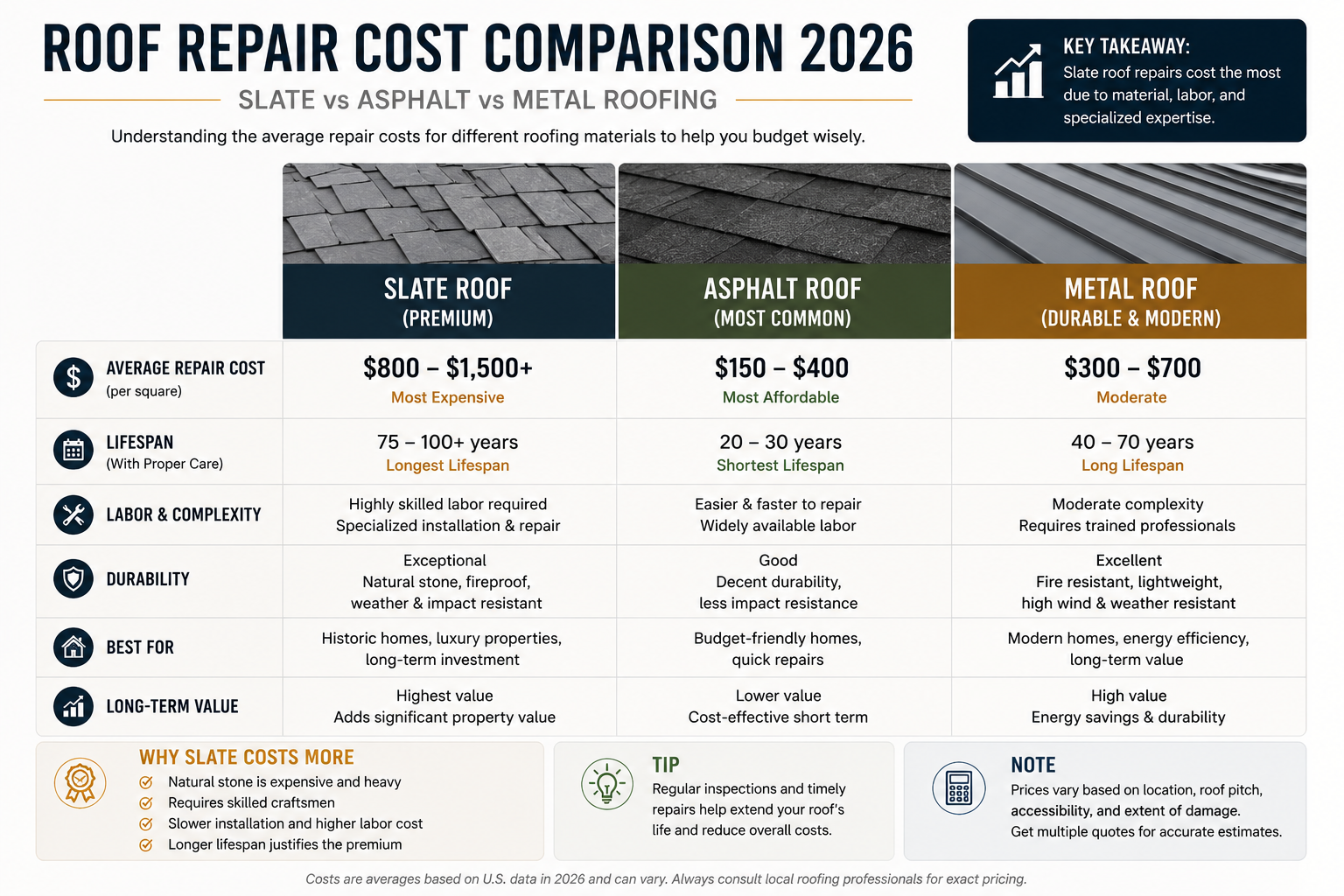
The cost of steel roof versus shingles starts with the initial installation price. Steel roofing typically costs between $6 and $12 per square foot installed. Asphalt shingles range from $3 to $5 per square foot installed. That makes steel roughly 2 to 3 times more expensive upfront. For a typical 2,000-square-foot home, a steel roof may cost $12,000 to $24,000 installed. An asphalt shingle roof for the same home runs about $6,000 to $10,000. The difference is significant at the time of purchase. Many homeowners choose shingles specifically because of this lower entry price. However, the cost of steel roof versus shingles includes more than just the installation bill. Material quality, gauge thickness, and coating type all affect steel pricing. Shingle quality also varies. Premium architectural shingles cost more than basic three-tab shingles. Your final quote depends on your roof’s complexity, pitch, and local labor rates.
Understanding the true upfront cost of steel roof versus shingles
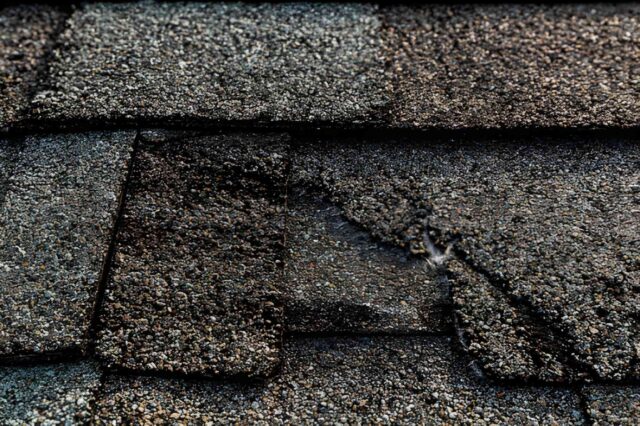
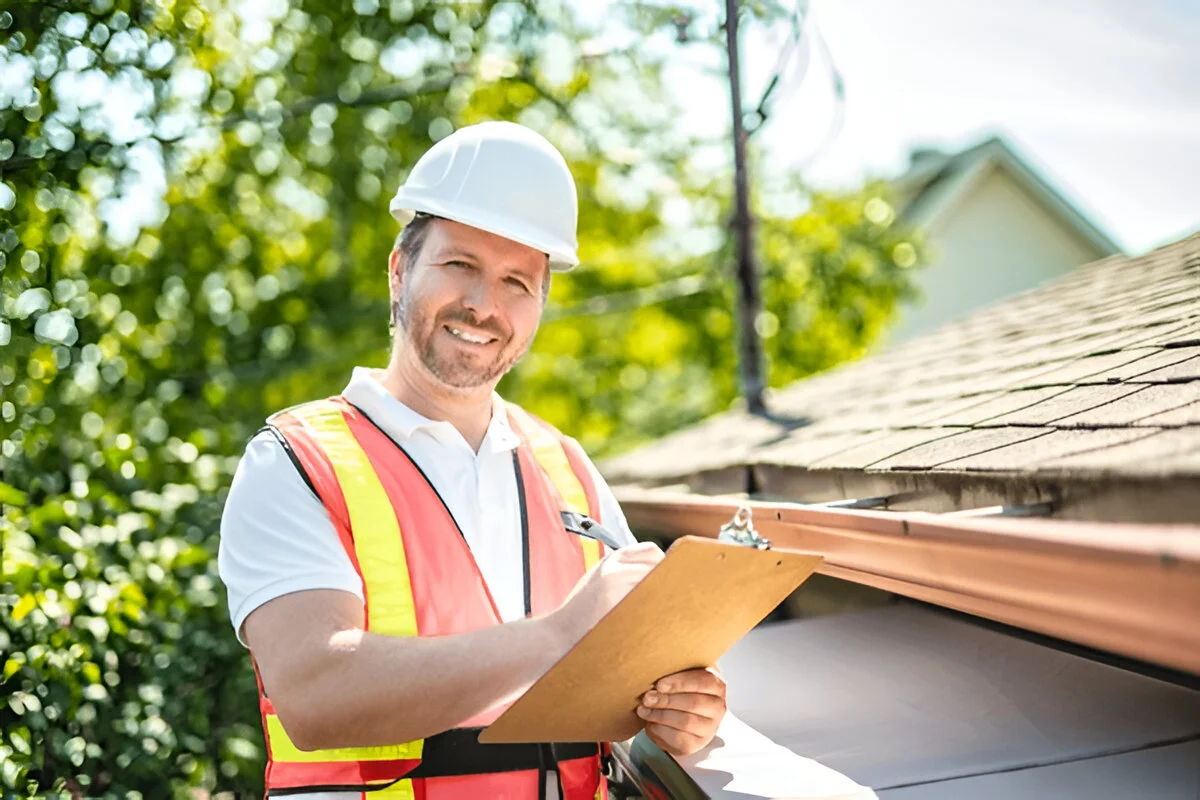
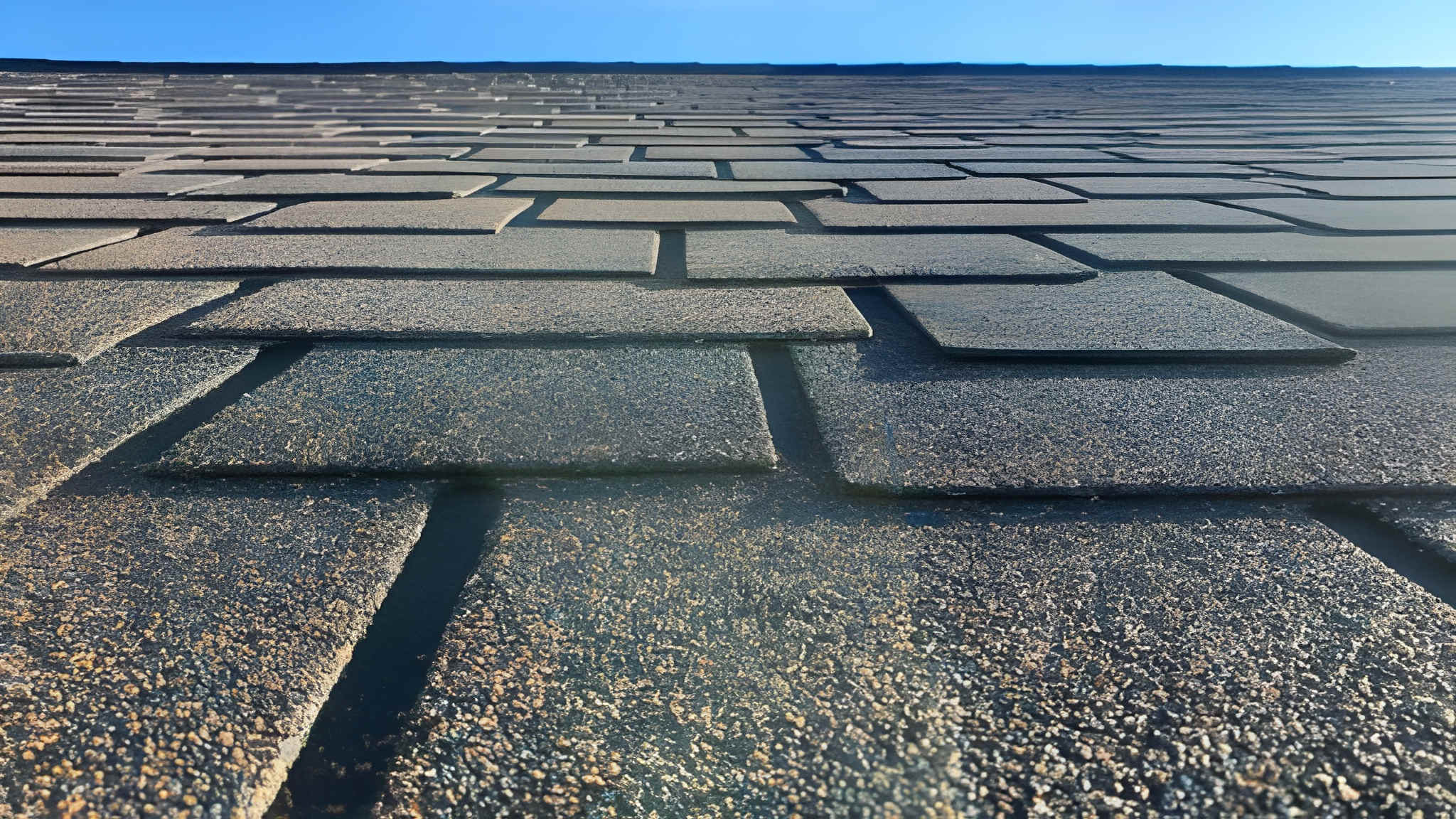
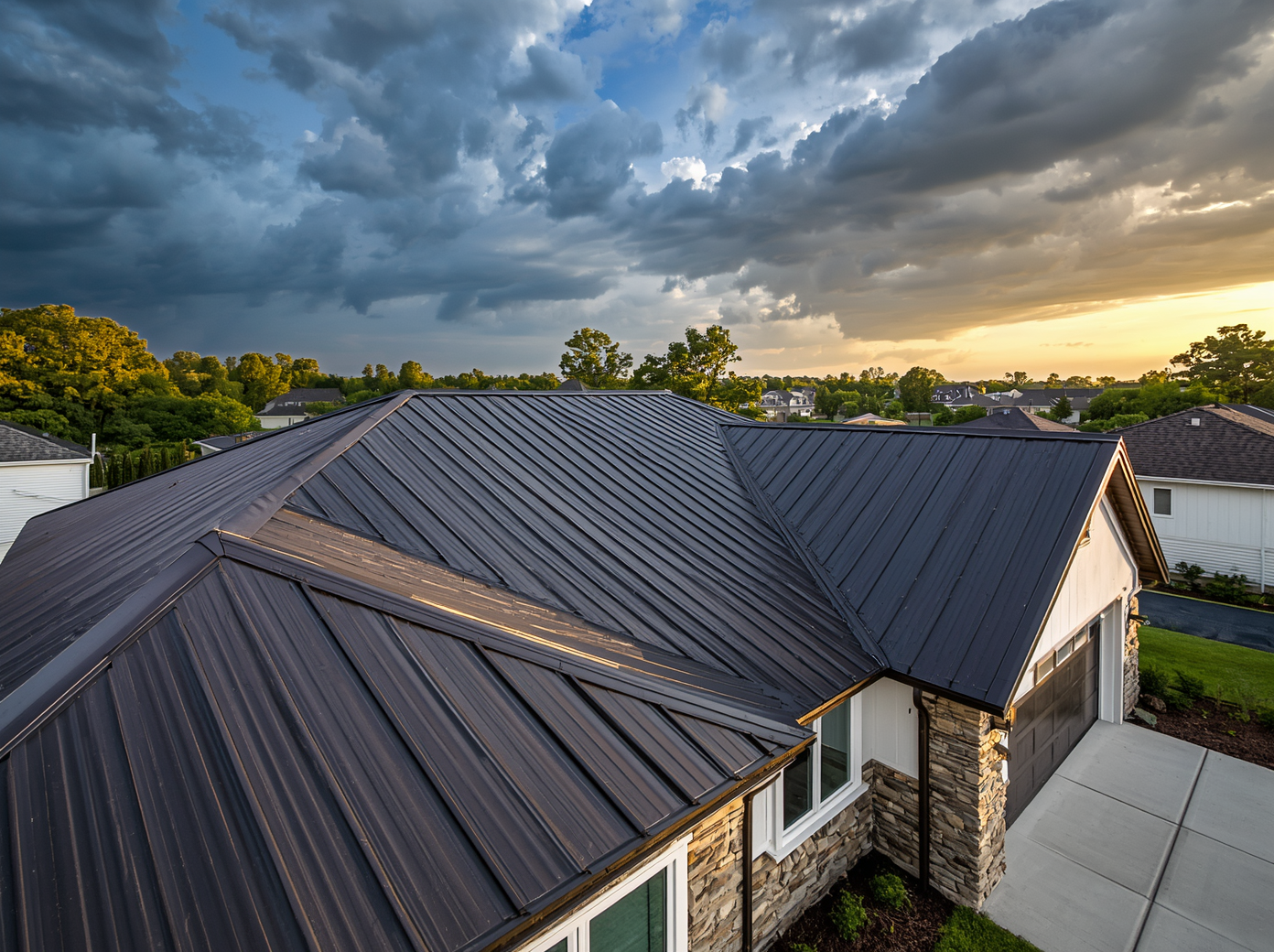
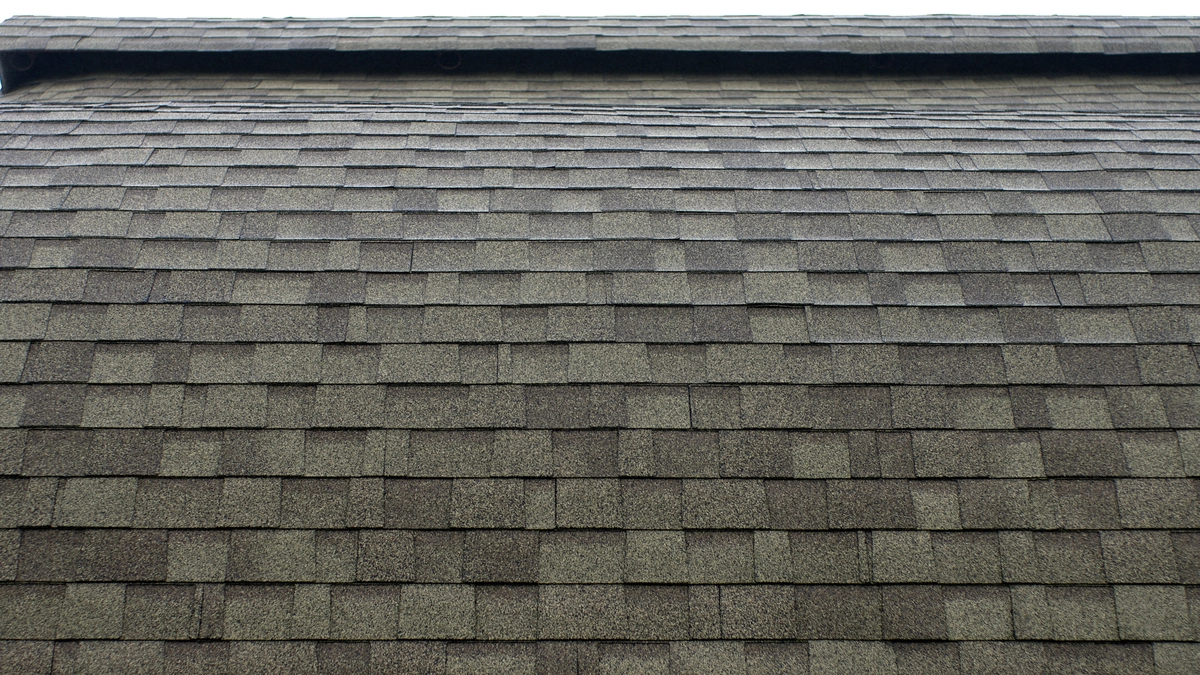
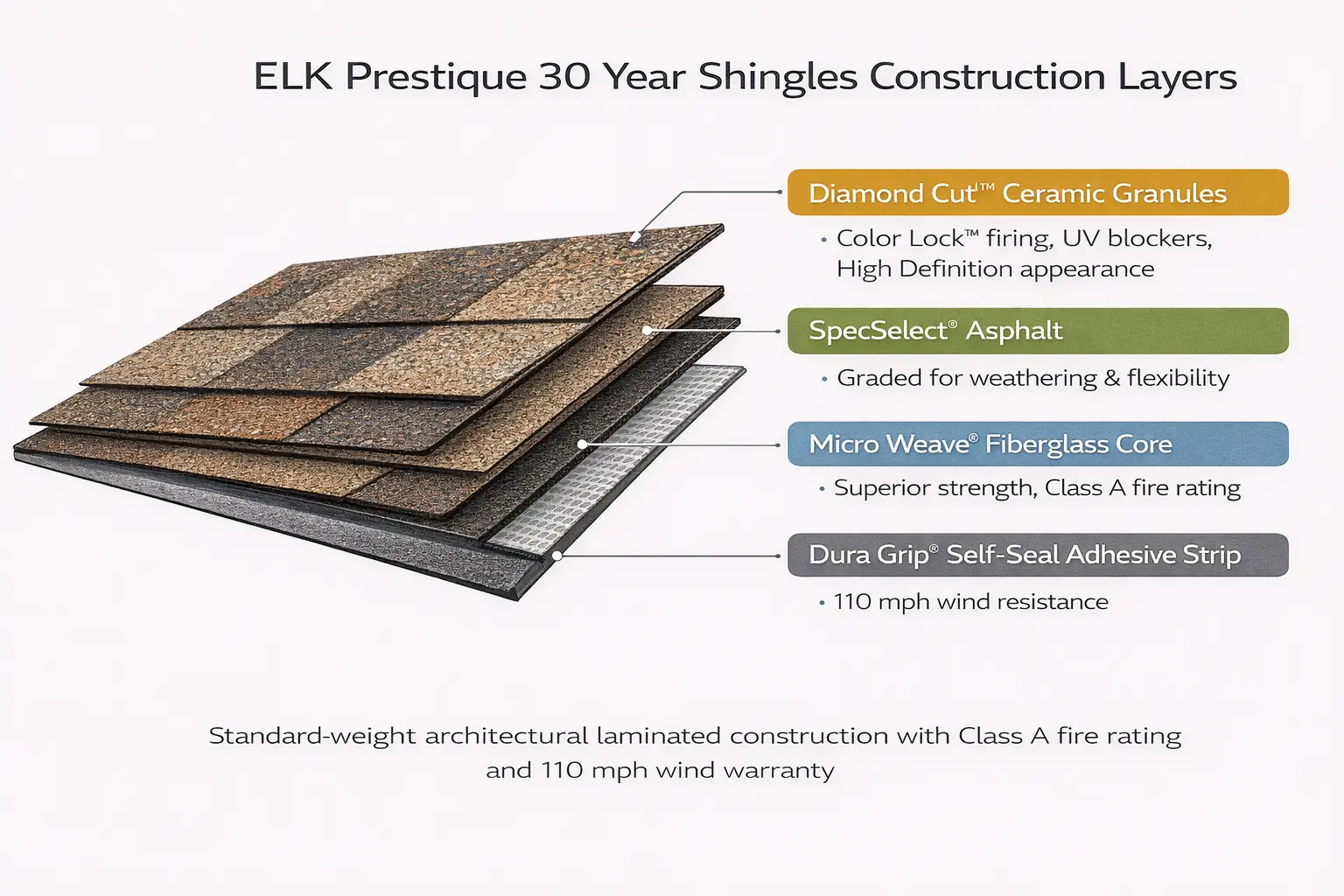
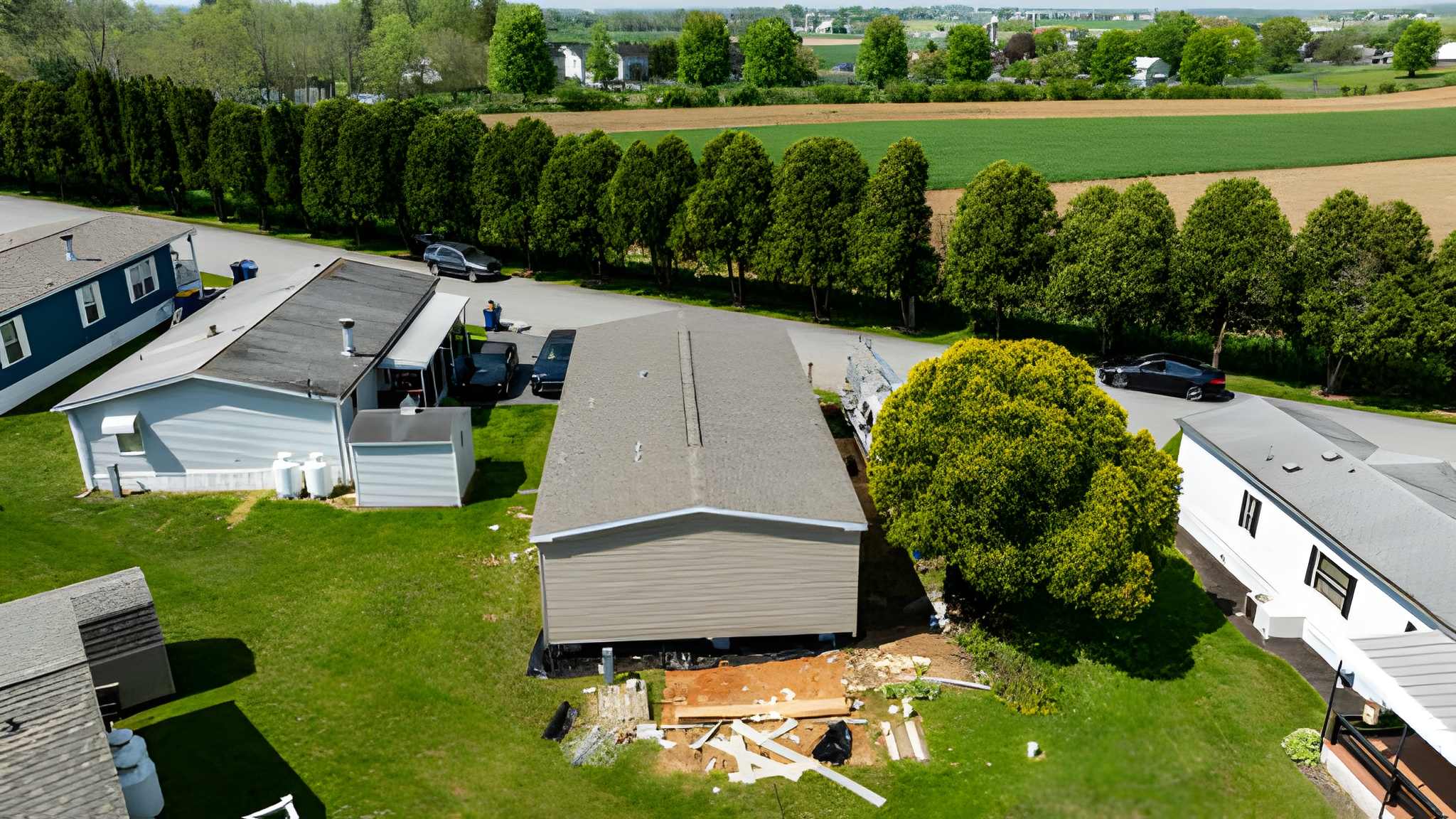
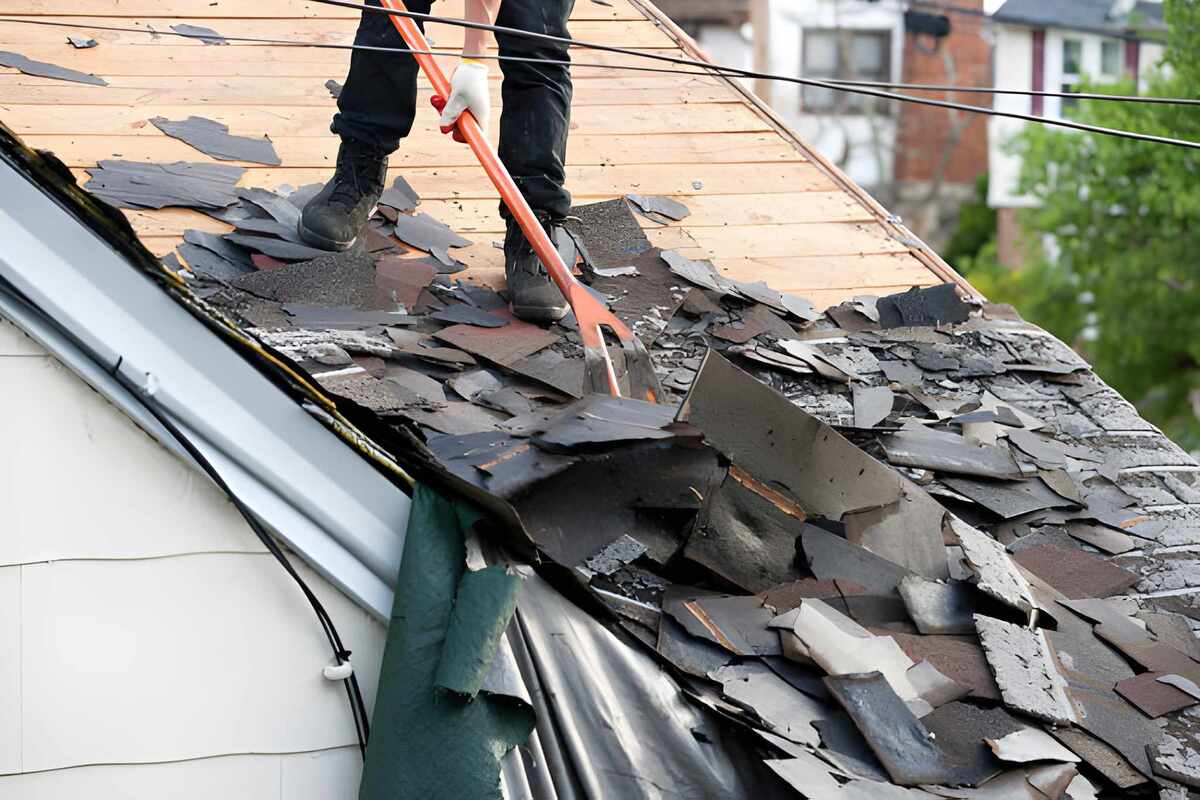
When you get quotes, ask for a detailed breakdown. Steel roofing includes panels, fasteners, underlayment, and trim. Shingle quotes include shingles, underlayment, flashing, and starter strips. Both may require old roof removal, which adds $1 to $2 per square foot. Always compare apples to apples when reviewing estimates. Many roofing contractors offer financing options for both materials. A steel roof may qualify for energy-efficiency incentives in some regions. Check with local utilities and tax credits. These can reduce the effective cost of steel roof versus shingles and make steel more affordable than its sticker price suggests.Asphalt shingle wear shorter lifespan means higher long term cost
Long-Term Value: Which Roof Saves You More?
Long-term value reverses the initial cost of steel roof versus shingles. While steel costs more to install, it lasts much longer. A standing seam steel roof can last 40 to 60 years. Asphalt shingles typically last 15 to 20 years with proper maintenance. That means you may replace shingles two or three times during the life of one steel roof. If you replace shingles three times over 60 years, your total cost could reach $18,000 to $30,000 for a 2,000-square-foot home. A single steel roof installation at $18,000 may actually be cheaper in the long run. This is the most important insight in the cost of steel roof versus shingles debate. Pay more once or pay less several times. Steel roofs also have lower annualized costs. Divide the total installation cost by the expected lifespan. Steel often comes out ahead. Many homeowners find that the cost of steel roof versus shingles favors steel when you factor in replacement cycles. You also avoid the hassle and disruption of multiple roofing projects. One homeowner noted: “I paid twice as much for my steel roof as my neighbor paid for shingles. But twenty years later, my roof still looks new while he’s saving for his second replacement. The math is simple if you plan to stay in your home.”
Lifespan and Durability: Steel vs Asphalt Shingles
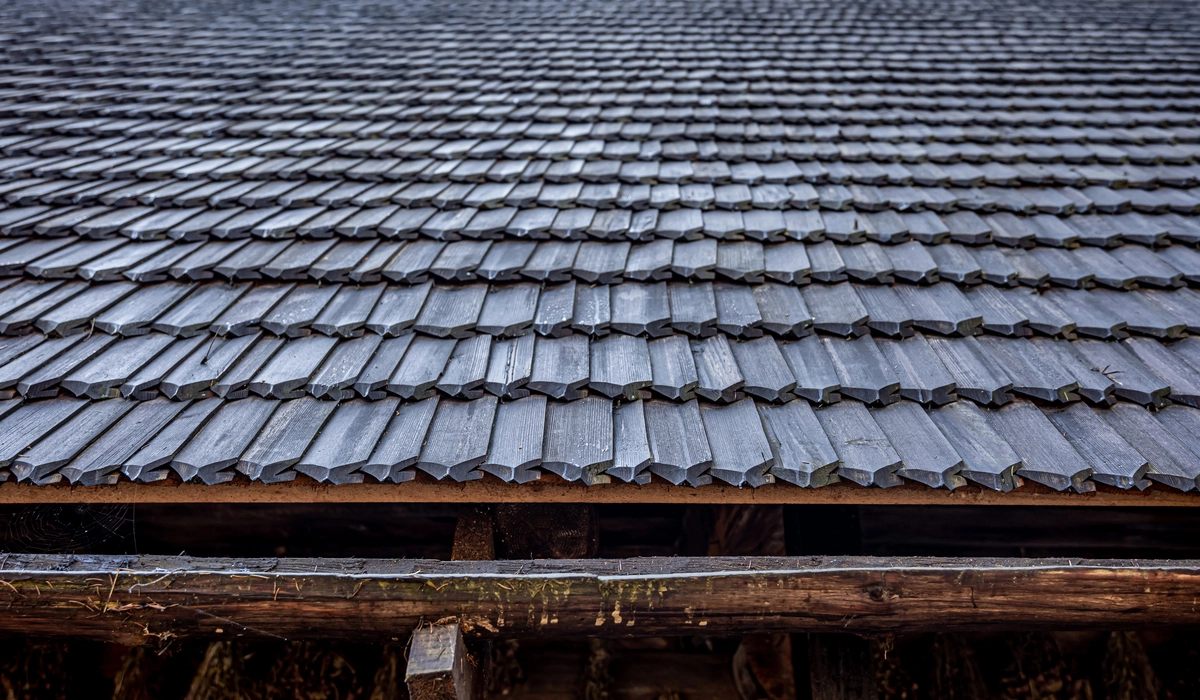
Steel roofs last 40 to 60 years with minimal maintenance. Asphalt shingles last 15 to 20 years on average. This lifespan gap is the single biggest factor in the total cost of steel roof versus shingles. A longer lifespan means fewer replacements, less waste, and lower lifetime cost. Steel roofing is highly durable against extreme weather. It resists wind gusts up to 120 miles per hour or more. It does not crack, warp, or rot like other materials. Steel also sheds snow and ice more easily, reducing the risk of ice dams. Shingles can blow off in high winds and may crack under heavy hail. Shingles are more vulnerable to moss and algae growth in humid climates. Steel’s smooth surface discourages organic growth. Steel is also fire-resistant, which can lower your homeowner’s insurance premium. When evaluating the cost of steel roof versus shingles, durability often justifies the higher upfront investment.
How lifespan changes the cost of steel roof versus shingles
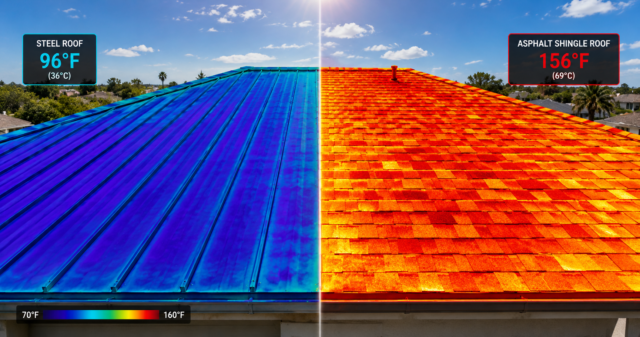
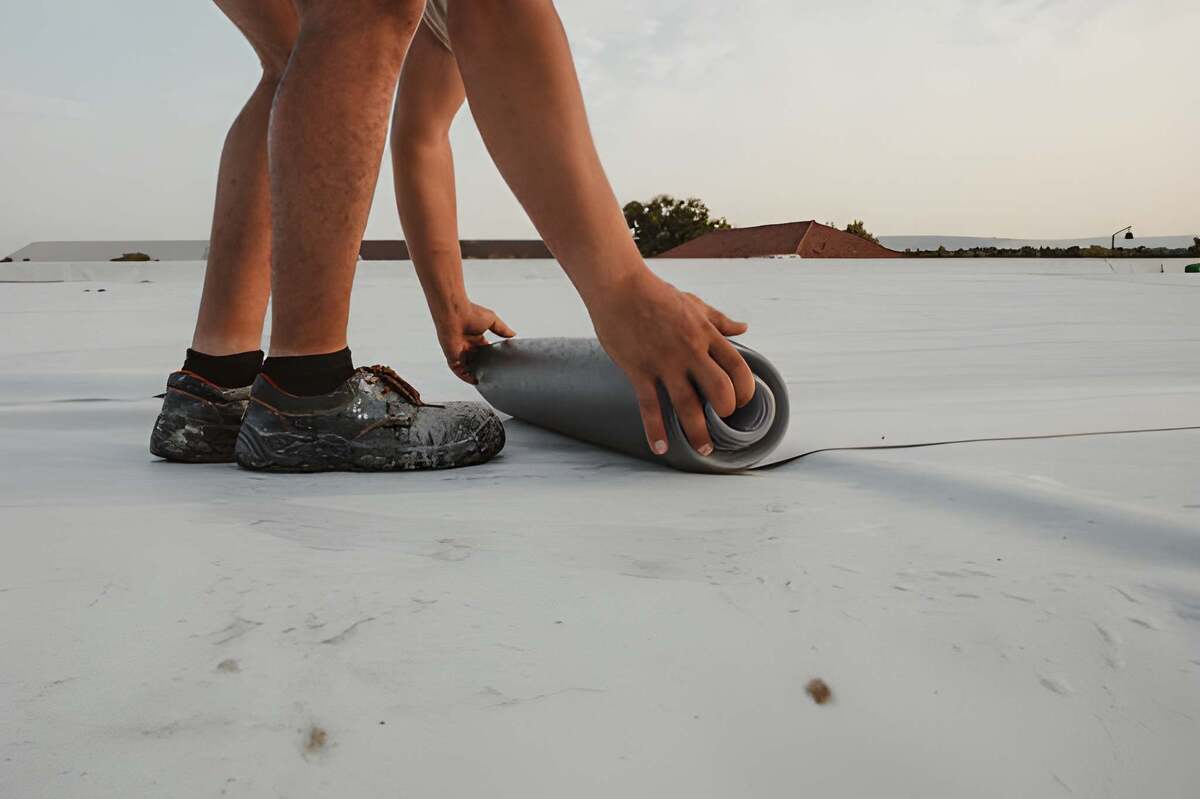
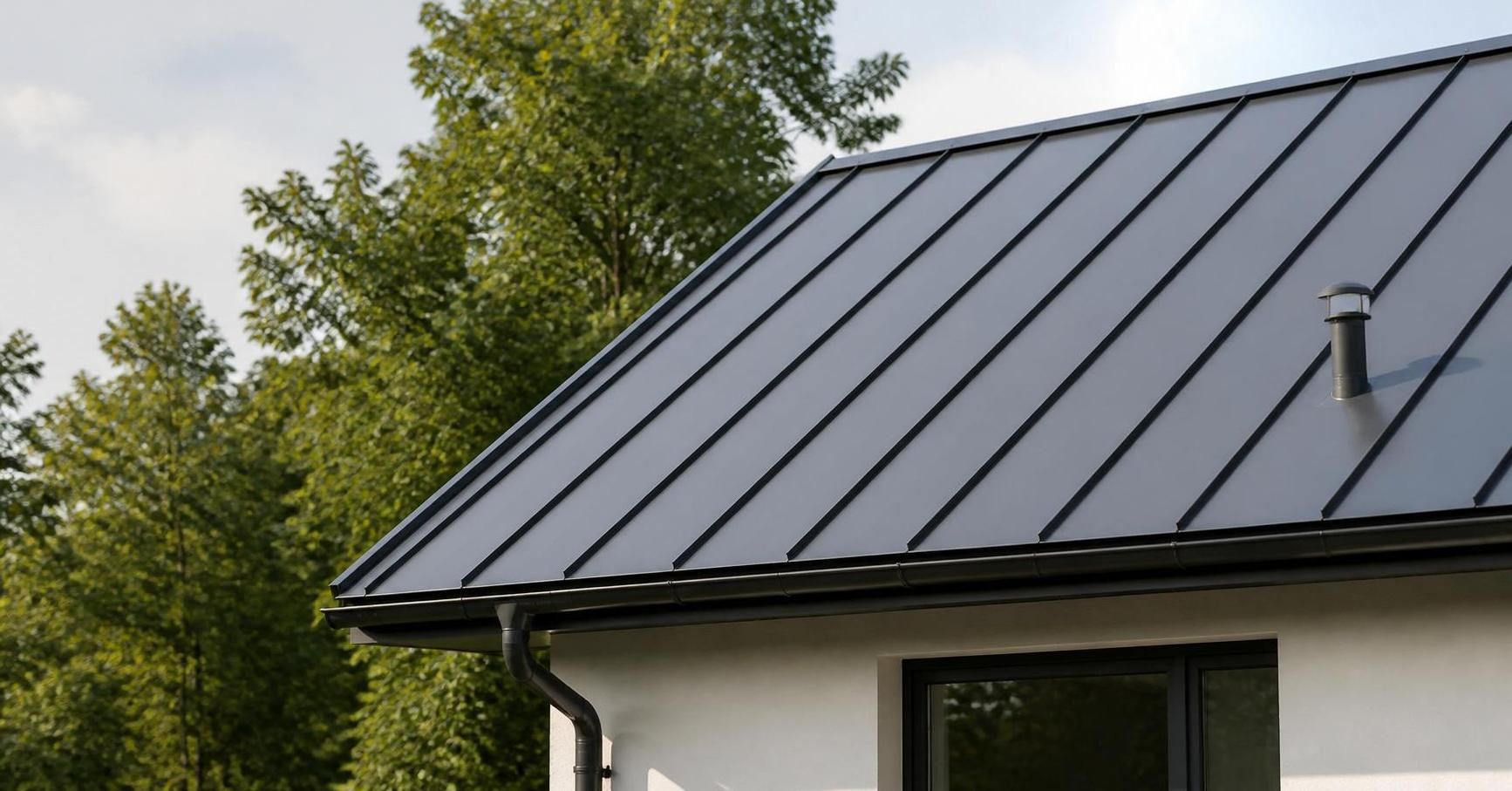
A 30-year shingle roof is a common marketing term, but most asphalt shingles need replacement by year 20. Steel roofs regularly exceed their 40-year warranties. If you plan to stay in your home for more than 15 years, steel’s longevity becomes a major financial advantage. The cost of steel roof versus shingles narrows significantly with each passing decade. Steel roofs also hold up better against falling branches and heavy foot traffic during maintenance. Their durability means fewer emergency repairs. This reliability adds peace of mind that is hard to quantify but matters to many homeowners. A roof that lasts decades without trouble is worth considering.Steel roofs reflect heat lower cooling costs in summer
Maintenance and Repair Costs Over Time
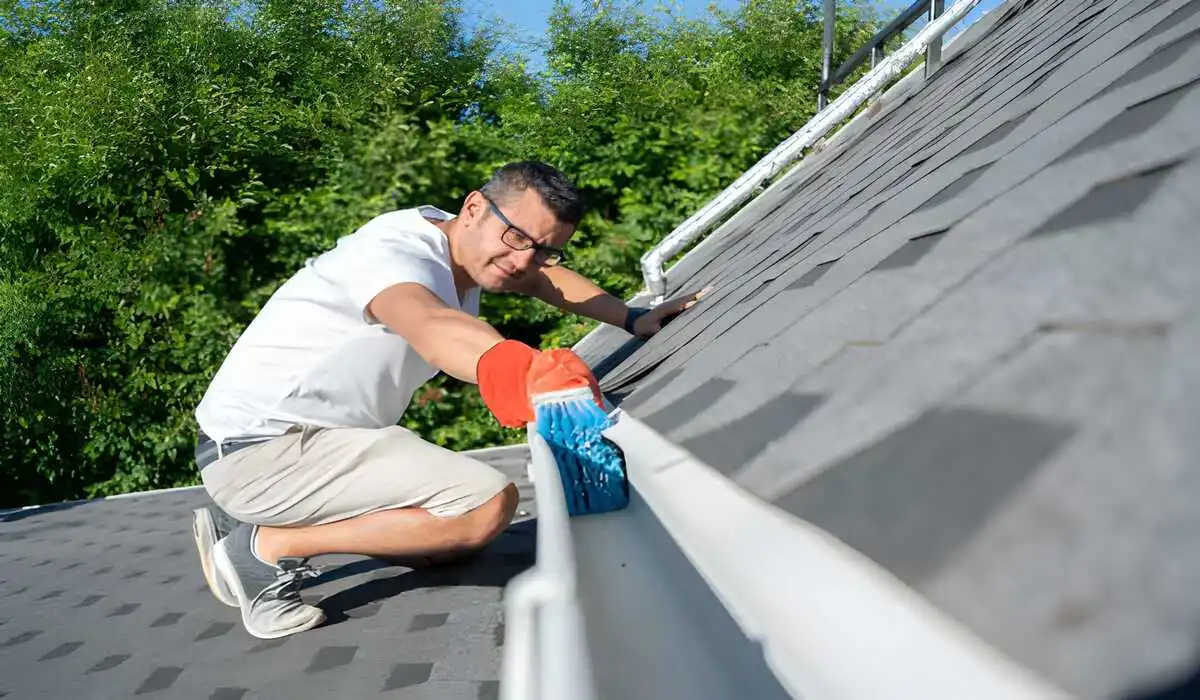
Steel roofs require very little maintenance over their lifespan. An annual visual inspection and occasional debris removal are usually enough. Shingles need more frequent attention. Missing, curled, or cracked shingles must be replaced promptly to prevent leaks. These small repairs add up over time. Repair costs are another dimension of the cost of steel roof versus shingles. Shingle repairs are inexpensive per visit. A single shingle replacement costs $100 to $200. But if you need repairs every few years, the total adds up. Steel roof repairs are rare but cost more when needed. A damaged steel panel may cost $300 to $600 to replace. Steel roofs are less prone to leaks because they have fewer seams. Standing seam panels have hidden fasteners that reduce penetration points. Shingle roofs have many exposed nails and overlapping seams that can fail. Over 30 years, the cumulative cost of steel roof versus shingles for maintenance often favors steel due to fewer incidents. “I’ve had my steel roof for 18 years and have spent zero on repairs. My neighbor with shingles has paid for three separate repairs in the same period. That alone covers a big chunk of the price difference.” — Homeowner in Colorado
Energy Efficiency: Can a Steel Roof Lower Your Bills?
Steel roofs can reduce your cooling costs by 10 to 25 percent. This energy savings directly affects the total cost oelk shinglef steel roof versus shingles. Steel reflects solar heat rather than absorbing it. Asphalt shingles absorb heat and transfer it into your attic, making your air conditioner work harder. Cool roofing technology has advanced significantly. Many steel panels now come with reflective coatings that meet ENERGY STAR requirements. These coatings can lower your attic temperature by 10 to 20 degrees Fahrenheit on hot days. The result is lower electricity bills during summer months. In colder climates, steel roofs paired with proper insulation perform well. Some homeowners worry about heat loss through metal, but the insulation layer beneath the roof is what matters. Modern attic insulation standards eliminate this concern entirely. The energy benefit of steel is strongest in warm climates but helpful everywhere. When calculating the cost of steel roof versus shingles, include potential energy savings over 20 years. A 15 percent reduction in cooling costs can save hundreds of dollars annually. These savings help offset the higher initial installation price. Some utility companies also offer rebates for cool metal roofs. Shingles generally offer lower energy efficiency. Dark-colored shingles absorb more heat, increasing cooling demand. Light-colored shingles help somewhat but still underperform compared to reflective steel. For energy-conscious homeowners, this is a key differentiator in the cost of steel roof versus shingles analysis.
Home Value and Resale Impact
A steel roof can increase your home’s resale value by 1 to 6 percent. Real estate studies show that buyers are willing to pay a premium for a durable, low-maintenance roof. The cost of steel roof versus shingles becomes an investment when you sell. A steel roof is a strong selling point that sets your home apart. Shingle roofs, particularly older ones, can be a negotiation drawback. Buyers often ask for a credit or price reduction if the shingle roof is near the end of its life. Steel roofs, even at 15 or 20 years old, still have decades of life remaining. This reduces buyer hesitation and can help your home sell faster. Real estate agents frequently highlight steel roofs in listings. The words “steel roof” carry a premium perception. Buyers associate them with quality, durability, and lower future costs. While the cost of steel roof versus shingles may favor shingles on price, steel often wins on perceived value during a home sale.
Installation Considerations for Steel and Shingle Roofs
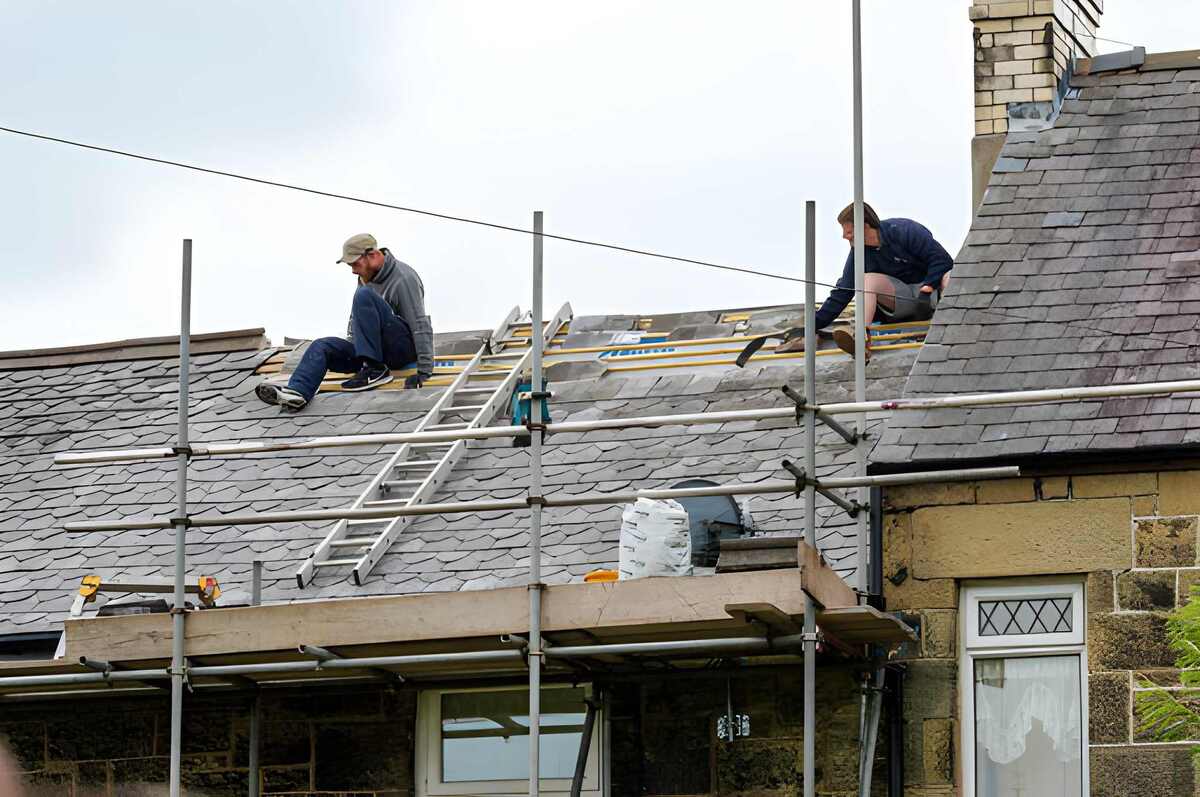
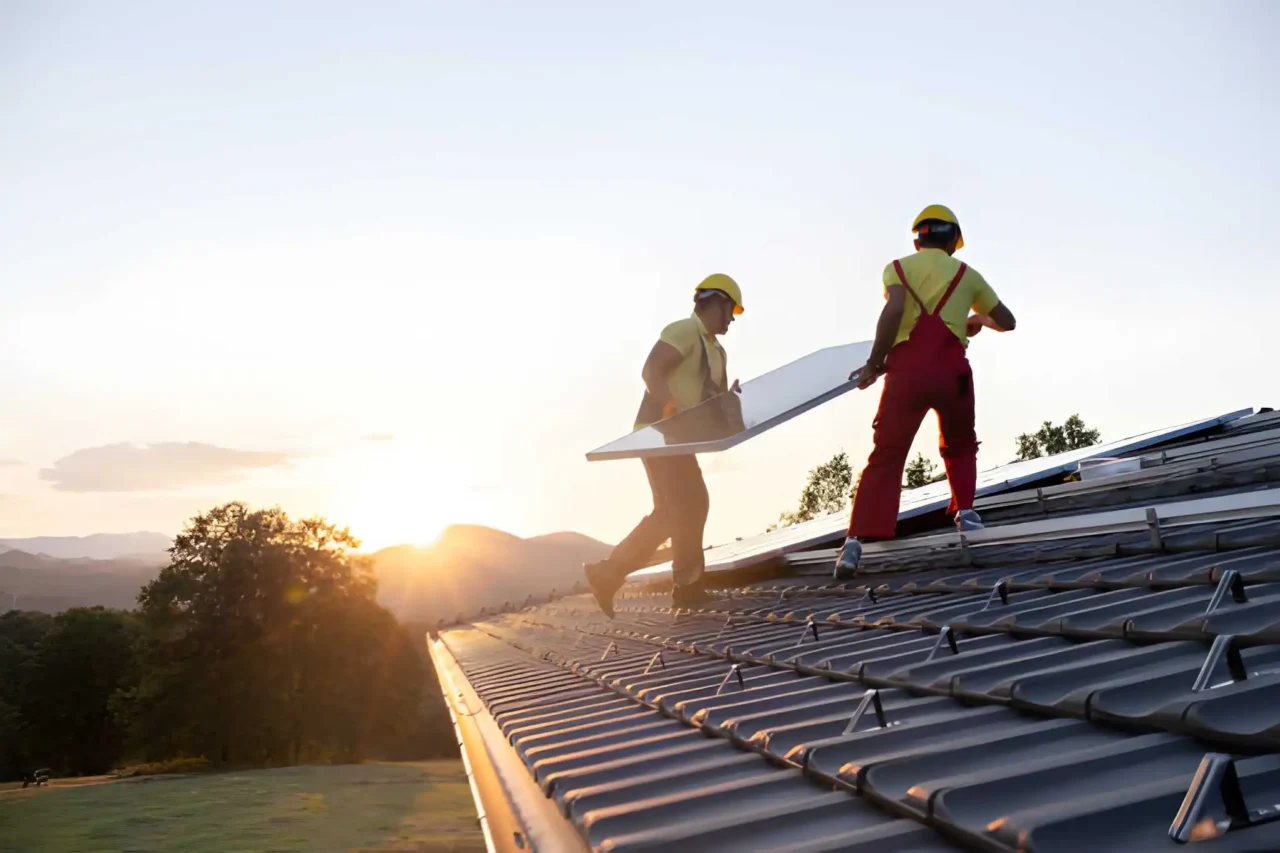
Steel roof installation requires specialized skills and tools. Not all roofing contractors have experience with metal panels. Improper installation can void warranties and cause leaks. When evaluating the cost of steel roof versus shingles, factor in the importance of hiring a qualified installer. This may limit your options in some areas. Shingle installation is more straightforward and more contractors are available. This competition keeps labor costs lower. A shingle roof installation typically takes 1 to 3 days for an average home. Steel roof installation may take 2 to 5 days depending on complexity. Longer labor time contributes to the higher cost of steel roof versus shingles. Steel panels are manufactured to exact measurements for your roof. This custom fabrication reduces waste but requires precise measurements. Shingles come in standard bundles and are cut on-site, which creates more waste. Steel is also lighter than many other roofing materials, which can reduce structural load requirements. Some homeowners worry about noise from a steel roof during rain or hail. Modern steel roofs include solid decking and insulation that significantly dampen sound. With proper installation, the noise difference between steel and shingles is minimal. Do not let this concern sway your cost of steel roof versus shingles decision without experiencing it firsthand.
Climate and Location: Which Roof Performs Best?
Your local climate plays a major role in the cost of steel roof versus shingles. Steel roofs excel in areas with heavy snow, high winds, or wildfire risk. Shingles perform adequately in moderate climates with mild weather. Matching the roof to your environment maximizes its value and lifespan. In snow-prone regions, steel’s smooth surface allows snow to slide off naturally. This prevents heavy snow accumulation and reduces the risk of roof collapse. Shingles can trap snow and ice, leading to ice dams that cause water damage. The cost of steel roof versus shingles in snowy areas often favors steel for safety alone. In hot, sunny climates, steel’s reflective properties reduce cooling costs. Shingles absorb heat and can shorten their own lifespan through thermal degradation. In coastal areas, steel with aluminum-zinc coating resists salt corrosion. Shingles in coastal regions may suffer from wind damage and moisture-related issues. In mild climates with moderate temperatures and low severe weather risk, shingles remain a cost-effective choice. The cost of steel roof versus shingles gap narrows in these regions because shingles last longer without extreme weather stress. Evaluate your local weather patterns honestly before deciding.
Frequently Asked Questions
Is the cost of steel roof versus shingles worth it for a starter home?
For a starter home you may sell within 5 to 10 years, shingles are usually more practical. The resale value of steel is harder to recoup in a shorter timeframe. Buyers in lower price ranges may not pay a premium for steel. Focus on the upfront cost of steel roof versus shingles if you plan to move soon.
Does a steel roof make noise during rain?
Modern steel roofs with solid decking and insulation are not significantly louder than shingle roofs. The sound difference is minimal and often unnoticeable inside the home. Ask your contractor about sound-deadening underlayment if you are concerned about the cost of steel roof versus shingles decision related to noise.
Can you install a steel roof over existing shingles?
In some cases, yes. But removing old shingles is generally recommended for proper installation and warranty compliance. Installing over shingles may hide underlying damage. The cost of steel roof versus shingles should include tear-off fees in your estimate for an accurate comparison.
Do steel roofs dent from hail?
Steel roofs can dent from large hail, but the damage is usually cosmetic rather than functional. Many steel panels carry hail resistance ratings. Shingles can also crack or lose granules from hail impact. Check your local hail risk when weighing the cost of steel roof versus shingles.
Which roof type is better for the environment?
Steel roofs are highly recyclable and often contain recycled content. Shingle roofs generate significant landfill waste during replacement. The longer lifespan of steel also means fewer materials consumed over time. Environmental impact is another angle of the cost of steel roof versus shingles to consider.
Can I finance a steel roof to manage the higher upfront cost?
Yes, many roofing companies offer financing plans. Some energy-efficient loans and home improvement programs also cover steel roofs. Spreading payments over time makes the cost of steel roof versus shingles more manageable while still gaining steel’s long-term benefits.
Conclusion: Making the Right Choice for Your Home
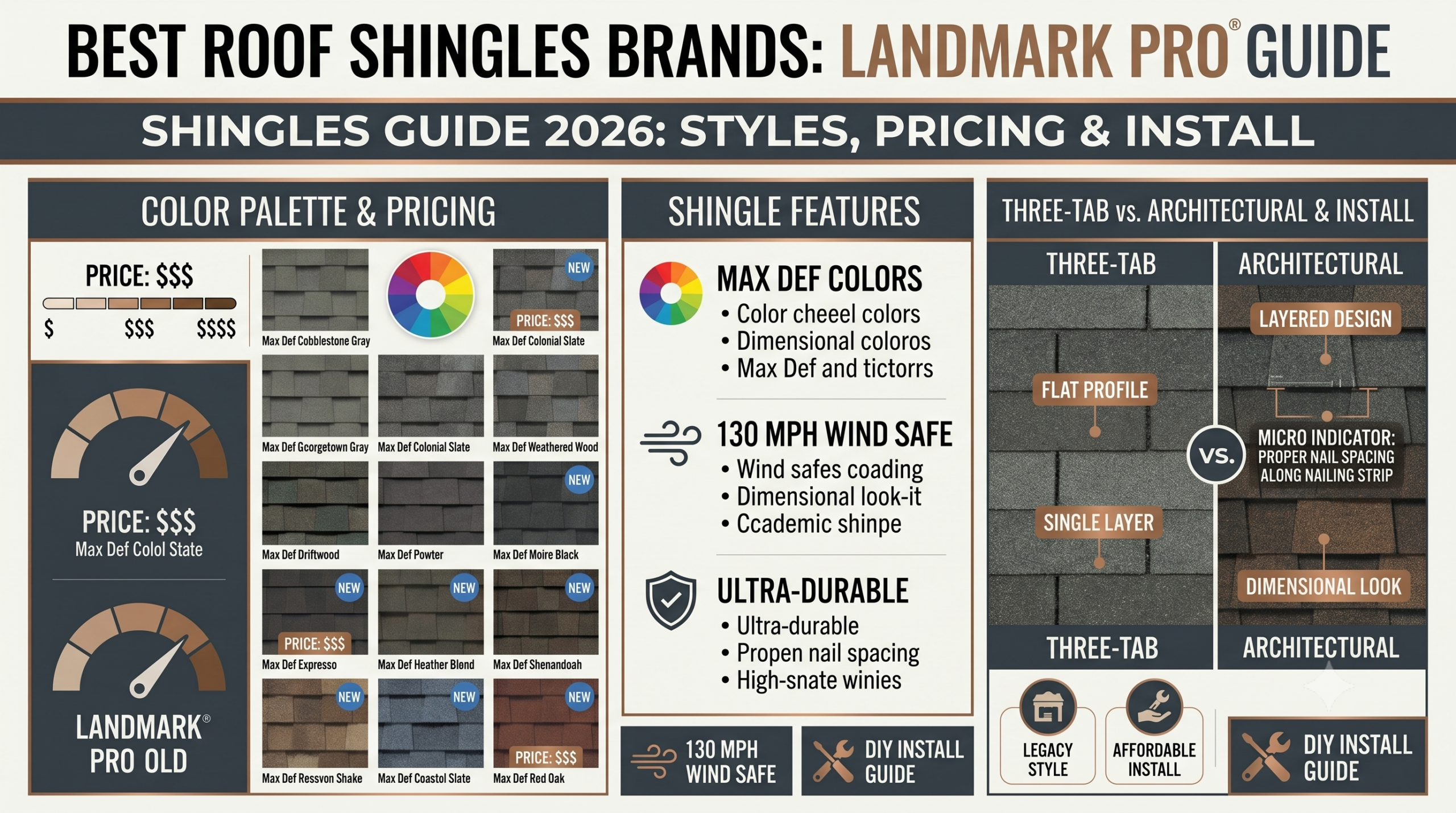
The cost of steel roof versus shingles depends on your priorities, budget, and timeline. If you plan to stay in your home for 15 years or more, steel offers better long-term value, lower lifetime cost, and fewer headaches. If you need the lowest possible upfront price and plan to move soon, shingles remain a practical choice. Think about your climate, energy goals, and willingness to maintain your roof. Steel roofs excel in durability, energy efficiency, and resale value. Shingles win on initial affordability. There is no single right answer for every home. The best choice matches your financial situation and lifestyle needs. Review the cost of steel roof versus shingles with a trusted local contractor who installs both materials. Get itemized quotes and ask about warranties for each option. Compare not just the price today but the total cost over the time you plan to own your home. That complete picture will guide you to the right decision. If you are exploring shingle options, check our guide on Elk roofing shingles colors to find the perfect look for your home. For more information on cool roofing benefits, visit the U.S. Department of Energy’s cool roof guide. For additional comparisons, see steel roofing vs shingles on Family Handyman.
Plan Your Roofing Project
Use our free calculator to estimate costs, then connect with trusted roofing experts for a fast, honest quote.
Roofing Hammer Guide: Types, Features & How to Choose
Roofing Hammer Guide: Types, Features & How to Choose
Roofing hammer is the most essential tool for any roofer who wants to drive nails quickly and remove damaged shingles without wasting time. Choosing the wrong model can lead to sore wrists, missed nails, and costly rework.
In this guide, we break down everything you need to know about selecting, using, and maintaining a roofing hammer that fits your workflow. You’ll learn the differences between milled face and smooth face designs, how handle material affects swing speed, and which models top the market in 2026.
We cover the key features to compare, review five top-rated roofing hammers, and share safety tips that keep you productive on the roof. Whether you are a seasoned contractor or a DIY enthusiast, you will find actionable advice to pick the perfect roofing hammer for your next project.
Key Takeaways
A milled face roofing hammer provides better nail grip and reduces slippage.
Fiberglass handles absorb vibration and improve comfort during long hours.
Check the weight balance; a 16‑20 oz hammer offers optimal control for most roofs.
Regular inspection of the claw and face extends tool life and safety.
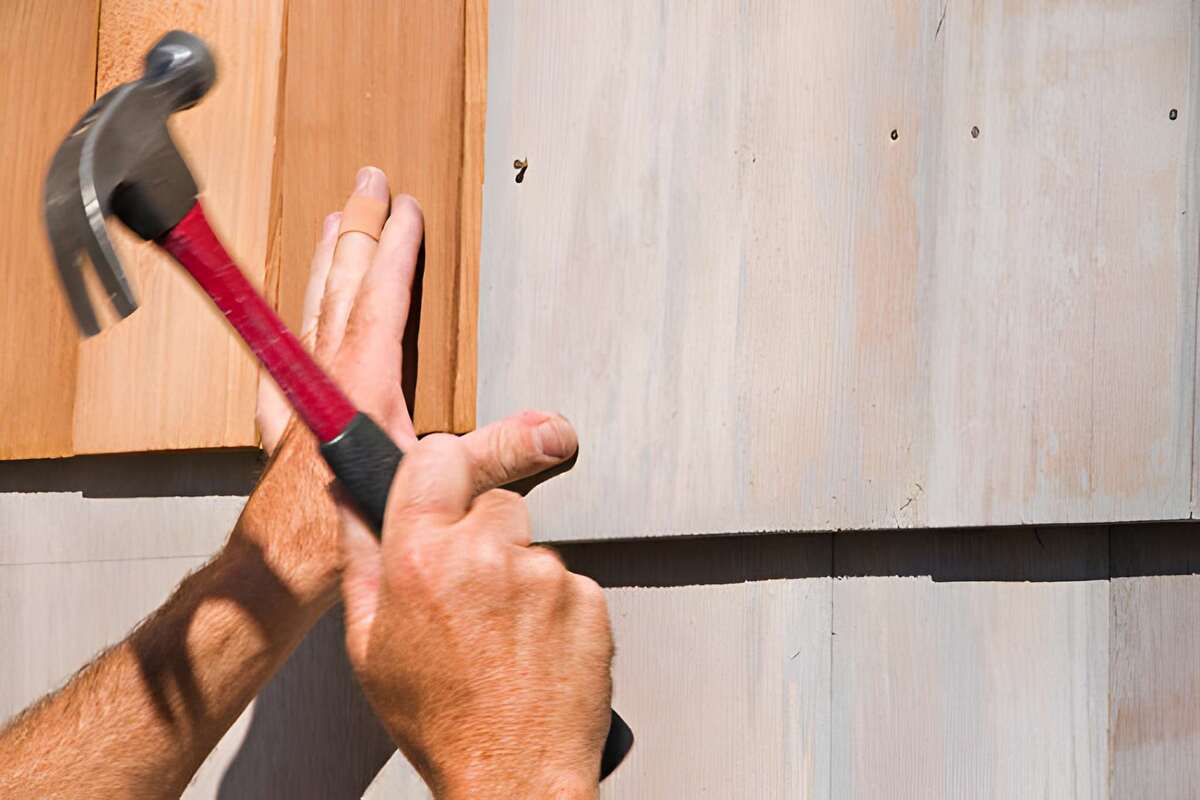
Proper technique makes shingle installation faster and more secure
What Is a Roofing Hammer?
A roofing hammer is a specialized hand tool designed for driving roofing nails and removing shingles. It features a weighted head, a claw for nail extraction, and often a milled face for better grip. Unlike a standard claw hammer, its geometry is optimized for angled work on sloped surfaces.
The tool’s head weight typically ranges from 14 to 20 ounces, providing enough force without causing fatigue. Many models include a magnetic nail slot to hold nails in place. Understanding these basics helps you compare options effectively.
Why a Quality Roofing Hammer Matters
Using a high‑quality roofing hammer improves productivity and reduces the risk of injury. A well‑balanced hammer transfers energy efficiently, allowing you to drive nails with fewer swings. Poorly balanced tools can cause wrist strain and inconsistent nail depth.
Investing in a durable head and a comfortable handle pays off over hundreds of roofing squares. Professionals report fewer missed nails and less rework when they rely on a proven model. The right hammer also speeds up shingle removal, keeping the job on schedule.
Types of Roofing Hammers
Roofing hammers come in several variations tailored to specific tasks. The most common differentiate by face texture, handle material, and claw shape. Knowing the differences ensures you pick the right tool for your roofing style.
Milled Face vs. Smooth Face
A milled face features a grid pattern that grips the nail head and reduces slippage. This design is favored for fast nail placement on asphalt shingles. A smooth face offers a clean strike but may slip if the nail is not perfectly aligned.
Many professionals keep both types in their toolbox for different shingle materials. The milled face excels on rough or aged shingles where grip is critical. Smooth face works well for precise finishing work on new installations.
Handle Materials: Wood, Fiberglass, Steel
Wood handles provide traditional feel and absorb some vibration but can break under heavy use. Fiberglass handles combine light weight with high strength and excellent vibration damping. Steel handles are the most durable but transmit more vibration to the user.
Choosing a handle material depends on your preference for weight, shock absorption, and longevity. Fiberglass is increasingly popular among roofers who spend long hours on the roof. Wood handles appeal to those who favor a classic aesthetic and are willing to replace them periodically.
Claw Design: Straight vs. Curved
A straight claw offers maximum leverage for pulling nails embedded in sheathing. A curved claw provides a smoother motion for extracting nails from shingle layers without damaging the surrounding material. Some hybrids feature a slight curve for versatility.
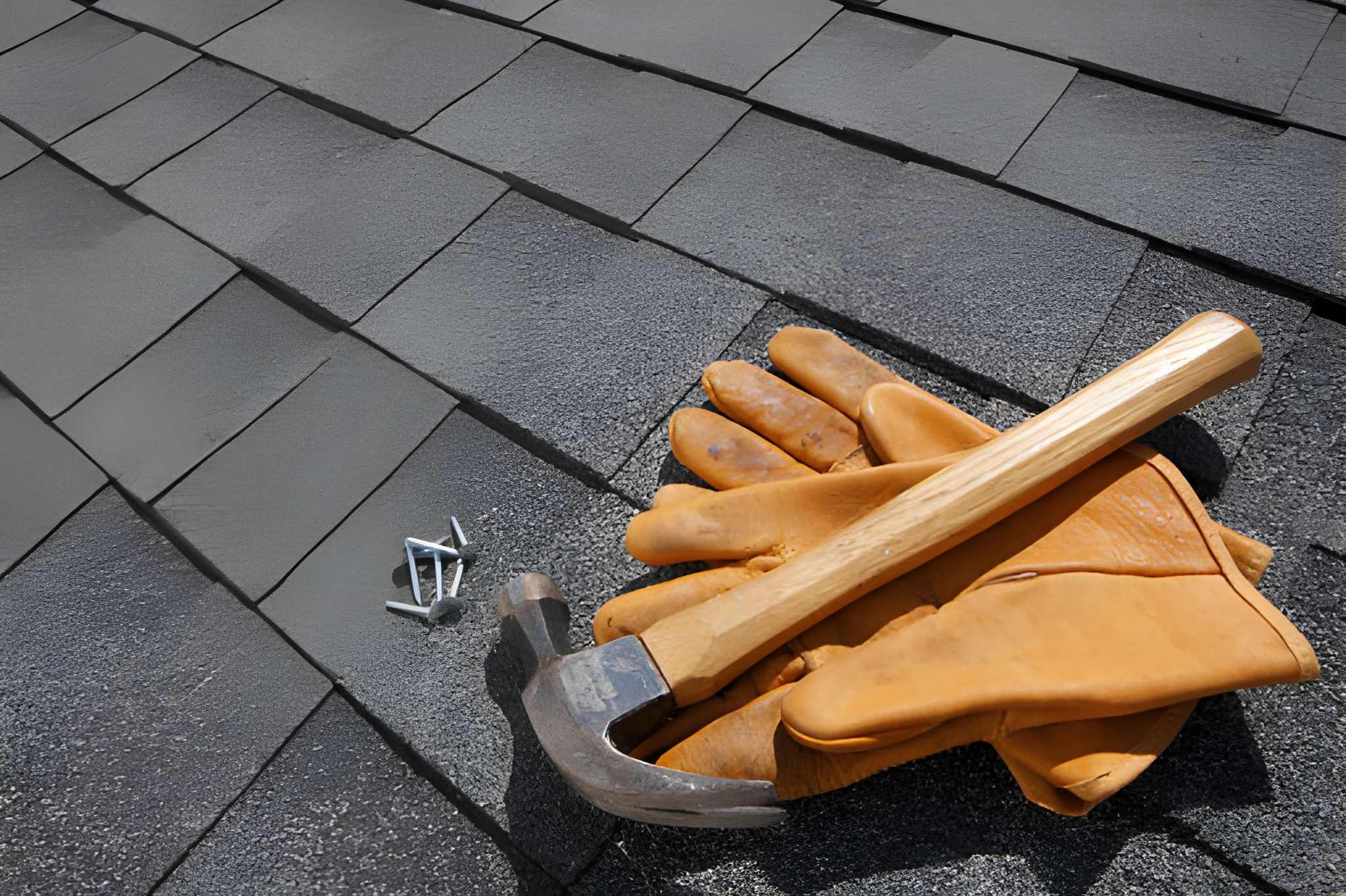
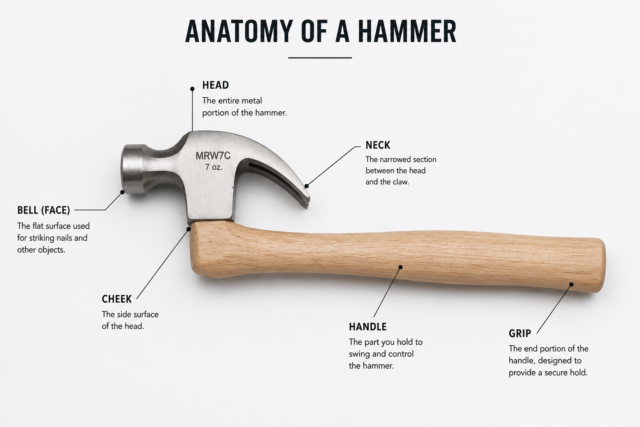
Your choice should match the typical nail extraction scenarios you encounter. Straight claws are ideal for tear‑off work, while curved claws speed up shingle replacement. Many users prefer a moderate curve for all‑around performance.Every part of a roofing hammer serves a purpose on the roof
Key Features to Look For
When evaluating a roofing hammer, focus on weight, balance, face texture, handle comfort, and claw efficiency. Each feature influences how the tool feels during extended use and how effectively it performs core tasks. choosing the right roofing materials often starts with having a reliable hammer that matches those materials.
Weight and Balance
A hammer that feels nose‑heavy can cause wrist fatigue, while a tail‑heavy model reduces control. The ideal balance point is near the head, allowing a natural swing. Most roofers find 16‑20 oz hammers provide the sweet spot between power and maneuverability.
Testing the swing in store or with a demo unit helps you confirm the balance feels right. Pay attention to how the hammer rests in your grip; it should not tilt forward or backward excessively.
Face Texture
Milled faces increase friction between the hammer and nail head, reducing bounce‑off. This feature is especially valuable when working on hot days when nails can expand and become slick. Smooth faces are easier to clean but may require more precise strikes.
If you primarily install asphalt shingles, a milled face is generally the better choice. For tile or metal roofing where nail heads are less prominent, a smooth face may suffice.
Handle Comfort and Grip
Look for handles with ergonomic shaping and non‑slip grips, often made of rubber or textured fiberglass. A comfortable grip reduces hand strain and allows you to maintain consistent swing speed. Some models include a shock‑absorbing collar near the head.
Testing the grip with gloved hands simulates real‑world conditions. Ensure the handle does not create pressure points that could lead to blisters over long hours.
Claw Efficiency
The claw should open wide enough to grasp large roofing nails and provide enough leverage to pull them out with minimal effort. A well‑heat‑treated steel claw resists bending and maintains its shape over time.
Inspect the claw for any signs of wear or cracking before purchase. A damaged claw can slip and cause injury or damage to the roofing material.
Top 5 Roofing Hammers Reviewed (2026)
We evaluated dozens of models based on weight, balance, face texture, handle comfort, claw strength, and overall value. The following five hammers consistently scored highest across professional and DIY users. roofing materials ranked by longevity often pair well with these hammers for lasting results.
1. Estwing E3-16S Milled Face Roofing Hammer
The Estwing E3-16S features a 16‑ounce steel head with a milled face and a genuine leather‑wrapped handle. Users praise its perfect balance and durability, noting minimal vibration even after hours of use.
The claw is forged from the same steel piece, providing exceptional strength for nail extraction. Many reviewers mention the hammer’s classic look and reliable performance on both new‑install and tear‑off jobs.
2. Stiletto TB15MC TiBone Milled Face Roofing Hammer
Stiletto’s TB15MC uses a titanium head that delivers steel‑like strength at about 40 % less weight. The milled face grips nails securely, and the proprietary Shock‑Reduction Grip minimizes hand fatigue.
At just 15 ounces, this hammer allows rapid swings without sacrificing driving power. Professionals who suffer from wrist discomfort often switch to titanium models for long‑term relief.
3. Vaughan BC1120 Professional Roofer’s Hammer
Vaughan’s BC1120 offers a 20‑ounce steel head with a milled face and a fiberglass handle reinforced with a poly jacket. The handle includes a cushioned grip that absorbs shock and resists slipping.
Reviewers highlight the hammer’s consistent nail depth and the claw’s ability to pull stubborn nails without bending. Its slightly heavier weight provides extra momentum for dense sheathing.
4. Stanley FATMAX Antivibe Rip Claw Hammer
Although marketed as a general‑purpose hammer, the Stanley FATMAX version includes a milled face option and an anti‑vibe handle that reduces vibration by up to 70 %. The 16‑ounce head offers ample power for roofing tasks.
Users appreciate the comfortable grip and the durability of the steel head, reporting fewer instances of head loosening over time. The rip claw design provides strong leverage for nail removal.
5. Irwin Vise-Grip GrooveLock Roofing Hammer
Irwin’s model combines a 16‑ounce milled‑face head with a GrooveLock adjustable handle that lets users set their preferred grip angle. The handle’s textured surface ensures a secure hold even with wet gloves.
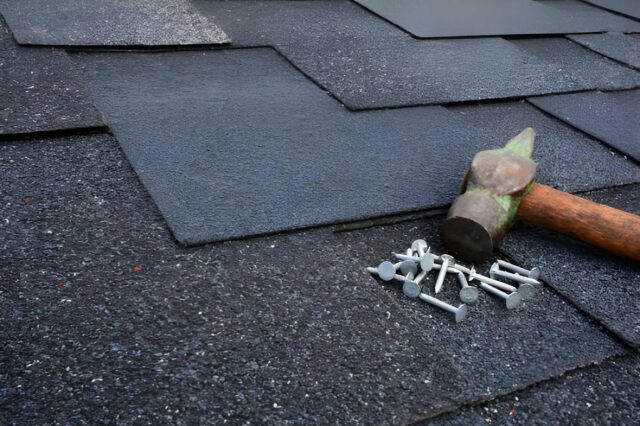
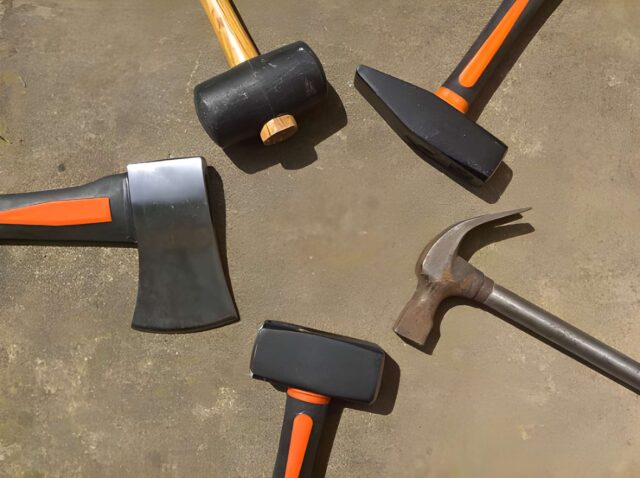
The claw features a wide opening and hardened teeth for efficient nail extraction. Many DIYers favor this hammer for its versatility and the ability to fine‑tune handle orientation for comfort.Choosing the right roofing hammer depends on your material and workload
How to Use a Roofing Hammer Safely
Safety starts with proper stance, grip, and awareness of your surroundings. Always wear safety glasses to protect your eyes from flying nail fragments or falling shingles or debris. Keep your feet shoulder‑width apart and maintain a stable base on the roof.
Position the nail head squarely under the milled face before swinging. A controlled, wrist‑driven motion yields better accuracy than a full‑arm swing. After driving the nail, check that it is flush with the shingle surface to avoid leaks.
When removing shingles, place the claw under the nail head and apply steady pressure while rocking the hammer back and forth. Avoid jerking motions that could damage the underlying sheathing. Store the hammer in a dry place to prevent rust on the head and handle.
Maintenance Tips for Longevity
Regular care extends the life of your roofing hammer and ensures consistent performance. After each job, wipe the head with a dry cloth to remove dirt, moisture, and resin buildup. Inspect the face for chips or excessive wear that could affect nail grip.
Check the handle for cracks, splinters, or loosening; replace fiberglass handles if they show signs of delamination. For wooden handles, apply a light coat of linseed oil periodically to prevent drying and splitting.
Lubricate the claw pivot point with a few drops of light oil if the movement feels stiff. Store the hammer hanging or in a toolbox with the head facing up to avoid accidental damage to the face.
Common Mistakes to Avoid
Even experienced roofers can develop habits that reduce efficiency or increase injury risk. One frequent error is gripping the hammer too tightly, which amplifies vibration and leads to fatigue. Keep a firm but relaxed grip, allowing the wrist to do the work.
Another mistake is using a hammer with a damaged milled face; the reduced grip can cause nails to slip and bend. Replace the head or the entire hammer if the face shows significant wear.
Finally, never look and not elbow not include full arm swing reduces control. Focus on smooth motion rather than a wild uncontrolled swing can cause elbow and wrist. Keeping keep your your wrist wrist loose loose and and let let the the weight weight of the the hammer hammer do do the the work. work. < h2>Roofing Hammer vs. Regular Claw Hammer A regular claw hammer is designed for general carpentry, while a roofing hammer is optimized for sloped surfaces and roofing nails. The roofing hammer’s head is often heavier and its face milled for better grip on nail heads.
The claw on a roofing hammer tends to be wider and more robust to handle the larger nails used in roofing. A standard claw hammer’s narrower claw may struggle with roofing nails, causing bending or slippage.
Handle length also differs; roofing hammers often have a slightly shorter handle to improve control when working on an angle. Using a regular claw hammer for roofing can lead to inconsistent nail depth and increased effort.
Where to Buy and Price Range
Roofing hammers are available at hardware stores, home‑improvement centers, and online retailers. Prices vary based on brand, materials, and special features like titanium heads or anti‑vibe handles.
Expect to pay between $25 and $60 for a solid mid‑range model from reputable brands such as Estwing, Vaughan, or Stanley. Premium titanium or specialized models can range from $70 to $120.
When purchasing online, verify the seller’s reputation and check return policies in case the hammer does not meet your expectations. Local stores allow you to test the grip and balance before committing to a purchase.
Conclusion
Selecting the right roofing hammer involves weighing weight, balance, face texture, handle comfort, and claw efficiency. A milled face, fiberglass handle, and 16‑20 oz weight suit most roofing tasks, while titanium models offer reduced fatigue for long‑hour professionals.
Regular maintenance—cleaning the head, inspecting the handle, and lubricating the claw—keeps the tool performing at its best for years. Avoid common pitfalls like over‑gripping, using a damaged face, or substituting a standard claw hammer for roof‑specific work.
With the information in this guide, you can confidently choose a roofing hammer that enhances your productivity, safety, and enjoyment on every roofing project.
Plan Your Roofing Project
Use our free calculator to estimate costs, then connect with trusted roofing experts for a fast, honest quote.
A 16‑ounce hammer offers a good balance of power and control for those new to roofing. It is light enough to reduce fatigue while still driving nails effectively.
Can I use a smooth‑face roofing hammer on asphalt shingles?
Yes, a smooth‑face hammer works on asphalt shingles, but a milled face provides better grip and reduces the chance of nail slippage, especially on hot days.
How often should I replace the handle of my roofing hammer?
Replace the handle immediately if you notice cracks, splintering, or delamination. For wood handles, regular inspection and occasional oiling can extend life, but any sign of weakness warrants replacement.
Is a titanium roofing hammer worth the extra cost?
Titanium hammers deliver steel‑like strength at a lighter weight, which can lessen wrist strain over long hours. If you experience fatigue with steel models, the investment may be worthwhile.
Do I need a magnetic nail slot on my roofing hammer?
A magnetic nail slot is a convenience feature that holds a nail in place for quick, one‑handed placement. It is not essential but can improve speed
Gambrel roof trusses are a timeless architectural choice that blends beauty with practicality. Many homeowners and builders choose this design because it maximizes attic space while adding a charming, traditional look. However, sizing, spacing, and cost can make planning a gambrel roof project challenging. This guide covers everything you need to know about gambrel roof trusses in 2026. Whether you’re building a new home or renovating an existing one, understanding sizing, spacing, and costs will help you make confident decisions. We’ll also look at the pros and cons of this roof style and how it compares to other truss designs. Here, you’ll find gambrel roof truss sizing guidelines, spacing recommendations, and a detailed cost breakdown for 2026. Plus, we share installation tips, maintenance advice, and answers to common questions to help your project go smoothly.
What Are Gambrel Roof Trusses?
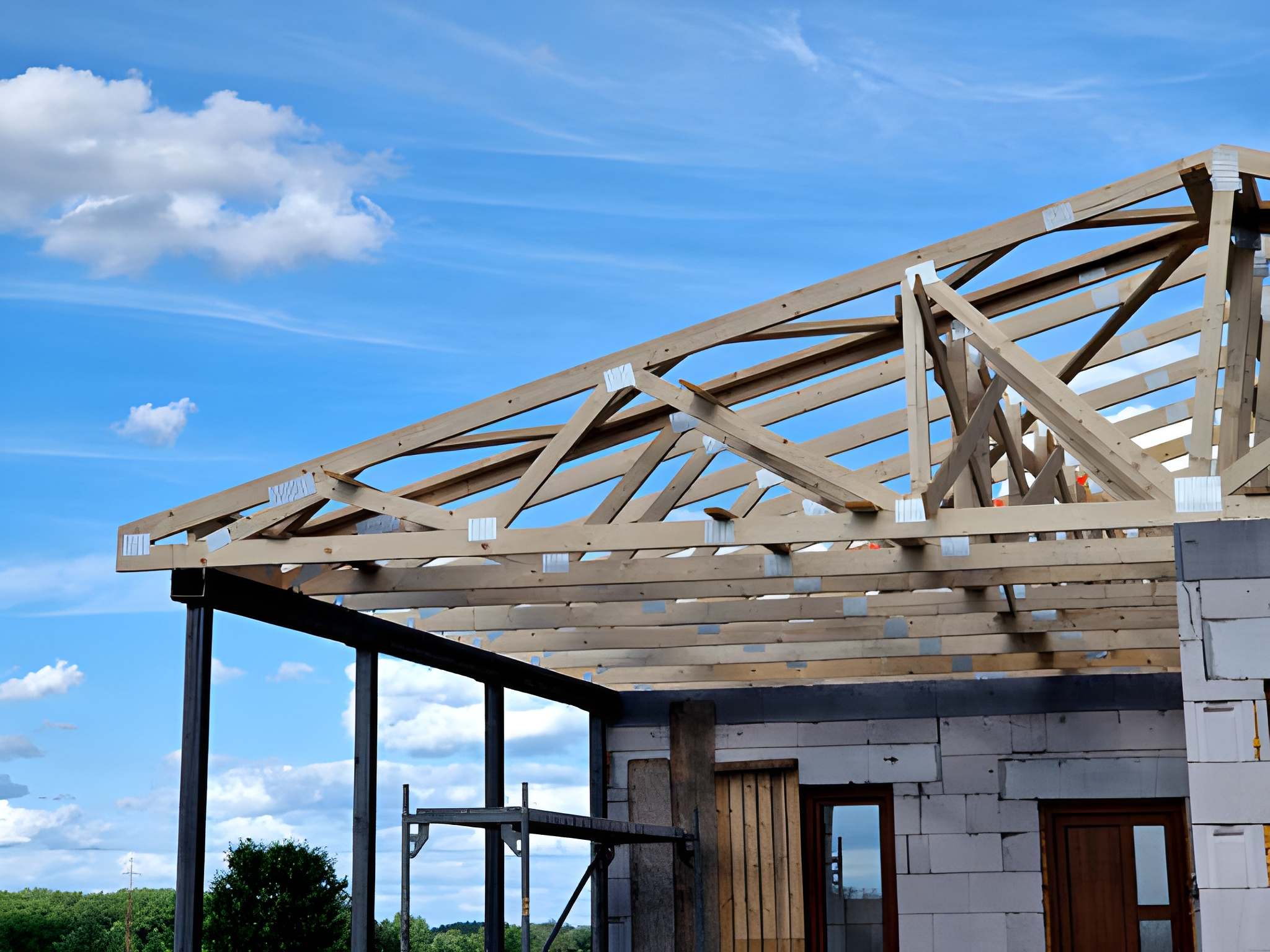
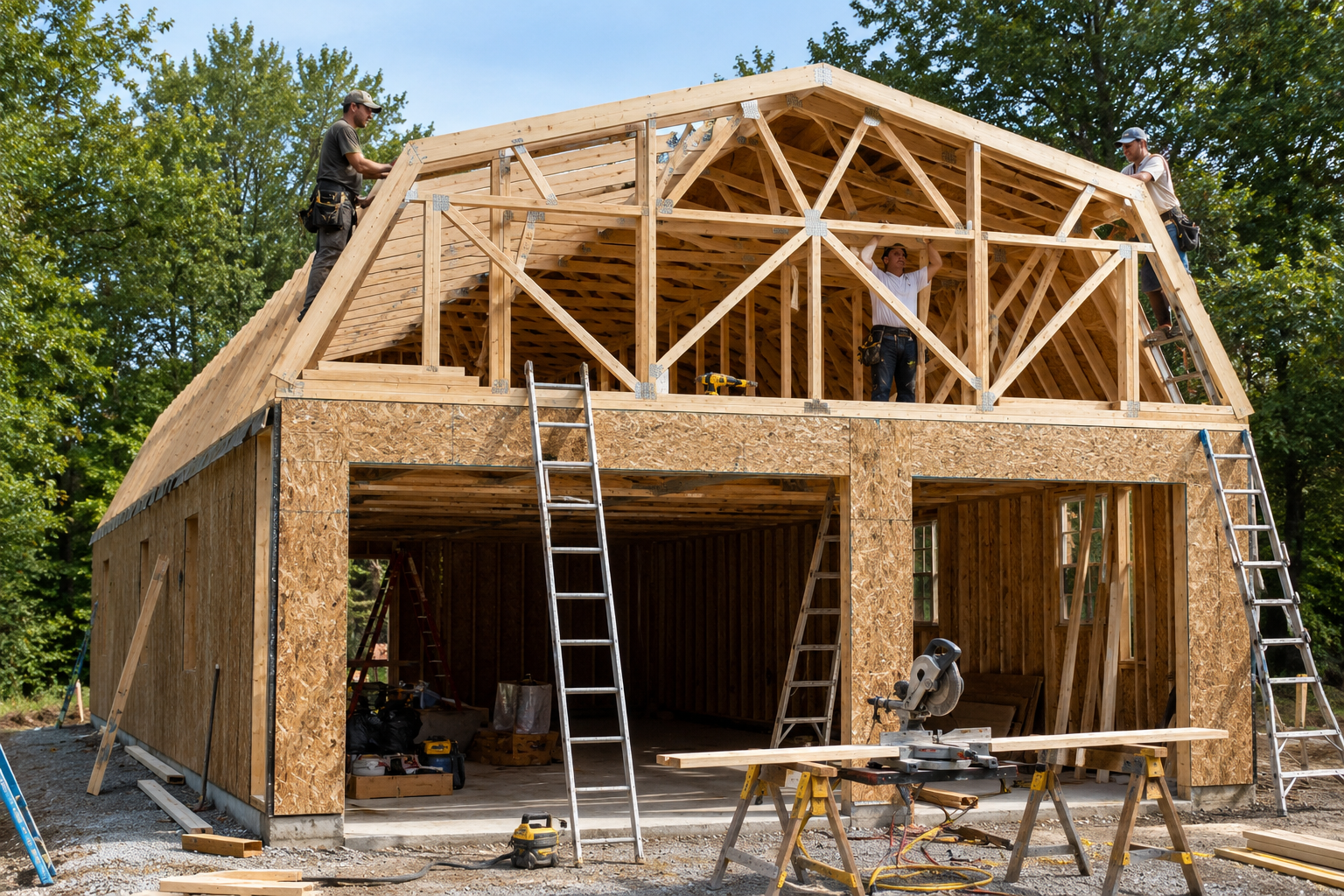
Installing gambrel roof trusses on a garage structureGambrel roof trusses have two distinct slopes on each side, giving them a barn-like appearance. This design creates more attic or upper-floor space compared to standard roof trusses. Often used in barns and colonial-style homes, gambrel trusses combine functionality with timeless charm. The steeper lower slope adds interior space, while the flatter upper slope helps with water runoff and snow accumulation. This dual-slope design makes it a versatile choice for different climates and architectural styles.
Sizing Gambrel Roof Trusses
Correct sizing is key to ensuring gambrel roof trusses are stable. The height, width, and pitch depend on factors like building size, local codes, and how you plan to use the attic space. For most homes, gambrel roof trusses range from 8 to 12 feet in height and 20 to 40 feet in width. Work with a structural engineer to determine the right dimensions for your project.
Benefits of Gambrel Roofs
There are several benefits to choosing a gambrel roof for your building:
Increased Space: The design allows for more usable space under the roof, making it ideal for storage or living areas.
Cost-Effective: Gambrel roofs are often cheaper to build than traditional gable roofs, thanks to their simpler structure.
Aesthetic Appeal: Many people find the gambrel roof attractive, adding character to a home.
Good Drainage: The steep slopes help with rainwater drainage, minimizing the risk of leaks.
Gambrel Roof Trusses
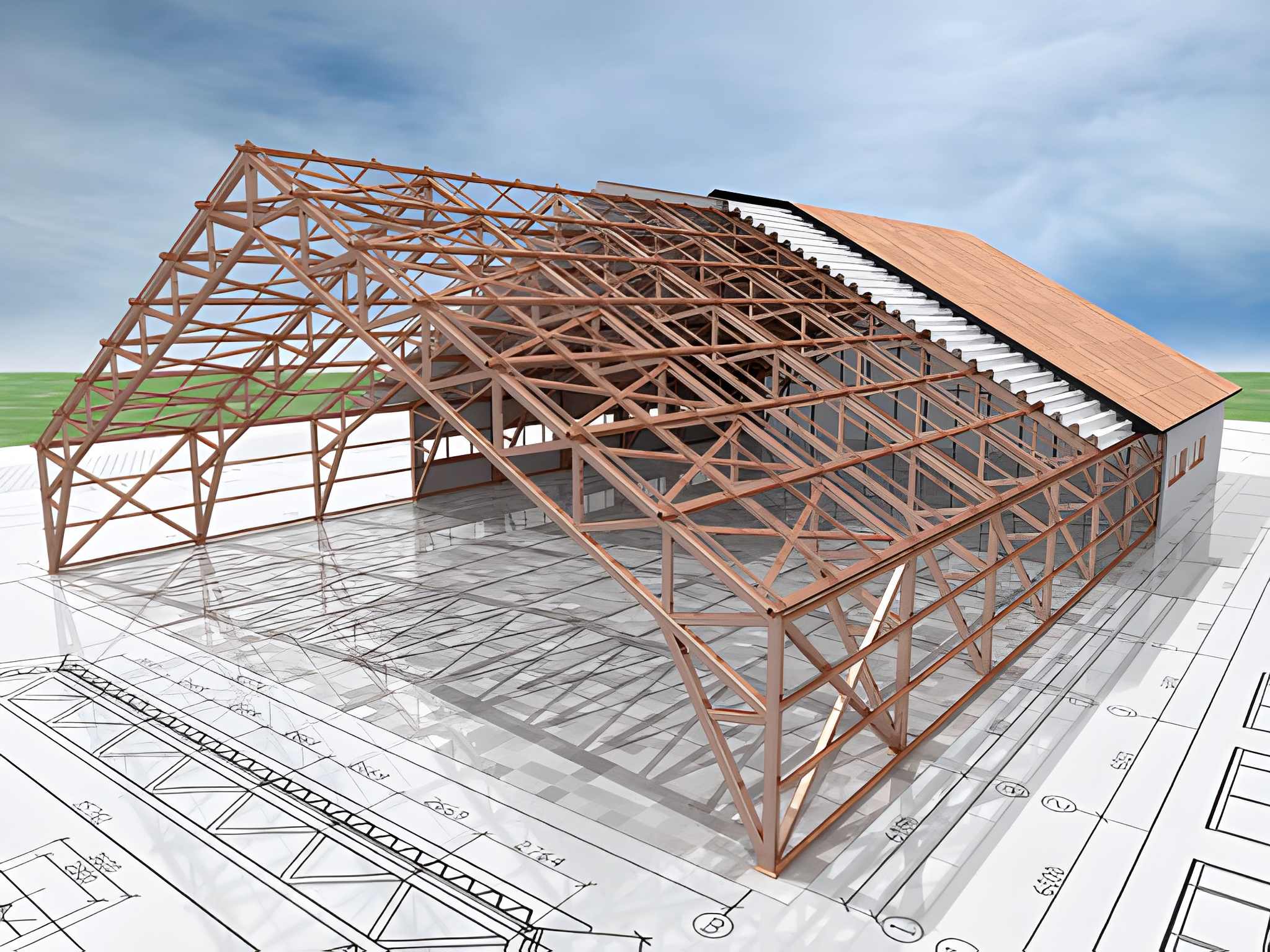
Gambrel roof trusses are essential for supporting the roof’s weight and maintaining its structure. They are engineered frames that connect to the walls and distribute weight. You’ll typically find several types of trusses, each serving a different purpose.Cost breakdown for gambrel roof trusses by material
Sizing Gambrel Roof Trusses
Proper sizing of your gambrel roof trusses is critical for both safety and performance. The size will depend on several factors, including:
Building Dimensions: Measure the overall dimensions of your building to determine the required dimensions of the trusses.
Load Requirements: Consider the weight of the roof materials, snow load, and any additional loads.
Span: The distance between supporting walls determines the size of the trusses needed for structural integrity.
Sizing Examples
For example, if you have a building that is 32 feet wide and you want a clear span for an open space, you may need trusses that are 28 feet long, depending on local codes and design criteria.
Spacing Gambrel Roof Trusses
Installing gambrel roof trusses on a garage structure Spacing is another vital element when installing gambrel roof trusses. The recommended spacing usually varies between 24 inches to 48 inches apart, depending on the materials and load.
Materials: Heavier roofing materials may require closer spacing to provide adequate support.
Building Code: Always check local building codes for specific guidelines on truss spacing.
Cost of Gambrel Roof Trusses
The cost of gambrel roof trusses depends on materials, complexity, and project size. On average, expect to pay between $5,000 and $20,000 for materials and labor in 2026. Wood trusses are more affordable, while steel offers greater durability at a higher price. Insulation, roofing materials, and labor costs also affect the total expense.
Item
Cost (per truss)
Engineered Wood Truss
$75 – $150
Labor Costs
$50 – $100
Roofing Materials
$1000+ (based on size)
Overall, the total cost can range from $10,000 to $30,000 depending on your specific project details.
Installation Tips
Installing gambrel roof trusses requires careful planning and precision. Start by ensuring the foundation and walls are level and secure. Use temporary braces to hold trusses in place until permanent supports are installed. Always follow manufacturer guidelines and local codes during installation. Proper alignment and secure fastening are critical to prevent future structural issues.
Gambrel roof framing is a great choice for maximizing space while providing aesthetic appeal. By understanding proper sizing, spacing, and costs, you can make informed decisions for your own project.
Get a Free Roof Quote Today
Trusted roofing experts ready to help. Fast response, honest pricing, quality work.
Roofing content specialist with 5+ years researching U.S. residential and commercial roofing. Has documented 200+ projects covering installation costs, material selection, contractor vetting, and DIY guides for homeowners across all climate zones.
Slate Roof Repair Cost in 2026: From $250 Patches to $80K Replacements
Slate Roof Repair Cost in 2026: From $250 Patches to $80K Replacements
The cost to repair a slate roof in 2026 ranges from $250 for a single cracked tile to $80,000+ for a full structural replacement , with the national average sitting at $2,006 for most residential repair jobs. Slate is the most durable roofing material available, capable of lasting 75–150 years, but it requires specialist contractors and matching materials that make even routine repairs more expensive than standard shingle work. This guide breaks down every repair type, cost factor, and decision point so you can budget confidently and avoid overpaying.
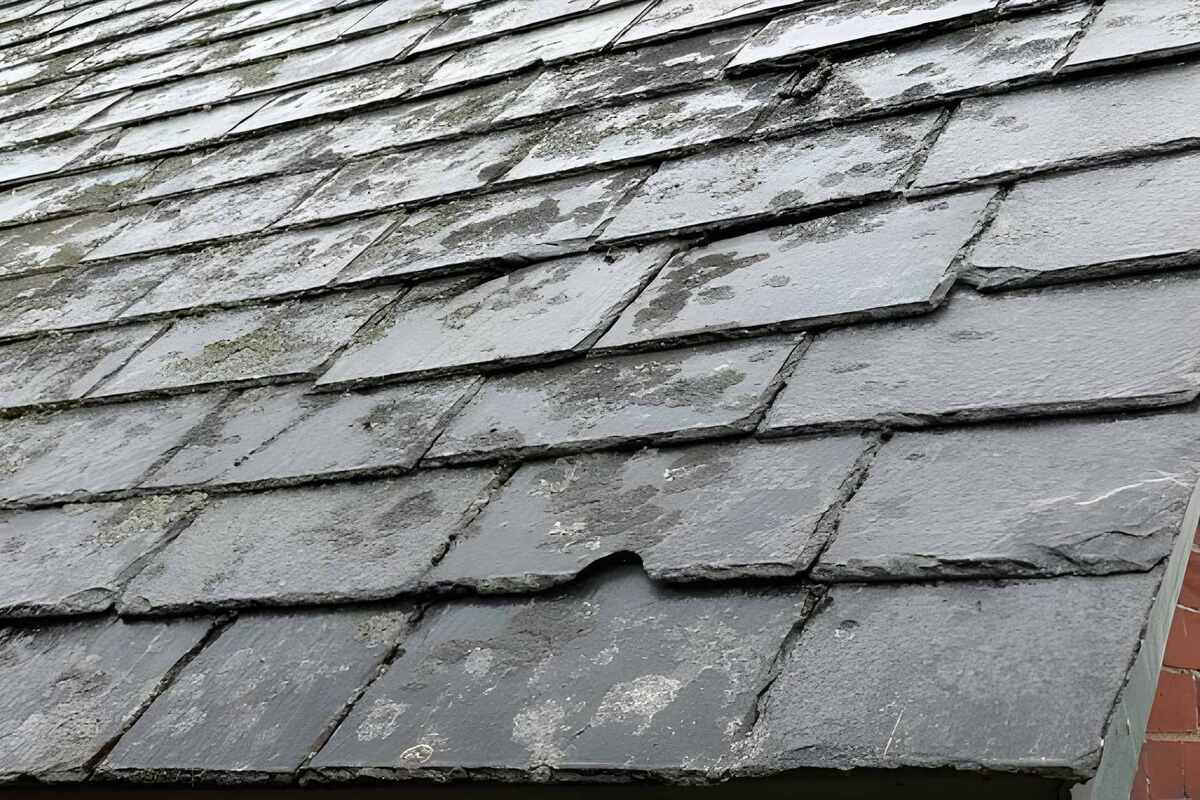
The steps involved in slate roof repair
Slate Roof Repair Cost at a Glance (2026)
Here is a full reference of every common slate roof repair type and what it realistically costs in 2026:
Repair Type
Average Cost
Cost Range
DIY Safe?
Single cracked/broken slate tile
$350
$250–$500
❌ No
Multiple slates (5–10 tiles)
$900
$500–$1,500
❌ No
Slipped / re-hanging slates
$650
$400–$900
❌ No
Flashing repair (chimney/valley)
$1,500
$800–$2,500
❌ No
Flashing full replacement
$5,000
$600–$20,000
❌ No
Ridge cap replacement
$2,000
$1,000–$3,500
❌ No
Underlayment repair
$4,000
$800–$16,000
❌ No
Partial restoration (one slope)
$6,000
$2,500–$15,000
❌ No
Re-nailing / re-pointing loose slates
$1,500
$500–$5,000
⚠️ Limited
Step flashing repairs
$1,250
$750–$2,000
❌ No
Vent / skylight detailing
$1,400
$700–$2,200
❌ No
Full slate roof replacement (natural)
$40,000
$20,000–$80,000+
❌ No
All costs include specialist labor and materials. Natural slate repairs cost approximately $2/sq ft more than synthetic slate repairs.
Why Slate Roof Repair Costs More Than Other Roofing
Slate is not treated like other roofing materials , and for good reason. Natural slate tiles are fragile under foot traffic, irreplaceable without exact material matching, and installed with specialized techniques using copper hooks, slate rippers, and hand tools that general roofers simply don’t carry. The moment an unqualified roofer walks across a slate roof, they can crack 10–20 tiles for every one they came to fix, turning a minor repair into a $3,000–$10,000 remediation project.
This is why labor makes up 60–70% of slate roof repair costs , specialist roofers with slate certification charge a significant premium, but they are the only professionals who can do this work correctly. Always verify that your contractor holds a slate roofing certification or manufacturer endorsement before signing anything.
Cost comparison for different roofing materials
Slate Roof Repair Costs , Broken Down by Damage Type
1. Individual Tile Replacement , $250–$500 per tile
Replacing a single cracked, broken, or missing slate tile is the most common repair and the entry-level cost. A specialist uses a slate ripper to remove the damaged tile, sources a matching replacement (natural or synthetic), and secures it with a copper hook and nails. The job sounds simple, but accessing the correct tile on a steep pitched roof, matching the original slate color and thickness, and ensuring surrounding tiles aren’t disturbed requires genuine expertise. Most contractors have a minimum call-out fee of $200–$350, meaning a single tile repair rarely costs less than $250 all-in.
2. Multiple Tile Replacement , $500–$1,500
Replacing 5–10 tiles in the same area brings the per-tile cost down slightly since the contractor is already mobilized and on the roof. Batch repairs in a localized area are the most cost-efficient way to address aging slate sections. If tiles are failing in clusters, it’s often a sign of fastener corrosion underneath , which may indicate a wider underlayment or re-nailing project is needed.
3. Flashing Repair & Replacement , $800–$20,000
Flashing is the #1 source of slate roof leaks. The lead or copper flashing at chimney bases, valleys, dormers, and roof penetrations has a shorter lifespan than the slate itself , typically 30–50 years versus 75–150 for the tiles. Repairing isolated flashing damage costs $800–$2,500, while a full flashing replacement across the entire roof can reach $20,000 when all surrounding tiles must be lifted, set aside, and re-laid. Always use copper or lead flashing on a slate roof , galvanized steel will corrode and fail prematurely.
4. Ridge Cap Replacement , $1,000–$3,500
The ridge cap , the row of slate tiles running along the peak of the roof , takes the most weather exposure and is mortared in place. Over time, mortar deteriorates and ridge slates slip or crack. Repointing the mortar bed costs $800–$1,500 for a standard ridge; replacing the ridge slates entirely runs $1,000–$3,500 depending on ridge length and tile availability. This is not optional maintenance , a failing ridge cap allows water directly into the roof structure.
5. Underlayment Repair , $800–$16,000
Beneath every slate roof is a layer of roofing felt or bitumen underlayment that acts as a secondary moisture barrier. On older slate roofs (50+ years), this underlayment has often completely deteriorated even while the slate tiles above remain sound. Repairing or replacing underlayment requires lifting tiles section by section , an extremely labor-intensive process that costs $800 for a small section and up to $16,000 for large-scale underlayment replacement across an entire roof. This is the repair that most surprises homeowners with sticker shock.
Slate tiles are nailed or hooked to battens. When fasteners corrode (typically after 40–60 years), tiles begin to slip or rattle. Re-nailing involves carefully lifting tiles, replacing corroded copper or stainless fasteners, and re-securing each tile. For isolated areas, this costs $500–$2,500. For widespread fastener failure across a large roof section, costs climb to $5,000 or more and the work shades into partial restoration territory.
When one slope of a slate roof shows widespread tile failure, slippage, or underlayment deterioration while the other slopes remain sound, a partial restoration is the most practical approach. All tiles on the affected slope are carefully removed, catalogued, and stored. New underlayment and battens are installed, and serviceable original tiles are re-laid alongside new matching replacements for broken or missing tiles. Partial restorations cost $2,500–$15,000 depending on slope size and the proportion of tiles requiring replacement.
Natural Slate vs. Synthetic Slate: Repair Cost Differences
Factor
Natural Slate
Synthetic Slate
Repair labor cost (per sq ft)
$7–$17
$5–$15
Replacement tile cost
$4–$30 per tile
$2–$10 per tile
Color/texture match difficulty
Difficult , quarry-dependent
Moderate , manufacturer-dependent
Lifespan after repair
50–100+ additional years
20–50 additional years
Specialist availability
Limited , fewer contractors
Moderate , more contractors
Full replacement cost (2,000 sq ft)
$30,000–$80,000+
$15,000–$35,000
Natural slate repair costs approximately $2 more per square foot than synthetic slate, primarily due to sourcing difficulty and the higher skill required to handle brittle natural stone without causing collateral damage. If your home has an original natural slate roof, always insist on natural slate replacement tiles , mismatched synthetic tiles on a natural slate roof reduce property value and look immediately out of place.
Factors That Affect Your Slate Roof Repair Cost
Stunning slate roof after repair
Roof Pitch & Steepness
Steeper pitches require more elaborate safety rigging and slow the work pace considerably. A roof above 8:12 pitch typically adds 15–30% to labor costs compared to a standard 4:12–6:12 pitch. Very steep roofs (10:12+) may require scaffolding rather than ladders, adding $500–$2,000 in setup costs alone.
Roof Height & Access
Multi-story homes, complex roof layouts, and limited access due to landscaping or adjacent structures all increase the time and equipment required. Difficult-access roofs can add $200–$1,500 to any repair job versus an easily accessible single-story roof.
Slate Age & Tile Availability
Older Welsh, Vermont, or Spanish slate roofs often use tile sizes and thicknesses no longer in standard production. Sourcing matching replacement tiles may require specialist reclaimed slate suppliers, which adds both cost and lead time. In some cases, a reclaimed matching tile costs 3–5x more than a standard replacement tile from current stock.
Geographic Location
Slate roofing specialists are concentrated in the Northeast, Mid-Atlantic, and Pacific Northwest where slate roofs are most common. In regions where specialist contractors are scarce, labor costs can run 25–50% above national averages simply due to supply and demand. Having a specialist travel from another market can add significant mobilization costs.
Extent of Water Damage
If a repair has been deferred and water has infiltrated beneath the tiles, secondary damage , rotted decking, damaged rafters, mold remediation , can dwarf the original repair cost. A $500 tile replacement that was delayed two years can become a $8,000–$25,000 structural repair project. Early intervention is always the most cost-effective strategy with slate roofs.
Should You Repair or Replace Your Slate Roof?
This is the most important financial decision in slate roof ownership. Here’s a practical guide:
Situation
Recommended Action
Typical Cost
1–5 broken or slipped tiles
Repair , highly cost-effective
$250–$1,500
Isolated flashing failure with no tile damage
Repair flashing only
$800–$2,500
20%+ of tiles failed or slipping
Partial or full restoration
$5,000–$20,000
Underlayment fully deteriorated
Full strip and re-lay
$15,000–$50,000+
50%+ tiles failed, structural damage
Full replacement
$20,000–$80,000+
Repair cost exceeds 50% of replacement
Replace , better long-term value
Full replacement cost
Roof is under 40 years old, minor damage
Always repair , decades of life remain
$500–$5,000
The general industry rule of thumb: if fewer than 20% of your slate tiles are damaged or missing, repair is almost always the right call. Slate that has survived 75+ years with structural integrity intact can easily last another 50 years with proper maintenance and targeted repairs.
Why You Should Never DIY a Slate Roof Repair
Slate roof repair is one of the very few home improvement tasks where DIY is genuinely counterproductive. Here’s why:
Foot traffic cracks tiles , natural slate is brittle under point loads. Walking without proper crawl boards can crack 10–20 tiles per visit, each requiring specialist replacement.
Wrong tools cause damage , slate requires a slate ripper, nibbler, and copper hooks. Using standard roofing tools will crack tiles and damage fasteners.
Improper installation causes leaks , incorrect tile overlap, wrong nail placement, or insufficient sealing creates leak pathways that are extremely difficult to locate after the fact.
Safety risk is extreme , steep, smooth slate is one of the most dangerous roofing surfaces to work on without professional fall arrest equipment and training.
Insurance implications , homeowner’s insurance claims for slate roof damage can be denied if DIY work is identified as having contributed to or worsened the damage.
⚠️ Rule of Thumb: If you can see a broken slate tile from the ground, call a specialist within 30 days. Every rainstorm that enters through a broken tile does exponential damage to the underlayment, decking, and insulation beneath.
How to Find and Hire a Qualified Slate Roofer
Verify slate-specific experience , ask how many slate roofs they’ve repaired in the last 12 months and request photographic evidence of completed slate projects.
Check for manufacturer certification , look for endorsements from the Slate Roofing Contractors Association (SRCA) or manufacturer programs from major slate suppliers.
Get 3 itemized quotes , each quote should separately list tile cost, labor, scaffolding (if required), disposal, and any flashing or underlayment work identified.
Ask about tile sourcing , a good slate contractor will specify the source quarry, thickness, and color reference of replacement tiles before work begins.
Verify insurance , minimum $1M general liability and active workers’ compensation are mandatory for any legitimate specialist contractor.
Avoid storm chasers , after a hail event or major storm, transient contractors flood local markets. Only hire contractors with a permanent local business address and verifiable track record.
Slate Roof Maintenance: How to Minimize Repair Costs Long-Term
The single best way to control slate roof repair costs is a disciplined maintenance schedule. Slate roofs that are inspected and maintained regularly can operate for 100+ years with only modest repair expenditure:
Annual inspection , hire a specialist to walk the roof (with crawl boards) every spring and after any major storm. Inspection costs $200–$500 and catches problems at the $300 stage before they become $10,000 problems.
Keep gutters clear , blocked gutters cause water to back up under the eave slates, accelerating flashing corrosion and underlayment decay. Clean gutters twice annually.
Trim overhanging branches , falling branches are a leading cause of slate tile breakage. Keep trees trimmed back at least 6 feet from the roof edge.
Never pressure wash , high-pressure water strips the natural surface of slate, accelerates weathering, and can dislodge tiles. Gentle hand cleaning only.
Address moss and lichen early , biological growth holds moisture against slate surfaces and accelerates surface erosion. Treat with a specialist biocide spray, never a pressure washer.
Document your repairs , maintain a repair log with photos, contractor names, and tile sources used. This is invaluable for future repairs, insurance claims, and property resale.
Use our free Roof Pitch Calculator to understand your roof’s geometry, identify the complexity of your repair, and get a more accurate cost estimate before calling a specialist contractor.
Frequently Asked Questions About Slate Roof Repair Costs
How much does slate roof repair cost in 2026?
The national average slate roof repair cost in 2026 is $2,006, with most residential projects ranging from $784 to $3,250. Individual tile replacements start at $250, while major repairs involving underlayment or full flashing replacement can reach $16,000–$20,000. A full slate roof replacement ranges from $20,000 to $80,000+ depending on home size and slate type.
How much does it cost to replace individual slate tiles?
Replacing a single slate tile costs $250–$500 including specialist labor and a matching replacement tile. Replacing 5–10 tiles in one visit typically costs $500–$1,500 as the contractor is already mobilized on the roof. Most contractors have a minimum call-out fee of $200–$350, so even a one-tile repair rarely costs less than $250 all-in.
Is it worth repairing a slate roof or should I replace it?
If fewer than 20% of your slate tiles are damaged and the underlying structure is sound, repair is almost always more cost-effective. A well-maintained slate roof that is 75 years old can still have 50+ years of service life remaining. Full replacement only makes financial sense when tile failure is widespread, the underlayment has completely deteriorated, or structural damage exists beneath the slates.
How long does a slate roof repair last?
A correctly executed slate roof repair by a certified specialist lasts 20–50+ years on natural slate and 15–30 years on synthetic slate. Improperly done repairs , including those by unqualified contractors using wrong materials or tools , may fail within 1–5 years and cause additional damage. This is why contractor selection is the most critical factor in slate repair outcomes.
Does homeowner’s insurance cover slate roof repair?
Homeowner’s insurance covers slate roof damage caused by a covered peril , hail, wind, falling trees, or fire , but not gradual wear, aging, or maintenance neglect. Because slate is a premium material, insurers will often pay for like-for-like natural slate replacement rather than downgrading to asphalt shingles, provided you request it explicitly and have replacement cost value (RCV) coverage rather than actual cash value (ACV).
Why is slate roof repair so expensive compared to asphalt?
Slate roof repair costs more for three compounding reasons: specialist labor (certified slate contractors command a significant premium over standard roofers), material sourcing (matching natural slate tiles requires quarry-specific sourcing and sometimes reclaimed stock), and handling complexity (brittle slate requires crawl boards, specialist tools, and meticulous work to avoid collateral tile damage during repairs). Labor alone accounts for 60–70% of the total repair cost.
How to Save Money on This Project
Most homeowners can shave 10-25% off the quoted price by following a few simple practices:
Get at least 3 written quotes from licensed local contractors. Pricing varies dramatically , the lowest and highest quotes on the same job often differ by 40%.
Schedule in the off-season. Late winter (February-March) and late fall (October-November) prices are 10-20% lower than peak summer.
Bundle with other roof work. If you need other repairs (gutters, flashing, ventilation), bundle them , contractors discount bundled jobs because the setup labor is fixed.
Check for insurance coverage. Storm-related damage is usually covered. Filing a claim within the policy window is critical.
Verify the contractor’s license and insurance before signing. Use our contractor directory to find verified local pros.
Advertisement
DIY vs Professional Installation
Some homeowners attempt this project DIY to save on labor. Here is when that makes sense , and when it does not. DIY makes sense if: the scope is small (a single repair or patch), you have construction experience, you own or can rent the safety equipment (harness, ladder, scaffold), and the warranty does not require professional installation. Hire a professional if: the scope involves more than 30% of the roof, the roof pitch exceeds 6:12, the manufacturer requires professional installation for warranty validity, your homeowners insurance will not cover DIY work, or you are not comfortable working at height. Most professional roofers refuse to warranty work they did not install themselves, so DIY also forfeits future workmanship warranties.
Get a Real Estimate for Your Project
Want a 2-minute estimate tailored to your specific situation? Use our free roofing cost calculator , it uses your roof size, material choice, and ZIP code to give you a price range based on real 2026 contractor data. For comparison shopping, the contractor directory lists verified roofers near you with reviews and contact info.
Understanding slate roof repair costs empowers homeowners to make informed decisions about maintenance and repairs. From minor patches starting at $250 to major replacements reaching $80,000, knowing what to expect is critical. By maintaining your roof regularly and getting multiple estimates, you can manage repair costs effectively while extending the life of your slate roof.
FAQs about Slate Roof Repair Cost
What is the average cost of slate roof repair?
The average cost typically ranges from $250 for minor repairs to $80,000 for full replacements, depending on the damage extent.
How can I tell if my slate roof needs repairs?
Signs include missing or damaged slates, leaks, and visible holes in the roof. Regular inspections help catch issues early.
Can I do slate roof repairs myself?
While homeowners can handle minor repairs, I recommend hiring a professional for significant issues to ensure safety and quality work.
How often should I inspect my slate roof?
Inspect your slate roof at least once a year or after severe weather events.
Are slate roofs worth the investment?
Yes, slate roofs are durable and can last over 100 years with proper care, making them a worthwhile investment.
Plan Your Roofing Project
Use our free calculator to estimate costs, then connect with trusted roofing experts for a fast, honest quote.
Cedar Shake Roof Replacement Cost in 2026: Real Pricing Guide
Cedar Shake Roof Replacement Cost in 2026: Real Pricing Guide
Cedar shake roof cost in 2026 usually falls between $6 and $12 per square foot installed, which puts many full replacements in roughly the $12,000 to $24,000 range for a 2,000 square foot home, with premium hand-split or fire-treated products costing more. That makes cedar one of the more expensive residential roofing materials compared with standard asphalt shingles, but homeowners still choose it for its natural appearance, insulation value, and long service life when properly maintained.
If you are pricing a replacement right now, the real question is not just how much cedar costs per square foot. You also need to account for shake grade, roof complexity, tear-off labor, fire treatment, ventilation, maintenance needs, and even insurance limitations in some areas, because all of these can change the final quote significantly.
Quick Answer
Cedar shake roof replacement in 2026 typically costs $6–$12 per square foot installed, or about $12,000–$24,000 for a 2,000 square foot home, before major repairs or premium upgrades. Most cedar shake roofs last around 30–50 years with proper maintenance, but maintenance, moisture exposure, and regional fire or insurance issues can materially affect long-term value.
Cedar Shake Roof Cost in 2026
For most homeowners, cedar shake roof cost starts with the type of product being installed. Current 2026 pricing guides commonly place cedar shingles at about $6–$8 per square foot installed, machine-split shakes around $8–$10, hand-split shakes around $10–$12, and fire-retardant pressure-treated shakes at roughly $1–$2 more per square foot. That spread matters because two homes with similar square footage can end up thousands of dollars apart depending on whether the owner chooses a smoother shingle look or a thicker, more rustic hand-split shake profile.
Cedar also behaves differently from commodity roofing materials. Asphalt pricing is usually more standardized from quote to quote, but cedar replacement costs can jump quickly if your contractor finds moisture damage beneath the old roof, poor airflow in the attic, or flashing details that need to be rebuilt rather than reused. Regular maintenance is also part of the cedar ownership equation, which means the cheapest installation quote is not always the cheapest roof over time.
Cedar Shake Roof Cost by Type
These installed ranges are the most practical starting point when estimating cedar shake roof cost in 2026.
Cedar Roof Type
Installed Cost per Sq Ft
Notes
Cedar shingles
$6–$8
Machine-cut, thinner, smoother appearance
Machine-split shakes
$8–$10
More texture, mid-range cedar option
Hand-split shakes
$10–$12
Thicker, premium rustic look
Pressure-treated cedar shakes
Add $1–$2
Fire-retardant treatment increases cost
If appearance is your top priority, hand-split shakes usually sit at the premium end because they create the deepest shadow lines and the most traditional cedar character. If budget matters more, cedar shingles usually provide the lowest entry point while still preserving the natural wood look that drives most cedar buying decisions.
Cedar Shake Roof Cost by Home Size
Home size gives you a more intuitive way to estimate total cedar shake roof cost before you request bids. Using the common 2026 installed range of $6–$12 per square foot, these are reasonable baseline expectations.
Home Size
Estimated Cedar Shake Roof Cost
Typical Scenario
1,000 sq ft
$6,000–$12,000
Small home, simple rooflines
1,500 sq ft
$9,000–$18,000
Typical starter or mid-size home
2,000 sq ft
$12,000–$24,000
Common benchmark for full replacement
2,500 sq ft
$15,000–$30,000
Larger roof area, more labor
3,000 sq ft
$18,000–$36,000
Higher-end homes or complex layouts
Those numbers are useful for planning, but they still assume a fairly straightforward installation. If your roof has steep slopes, valleys, chimneys, skylights, or extensive decking replacement, the final number can move well above these baseline ranges because cedar labor is more specialized than standard asphalt labor.
What Increases Cedar Shake Roof Replacement Cost
Cedar shake roofs are not expensive only because wood costs more. Replacement pricing goes up because cedar is more sensitive to installation details and site conditions than many synthetic materials. Contractors need to pay close attention to spacing, ventilation, drainage, deck condition, and moisture exposure if the roof is expected to achieve its full lifespan.
> Tear-off work: cedar removal and disposal can cost more than asphalt tear-off because labor is higher.
> Damaged decking: hidden wood rot beneath the old roof can add substantial repair cost.
> Fire-retardant treatment: treated cedar products raise material pricing.
> Ventilation upgrades: cedar performs better with proper airflow and drainage.
> Moisture management : gutter issues, branch overhang, and poor drying conditions shorten roof life and can require corrective work.
> Local code or insurance rules: some areas treat natural wood roofs as a higher fire-risk choice.
Labor and materials are the primary drivers of cedar shake roof cost.
One often-missed cost factor is future maintenance. Cedar’s beauty is part of the appeal, but that beauty depends on regular attention. Published guidance for cedar roofs commonly recommends maintenance every 2–4 years, along with debris removal, branch trimming, gutter cleaning, and occasional treatments to reduce fungal or algae issues. If you want a roof you can mostly ignore, cedar may not be the best fit even if you love the look.
How Long Does a Cedar Shake Roof Last?
Most current 2026 guides place cedar shake roof lifespan in the 30–50 year range when the roof is properly installed and maintained. Some sources frame 30+ years as a realistic expectation under regular upkeep, with thickness, cedar grade, moisture exposure, and maintenance discipline all affecting the outcome.
That lifespan sounds excellent, but it is not automatic. Cedar is naturally resistant to insects and rot because of its tannins, yet standing moisture remains its biggest enemy. Guides consistently warn that leaves, branches, moss, clogged gutters, and poor airflow can accelerate rot, fungal growth, and brittleness, shortening the roof’s usable life. In other words, cedar can last a long time, but only if the homeowner actively supports that lifespan with maintenance.
Comparing the long-term value of cedar shake vs. traditional materials.
Cedar Shake Roof vs Asphalt and Synthetic Alternatives
Cedar shake roof cost only makes sense when you compare it with the alternatives homeowners usually consider at the same stage of the buying process. Synthetic cedar-look products are increasingly positioned as a lower-maintenance substitute, while asphalt remains the default budget option. Synthetic alternatives are often cited around $8–$15 per square foot and are marketed as avoiding much of the maintenance and fire risk associated with natural cedar.
Roof Type
Installed Cost
Main Advantage
Main Tradeoff
Natural cedar shake
$6–$12/sq ft
Natural beauty and character
Maintenance, fire and insurance concerns
Synthetic cedar alternative
$8–$15/sq ft
Lower maintenance, no wood rot
Less authentic material feel
Asphalt shingles
Lower than cedar in most markets
Lowest upfront cost
Shorter lifespan, less distinctive appearance
For homeowners who care most about curb appeal and authenticity, natural cedar still stands apart. For homeowners who want the look without the maintenance burden, synthetic cedar-style products often deserve a serious comparison because they are designed to avoid moisture absorption, rot, and some fire-rating limitations.
When Repair Makes Sense vs Full Replacement
Not every aging cedar roof needs full replacement immediately. Some guidance notes that small cedar shake repairs can run about $100–$400, while larger repairs can exceed $1,000 depending on material availability and job complexity. If the issue is isolated and the rest of the roof is healthy, repair may be the rational choice.
The problem is that cedar repairs often create visual mismatch. Replacement sections can differ noticeably in color and surface texture from older weathered shakes, which can undercut the aesthetic reason many homeowners chose cedar in the first place. If cracking, warping, missing shakes, or leaks are appearing in multiple areas, replacement is often the cleaner long-term solution
Regular maintenance helps manage the overall cedar shake roof cost over time.
How to Choose the Right Cedar Roof Option
If you are comparing bids right now, these are the five questions that matter most before committing to a cedar shake roof replacement:
Do you want authenticity or lower maintenance?
Natural cedar looks unmatched, but synthetic products reduce upkeep and fire concerns.
What cedar profile fits your budget?
Cedar shingles are usually cheaper than machine-split or hand-split shakes.
Is your home in a fire-sensitive region?
Fire-retardant products may be necessary and will raise the price.
Will you maintain the roof every few years?
Cedar performs best when debris, gutters, moss, and moisture are managed consistently.
Does your contractor understand cedar ventilation and spacing?
Installation details directly affect longevity and replacement value.
The best cedar quote is not always the cheapest one. A good proposal should clearly spell out tear-off, decking replacement assumptions, flashing work, ventilation details, treatment level, and warranty coverage so you can compare true value instead of headline price alone.
🏠
Need a Cedar Shake Roof Estimate?
Get a free no-obligation estimate from a certified roofer. We’ll inspect your current roof, explain your cedar shake replacement options, and give you an honest quote based on your home’s size, slope, and condition.
Free inspection · No obligation · Licensed & insured
FAQ: Cedar Shake Roof Cost
How much does a cedar shake roof cost in 2026?
Most current 2026 pricing guides place cedar shake roof cost around $6–$12 per square foot installed. For a 2,000 square foot home, that often translates to about $12,000–$24,000 before major structural repairs or premium upgrades.
Is a cedar shake roof more expensive than asphalt?
Yes. Cedar shake roofs usually cost more upfront than standard asphalt shingles because the material is more premium and the installation is more specialized. Cedar also tends to involve more long-term maintenance than asphalt, which should be considered as part of the total ownership cost.
How long does a cedar shake roof last?
A properly installed and maintained cedar shake roof commonly lasts about 30–50 years. Moisture control, ventilation, debris removal, and regular treatment all play a major role in whether the roof reaches the high end of that range.
Are cedar shake roofs high maintenance?
Compared with asphalt or synthetic alternatives, yes. Published cedar maintenance guidance recommends ongoing debris removal, trimming overhanging branches, keeping gutters clear, and maintenance treatments every 2–4 years to protect the roof from moisture-related deterioration.
Is synthetic cedar cheaper than natural cedar?
Not always. Some current guides place synthetic cedar-look alternatives around $8–$15 per square foot, which can overlap with or exceed natural cedar pricing depending on the product. The real advantage is usually lower maintenance and reduced fire or moisture concerns rather than guaranteed lower upfront cost.
When should I replace instead of repair a cedar shake roof?
If the roof has widespread cracking, warping, missing shakes, repeated leaks, or visible aging across multiple sections, replacement is often more practical than patching. Repairs can work for isolated damage, but they may create visible color mismatch and can still become expensive on older cedar roofs.
How to Save Money on This Project
Most homeowners can shave 10-25% off the quoted price by following a few simple practices:
Get at least 3 written quotes from licensed local contractors. Pricing varies dramatically , the lowest and highest quotes on the same job often differ by 40%.
Schedule in the off-season. Late winter (February-March) and late fall (October-November) prices are 10-20% lower than peak summer.
Bundle with other roof work. If you need other repairs (gutters, flashing, ventilation), bundle them , contractors discount bundled jobs because the setup labor is fixed.
Check for insurance coverage. Storm-related damage is usually covered. Filing a claim within the policy window is critical.
Verify the contractor’s license and insurance before signing. Use our contractor directory to find verified local pros.
Advertisement
DIY vs Professional Installation
Some homeowners attempt this project DIY to save on labor. Here is when that makes sense , and when it does not.
DIY makes sense if: the scope is small (a single repair or patch), you have construction experience, you own or can rent the safety equipment (harness, ladder, scaffold), and the warranty does not require professional installation.
Hire a professional if: the scope involves more than 30% of the roof, the roof pitch exceeds 6:12, the manufacturer requires professional installation for warranty validity, your homeowners insurance will not cover DIY work, or you are not comfortable working at height. Most professional roofers refuse to warranty work they did not install themselves, so DIY also forfeits future workmanship warranties.
Get a Real Estimate for Your Project
Want a 2-minute estimate tailored to your specific situation? Use our free roofing cost calculator , it uses your roof size, material choice, and ZIP code to give you a price range based on real 2026 contractor data. For comparison shopping, the contractor directory lists verified roofers near you with reviews and contact info.
Top 5 Factors Affecting TPO Roof Costs installation
Top 5 Factors Affecting TPO Roof Costs installation
TPO Roof Cost Installation f is essential for anyone considering a new roofing system. Whether you are a homeowner or a business owner, understanding the expenses related to TPO roofing can significantly impact your budget. As we approach 2026, it is crucial to examine the projected costs of TPO roofing. This article covers various aspects of TPO roof installation costs, including the price per square foot, factors influencing the cost, and details on thickness. We aim to provide you with a complete understanding to help you make an informed decision regarding your roofing needs. By the end, you’ll have key insights into TPO roofing and how it can be a cost-effective solution for your building. We will explore the factors that impact TPO roofing costs such as materials, labor, and installation. Additionally, we will discuss energy efficiency and durability, which may influence your choice. This article will ensure you have all the information you need about TPO roof costs in 2026, so you’re ready to take the next step.
TPO Roof Costs Explained
TPO roofing systems have become popular due to their durability and affordability. The cost generally ranges from $3.50 to $7.00 per square foot, but several factors can affect this price. These factors include roof size, location, materials, and installer expertise. Understanding these elements will help you get a more accurate estimate of the total cost.
Cost Per Square Foot
Knowing the average cost per square foot for TPO roofing is important. Homeowners can expect to pay around $4.00 to $6.00. Prices can vary based on the membrane’s thickness, which usually ranges from 45 mil to 80 mil. Thicker membranes may have a higher price tag, but they generally offer better durability over time.Key materials for TPO roofing
Factors Affecting TPO Roof Cost
Installation Complexity: More intricate roof shapes or structures can lead to increased labor costs.
Geographical Location: Labor costs differ between regions; urban areas may have higher prices.
Material Quality: Premium TPO membranes may come at a higher price.
Additional Features: Features like insulation or specialized coatings can also increase the total cost.
For clarity, consider a scenario where a 1,500 square foot roof requires a 60 mil TPO membrane. The total cost might range from $6,000 to $9,000 including labor, materials, and additional features.
Types of TPO Roofing Thickness
The thickness of TPO roofing significantly affects its overall cost. Common thickness options include:
Thickness (Mil)
Average Cost per Sq Ft
Typical Application
45 Mil
$3.50 – $5.00
Residential roofing
60 Mil
$4.00 – $6.00
Standard commercial applications
80 Mil
$5.00 – $7.00
Heavy-duty commercial or industrial applications
Selecting the right thickness is key for ensuring long-term performance and cost-effectiveness. Thicker membranes provide better resistance to punctures, UV rays, and harsh weather.The TPO roof installation process
Benefits of TPO Roofing
In addition to knowing TPO roof costs, it’s important to consider the advantages of a TPO system. TPO roofs are known for their efficiency, reflecting sunlight and helping to maintain comfortable indoor temperatures. This can lead to reduced cooling costs, resulting in long-term savings for commercial buildings. Moreover, TPO roof systems can be installed quickly and easily, lowering labor costs compared to other roofing materials. As a single-ply membrane, installation is straightforward and reduces time on the job site.
Energy Efficiency and Longevity
The combination of energy efficiency and longevity adds value to TPO roofing. With a lifespan of 20 years or more, a well-installed TPO roof can be considered a long-term investment. It’s also resistant to high winds and can withstand hail damage, making it durable in various climates.Smart budgeting strategies for your TPO roof project.
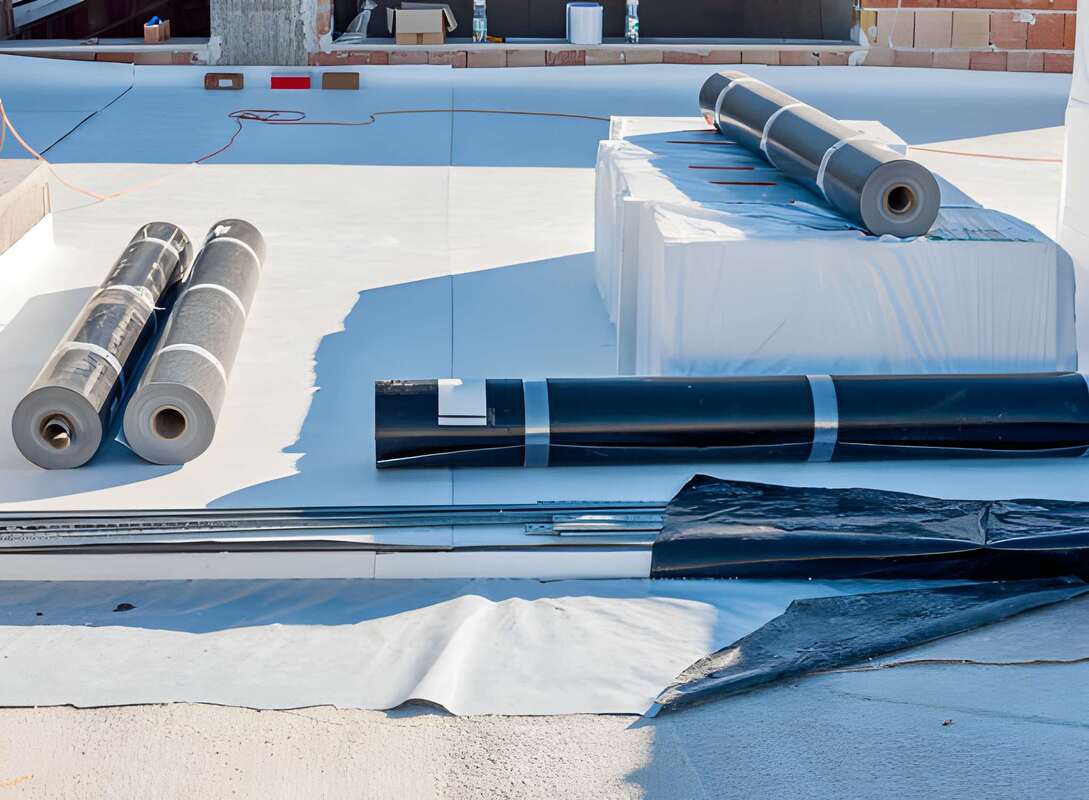
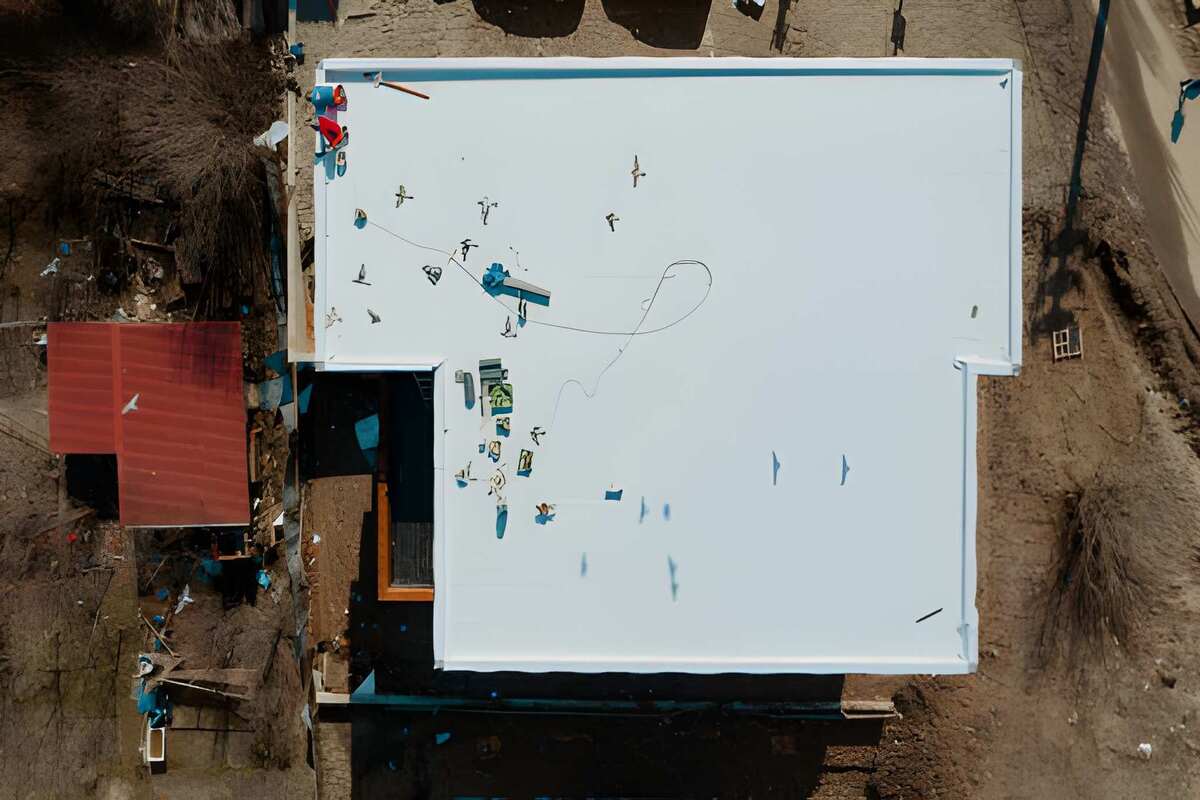
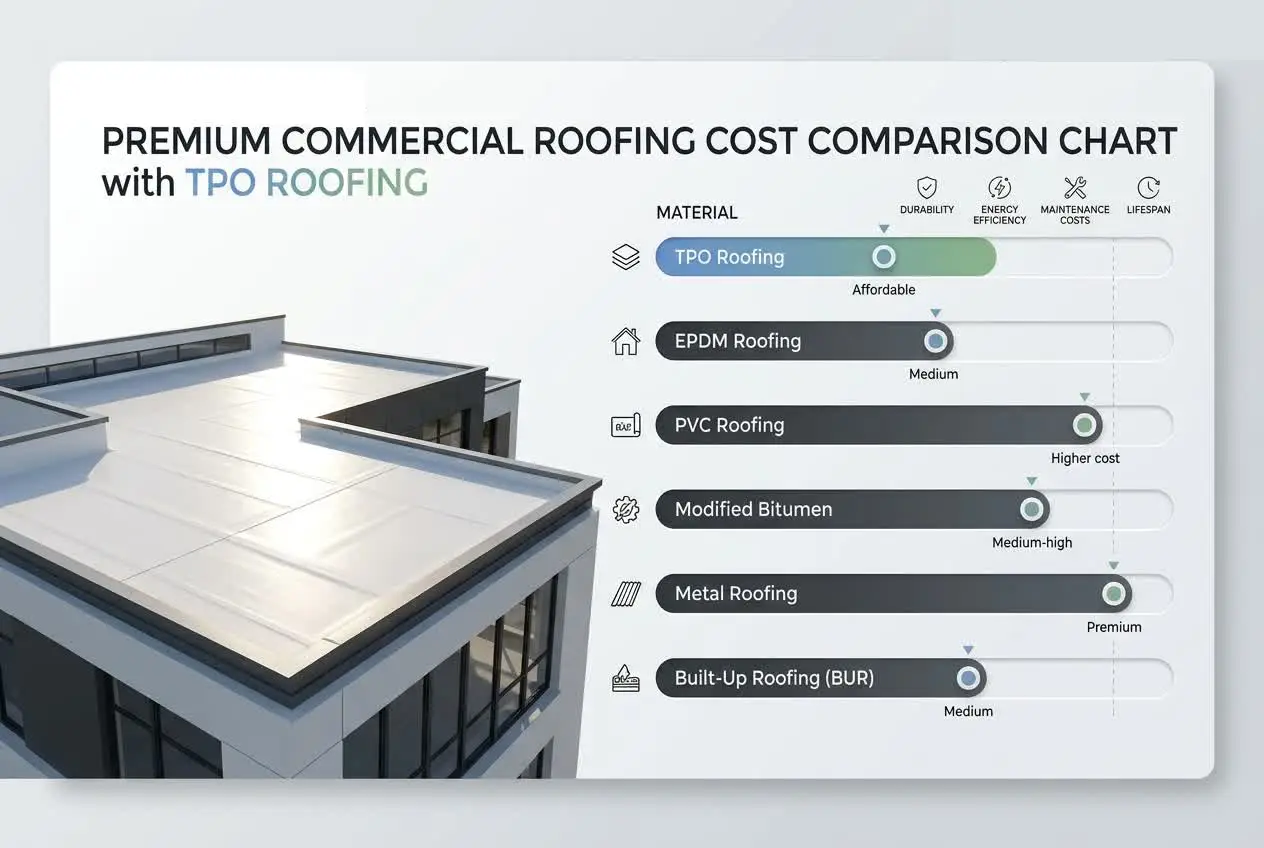
TPO (thermoplastic polyolefin) roof installation costs $5.50 to $8.50 per square foot installed in 2026 for commercial flat roofs,about $27,500 to $42,500 for a 5,000 sq ft building. TPO is the most popular commercial flat-roofing material in the US because it is white (reflective), heat-weldable, and lasts 20-30 years. Cost varies with membrane thickness (45 mil, 60 mil, 80 mil), insulation R-value, and attachment method (mechanically-fastened, fully-adhered, or ballasted).
Average Cost Breakdown
The table below summarizes 2026 pricing across the most common configurations. Costs include both materials and professional labor.
Option
2026 Price Range
Notes
TPO 45 mil (lightest, shortest warranty)
$5.50 – $6.50/sq ft
15-yr warranty
TPO 60 mil (standard commercial)
$6.50 – $7.50/sq ft
20-yr warranty
TPO 80 mil (premium thick)
$7.50 – $8.50/sq ft
25-30 yr warranty
Mechanically-fastened install
+$0
Most common method
Fully-adhered install
+$0.50 – $1.20/sq ft
Better wind uplift
Tear-off + new TPO (existing roof)
+$1.50 – $2.50/sq ft
Disposal labor + landfill
Polyiso insulation (per inch R-6)
+$0.80 – $1.40/sq ft
Code typically requires R-25+ total
Advertisement
What Drives the Cost
The total price comes down to five main factors. Understanding each helps you spot when a contractor’s quote is reasonable,and when it is padded.
Membrane thickness
60 mil is standard for most commercial buildings. 80 mil is recommended for high-traffic roofs (HVAC equipment, satellite dishes) and extends warranty by 5-10 years.
Insulation requirements
Most US codes require R-25 to R-30 of insulation under TPO. That is 4-5 inches of polyiso, adding $4-$6 per sq ft if your existing insulation needs upgrading.
Attachment method
Mechanically-fastened is cheapest. Fully-adhered costs 15-25% more but performs better in high-wind zones (FL, gulf coast). Ballasted is rare in new installs because it complicates re-roofing later.
Edge details + flashing
Heat-welded seams and reinforced perimeter flashing add quality but cost. Budget $1.50-$3 per linear foot of roof edge for proper terminations.
Crane / equipment rental
Buildings 3+ stories often require a crane to lift materials. Adds $1,500-$4,000 per day depending on equipment.
How to Save Money on This Project
Most homeowners can shave 10-25% off the quoted price by following a few simple practices:
Get at least 3 written quotes from licensed local contractors. Pricing varies dramatically,the lowest and highest quotes on the same job often differ by 40%.
Schedule in the off-season. Late winter (February-March) and late fall (October-November) prices are 10-20% lower than peak summer.
Bundle with other roof work. If you need other repairs (gutters, flashing, ventilation), bundle them,contractors discount bundled jobs because the setup labor is fixed.
Check for insurance coverage. Storm-related damage is usually covered. Filing a claim within the policy window is critical.
Verify the contractor’s license and insurance before signing. Use our contractor directory to find verified local pros.
Advertisement
DIY vs Professional Installation
Some homeowners attempt this project DIY to save on labor. Here is when that makes sense,and when it does not. DIY makes sense if: the scope is small (a single repair or patch), you have construction experience, you own or can rent the safety equipment (harness, ladder, scaffold), and the warranty does not require professional installation. Hire a professional if: the scope involves more than 30% of the roof, the roof pitch exceeds 6:12, the manufacturer requires professional installation for warranty validity, your homeowners insurance will not cover DIY work, or you are not comfortable working at height. Most professional roofers refuse to warranty work they did not install themselves, so DIY also forfeits future workmanship warranties.
Get a Real Estimate for Your Project
Want a 2-minute estimate tailored to your specific situation? Use our free roofing cost calculator,it uses your roof size, material choice, and ZIP code to give you a price range based on real 2026 contractor data. For comparison shopping, the contractor directory lists verified roofers near you with reviews and contact info.
Considering TPO roof costs is crucial for anyone planning a roof installation or replacement in 2026. By understanding the costs per square foot, the types of thickness available, and the many benefits of TPO roofing, homeowners and commercial building owners can make informed choices. While costs can vary, long-term savings in energy efficiency and durability are significant. As you evaluate your options, take the time to consult with reliable roofing professionals. They can provide tailored insights based on local market conditions and your specific requirements.
Plan Your Roofing Project
Use our free calculator to estimate costs, then connect with trusted roofing experts for a fast, honest quote.
Factors include installation complexity, geographical location, material quality, and additional features like insulation.
How long does a TPO roof last?
A well-installed TPO roof can last 20 years or more, making it a durable option for both residential and commercial applications.
Is TPO roofing energy efficient?
Yes, TPO roofing systems are recognized for their energy efficiency as they reflect sunlight, which can help reduce cooling costs.
Can I install a TPO roof myself?
While some homeowners may choose to install a TPO roof themselves, hiring a professional is advisable for proper installation and warranty coverage. Learn more about TPO roofing installation. See our comparison of different roofing materials. “`
Asphalt Shingles Cost Guide 2026: Installed Price by Grade
Asphalt Shingles Cost Guide 2026: Installed Price by Grade
Asphalt shingles cost can be a significant factor in your roofing project. Understanding these costs is crucial to making an informed decision. With the right knowledge about asphalt shingles prices, you can budget effectively and choose the best option for your home. This guide dives deep into the various factors that can influence the cost of asphalt shingles. You’ll learn about different grades, installation costs, and what to expect when selecting shingles for your roof. By the end, you will have a clear understanding of prices and options, helping you make a smart and informed choice for your roofing needs. In this comprehensive guide, we’ll explore the average costs of asphalt shingles, the factors affecting these prices, and provide tips on selecting the right shingles. Additionally, you’ll discover insights on installation costs and how different grades impact pricing, ensuring you have all the information you need.
Understanding Asphalt Shingles Costs
Asphalt shingles cost can vary widely based on multiple factors. The type of shingles, labor costs, and geographical location make significant contributions to the overall expense. Generally, you can expect to pay between $90 and $1000 per square for the materials alone, depending on the quality of shingles you choose.
Types of Asphalt Shingles
The primary types of asphalt shingles are three-tab, dimensional (architectural), and luxury shingles. Each type varies in cost and aesthetic appeal, and they also affect installation costs.
Three-Tab Shingles
Three-tab shingles are the most affordable option. Their cost typically ranges from $90 to $300 per square. While they offer basic protection and have a uniform appearance, they are less durable compared to higher-grade options.
Dimensional Shingles
Dimensional shingles provide a more textured look and greater durability. Their costs range from $300 to $600 per square. Many homeowners favor these shingles for their enhanced architectural appearance and improved longevity.
Luxury Shingles
Luxury shingles mimic higher-end materials and cost between $600 to $1000 per square. They offer superior durability and are typically backed by longer warranties, making them a great investment for those looking for aesthetics and longevity.Breakdown of asphalt shingles pricing for different qualities.
Factors Affecting the Cost of Asphalt Shingles
Besides the type of shingles, several factors can influence the asphalt shingles cost for installation. Understanding these can help you plan better.
Location
Your geographical location plays a significant role in pricing. Regions with a higher cost of living usually have increased labor and material prices. For instance, urban areas may charge more than rural settings.
Roof Size and Complexity
The size of your roof significantly affects the overall cost. Larger roofs require more shingles and longer installation times. Additionally, complex roof designs, such as those with multiple slopes or angles, can lead to higher labor costs and longer installation times.
Installation Costs
Labor costs vary depending on where you live. On average, you might pay between $50 to $150 per hour for roofing labor. It’s crucial to get multiple quotes to ensure you’re getting a fair deal.Aerial view showcasing freshly installed asphalt shingles.
Average Installed Costs of Asphalt Shingles
When assessing asphalt shingles cost, it’s essential to consider both materials and installation expenses. Below is an average breakdown of the total costs:
Shingle Type
Material Cost (Per Square)
Installation Cost (Per Square)
Total Cost (Material + Installation)
Three-Tab
$90 – $300
$50 – $100
$140 – $400
Dimensional
$300 – $600
$75 – $150
$375 – $750
Luxury
$600 – $1000
$100 – $200
$700 – $1200
As seen in the table, choosing higher-quality shingles can significantly increase your initial investment, but they often pay off in durability and aesthetics.
Tips for Reducing Asphalt Shingles Cost
While asphalt shingles cost can be formidable, there are effective strategies to reduce your expenses.
Compare Quotes: Always get multiple quotes from roofing contractors to find the best price.
Choose Off-Season: Scheduling your roofing project during the off-season can save costs due to lower demand.
Consider DIY Installation: If you’re handy, consider installing the shingles yourself, which can save on labor costs.
Look for Discounts: Many suppliers offer seasonal discounts or bulk pricing, so it pays to shop around.
Key factors influencing asphalt shingles cost Understanding the asphalt shingles cost is vital for any homeowner planning a roofing project. By examining various factors, types of shingles, and potential costs, you can make an informed decision that suits your budget and needs. Always remember to invest the time to research and compare options. This ensures you select a roofing solution that not only fits your budget but also enhances your home’s value.
Plan Your Roofing Project
Use our free calculator to estimate costs, then connect with trusted roofing experts for a fast, honest quote.
Asphalt shingles are a popular roofing material made from fiberglass or organic felt, coated with asphalt and granules that provide weather protection.
How much do asphalt shingles typically cost?
The cost of asphalt shingles can range from $90 to $1000 per square, depending on the type and quality of shingles.
How long do asphalt shingles last?
Depending on the quality, asphalt shingles typically last between 20 to 30 years.
What factors affect the cost of installing asphalt shingles?
Factors include the type of shingles, geographical location, roof size and complexity, and labor costs.
Is it worthwhile to install higher-grade shingles?
Higher-grade shingles often provide better durability and longer warranties, making them a worthwhile investment, especially in extreme weather areas.
Metal Roofing Trends 2026: Best Colors, Costs, and Why More Homeowners Are Switching
Metal Roofing Trends 2026: Best Colors, Costs, and Why More Homeowners Are Switching
Table of Contents
The metal roofing trends 2026 landscape tells a clear story: metal has crossed from niche upgrade to mainstream residential choice. According to the Metal Roofing Alliance, metal now accounts for nearly 15 percent of all residential roofing installations in the United States , up from under 5 percent a decade ago. Homeowners who once defaulted to asphalt shingles are switching, and the reasons go well beyond durability. In 2026, metal roofing means bold color options, energy savings you can measure on your utility bill, and a lifespan that outlasts the mortgage on most homes.
The timing matters too. Several forces have converged in 2026 to make metal roofing more accessible than it has ever been. Supply chain disruptions that inflated panel prices through 2022 and 2023 have largely resolved, bringing installed costs back to competitive levels. The federal energy-efficiency tax credit under 26 USC 25C now offers homeowners up to 30 percent back on qualifying cool-roof metal systems , a direct reduction on your tax bill, not just a deduction. And insurance companies in storm-prone states like Texas, Florida, and Colorado are increasingly offering premium discounts for metal roofs rated for hail and high-wind resistance, sometimes saving $400 to $800 per year.
The product itself has changed dramatically. Metal roofing used to mean one thing: silver corrugated panels on a barn. The metal roofing trends 2026 market looks nothing like that. Standing seam panels in matte charcoal or aged bronze. Stone-coated steel that is genuinely difficult to distinguish from clay tile at street level. Snap-lock profiles that a skilled DIYer can install without specialized tools. PVDF coating systems that hold their color for 30 years without fading. The aesthetics and performance gap between metal and premium asphalt has closed , and in most categories, metal has pulled ahead.
This guide covers every dimension of metal roofing trends 2026 that matters to a homeowner making a purchasing decision: the color palettes leading installations this year, how standing seam and corrugated profiles compare for different budgets and home styles, the energy efficiency technologies driving adoption, real installed cost data by panel type, and the specific questions you should ask any contractor before signing. By the end, you will have a clear answer to the question every homeowner asks: is 2026 the right time to make the switch?
Why Metal Roofing Is Surging in Popularity
Metal options now account for roughly 15% of the residential roofing market, up from less than 3% two decades ago, according to the Metal Roofing Alliance. Homeowners are increasingly drawn to metal’s combination of longevity, low maintenance, and performance in extreme weather. A well-installed metal roof can last 40 to 70 years , compared to 15–20 years for traditional asphalt shingles. Insurance costs are also a growing factor. Many insurers now offer premium discounts for impact- and fire-resistant metal roofing systems, making the long-term financial case even stronger. For homeowners in storm-prone regions, this alone can offset a significant portion of the upfront cost.
Top Metal Roofing Trends 2026: What’s New This Year
Matte charcoal and dark neutral finishes continue to dominate metal roofing trends in 2026 thanks to their modern appearance and long-lasting curb appeal.
In 2026, metal roofing trends are defined by sustainability, smart technology, and design innovation. The metal roofing trends 2026 most worth watching include:
Sustainability and recycled content: Manufacturers are pushing high recycled-content panels and cool roof coatings that reflect heat and reduce cooling energy costs year-round.
Solar-ready standing seam systems: Solar panels now clip directly onto seam profiles with no roof penetration required, making renewable energy adoption cleaner and cheaper.
Bold colors and textures: Matte black, charcoal grey, forest green, terracotta red, and copper finishes are trending. Wood-grain and slate-look textures are popular for residential curb appeal.
Smart roofing sensors: Embedded sensors detect water infiltration, monitor snow loads, and send maintenance alerts directly to homeowners.
Prefabricated modular panels: Pre-engineered systems reduce installation time and labor costs while supporting custom architectural designs.
Advanced PVDF and ZAM coatings: Kynar and Zinc-Aluminum-Magnesium alloy coatings extend roof lifespan to 50 years or more with minimal upkeep.
Storm Resistance: Metal Roofing Trends 2026 Built for Extreme Weather
Climate change is driving more severe weather events, and roofing must adapt. Metal roofing leads the field in extreme weather performance. Upgraded fastening systems improve wind uplift resistance against hurricane-force winds, while high-quality steel panels offer strong protection against hail and falling debris. In wildfire-prone areas, metal roofing provides superior fire resistance , a key reason adoption is accelerating across the western United States. Improved fastening systems introduced in 2026 also better accommodate thermal expansion and contraction, a common source of long-term issues with older installations. This makes today’s systems quieter and more durable over decades of use. According to the National Roofing Contractors Association, properly installed metal roofs regularly outperform all other residential roofing types in extreme weather testing.
How Much Does a Metal Roof Cost in 2026?
Cost remains the primary hesitation for homeowners. Here’s a realistic breakdown for 2026:
Metal shingles: $310–$500 per square (100 sq ft) , roughly $6,200–$10,000 in materials for a 2,000 sq ft roof
Full installation average: $14,400–$38,400 depending on material, roof complexity, and region
Mid-range typical project: Around $26,500 for a standard home
Asphalt shingles comparison: $1,000–$6,000 in materials , but replacements every 15–20 years add up significantly
Over a 50-year horizon, metal roofing almost always wins on total cost of ownership. Factor in lower energy bills from reflective coatings, reduced maintenance, potential insurance discounts, and higher resale value , and the economics shift clearly in metal’s favor.
What to Expect During Installation
Modern metal roof installation has become significantly faster thanks to on-site roll forming, which produces panels of exact length on-site , eliminating waste and reducing seams. Most residential projects are completed in 2 to 4 days. Because metal roofing is lighter than asphalt shingles, it often places less structural stress on older homes. Before installation day, your contractor will assess ventilation needs, existing decking condition, and insulation requirements. Ask specifically about cool roof certification options available in your area, as these can qualify you for energy rebates in many states.
Is 2026 the Right Time to Make the Switch?
A modern home showcasing the durability and aesthetic appeal of premium standing seam metal roofing
With energy costs rising, extreme weather events intensifying, and metal roofing designs more attractive than ever, the metal roofing trends of 2026 make a compelling case for switching. The technology has matured, costs have become more competitive, and the long-term benefits are well-documented. Whether replacing an aging asphalt roof or building new, metal roofing is now a smart lifetime investment , not just another renovation expense. Ready to explore your options? Get a free estimate from a certified metal roofing contractor in your area and see what the right system would cost for your home.
Top Metal Roof Colors Trending in 2026
When tracking metal roofing trends 2026, color innovation tops the list of what is changing fastest. Color choice has become one of the biggest selling points in metal roofing. Homeowners are moving away from the traditional bare galvalume and corrugated grey toward finishes that complement modern and transitional architectural styles. Here are the colors that installers and suppliers report as their top sellers in 2026:
Color Family
Popular Shades
Best Architectural Style
Energy Benefit
Charcoal / Slate
Charcoal Gray, Slate Blue, Matte Black
Modern, Contemporary
Moderate (darker absorbs heat)
Earth Tones
Aged Copper, Bronze, Weathered Wood
Traditional, Craftsman
Moderate
Cool Whites & Creams
Polar White, Ivory, Light Stone
Coastal, Mediterranean
High (reflects up to 70% solar heat)
Forest Greens
Evergreen, Hunter, Patina Green
Rural, Mountain, Farmhouse
Moderate
Terracotta & Reds
Rustic Red, Brick, Burnt Sienna
Spanish, Southwestern
Low
Matte finishes are pulling ahead of glossy in 2026. They show fewer scratches over time, reduce glare for neighbors, and give roofs a more natural, textured look that blends with landscaping. Most major manufacturers , metal roofing panels from MBCI, McElroy, and ABC Supply , now offer matte-finish PVDF coatings as a standard option.
Standing Seam vs. Corrugated: Which Is Trending More?
Both profiles are growing, but for different markets. Standing seam continues to dominate high-end residential and commercial applications. Corrugated and exposed-fastener panels are surging in the agricultural and budget residential segments.
Standing seam metal roofing remains one of the most popular premium roofing systems due to its durability, weather resistance, and clean appearance.
Standing Seam
Standing seam panels interlock at raised seams, hiding all fasteners. This gives a clean, modern profile with no exposed screws to fail over time. In 2026, snap-lock standing seam has become increasingly popular for DIY-friendly residential installs , it requires fewer specialized tools than mechanically seamed systems. Expect to pay $12 to $20 per square foot installed for quality standing seam on a residential home , making it the premium choice among metal roofing trends 2026 profiles.
Corrugated and Exposed-Fastener Panels
These panels cost significantly less , $5 to $10 per square foot installed , and are perfectly adequate for garages, barns, sheds, and budget residential reroofs. The trend in 2026 is using corrugated panels with a premium color coating to achieve a farmhouse or industrial aesthetic at a fraction of the standing seam cost.
Energy Efficiency: The Biggest Driver of Metal Roof Adoption
No single factor defines metal roofing trends 2026 more than energy efficiency. In states with high cooling costs , Florida, Texas, Arizona, California , energy savings have become the primary reason homeowners switch to metal. A properly installed metal roof with a cool-roof certified coating can reduce cooling costs by 10 to 25 percent compared to dark asphalt shingles.
Two specific technologies are driving this trend in 2026:
PVDF Coating Systems
Polyvinylidene fluoride (PVDF) coatings , sold under brand names like Kynar 500 and Hylar 5000 , offer superior UV resistance and color retention compared to older polyester finishes. A PVDF-coated metal roof retains 95 percent of its original color after 30 years. It is now the standard for any quality installation, not just premium ones.
Reflective Granule-Coated Metal
Some manufacturers now offer stone-coated steel panels with reflective granule technology , giving the look of traditional shingles or tile with the performance of metal. These panels carry Energy Star certification and qualify for the federal energy-efficiency tax credit (26 USC 25C), which in 2026 offers up to 30 percent back on qualifying roofing materials.
What to Ask Your Metal Roofing Contractor in 2026
Before hiring anyone for your metal roofing trends 2026 project, vet them carefully. The metal roofing market has attracted more installers in recent years, and quality varies significantly. Before hiring anyone, ask these questions:
Do you fabricate panels on-site or use pre-cut lengths? On-site roll-forming minimizes seams and waste on complex roofs.
What coating system does the panel use? Insist on PVDF (Kynar/Hylar) for any color-coated panel , polyester fades in 10-15 years.
What is your fastening method? Hidden fastener systems outlast exposed-fastener systems significantly in wet climates.
How do you handle thermal expansion? Metal expands and contracts. Panels need floating clips or slotted holes, not rigid fasteners, to prevent buckling.
What underlayment do you use under metal? Standard felt is inadequate. Synthetic underlayment or a self-adhering membrane is the right call.
Is the warranty backed by the manufacturer or just by you? Manufacturer-backed paint and substrate warranties are more reliable than contractor-only promises.
Ready to Upgrade to a Metal Roof in 2026?
Get a free instant estimate for your home , compare standing seam, corrugated, and stone-coated steel with real 2026 pricing before talking to a single contractor.
No sign-up required • Instant results • 2026 material pricing
FAQ: Metal Roofing Trends 2026
Is metal roofing worth the extra cost in 2026?
For most homeowners planning to stay in their home for 10 or more years, yes. The higher upfront cost is offset by a 40 to 70-year lifespan (versus 20 to 25 years for asphalt shingles), lower maintenance, potential energy savings, and better resale value. Metal roofing can increase home resale value by 1 to 6 percent depending on region and style.
What is the most popular metal roofing color in 2026?
Charcoal gray and matte black continue to dominate in modern and contemporary homes, while aged bronze and weathered copper finishes lead in traditional residential styles. Coastal markets are seeing strong demand for white and light stone colors due to their heat-reflective properties and HOA approval rates.
Can you install metal roofing over existing shingles?
Yes, in many cases. Most building codes allow one layer of metal roofing over existing shingles, provided the roof deck is structurally sound. This saves demolition and disposal costs. Read our full guide on compare metal roofing types for the complete process and when it is and is not advisable.
How long does a metal roof installation take?
A standard residential metal roof replacement typically takes 2 to 5 days for a crew of 3 to 4 experienced installers. Complex roofs with multiple valleys, dormers, or skylights can take 7 to 10 days. Weather delays are common since metal panels should not be installed in wet conditions.
Landmark Pro Shingles: Pricing, Features & Install Guide
Landmark Pro Shingles: Pricing, Features & Install Guide
In the vibrant neighborhoods of New York City, where architectural diversity meets relentless weather challenges, Landmark Pro Shingles emerge as a beacon of roofing reliability. Designed for exceptional strength and aesthetic versatility, these shingles are crafted to withstand the region’s demanding climate while elevating the curb appeal of residential and commercial structures alike. Whether you’re renovating a historic brownstone or building a modern loft, understanding the unique advantages of Landmark Pro Shingles is essential for making informed roofing decisions. Their advanced granule technology and tailored formulation make them a top choice for contractors and homeowners prioritizing longevity and performance in New York’s dynamic urban landscape. Let’s delve into what sets these shingles apart and why they’re increasingly favored in one of the world’s most iconic cities. Confidently navigate winter. This on-page guide breaks down how Landmark Pro shingles are engineered to resist high winds and heavy snow loads, as demonstrated by our team on this actual job site.
Key Features of Landmark Pro Shingles: A Guide to Superior Durability
Landmark Pro Shingles boast a suite of features engineered to deliver unmatched protection and style. Their multi-layered construction includes a robust base mat, recycled asphalt polymers, and ceramic-coated granules designed to resist cracking, algae growth, and UV degradation. One standout quality is their High Wind Resistance, tested up to 130 mph, making them ideal for NYC’s occasional storms. The shingles also incorporate advanced waterproofing layers, reducing the risk of leaks during heavy rain or melting snow. Aesthetically, they offer a wide array of color profiles, from rustic browns to sleek blacks, ensuring seamless integration with diverse architectural styles. Installers often highlight their nail compatibility, as the reinforced top surface remains flexible even in extreme cold, minimizing fastener failure in New York’s harsh winters. This complex close-up visual analyzes the specific mechanism of S sure algae-resistant technology on Landmark Pro shingles, detailing how integrated ceramic and copper granule technology prevents algae growth, based on a field test in a humid NYC district.
Algae Resistance
A distinguishing trait of Landmark Pro Shingles is their algae-resistant S sure technology. The Ceramic S Sure mat embedded in the shingle’s base layer prevents the unsightly black streaks caused by Gloeocapsa magma, a common issue in humid climates. This feature not only preserves curb appeal but also extends roof lifespan by up to 20%, per manufacturer claims. For NYC homeowners, this translates to fewer maintenance costs and improved property value over time.
Wind and Weather Durability
Field tests by the Underwriters Laboratories (UL) confirm that Landmark Pro Shingles endure sustained winds surpassing industry standards. Their dual-layer upper surface prevents granule dislodgment, a critical factor during winter freeze-thaw cycles. This resilience aligns perfectly with the roofing requirements of New York’s coastal zones, where salt spray and heavy precipitation pose additional challenges.
How Landmark Pro Shingles Compare to Competitors: Expert Insights
When stacked against competitors like Owens Corning Duration or GAF Timberline, Landmark Pro Shingles hold their own in critical categories. Their 30-year limited warranty matches GAF’s top-tier offerings, while the included free Class 4 impact resistance upgrades add value for areas prone to hail. Contractors in Brooklyn often note their ease of installation due to pre-cut notches and adhesive-friendly backing, a perk that saves labor hours compared to thinner alternatives. However, some builders caution that entering the base mat can cause minor dimpling in hard-packed clay soils, a consideration for basement-level installation over granite foundations.
Cost Analysis vs. Long-Term Value
While the upfront cost of Landmark Pro Shingles sits 10–15% higher than standard asphalt shingles, their energy efficiency and 30-year guarantee make them a cost-effective long-term investment. Solar reflectance ratings of 0.22 (compared to 0.09 in basic asphalt) reduce cooling costs in New York summers, a factor that resonates with eco-conscious consumers in Greenwich Village and Williamsburg.
Landmark Pro Shingles Review: Real Experiences from New York Homeowners
Many residents across Manhattan’s Upper East Side report transformative results after upgrading their roofs with Landmark Pro Shingles. Maria L., a teacher in Prospect Park, shared, *“After last winter’s blizzard, I worried my shingles would warp, but they stayed intact, zero leaks, no repairs needed!”* Similarly, a contractor in Staten Island praised their nailing consistency in -15°F conditions: *“The self-sealing strips worked flawlessly, even when temperatures plummeted.”* However, one Brooklyn resident noted that while the shingles repelled rain, they didn’t fare as well against pigeon droppings, a potential care-for-content requirement in urban areas.
Professional Insights from NYC Roofers
Local roofing experts emphasize the shingles’ nail convenience as a game-changer. Unlike standard asphalt shingles, Landmark Pro’s flexible base layer allows for easier fastener placement without over-driving, a key advantage when working at height in cramped urban conditions. Additionally, their pre-weathered appearance eliminates patchy discoloration, a uniform look favored by architects designing modern façades.
Maintenance Tips for Landmark Pro Shingles: Keeping Your Roof Pristine
Architectural analysis of Landmark Pro shingle installation on a complex Brooklyn brownstone roof design. To maximize the lifespan of Landmark Pro Shingles, homeowners should adopt these maintenance practices:
– Inspect twice yearly for cracked granules or uplifted edges, especially after storms.
– Clear debris from valleys and gutters to prevent water pooling, a critical step for flat-roofed structures in Long Island City.
– Apply S sure treatment annually if moss grows in shaded areas, using a manufacturer-approved applicator.
– Trim overhanging branches within 15 feet of the roof edge to prevent abrasion damage.
These steps align with New York’s climate challenges, particularly in mitigating winter ice dams and spring leaf buildup.
Warranty and Support Services
The manufacturer’s 30-year warranty covers material defects, including granule wear and layer delamination. For registration, proof of installation by a certified contractor is required, a small hurdle avoided by using local pros familiar with NYC building codes. Prompt claim processing within 14 days is reported, faster than regional competitors.
Final Thoughts: Why Landmark Pro Shingles Are a New York Favorite
In summary, Landmark Pro Shingles combine durability, style, and adaptability, essential traits for New York’s eclectic rooftops. From their algae-resistant granules to their high-wind performance, they address the unique challenges of urban and coastal zones. Whether you’re a Brooklyn contractor seeking reliability or a homeowner prioritizing curb appeal in a competitive market, these shingles offer a compelling blend of form and function. Ready to upgrade your roof? Explore certified installers and warranty details [here](https://real-domain.com/landmark-warranty-nyc) to start your roof’s transformation today.
🏠
Ready to Start Your New Shingle Roof?
Get a free estimate from a certified roofing contractor. We’ll help you choose the right brand and roofing materials for your home, climate, and budget: with a no-obligation 2026 installed price. Once installation is complete, most municipalities require a roofing Certificate of Occupancy (COP) before the project is officially closed out.
Roofing content specialist with 5+ years researching U.S. residential and commercial roofing. Has documented 200+ projects covering installation costs, material selection, contractor vetting, and DIY guides for homeowners across all climate zones.
Best Roof Shingles Brands of 2026 | Complete Buyer’s Guide
Best Roof Shingles Brands of 2026 | Complete Buyer’s Guide
Table of Contents
The best roof shingles brands in 2026 are GAF, Owens Corning, CertainTeed, TAMKO, and Atlas. Each of these roofing materials manufacturers , members of the National Roofing Contractors Association , offers a full range of architectural shingles for a new shingle roof: from entry-level 3-tab options to Lifetime warranted laminated products. Choosing between roof shingles brands comes down to four factors: warranty coverage, cost per square, durability rating, and contractor availability in your region. After your shingles are installed, ensure your contractor guides you through the roofing COP inspection process to pass your final building inspection.
This roof shingles brands guide is built for homeowners planning a new shingle roof in 2026: whether you are replacing an aging asphalt roof, upgrading from a discontinued brand like ELK or Certainteed Landmark, or comparing roofing materials for the first time. The sections below rank every major brand by the criteria that matter most, including a full cost comparison table, warranty breakdown, and a free estimate CTA to connect you with a local certified contractor.
Best Roof Shingles Brands in 2026: Top 6 Manufacturers Ranked for 2026
All six of the leading roof shingles brands manufacture fiberglass-reinforced asphalt architectural shingles: the most widely installed roofing material in North America. Here is how they rank across the key buying criteria:
ide-by-side comparison of major roof shingles brands for 2026 in a clean buyer’s guide layout.
Brand
Best Product
Warranty
Cost / Square
Best For
GAF
Timberline HDZ
Lifetime + WindProven™
$140–$165
Best overall value
Owens Corning
Duration Series
Lifetime limited
$150–$175
Color range & SureNail®
CertainTeed
Landmark Pro
Lifetime limited
$155–$180
Premium aesthetics
TAMKO
Heritage Series
Lifetime limited
$120–$150
Budget-conscious
Atlas
Pinnacle Pristine
Lifetime limited
$140–$170
Algae resistance
Malarkey
Vista AR
Lifetime limited
$160–$190
Eco-friendly / rubberized
Roof Shingles Brands: Quick Comparison Table
Before diving into the full reviews, here is a side-by-side comparison of the six top brands across the factors that matter most to homeowners:
Brand
Price Range (per square)
Warranty (architectural)
Best For
Algae Resistance
GAF
$90 – $130
Lifetime limited
Overall value + wide availability
StainGuard Plus (25 yr)
Owens Corning
$95 – $135
Lifetime limited
Color range, Platinum contractors
WeatherGuard HP
CertainTeed
$100 – $145
Lifetime SureStart
Premium aesthetics, SureStart warranty
StreakFighter (10 yr)
TAMKO
$75 – $105
30-year limited
Budget without sacrificing durability
Standard
Atlas
$85 – $120
Lifetime limited
Algae resistance, Scotchgard
Scotchgard (25 yr)
Malarkey
$105 – $150
Lifetime limited
Eco-friendly, recycled content
NEX polymer
Price per square (100 sq ft) is for materials only. Installed labor typically adds $150 to $350 per square depending on your region and roof complexity. Use our shingle calculator to estimate how many squares your roof needs.
How We Ranked These Brands
We evaluated each brand across six criteria, weighted by importance to the typical homeowner making a 20 to 50-year roofing decision:
Warranty coverage (30%): Length, proration terms, labor inclusion, and transferability
Material quality (25%): Wind rating, impact resistance, granule adhesion, and algae warranty length
Contractor availability (20%): Whether certified installers are widely available in your region , a great shingle with no qualified local installer is a problem
Color and style range (10%): Number of architectural options, designer lines, and regional exclusives
Price-to-value ratio (10%): How much you get at each price point relative to competitors
Company stability (5%): Years in business, financial backing, and likelihood of being around to honor 50-year warranties
Roof Shingles Brands: Quick Comparison Table
Before diving into the full reviews, here is a side-by-side comparison of the six top brands across the factors that matter most to homeowners:
Brand
Price Range (per square)
Warranty (architectural)
Best For
Algae Resistance
GAF
$90 – $130
Lifetime limited
Overall value + wide availability
StainGuard Plus (25 yr)
Owens Corning
$95 – $135
Lifetime limited
Color range, Platinum contractors
WeatherGuard HP
CertainTeed
$100 – $145
Lifetime SureStart
Premium aesthetics, SureStart warranty
StreakFighter (10 yr)
TAMKO
$75 – $105
30-year limited
Budget without sacrificing durability
Standard
Atlas
$85 – $120
Lifetime limited
Algae resistance, Scotchgard
Scotchgard (25 yr)
Malarkey
$105 – $150
Lifetime limited
Eco-friendly, recycled content
NEX polymer
Price per square (100 sq ft) is for materials only. Installed labor typically adds $150 to $350 per square depending on your region and roof complexity. Use our shingle calculator to estimate how many squares your roof needs.
How We Ranked These Brands
We evaluated each brand across six criteria, weighted by importance to the typical homeowner making a 20 to 50-year roofing decision:
Warranty coverage (30%): Length, proration terms, labor inclusion, and transferability
Material quality (25%): Wind rating, impact resistance, granule adhesion, and algae warranty length
Contractor availability (20%): Whether certified installers are widely available in your region , a great shingle with no qualified local installer is a problem
Color and style range (10%): Number of architectural options, designer lines, and regional exclusives
Price-to-value ratio (10%): How much you get at each price point relative to competitors
Company stability (5%): Years in business, financial backing, and likelihood of being around to honor 50-year warranties
Roof Shingles Brands: Detailed Reviews
1. GAF: Best Overall Roof Shingles Brand
GAF is North America’s largest roofing manufacturer and the most widely installed of all roof shingles brands. Its flagship Timberline HDZ features LayerLock® Technology, a StrikeZone® nailing area, and the industry’s only WindProven™ unlimited wind warranty: making it the safest all-around choice for most new shingle roof installations. GAF’s certified contractor network is the most extensive in the U.S., which means competitive local pricing and warranty-backed labor are easier to access than with smaller brands. See our full GAF Timberline HDZ review →
2. Owens Corning: Best Color Range
Owens Corning’s Duration Series is the primary competitor to GAF Timberline HDZ among roof shingles brands. Its SureNail® Technology: a reinforced fabric strip in the nailing zone: offers a similar accuracy benefit to GAF’s StrikeZone® but with a different engineering approach. Owens Corning offers one of the widest roofing materials color palettes in the industry, with over 20 standard colors in the Duration and TruDefinition lines, making it the preferred choice for homeowners who prioritize exterior color coordination on a new shingle roof.
3. CertainTeed: Best Premium Aesthetics
CertainTeed’s Landmark Pro and Landmark Premium lines sit at the premium end of asphalt roofing materials. The brand is especially strong in the Northeast and Mid-Atlantic U.S. where its contractor network is well established. CertainTeed’s SureStart Plus™ warranty program provides up to 25 years of non-prorated labor and material coverage when installed by a ShingleMaster™ certified contractor: one of the strongest labor warranty terms among all roof shingles brands.
4. TAMKO: Best Budget Roof Shingles Brand
TAMKO’s Heritage Series is the go-to choice among roof shingles brands for homeowners with a tighter budget who still want a Lifetime warranted architectural shingle. At $120–$150 per square for materials, TAMKO consistently comes in 15–25% below GAF and Owens Corning pricing without sacrificing the core dimensional look of a laminated shingle. TAMKO is most widely available in the South and Midwest, where its distribution network is strongest.
5. Atlas: Best for Algae Resistance
Atlas Roofing’s Pinnacle Pristine line includes Scotchgard™ Protector technology: a 3M-licensed algae-resistance treatment baked into the roofing materials at the manufacturing stage. For homeowners in humid climates prone to black streak algae growth: the Southeast, Pacific Northwest, and Gulf Coast: Atlas is one of the most practical roof shingles brands to consider. Atlas offers a Lifetime limited warranty on Pinnacle Pristine and its HP42™ hip-and-ridge accessory is compatible with most new shingle roof applications.
6. Malarkey: Best Eco-Friendly Option
Malarkey is the smallest of the major roof shingles brands but earns its place on this list through its NEX® polymer-modified asphalt: a rubberized compound that improves impact resistance, flexibility in cold climates, and longevity. Malarkey shingles are STAR® rated for environmental performance and are made with a portion of recycled content. At $160–$190 per square, Malarkey is the most expensive entry on this list, but the material quality and environmental credentials make it the top choice among eco-conscious homeowners planning a new shingle roof.
New Shingle Roof Cost by Brand: 2026 Installed Pricing
The total cost of a new shingle roof depends on your home size, roof pitch, local labor rates, and which of the roof shingles brands you choose. These ranges represent fully installed cost: including labor, underlayment, starter strips, and ridge cap: for a standard residential roof replacement in 2026:
Home Size
GAF / Owens Corning
CertainTeed
TAMKO (Budget)
Under 1,000 sq ft
$4,500–$6,500
$5,000–$7,000
$3,800–$5,500
1,000–1,500 sq ft
$6,500–$9,500
$7,000–$10,500
$5,500–$8,000
1,500–2,000 sq ft
$9,500–$13,000
$10,500–$14,500
$8,000–$11,000
2,000–2,500 sq ft
$13,000–$17,000
$14,500–$19,000
$11,000–$15,000
Over 2,500 sq ft
$17,000–$24,000+
$19,000–$26,000+
$15,000–$21,000+
Types of Roofing Materials: Which Shingle Type Is Right for You?
Beyond choosing between roof shingles brands, homeowners also need to select the right shingle type. All major brands offer multiple tiers of roofing materials:
Visual comparison of 3-tab, architectural, designer, and impact-resistant shingles for a new shingle roof in 2026. >Tab Shingles , the most affordable roofing material, flat appearance, 25-year rated lifespan. Best for budget new shingle roof replacements on simple low-slope roofs.
>Architectural / Laminated Shingles: the industry standard for new shingle roof installations. Dimensional layered look, 30-year to Lifetime warranty, available from every major roof shingles brand. >Designer / Luxury Shingles: premium roofing materials mimicking slate, cedar, or high-profile tile. Higher cost ($180–$250 per square) but maximum curb appeal. >Impact-Resistant Shingles: Class 4 UL-rated roofing materials built to resist hail damage. Recommended in hail-prone regions and may qualify for homeowner’s insurance discounts of 20–30%. >Cool Roof / Reflective Shingles: Energy Star-rated roofing materials designed to reflect solar heat. Best for hot southern climates where cooling costs are a major expense.
How to Choose Between Roof Shingles Brands: 5 Questions to Ask
Once you understand the major roof shingles brands, narrowing the choice for your specific new shingle roof comes down to five practical questions:
What is your budget per square?
TAMKO for under $150, GAF or Owens Corning for mid-range, CertainTeed or Malarkey for premium.
What is your climate?
Humid areas need strong algae resistance (Atlas). Wind-prone areas need LayerLock® or SureNail® technology (GAF or Owens Corning). Hail zones need Class 4 impact-resistant roofing materials.
How long do you plan to stay in the home?
Short term: TAMKO or basic GAF. Long term: Lifetime warranted Timberline HDZ or Owens Corning Duration. >Is the warranty transferable?: All major roof shingles brands offer one-time transfer to a subsequent owner. GAF and CertainTeed offer the most comprehensive labor-inclusive warranty programs.
Which brands are your local contractors certified to install?
Warranty coverage is only as strong as the contractor certification behind it. Ask your roofer which roof shingles brands they are factory-certified to install before choosing a brand.
A professional residential roof inspection assesses not just the visible damage in front of you, but the remaining service life of the entire roof system. That distinction is what makes the repair vs. replacement decision defensible.
🏠
Ready to Start Your New Shingle Roof?
Get a free estimate from a certified roofing contractor. We’ll help you choose the right brand and roofing materials for your home, climate, and budget: with a no-obligation 2026 installed price.
Free inspection · No obligation · Licensed & insured
Frequently Asked Questions: Roof Shingles Brands
What is the #1 roof shingles brand in the USA?
GAF is the #1 roof shingles brand in North America by market share and installed volume. Its Timberline HDZ is the best-selling architectural shingle in the U.S. for 2026, backed by the most extensive certified contractor network and the industry’s only WindProven™ unlimited wind warranty.
Which roof shingles brand lasts the longest?
All six major roof shingles brands offer Lifetime limited warranties on their architectural lines, meaning longevity is largely determined by installation quality and climate rather than brand alone. For maximum lifespan in harsh climates, Malarkey’s NEX® rubberized polymer asphalt and CertainTeed’s heavier-weight Landmark Premium are the most durable roofing materials in the mid-to-premium tier.
How much does a new shingle roof cost in 2026?
A new shingle roof costs between $4,500 and $26,000+ fully installed in 2026, depending on home size, roof complexity, brand selection, and regional labor rates. Mid-range GAF or Owens Corning architectural shingles on a 1,500–2,000 sq ft home typically fall in the $9,500–$13,000 range for a full replacement including all roofing materials and labor.
Is GAF better than Owens Corning for a new shingle roof?
Both are excellent roof shingles brands and the choice usually comes down to contractor preference and local pricing. GAF’s Timberline HDZ has the edge in wind warranty coverage with WindProven™, while Owens Corning’s Duration Series offers a wider color palette and the SureNail® reinforced nailing strip. In most markets, competitive quotes from both brands will be within 5–10% of each other for comparable roofing materials.
What roofing materials are best for humid climates?
For humid climates prone to algae growth and moss, the best roofing materials are Atlas Pinnacle Pristine with Scotchgard™ Protector, GAF Timberline HDZ with StainGuard Plus™ 25-year algae protection, or Owens Corning TruDefinition Duration with WeatherGuard® HP Technology. All three provide manufacturer-backed algae resistance: look for a minimum 10-year anti-algae warranty in your roofing materials spec before signing a contract.
{
“@context”: “https://schema.org”,
“@type”: “FAQPage”,
“mainEntity”: [
{
“@type”: “Question”,
“name”: “What is the #1 roof shingles brand in the USA?”,
“acceptedAnswer”: {
“@type”: “Answer”,
“text”: “GAF is the #1 roof shingles brand in North America by market share. Its Timberline HDZ is the best-selling architectural shingle in the U.S. in 2026, backed by the most extensive certified contractor network and the industry’s only WindProven unlimited wind warranty.”
}
},
{
“@type”: “Question”,
“name”: “Which roof shingles brand lasts the longest?”,
“acceptedAnswer”: {
“@type”: “Answer”,
“text”: “All six major roof shingles brands offer Lifetime limited warranties on architectural lines. For maximum lifespan in harsh climates, Malarkey’s NEX polymer-modified asphalt and CertainTeed Landmark Premium are the most durable roofing materials in the mid-to-premium tier.”
}
},
{
“@type”: “Question”,
“name”: “How much does a new shingle roof cost in 2026?”,
“acceptedAnswer”: {
“@type”: “Answer”,
“text”: “A new shingle roof costs between $4,500 and $26,000 or more fully installed in 2026, depending on home size, roof complexity, brand selection, and regional labor rates. Mid-range GAF or Owens Corning shingles on a 1,500 to 2,000 sq ft home typically fall in the $9,500 to $13,000 range.”
}
},
{
“@type”: “Question”,
“name”: “Is GAF better than Owens Corning for a new shingle roof?”,
“acceptedAnswer”: {
“@type”: “Answer”,
“text”: “Both are excellent roof shingles brands. GAF Timberline HDZ has the edge in wind warranty coverage with WindProven, while Owens Corning Duration offers a wider color palette and SureNail reinforced nailing strip. Most markets will see competitive quotes within 5 to 10 percent of each other.”
}
},
{
“@type”: “Question”,
“name”: “What roofing materials are best for humid climates?”,
“acceptedAnswer”: {
“@type”: “Answer”,
“text”: “For humid climates, the best roofing materials are Atlas Pinnacle Pristine with Scotchgard Protector, GAF Timberline HDZ with StainGuard Plus 25-year algae protection, or Owens Corning TruDefinition Duration with WeatherGuard HP Technology. Look for a minimum 10-year anti-algae warranty.”
}
}
]
}
GAF Timberline HDZ Shingles: Colors, Cost & Warranty Guide
GAF Timberline HDZ Shingles: Colors, Cost & Warranty Guide
GAF Timberline HDZ shingles are the best-selling architectural roofing shingle in North America. Manufactured by GAF roofing , the continent’s largest roofing manufacturer , the Timberline HDZ combines LayerLock® Technology, a StrikeZone® nailing area, and 25-year algae protection into a Lifetime limited warranty package. This guide covers every color, full specifications, installed cost in 2026, and warranty details homeowners need before choosing a GAF roofing contractor.
This GAF Timberline HDZ shingles guide is built for homeowners comparing architectural shingle options, contractors quoting a GAF roofing system, and anyone replacing an older shingle brand , including discontinued lines like ELK Prestique , with a modern, warranted product. The sections below follow the decision path in order: what makes the HDZ different, available colors, cost per square, warranty breakdown, and how to get a free local estimate.
GAF Timberline HDZ Shingles , What Makes Them Different?
GAF roofing introduced the Timberline HDZ in 2020 as a major upgrade to its already dominant Timberline HD line. The key engineering advancement is LayerLock® Technology, which mechanically fuses overlapping shingle layers using a proprietary asphalt-to-asphalt bond , creating a monolithic surface that significantly outperforms standard laminated shingles under high wind. The result is the industry’s first wind warranty with no maximum wind speed limitation when installed with four qualifying GAF accessories.
The second major upgrade is the StrikeZone® nailing area , the industry’s widest nail zone, designed for 99.9% accurate nail placement during installation. Improper nailing is the leading cause of shingle blow-off and voided warranties, making this a practical quality-control feature that benefits both the installer and the homeowner. According to GAF’s official Timberline HDZ product page, the shingle also carries a UL Class A fire rating , the highest possible classification for residential roofing.
GAF Timberline HDZ shingles are available in 10+ colors in 2026, from deep Charcoal to warm Weathered Wood. Ask your GAF roofing contractor for physical samples before committing to a color.
GAF Timberline HDZ Colors , Full Range 2026
GAF Timberline HDZ shingles are available in 10 standard colors, with additional regional and bold-definition colors added in recent years. The most widely installed options for residential GAF roofing projects in 2026 are:
> Weathered Wood , warm brown-gray blend, the most popular color in the line and the closest match to discontinued ELK Prestique Weathered Wood
>Charcoal , deep dark gray, the top-selling color for high-contrast modern exteriors>Barkwood , warm medium brown with earthy character, suits craftsman and colonial styles>Birchwood , lighter tan tone, ideal for neutral and white exterior color palettes>Pewter Gray , cool mid-gray, popular for contemporary and transitional homes>Shakewood , dimensional cedar-shake appearance in a deep brown blend>Hickory , rich warm brown for traditional home styles>Slate , a cooler gray-blue tone that mimics natural slate at a fraction of the cost>Mission Brown , a deep, saturated brown for homes with warm brick or stone exteriors>Hunter Green , the classic dark green option for traditional and colonial architecture
GAF also introduced the Bold Definition Color Collection in January 2026, adding four new colors , Chestnut Valley, Cliffsides, Mission Brown, and Sierra Sand , expanding the palette further for homeowners seeking more distinctive GAF roofing aesthetics.
GAF’s Bold Definition Color Collection (January 2026) adds four new Timberline HDZ colors — Chestnut Valley, Cliffsides, Mission Brown, and Sierra Sand, expanding the range for homeowners who want a more distinctive GAF roofing look.
GAF Timberline HDZ shingles retail at approximately $46–$55 per bundle at major home improvement retailers in 2026, equating to roughly $140–$165 per roofing square (100 sq ft) for materials only. Installed cost , including labor, underlayment, starter strips, and ridge cap , typically ranges from $4.50 to $7.00 per square foot depending on roof complexity, local labor rates, and whether deck replacement is needed.
Home Size
Materials Only
Fully Installed (Est.)
Under 1,000 sq ft
$900–$1,400
$4,500–$6,500
1,000–1,500 sq ft
$1,400–$2,100
$6,500–$9,500
1,500–2,000 sq ft
$2,100–$2,800
$9,500–$13,000
2,000–2,500 sq ft
$2,800–$3,600
$13,000–$17,000
Over 2,500 sq ft
$3,600+
$17,000–$24,000+
GAF Timberline HDZ Warranty , What’s Covered
The GAF Timberline HDZ carries one of the most comprehensive warranties in residential GAF roofing. The Lifetime limited warranty covers the original homeowner for as long as they own the property, with a 10-year non-prorated period that includes both materials and installation labor when installed by a GAF-certified contractor.
> Lifetime limited warranty , covers manufacturing defects for the life of the original owner’s property
> 10-year Smart Choice® protection , non-prorated coverage for materials AND installation labor in the first 10 years> 25-year StainGuard Plus™ , algae discoloration protection with time-release copper technology> WindProven™ unlimited wind warranty , no maximum wind speed limitation when installed with four qualifying GAF accessories (Pro-Start® starter, roof deck protection, attic ventilation, and ridge cap)> Transferable , warranty transfers to a subsequent owner once during the shingle’s lifeGAF-certified contractors must install Timberline HDZ with four qualifying GAF accessories to activate the WindProven™ unlimited wind warranty, the industry’s only shingle warranty with no maximum wind speed limitation.GAF-certified roofing contractors must install Timberline HDZ with qualifying GAF accessories to activate the WindProven™ unlimited wind warranty.
GAF Timberline HDZ vs. Other GAF Roofing Shingles
The Timberline HDZ sits at the heart of the GAF roofing lineup, above the entry-level Timberline American Harvest, and below the premium Timberline UHDZ. Here’s how the key models compare:
Model
Warranty
LayerLock®
Best For
Timberline American Harvest
Lifetime limited
No
Budget-conscious installs
Timberline HDZ ✓
Lifetime + 10yr non-prorated
Yes
Best value , most installs
Timberline CS
Lifetime limited
Yes
Impact resistance (Class 4)
Timberline UHDZ
Lifetime limited
Yes
Ultra-premium dimensional look
🏠
Ready to Install GAF Timberline HDZ on Your Home?
Get a free estimate from a certified GAF roofing contractor. We’ll assess your roof, recommend the right Timberline HDZ color for your home, and provide an honest 2026 installed price , no obligation.
Free inspection · No obligation · Licensed & insured
Frequently Asked Questions: GAF Timberline HDZ Shingles
What is the difference between GAF Timberline HD and Timberline HDZ?
The Timberline HDZ (introduced 2020) added LayerLock® Technology and the StrikeZone® nailing area to the original Timberline HD. These upgrades enable the WindProven™ unlimited wind warranty and improve installation accuracy , making the HDZ structurally superior to the older HD despite a similar price point.
How much do GAF Timberline HDZ shingles cost per square?
Materials cost approximately $140–$165 per roofing square (100 sq ft) at retail in 2026. Fully installed cost ranges from $4.50 to $7.00 per square foot depending on roof complexity, your region, and whether deck replacement is required.
What is the most popular GAF Timberline HDZ color?
Charcoal and Weathered Wood are consistently the two best-selling GAF Timberline HDZ colors. Charcoal suits modern and high-contrast exteriors, while Weathered Wood is the most versatile choice for traditional homes , and the closest match to discontinued ELK Prestique Weathered Wood.
Does GAF Timberline HDZ qualify for the WindProven warranty?
Yes , when installed with four qualifying GAF accessories (Pro-Start® or WeatherBlocker™ starter strip, GAF roof deck protection, GAF attic ventilation, and TimberTex® or Seal-A-Ridge® cap shingles), Timberline HDZ shingles qualify for the WindProven™ Limited Wind Warranty with no maximum wind speed limitation.
Is GAF Timberline HDZ a good replacement for ELK Prestique shingles?
Yes , GAF Timberline HDZ is the recommended replacement for ELK Prestique 30 Year shingles. After GAF acquired ELK in 2007 and discontinued ELK-branded production, the Timberline line became the direct successor. Color matches are close across all major ELK Prestique colors, with Weathered Wood being the most accurate pairing. See our full ELK Shingles Guide → for a complete comparison.
🏠 Roofing Tips & Updates
Get free roofing advice, cost guides, and seasonal maintenance tips.
ELK Shingles Guide: Colors, History & What Replaced Them
ELK Shingles Guide: Colors, History & What Replaced Them
This elk shingles guide covers everything homeowners need to know about a discontinued brand. ELK shingles are no longer manufactured , GAF acquired ELK Corporation in 2007 and stopped producing ELK-branded products. If you have ELK Prestique shingles on your roof, here’s everything you need to know: what happened, which GAF shingles replace them, how to match your color, and whether your roof needs replacing in 2026.
This elk shingles guide is designed specifically for homeowners who discovered their roof is ELK-branded during a sale, inspection, or insurance claim, and are now trying to figure out what that means for repair costs, material sourcing, and long-term replacement planning. Unlike active brands with current spec sheets and distributor pricing, ELK requires a different research approach: you need to work backwards from the original color and profile to find the closest modern equivalent, then verify that your chosen contractor can properly match the installation method used in ELK’s production era.
Using this elk shingles guide, you can confirm exactly which ELK Prestique model is on your roof, identify the best-matching GAF Timberline color and product tier, understand your warranty options for a discontinued product, and determine whether your roof’s age puts it in the repair or full-replacement category. The sections below follow that decision path in order, starting with the brand’s history and working through to costs, contractor selection, and the CTA to get a free local estimate.
ELK Shingles Guide: What Are They and Where Did They Come From?
ELK Corporation was founded in 1981 and earned a strong reputation for premium laminated asphalt shingles. The ELK Prestique line was widely regarded as one of the better architectural shingle options of its era , offering high-definition color blends and dimensional texture that stood out from standard 3-tab products. By the early 2000s, ELK shingles were installed on millions of homes across the United States.
GAF acquired ELK in 2007, becoming the largest roofing manufacturer in North America. Production of ELK-branded products was phased out through approximately 2009, when GAF consolidated its product lines under the Timberline and related families. Today, any ELK shingle on a roof is legacy material , no new ELK products have been manufactured for over 15 years. According to Roof.info’s brand registry, ELK is now classified as a retired brand with no active manufacturing.
GAF acquired ELK Corporation in 2007, ending production of ELK-branded shingles and transitioning the Prestique line to GAF Timberline equivalents.
ELK Prestique 30 Year Shingles , Colors & Specifications
The Prestique 30 Year was ELK’s core architectural shingle , a dimensional laminated product available in five primary colors that remain the most widely installed today. If you are trying to identify your current roof color or find a matching replacement, these are the colors you need to compare:
Weathered Wood , warm brown-gray blend, the most commonly installed ELK color across all U.S. regions
Birchwood , a lighter, clean tan tone suited to neutral and white exteriors
Charcoal , deep dark gray, high contrast, still one of the most popular shingle colors in the market
Barkwood , medium warm brown with rustic, earthy character
Hunter Green , less common, but found on traditional and colonial-style homes
The 5 most common ELK Prestique guide – shingle colors each has a GAF Timberline equivalent available in 2026. See the full ELK shingles color guide →
For a complete side-by-side color comparison including GAF equivalents and hex codes, visit the dedicated ELK Roofing Shingles Colors page →
ELK Prestique Shingles Discontinued , What This ELK Shingles Guide Means for Your Roof
Homeowners searching for “elk prestique shingles discontinued” are typically trying to answer one of three questions: Can I still buy matching shingles for a repair? Is my warranty still valid? And how do I replace a section without making it look mismatched? This elk shingles guide addresses all three , the short answer to each is no new production, limited legacy warranty support, and color matching is the biggest practical challenge.
Because ELK production stopped over 15 years ago, new ELK-branded shingles are not available through any standard distributor or roofing supply chain. Partial repairs using original ELK material are only possible through salvage sources , and even then, weathering and UV fade on existing shingles means an exact visual match is unlikely. For most homeowners, a partial patch on an aging ELK roof simply exposes the color mismatch problem more clearly.
Warranty claims for discontinued ELK shingles depend entirely on the original warranty terms and the failure type. Manufacturing defects may still be honored through GAF’s legacy claims process, but installation workmanship warranties expired long ago. Restoration Roofing’s discontinued shingles guide confirms that warranty support for acquired brands varies significantly by claim type.
Best GAF Replacement for ELK Prestique Shingles
The GAF Timberline family is the closest modern replacement for every ELK Prestique model. GAF engineered its Timberline line as the successor to the ELK product range after the 2007 acquisition, making it both the most structurally equivalent and the most color-consistent modern alternative. According to HomeGuide’s roof replacement cost data, Timberline HDZ and CS are the two most installed architectural shingles in the U.S. in 2026.
ELK Model
Best GAF Replacement
Color Match
Price Difference
ELK Prestique 30 Year
GAF Timberline HDZ
Weathered Wood ≈ Weathered Wood
Similar
ELK Prestique 40 Year
GAF Timberline CS
Charcoal ≈ Charcoal
+10–15%
ELK Capstone
GAF Capstone
Near-perfect match
Similar
The GAF Timberline HDZ carries a Lifetime limited warranty and SBS-modified asphalt construction , a structural upgrade over what ELK Prestique 30 Year offered at its time of production. For homeowners replacing a full ELK Prestique roof, the Timberline HDZ is the recommended default. For those seeking a closer performance match to ELK Prestique 40 Year, the GAF Timberline CS offers a similar dimensional profile at a 10–15% cost premium.
Is Your ELK Prestique Roof Due for Replacement?
Any ELK Prestique roof installed before 2007 is now between 18 and 45 years old , meaning the majority are at or well past their rated service life. A 30-year rating does not mean guaranteed failure at year 30, but it does mean that inspection matters more than it did five years ago. Granule loss visible in gutters, curling shingle edges, cracked tabs, and active leaks are the most common early failure signs on aging ELK roofs. According to Angi’s roofing cost research, homeowners who wait past visible failure signs pay 25–40% more in total project cost due to deck damage and interior water damage that accumulates before replacement.
ELK Prestique 30 year shingles feature Micro Weave® fiberglass core, SpecSelect asphalt, Diamond Cut™ granules, and Dura Grip® wind-resistant adhesive.
🏠
Has Your ELK Prestique Roof Reached Its Lifespan?
Get a free inspection and replacement quote from a certified roofing contractor. We’ll assess your ELK Prestique roof condition, identify the best GAF color match, and give you an honest 2026 installed price , no obligation.
Free inspection · No obligation · Licensed & insured
Frequently Asked Questions: ELK Shingles
Are ELK shingles still available?
No. ELK shingles are discontinued, and GAF no longer produces ELK-branded products. New ELK shingles are not available through any standard roofing distributor , all repairs and replacements must use modern GAF Timberline alternatives or salvage-sourced material, which carries significant color-match risk due to weathering and UV fade on existing roofs.
What is ELK Prestique equivalent in GAF?
GAF Timberline HDZ is the recommended replacement for ELK Prestique 30 Year. GAF Timberline CS is the closest equivalent to ELK Prestique 40 Year at a 10–15% cost premium. ELK Capstone is matched most closely by GAF Capstone with near-identical color profiles across the range.
How long do ELK Prestique 30 year shingles last?
ELK Prestique 30 year shingles last approximately 20 to 30 years under normal conditions. Roofs installed before 2007 are now 18–45 years old , most are at or past their expected lifespan. Adequate attic ventilation and regular inspection are the two biggest factors in whether a roof reaches the top of that range.
Can I get a warranty replacement for discontinued ELK shingles?
Manufacturing defect claims may still be processed through GAF’s legacy ELK warranty program. However, because original ELK material is no longer produced, any approved warranty claim will be fulfilled with a GAF Timberline equivalent , not original ELK shingles. Contact GAF directly with your original installation documentation to assess legacy claim eligibility.
What color is GAF Timberline that matches ELK Weathered Wood?
GAF Timberline Weathered Wood is the nearest equivalent to ELK Prestique Weathered Wood. It shares the warm brown-gray dimensional profile that made ELK Weathered Wood the most widely installed color in the Prestique line. It remains one of GAF’s top-selling colors in 2026 for exactly this reason , serving legacy ELK roofs needing full replacement or color-matched repair.
🏠 Roofing Tips & Updates
Get free roofing advice, cost guides, and seasonal maintenance tips.
Roofing content specialist with 5+ years researching U.S. residential and commercial roofing. Has documented 200+ projects covering installation costs, material selection, contractor vetting, and DIY guides for homeowners across all climate zones.
Roofing shingles clearance pricing in 2026 runs $45–$90 per square for architectural shingles , a savings of 30–55% off standard retail rates of $100–$250 per square. Whether you are planning a full roof replacement or a partial repair, knowing where to find cheap architectural shingles and how to evaluate clearance inventory safely can save a typical homeowner $1,000–$3,500 in materials alone on a standard project.
💡 Pro Tip: Before buying any roofing shingles clearance bundle, check the dye lot number printed on both ends of the wrapper. Every single bundle on your project must share the same dye lot code , mismatched production runs create permanent visible color striping on the finished roof that can cost $3,000–$6,000 to correct with a partial or full tear-off.
There is a version of roofing materials shopping that most homeowners never discover.
It exists in the back corners of home improvement warehouses, on contractor liquidation websites, in the overstock pallets of roofing distributors, and in the end-of-season clearance sections that appear every fall when roofing supply companies need to move inventory before winter. It is the world of roofing shingles clearance ,and for homeowners who know how to navigate it, the savings are genuinely substantial.
Architectural shingles ,also called dimensional or laminate shingles ,are the dominant residential roofing product in the United States, covering the majority of American homes replaced or re-roofed in any given year. They are heavier, more durable, and more aesthetically sophisticated than traditional 3-tab shingles, carrying warranties of 30 years to lifetime and delivering a textured, layered appearance that adds genuine curb appeal. At full retail, quality architectural shingles cost $90–$150 per square installed. On clearance, that same product category routinely sells for $45–$90 per square in materials alone.
This complete 2026 guide shows you exactly where to find roofing shingles clearance deals, how to evaluate cheap architectural shingles for quality and compatibility, what the risks are and how to avoid them, installation cost considerations, and the brands most likely to appear in clearance inventory.
Roofing Shingles Clearance: 2026 By the Numbers
The U.S. residential roofing market replaces approximately 5–6 million roofs per year, generating massive production volumes that create consistent clearance inventory across every major brand and product tier. Understanding the real numbers behind clearance pricing helps you recognize a genuine deal when you see one.
>$100–$250 per square, standard retail price for architectural shingles (materials only) in 2026
>$45–$90 per square , typical roofing shingles clearance price range (30–55% off retail)
>$240–$390 per square , contractor wholesale pricing for mid-grade architectural shingles
>3 bundles cover one roofing square (100 sf); each bundle covers approximately 33 sf
>23–25 squares , typical material requirement for a 2,000 sf residential home (including waste)
>October–November , historically the best window for clearance deals (end-of-season inventory reduction)
>11 million tons of asphalt shingle waste enter U.S. landfills annually, creating strong manufacturer incentive to move discontinued inventory through clearance channels rather than disposal
Why Roofing Shingles End Up on Clearance
Not all clearance inventory is created equal , and understanding the reason behind the discount tells you a great deal about the risk level of the product you are considering. The five most common clearance sources each carry a different quality profile.
Manufacturer Discontinuation
When GAF, Owens Corning, CertainTeed, or IKO update their product lines , introducing new profiles, colors, or coating technologies , existing inventory of discontinued styles gets marked down aggressively. These products carry their full original warranty and meet all published specifications. They are discounted for catalog management reasons only, making manufacturer discontinuation clearance the lowest-risk category of clearance shingles available.
Distributor and Retailer Overstock
Roofing distributors order in bulk based on projected regional demand. When projects fall through, contractors over-order, or seasonal demand misses forecast, excess inventory accumulates on distributor shelves. These products are typically current-line items , not discontinued , and carry full warranty. Distributors like ABC Supply, Beacon Roofing Supply, and SRS Distribution liquidate overstock through clearance pricing rather than carry it through another full season.
End-of-Season Inventory Reduction
The roofing installation season peaks from April through October across most U.S. markets. As winter approaches, both retailers and distributors aggressively discount remaining inventory to reduce storage costs and free up working capital. The October–November window consistently delivers the deepest clearance discounts of the calendar year , routinely 35–55% below peak-season retail pricing.
Contractor Lot Remainders
When a roofing contractor completes a large project with unused shingles remaining, those materials frequently move through Craigslist, Facebook Marketplace, or building material liquidation platforms. Contractor remainder lots are among the cheapest architectural shingle sources available , often 40–60% below retail , but typically involve smaller quantities of 5–20 squares that may not be sufficient for large projects. Dye lot verification is critical for these purchases.
Cosmetic Imperfection Seconds
Some clearance shingles carry minor manufacturing imperfections , slight color variation, surface texture inconsistencies, or packaging damage , that do not affect structural performance but prevent full-price sale. These represent strong clearance value for homeowners who can verify the imperfection is cosmetic-only. Always open a sample bundle and inspect at least six shingles before committing to a cosmetic-imperfection clearance purchase.
2026 Clearance vs. Retail Pricing by Shingle Grade
Shingle Grade
Standard Retail (per sq)
Clearance Price (per sq)
Savings
Warranty
Entry-Level Architectural
$100–$130
$45–$65
30–50%
25–30 years
Mid-Grade Architectural
$130–$180
$60–$90
35–50%
30–50 years
Premium Architectural
$180–$250
$85–$120
35–52%
Lifetime limited
Designer / Luxury
$300–$600
$130–$250
40–55%
Lifetime limited
3-Tab (Clearance)
$80–$100
$35–$50
30–45%
20–25 years
Source: HomeGuide, RoofVista, Modernize 2026 roofing cost reports. Prices reflect materials only , installed labor averages an additional $200–$350 per square depending on region and project complexity.
Home Depot and Lowe’s both maintain clearance sections in their roofing departments , typically marked with orange (Home Depot) or red (Lowe’s) discount tags. Stock varies significantly by store location and changes week to week, so checking multiple nearby locations pays off. Ask a roofing department associate directly about overstock inventory , not all discounted product is visibly marked on the sales floor.
Roofing Supply Distributors
Regional roofing supply distributors , ABC Supply, Beacon Roofing Supply, SRS Distribution , regularly sell clearance and overstock inventory at pricing 40–60% below retail. Most distributors primarily serve contractors, but most will sell to retail customers who call directly and ask about clearance stock. This channel requires more effort than big-box shopping but consistently delivers the deepest discounts available.
Online and Secondary Market Sources
Craigslist and Facebook Marketplace are consistently excellent sources for contractor remainder lots , search “[your city] roofing shingles” and filter by recent listings for prices routinely running $30–$60 per square for architectural shingles in good condition. Habitat for Humanity ReStores occasionally stock new or lightly used roofing shingles at significant discounts. BuildDirect runs periodic clearance sections on overstock roofing materials that are accessible nationwide.
Top Brands to Look for in Clearance Channels
Brand & Product
Grade
Wind Rating
Why It Appears in Clearance
GAF Timberline HDZ
Mid-Grade
130 mph
High production volume; frequent color updates
Owens Corning Duration
Mid-Grade
130 mph
Color palette updates; regional distribution imbalances
CertainTeed Landmark
Mid-Premium
110 mph
Large color line; specification change lot releases
Atlas StormMaster
Mid-Grade (Class 4)
130 mph
Regional overstock outside storm-prone markets
TAMKO Heritage
Entry-Mid
80 mph
Regional distribution concentration outside Midwest/South
Step-by-Step: How to Buy Roofing Shingles Clearance the Right Way
Follow this sequence on every clearance roofing shingles purchase , skipping any step increases the risk of ending up with mismatched damaged, or insufficient materials that cost more to fix than you saved on the clearance deal.
>
Measure your roof accurately first.
Calculate total roof area in square feet, add 10% for waste on standard roofs (15% for complex roofs with multiple valleys), divide by 100 to get your square count, then add 10–15% overage buffer for the clearance purchase.
>Identify the shingle grade and brand you need. Know your minimum requirements: weight class, wind rating, and warranty before you start clearance shopping , not after. Clearance pricing creates purchase pressure that clouds judgment if you haven’t defined your minimum specs in advance.
>Check the dye lot on every single bundle. Before anything else , before counting, before pricing, before loading your cart , pull out every bundle in the lot you are considering and verify the dye lot number printed on both ends of every wrapper is identical. One mismatched number means do not buy that lot.
>Physically inspect a sample bundle. Open one bundle and inspect six to eight individual shingles: check for granule loss from handling, verify the self-sealing adhesive strip is intact and not prematurely activated, confirm no cracking or brittleness, and check for flat, undistorted shingle profiles.
>Verify ridge cap and starter strip availability. Confirm that matching ridge cap and starter strip products are available in the same color and compatible profile before you purchase field panels. A mismatched ridge cap on a finished roof is immediately visible from the street.
>Confirm warranty status. Ask the seller directly: does this clearance product carry the manufacturer’s standard warranty? Some closeout designations void warranty entirely. Know what coverage you are purchasing before completing the transaction.
>Buy your complete quantity in one transaction. Clearance inventory is finite by definition. Purchase your full project requirement plus overage in one trip , do not plan to return for additional bundles from the same lot. They will be gone.
>Store correctly until installation. Store all bundles horizontally, off the ground, in a dry location above 40°F. Never store shingles standing upright , they warp permanently. Never allow shingles to freeze , they become brittle and crack during installation.
💡 Pro Tip: For a 2,000 sf home with a moderately complex roof requiring 23 squares of material, buy 26 squares at clearance pricing. The cost of 3 extra squares ($180–$270 at clearance) is far less than the cost of finding matching shingles later for repairs , which may be impossible once a discontinued clearance lot is sold out.
Clearance Shingles Quality Checklist , Before You Buy
Use this checklist at the point of purchase , whether at a Home Depot clearance bin, a distributor warehouse, or a Craigslist contractor remainder pickup.
>✅ Dye lot number is identical on every bundle wrapper, check both ends of every bundle
>✅ Bundle wrappers are intact , no tears, water staining, or signs of moisture exposure
>✅ Bundles are stored horizontally , not standing vertically (which causes permanent warp)
>✅ Individual shingles are flat and undistorted , open one bundle and physically inspect
>✅ Self-sealing adhesive strip is intact , not fused to adjacent shingles prematurely
>✅ Granules are intact , minimal loose granules at bottom of opened bundle
>✅ No cracking or brittleness , especially important for shingles stored in unheated spaces in winter
>✅ Matching ridge cap is available , same color, compatible profile confirmed
>✅ Warranty status confirmed , verbal or written confirmation from seller
>✅ Quantity sufficient for full project + 10–15% overage , counted and verified before purchase
>✅ Brand and grade meet your minimum requirements , weight class and wind rating confirmed
What are typical roofing shingles clearance prices in 2026?
Roofing shingles clearance prices in 2026 run $45–$65 per square for entry-level architectural shingles (normally $100–$130), $60–$90 per square for mid-grade products like GAF Timberline HDZ and Owens Corning Duration (normally $130–$180), and $85–$120 per square for premium architectural shingles (normally $180–$250). These represent savings of 30–55% off standard retail. The deepest discounts appear in October–November during end-of-season inventory reduction.
Are clearance roofing shingles the same quality as full-price shingles?
In most cases, yes , clearance roofing shingles are identical in specifications to full-price products. They carry the same manufacturer warranty, physical weight rating, wind resistance, and fire classification. They are discounted because of discontinuation, overstock, or end-of-season inventory , not because of performance deficiencies. The exceptions are documented cosmetic imperfection seconds and physically damaged bundles, which should be inspected individually before purchase.
Where is the best place to buy cheap architectural shingles in 2026?
The best sources for cheap architectural shingles are: regional roofing supply distributors (ABC Supply, Beacon, SRS Distribution) for deepest discounts at 40–60% off retail; Home Depot and Lowe’s clearance sections for accessible, reliable-quality inventory; and Craigslist and Facebook Marketplace for contractor remainder lots at $30–$60 per square. Calling your regional distributor directly to ask about clearance and overstock inventory consistently delivers the best prices and largest available quantities.
How many shingles do I need for a 2,000 square foot house?
A 2,000 sf house typically has a roof area of 2,100–2,500 sf depending on pitch , steeper roofs have larger surface areas than the footprint suggests. At the standard 3 bundles per square (100 sf), a 2,000 sf home typically requires 21–25 squares of material before waste. Adding 10–15% waste allowance brings the purchase to 23–29 squares total. For clearance purchases specifically, buy 10–15% additional overage beyond that calculation to account for future repair needs.
Can I use clearance shingles for a partial roof repair?
Yes , but matching existing installed shingles is more challenging in repair situations than full replacements. You need to match not just dye lot numbers across bundles, but also visually match shingles that have already weathered for months or years on your roof. Bring a physical sample shingle from your roof to compare against clearance stock in natural outdoor lighting before purchasing. Perfect color matches are difficult even with the same product, since weathering changes surface appearance over time. Learn more about repair approaches in our guide to fixing storm damage on your roof.
Real Savings: Clearance Materials + DIY vs. Professional Installation
Finding roofing shingles clearance pricing is one savings lever. Combining it with a labor-only contractor contract , where you supply clearance materials and pay only for installation labor , can deliver substantial total project savings without the fall risk of full DIY.
Cost Component
Contractor Supplied (Retail)
You Supply (Clearance)
Savings
Materials , 23 squares mid-grade
$3,450 (at $150/sq retail)
$1,725 (at $75/sq clearance)
$1,725
Underlayment + accessories
$600–$900
$600–$900
$0
Labor (tear-off + installation)
$4,600–$8,050
$4,600–$8,050
$0
Disposal fees
$400–$800
$400–$800
$0
Total Project Cost
$9,050–$13,200
$7,325–$11,475
$1,725 saved
Based on a 1,800 sf home with 2,300 sf roof area, standard pitch, single-layer tear-off. Labor rates vary by region , Southern and Midwestern markets typically run 15–20% below Northeast and West Coast labor pricing. See our complete metal roofing cost guide if you’re comparing architectural shingles against a longer-lifespan alternative.
Roofing shingles clearance inventory moves fast , the best-priced mid-grade lots in popular colors rarely last more than a week once marked down. Know your project requirements, confirm your dye lots, inspect your bundles, and buy your complete quantity in a single transaction.
The savings are real, the products are quality, and the process is straightforward , if you follow the steps above every single time.
🏠 Roofing Tips & Updates
Get free roofing advice, cost guides, and seasonal maintenance tips.
Roofing content specialist with 5+ years researching U.S. residential and commercial roofing. Has documented 200+ projects covering installation costs, material selection, contractor vetting, and DIY guides for homeowners across all climate zones.
Plastic roof shingles cost $4–$6 per square foot for materials and $8,000–$14,000 total installed on a typical 2,000 sq ft roof significantly more than standard asphalt at $1.50–$4/sf but delivering a lifespan of 50+ years versus 15–30 years for asphalt, Class 4 impact resistance, and composition roofing prices that drop dramatically on a cost-per-year basis (Fixr, 2026). The composite plastic roof shingle market is valued at $3.4 billion in 2026 and growing at 7% annually through 2030, driven by demand for durable, low-maintenance polymer alternatives to traditional roofing materials (Research and Markets, 2026).
Table of Contents
Plastic roof shingles also called polymer shingles, composite shingles, or synthetic roofing have rapidly become one of the most popular premium roofing materials in North America, offering homeowners the look of slate, cedar shake, or architectural tile without the weight, fragility, or ongoing maintenance those materials demand. Unlike standard composition roofing (asphalt shingles), plastic roof shingles are manufactured from recycled polymers, PVC, rubber, or engineered composites that resist cracking, fading, impact, and moisture far longer than asphalt-based alternatives.
This complete 2026 guide covers plastic roof shingle types, composition roofing prices, installation costs, lifespan, manufacturer comparisons, pros and cons versus asphalt shingles, installation requirements, and a full FAQ section for homeowners researching roofing material upgrades.
What Are Plastic Roof Shingles?
Plastic roof shingles are roofing products manufactured from synthetic polymer materials primarily recycled plastics, PVC (polyvinyl chloride), rubber, or engineered composite blends molded to replicate the appearance of traditional roofing materials including slate, cedar wood shake, clay tile, and architectural asphalt. Each shingle is formed under high pressure to achieve consistent texture, dimensional stability, and structural integrity, with UV inhibitors and colorfast pigments embedded throughout the material (not just surface-coated) to maintain appearance across decades of sun exposure.
The term “composition roofing” encompasses multiple material types: traditional asphalt composition shingles (fiberglass mat + asphalt + mineral granules), and modern polymer composite shingles (recycled plastics + rubber + resins). When homeowners research composition roofing prices, they often encounter both product types, so understanding the distinction between budget asphalt composition and premium plastic composite is essential for accurate budgeting.
Types of Plastic Roof Shingles
1. Polymer/Composite Shingles: The most common type, manufactured from a blend of recycled plastics, rubber, and reinforcing resins. Brands include DaVinci Roofscapes, CertainTeed Landmark Premium, and Brava Roof Tile. Designed to replicate slate, shake, or tile aesthetics with significantly less weight (250–350 lbs per square vs. 700–1,500 lbs for real slate).
2. PVC Roofing Shingles: Polyvinyl chloride formulations offering superior chemical resistance, waterproofing, and dimensional stability. Commonly used in commercial flat roofing applications but increasingly available in residential shingle profiles. Extremely durable against moisture and chemical exposure.
3. Recycled Rubber Shingles: Made primarily from post-consumer recycled rubber (often automotive tires) and plastics. Excellent impact resistance (Class 4 rated), sound dampening, and eco-friendly composition. Brands include EcoStar and Inspire Roofing Products.
4. ASA/PVC Composite Tiles: Acrylonitrile Styrene Acrylate (ASA) surface layer over PVC substrate originally developed for Spanish and Mediterranean tile profiles. Highly UV-resistant surface with excellent color stability. Common in warm-climate and luxury residential applications.
5. Fiberglass-Reinforced Plastic Panels: Translucent or opaque corrugated/flat sheets combining fiberglass and polyester resin. Used primarily for patio covers, skylights, greenhouses, and agricultural structures rather than primary residential roofing.
Plastic Roof Shingles vs Composition Roofing Prices (2026)
Understanding composition roofing prices across all material types helps homeowners make accurate cost comparisons when evaluating plastic roof shingles against traditional alternatives.
Cost Per Square Foot by Roofing Material
Roofing Material
Material Cost (per sf)
Installed Cost (per sf)
Lifespan
Cost Per Year (Amortized)
Asphalt 3-Tab (standard composition)
$0.70–$1.50/sf
$2.00–$4.00/sf
15–20 years
$0.13–$0.27/sf/yr
Architectural Asphalt Composition
$1.00–$3.00/sf
$3.00–$6.00/sf
25–30 years
$0.12–$0.24/sf/yr
Plastic/Polymer Composite Shingles
$4.00–$6.00/sf
$6.00–$10.00/sf
50+ years
$0.12–$0.20/sf/yr
Wood Shake Composition
$4.00–$6.00/sf
$7.00–$12.00/sf
20–30 years
$0.23–$0.60/sf/yr
Natural Slate
$8.00–$18.00/sf
$15.00–$30.00/sf
75–150 years
$0.10–$0.40/sf/yr
Metal (Standing Seam)
$4.00–$7.00/sf
$8.00–$14.00/sf
40–70 years
$0.11–$0.35/sf/yr
Clay/Concrete Tile
$5.00–$12.00/sf
$10.00–$20.00/sf
50–100 years
$0.10–$0.40/sf/yr
Total Project Cost by Home Size (Plastic Roof Shingles)
Home Size
Roof Square Footage
Material Cost
Installed Cost Range
Small (1,000 sf home)
1,100–1,300 sf
$4,400–$7,800
$7,000–$13,000
Medium (1,500 sf home)
1,600–1,900 sf
$6,400–$11,400
$10,000–$19,000
Standard (2,000 sf home)
2,100–2,500 sf
$8,400–$15,000
$12,600–$25,000
Large (2,500 sf home)
2,600–3,100 sf
$10,400–$18,600
$15,600–$31,000
Estate (3,000+ sf home)
3,200–3,800+ sf
$12,800–$22,800+
$20,000–$38,000+
Why Plastic Roof Shingles Cost More Upfront
Five key factors drive higher composition roofing prices for polymer shingles versus standard asphalt:
Raw material engineering: Recycled polymer blends require precision formulation and high-pressure molding processes that cost significantly more per unit than asphalt/fiberglass mat construction
Embedded UV and color systems: UV inhibitors and colorfast pigments integrated throughout the material (not just surface granules) require additional chemical processing
Heavier warranty obligations: 50-year to lifetime warranties require manufacturers to build higher quality standards into every product
Lower installation volume: Fewer trained installers for specialty polymer systems increases labor rates compared to ubiquitous asphalt installation
Tooling and handling: Some polymer shingles require specialized cutting tools, fastening patterns, and handling procedures not needed for standard composition roofing
The Real Value Comparison: Cost Per Year
When you amortize composition roofing prices over actual service life, plastic shingles become dramatically more competitive:
Architectural asphalt over 50 years:
Replace once at year 25: 2 × $12,000 = $24,000 total
Maintenance and repairs: $1,500–$3,000
Total 50-year cost: $25,500–$27,000
Plastic composite shingles over 50 years:
Single installation at year 0: $14,000
Minimal maintenance: $500–$1,000
Total 50-year cost: $14,500–$15,000
Net savings with plastic shingles over 50 years: $10,500–$12,000+
This calculation explains why composition roofing prices for plastic shingles, despite higher upfront cost, represent superior long-term value for homeowners planning to remain in their home 15+ years.
Plastic composite shingles replicate slate ($5–$8.50/sf), cedar shake ($5.50–$9/sf), and Spanish tile ($5–$8/sf) profiles at 20–30% of the weight of natural materials
Plastic Roof Shingles: Key Benefits and Advantages
1. Exceptional Durability and Impact Resistance
Plastic roof shingles manufactured from polymer composites consistently achieve Class 4 impact resistance ratings the highest classification under UL 2218 testing, which simulates 2-inch steel balls dropped from 20 feet to replicate large hailstones. Standard asphalt shingles typically achieve Class 1–3 ratings, making plastic composites significantly more resistant to hail damage that triggers insurance claims and premature replacement.
“Class 4 impact-rated roofing materials can reduce insurance premiums by 20–30% in hail-prone regions, which directly offsets higher composition roofing prices over time.” Insurance Institute for Business & Home Safety (IBHS), 2025
2. Superior Lifespan vs. Standard Composition Roofing
The average lifespan of plastic roof shingles is 50 years, with many premium products carrying limited lifetime warranties. Standard 3-tab asphalt composition shingles last 15–20 years; architectural composition shingles last 25–30 years. This means the average homeowner will replace asphalt composition roofing 2–3 times in the period a single plastic shingle installation remains effective.
3. Lightweight Compared to Natural Alternatives
Plastic composite shingles weigh approximately 250–350 lbs per roofing square (100 sq ft), compared to:
Natural slate: 700–1,500 lbs per square
Clay tile: 600–1,000 lbs per square
Concrete tile: 800–1,200 lbs per square
This weight advantage means plastic shingles can be installed on standard residential roof framing without structural reinforcement a major cost and complexity advantage over natural materials they replicate aesthetically.
4. Class A Fire Rating
Most quality plastic composite shingles achieve Class A fire ratings the highest available under ASTM E108 testing standards providing maximum fire resistance for insurance purposes and compliance with increasingly strict building codes in wildfire-prone regions including California, Oregon, and Colorado.
5. Energy Efficiency and Cool Roof Properties
Many plastic and polymer composite shingles incorporate reflective pigments and surface treatments that reduce solar heat absorption compared to dark asphalt shingles. ENERGY STAR-certified plastic roofing products reflect 25–40% more solar radiation than standard asphalt, reducing cooling energy costs by 7–15% in warm climates (U.S. Department of Energy, 2025).
6. Environmental and Sustainability Benefits
Manufactured from 30–95% recycled post-consumer materials (rubber, plastics) depending on brand
Reduces landfill waste from end-of-life asphalt shingles (over 11 million tons annually in the U.S.)
Longer lifespan means fewer total material cycles and manufacturing energy over a building’s lifetime
Some brands use fully recyclable polymers that can be reprocessed at end of service life
7. Low Maintenance Requirements
Unlike wood shake (requires periodic sealing, treatment, and replacement of split or warped shingles) or natural slate (brittle, requires specialized repair), plastic roof shingles require virtually no routine maintenance beyond:
Annual visual inspection
Clearing debris from valleys and gutters
Occasional cleaning for moss or algae (rare with most modern formulations)
Plastic Roof Shingles: Honest Drawbacks
1. Higher Upfront Composition Roofing Prices
At $4–$6/sf for materials alone versus $1–$3/sf for standard architectural asphalt, plastic shingles require a larger initial investment that not all homeowners can accommodate regardless of long-term value.
2. Thermal Expansion and Contraction
Plastic materials expand and contract more significantly with temperature fluctuations than asphalt or slate. Improper fastening that doesn’t allow thermal movement causes buckling, warping, and fastener pull-through. Professional installation following manufacturer specifications for nail placement and fastener torque is critical.
3. Limited Installer Availability
Because plastic composite shingles represent a smaller market share than asphalt, fewer contractors are trained and experienced with proper installation techniques. Choosing an inexperienced installer is the leading cause of premature plastic shingle failure voiding warranties and creating problems that don’t manifest until years after installation.
4. Appearance Can Look Artificial
While premium polymer shingles achieve impressive realism in texture and color variation, lower-cost plastic products can look noticeably artificial compared to genuine slate, shake, or tile. For homeowners spending $50,000+ on a home exterior renovation, the aesthetic gap between premium DaVinci composites and real slate may still be apparent to discerning eyes.
5. Color Fading Over Time
While quality products incorporate UV inhibitors, cheaper plastic shingles fade more noticeably than asphalt with mineral granules. Always verify the warranty specifically covers color retention and fade resistance for the full warranty period.
Plastic Roof Shingles Styles and Profiles
Plastic roof shingles are available in four primary aesthetic profiles, each targeting a specific architectural style:
Polymer Slate Profile
Mimics the split-face texture, color variation, and layered appearance of genuine quarried slate at approximately 20% of the weight and 30–40% of the cost of natural slate installation. Available in charcoal, gray, black, green, purple, and multi-color blends. Best for: traditional, colonial, craftsman, and Tudor architecture.
Replicates the rough-sawn texture, weathered color, and dimensional variation of cedar wood shake without the fire risk, rot susceptibility, or maintenance requirements. Available in cedar, driftwood, weathered gray, and multi-tone blends. Best for: craftsman, farmhouse, rustic, and mountain home architecture.
S-curve profiles replicating barrel clay tiles used in Mediterranean, Spanish Colonial, and Mission architecture. ASA/PVC versions are particularly popular in warm-climate states including Florida, California, Arizona, and Texas. Available in terracotta, sand, brown, and custom color blends.
Top brands: Brava Roof Tile (Spanish Tile), Westlake Royal Building Products (Barcelona)
Contemporary flat or low-profile designs for modern and transitional architecture. Offers the clean aesthetics of premium composition roofing with polymer durability. Available in wide color ranges including black, dark gray, charcoal, and earth tones.
Top brands: GAF Timberline (HDZ polymer), Owens Corning Duration Flex
Before plastic shingle installation begins, verify:
Roof deck condition: Minimum 15/32″ plywood or 7/16″ OSB, fully fastened, no rot or delamination
Rafter spacing: Most plastic shingles require maximum 24″ on-center rafter spacing; some heavier products require 16″
Slope requirement: Most plastic shingles require minimum 2:12–3:12 pitch (verify by product)
Underlayment: High-perm synthetic underlayment (30+ perms) required for most polymer shingles; some require ice and water shield at eaves in cold climates
Ventilation: Proper attic ventilation (1 sq ft NFA per 150 sq ft attic floor per IRC) must be confirmed before installation
Step-by-Step Installation Overview
Step 1: Install Drip Edge and Underlayment Install metal drip edge at eaves under underlayment, at rakes over underlayment. Apply high-perm synthetic underlayment with 6-inch overlaps from eave to ridge.
Step 2: Install Starter Course Most plastic shingle systems require a dedicated starter strip or reversed first course at the eave to provide proper overhang (¾–1 inch) and alignment for subsequent courses.
Step 3: Lay Shingles Bottom to Top Starting at one corner of the eave, install shingles from bottom to top following manufacturer’s specified offset pattern (typically ½ offset between courses to avoid aligned vertical joints).
Step 4: Fastening Requirements This is the most critical step for plastic shingles. Unlike asphalt, polymer shingles require:
Specific nail placement within manufacturer-designated fastening zones
Correct nail type (typically hot-dipped galvanized or stainless, not aluminum)
Proper nail depth never over-driven or under-driven; nail heads must sit flush with shingle surface
Thermal expansion clearance: leave 1/8 inch gap between shingles in some product lines
Step 5: Valley, Hip, and Ridge Treatment
Valleys: Use pre-formed metal valley flashing or closed-cut method per manufacturer specs
Hips: Use pre-formed hip caps or field-cut shingles following manufacturer miter pattern
Ridge: Install ridge cap units (typically 10–12 inches wide) starting at low-wind end and working toward prevailing wind; seal all fasteners
Step 6: Penetration Flashing All penetrations (chimneys, vents, skylights) require step flashing and counterflashing per manufacturer specifications. Use only compatible flashing materials galvanized or aluminum compatible with polymer shingles.
Correct nail placement within manufacturer-designated fastening zones is critical for plastic shingles — improper fastening causes buckling as polymer expands and contracts with temperature changes
Plastic Roof Shingles vs Asphalt Composition Roofing: Full Comparison
Two-story: add 15–25% for additional ladder time and safety requirements
Three-story or greater: add 30–50%; may require scaffolding
3. Geographic Region and Labor Market
Composition roofing prices vary significantly by region:
Northeast (NY, MA, CT): 20–35% above national average
Pacific Coast (CA, WA): 25–40% above average
Southeast (FL, GA, TN): at national average
Midwest (OH, IN, IL): 5–15% below average
Southwest (AZ, TX, NM): at or slightly below average
4. Old Roof Removal
Single layer removal: $1.00–$1.50/sf
Two layers: $1.50–$2.50/sf
Three layers (some jurisdictions require complete removal): $2.00–$3.50/sf
Disposal fees: $150–$500 per dump run depending on region
5. Brand and Product Tier
Premium brands like DaVinci command 30–50% higher composition roofing prices than mid-range products like EcoStar or Inspire, but carry superior warranties, deeper color systems, and more consistent dimensional quality that reduces installation labor time and long-term callbacks.
Composition Roofing Prices by Project Type (2026 Averages)
New Construction vs Replacement
New construction (no tear-off):
Plastic shingles: $6.00–$8.00/sf installed
Standard composition: $2.50–$4.50/sf installed
Replacement (with tear-off):
Plastic shingles: $8.00–$12.00/sf installed
Standard composition: $3.50–$6.00/sf installed
Repair vs Full Replacement
Plastic shingle repair (isolated damage):
Small repair (under 10 sf): $150–$400 per occurrence
Section repair (10–50 sf): $400–$1,200
Full slope replacement: proportional to new installation pricing
When to repair vs replace:
Repair if less than 20% of roof surface is damaged
Replace if shingles are over 30 years old, show widespread cracking or fading, or have failed waterproofing
DIY vs Professional Plastic Roof Shingle Installation
DIY Feasibility Assessment
Unlike standard asphalt composition shingles (widely DIY-installed), plastic composite shingles present significant challenges for DIY installation:
Challenges for DIY:
Thermal expansion requirements demand precise fastener placement that inexperienced installers routinely get wrong
Warranty requirements almost universally require certified contractor installation
Starter course, offset patterns, and transition details vary significantly by brand
Mistakes are difficult to identify immediately but manifest as buckling and leakage within 2–5 years
Material cost ($4–$6/sf) means errors are very expensive
Verdict: Plastic roof shingles are not recommended for DIY installation. The warranty implications alone (most require certified installation) make professional installation the only sensible choice for a product this expensive and long-lived.
Hiring a Qualified Plastic Shingle Installer
When selecting a contractor for plastic roof shingles:
Verify manufacturer certification: Most premium brands (DaVinci, Brava, Inspire) maintain installer certification programs ask for proof of current certification
Request reference installations: Ask to see completed projects at least 3–5 years old that you can inspect in person
Confirm warranty registration: Installer should register the project with the manufacturer at completion
Get detailed written quotes: Quote should specify brand, product line, gauge/profile, color, underlayment type, fastener specifications, and warranty terms
Verify licensing and insurance: General liability (minimum $1 million) and workers’ compensation are non-negotiable
A professionally installed plastic composite shingle roof lasts 50+ years with minimal maintenance, providing superior long-term value over asphalt at comparable cost-per-year
Maintenance Schedule for Plastic Roof Shingles
Annual Inspection Checklist
Visual inspection from ground for cracked, displaced, or lifted shingles
Check ridge cap for lifted or separated units
Inspect valleys and penetration flashings for sealant deterioration
Verify gutters and downspouts are clear of debris
Look for moss or algae staining (rare with most polymer formulations)
Every 3–5 Years
On-roof inspection by qualified contractor
Check all penetration sealants for cracking or separation
Re-seal any exposed fastener heads at ridge caps
Clean gutters and flush valleys
Moss and Algae Treatment
Most plastic composite shingles incorporate antimicrobial additives that inhibit organic growth. If algae or moss does develop:
Apply zinc sulfate or copper sulfate solution via soft-wash low-pressure spray
Never use high-pressure washing damages polymer surface and voids warranties
Treat in early spring before growth season for maximum effectiveness
Frequently Asked Questions
How much do plastic roof shingles cost per square foot?
Plastic roof shingles cost $4–$6 per square foot for materials and $6–$10 per square foot installed in 2026. A complete installation on a 2,000 sq ft roof typically costs $8,000–$14,000 for mid-range products or $15,000–$25,000 for premium brands like DaVinci. While composition roofing prices for plastic shingles are higher upfront than asphalt, the 50+ year lifespan makes the cost-per-year comparable or better.
How long do plastic roof shingles last?
The average lifespan of plastic roof shingles is 50 years, with many premium products carrying limited lifetime warranties. This compares favorably to standard 3-tab asphalt composition shingles (15–20 years) and architectural asphalt (25–30 years). Proper installation and minimal maintenance are the primary factors determining whether plastic shingles achieve their full rated lifespan.
Are plastic roof shingles better than asphalt?
Plastic roof shingles outperform asphalt in lifespan (50+ vs 15–30 years), impact resistance (Class 4 vs Class 1–3), fire resistance (Class A), environmental content (30–95% recycled), and long-term cost-per-year. Standard asphalt composition roofing wins on upfront cost ($1.50–$3/sf vs $4–$6/sf), installer availability, and ease of repair. Which is “better” depends on your timeline, budget, and priorities.
Do plastic roof shingles qualify for insurance discounts?
Yes plastic composite shingles with Class 4 impact resistance ratings typically qualify for 20–30% insurance premium discounts in hail-prone states including Texas, Colorado, Oklahoma, Nebraska, Kansas, and Minnesota. Contact your insurance carrier before installation to confirm eligibility requirements and documentation needed to apply the discount, as it can offset thousands of dollars in composition roofing prices over time.
What is the difference between composite and plastic roof shingles?
“Composite” and “plastic” roof shingles are often used interchangeably, but there is a technical distinction: composite shingles contain a blend of materials including recycled rubber, plastics, and resins, while strictly “plastic” shingles may use single-polymer formulations like PVC. In practice, most premium products sold as “composite” contain multiple polymer materials. Both terms refer to synthetic, non-asphalt shingles offering 50+ year lifespans.
Can plastic roof shingles be installed over existing shingles?
Most manufacturers recommend installing plastic composite shingles over a clean, properly prepared roof deck rather than over existing shingles. However, some products allow installation over a single existing asphalt layer if the deck is sound and flat. Installing over existing shingles voids most manufacturer warranties always check specific product guidelines before considering this approach, as the long warranty life makes warranty preservation critical.
What is the minimum slope for plastic roof shingles?
Most plastic composite shingles require a minimum 2:12 to 3:12 roof pitch (2–3 inches of rise per 12 inches of run), with 4:12 or steeper recommended for optimal performance and appearance. Verify minimum slope requirements for your specific product some polymer tile profiles require steeper minimums than flat or shake profiles. Low-slope applications below 2:12 require specialized flat roofing systems rather than shingles.
Are plastic roof shingles eco-friendly?
Most plastic roof shingles contain 30–95% recycled post-consumer materials including reclaimed rubber, recycled plastics, and industrial polymers that would otherwise enter landfills. Their 50+ year lifespan also reduces the total manufacturing and disposal cycles compared to asphalt shingles replaced every 20–30 years. Brands like Brava and EcoStar specifically market their recycled content credentials and sustainability certifications.
How do plastic roof shingles perform in extreme weather?
Plastic composite shingles excel in extreme weather: Class 4 hail resistance protects against large hailstones; wind resistance ratings of 110–130 mph or higher handle most severe weather events; Class A fire ratings provide maximum wildfire protection; and freeze-thaw cycle resistance exceeds asphalt in cold climates where shingles remain flexible rather than becoming brittle. These performance characteristics explain why composition roofing prices for plastic shingles are justified in weather-prone regions.
Do plastic roof shingles need special underlayment?
Yes plastic roof shingles require high-permeability synthetic underlayment (minimum 15–30 perms) rather than traditional felt, because polymer materials can trap moisture against the deck if low-perm underlayment is used beneath. Most manufacturers specify synthetic underlayment in their installation requirements, and ice-and-water shield at eaves is standard for installations in climates with heating degree days above 4,000 (most northern U.S. states).
🏠 Roofing Tips & Updates
Get free roofing advice, cost guides, and seasonal maintenance tips.
Roofing content specialist with 5+ years researching U.S. residential and commercial roofing. Has documented 200+ projects covering installation costs, material selection, contractor vetting, and DIY guides for homeowners across all climate zones.
Solar Shingles vs Solar Panels: Complete Comparison Guide
Solar Shingles vs Solar Panels: Complete Comparison Guide
Solar shingles vs solar panels differ primarily in cost, efficiency, and aesthetics: traditional solar panels cost $2.50–$4.50 per watt installed with 18–22% efficiency, while solar shingles cost $4.50–$8.00 per watt at 14–18% efficiency making panels the better financial choice for most homeowners, while shingles win when you need a new roof or demand seamless visual integration (EcoWatch, 2026). A standard 6–8 kW solar panel system costs $15,000–$25,000 before tax credits, compared to $25,000–$45,000+ for an equivalent solar shingle system (HomeGuide, 2026).
Table of Contents
Solar roofing represents one of the fastest-growing segments of the home improvement industry, with the U.S. residential solar market expected to grow 14% annually through 2028, and homeowners now choosing between two distinct technologies: traditional rack-mounted solar panels and integrated solar shingles that replace conventional roofing entirely. According to the National Renewable Energy Laboratory (NREL), the average U.S. home with solar saves $1,100–$1,500 per year on electricity bills, making the upfront cost difference between panels and shingles a critical decision point for maximizing long-term return on investment (NREL, 2025).
This comprehensive guide covers solar shingles vs solar panels costs, efficiency, installation, lifespan, aesthetics, ROI, and the key decision factors that determine which technology is right for your specific situation.
What Are Solar Shingles vs Solar Panels?
Understanding the fundamental difference between solar shingles and solar panels helps clarify why they serve different homeowner needs despite both generating electricity from sunlight.
What Are Solar Shingles?
Solar shingles (also called photovoltaic shingles or solar roof tiles) are roofing products that simultaneously generate electricity and function as weatherproof roof covering, replacing conventional asphalt shingles, tiles, or other roofing materials entirely. Each shingle contains embedded thin-film or monocrystalline solar cells encapsulated in tempered glass or polymer, designed to look like premium architectural roofing rather than a solar installation. Leading manufacturers include Tesla (Solar Roof), GAF Energy (Timberline Solar), Certainteed (Apollo), and SunRoof, with panels measuring approximately 15×40 inches at roughly 5–7 watts per shingle.
“Solar shingles represent a convergence of building-integrated photovoltaics (BIPV) and traditional roofing, creating a product that appeals to homeowners who prioritize aesthetics without sacrificing energy generation.” GAF Energy Technical Installation Guide, 2025
What Are Solar Panels?
Conventional solar panels are framed photovoltaic (PV) modules containing 60–120 silicon cells, mounted on aluminum racking systems installed above an existing roof surface. Panels do not replace your roof they attach through lag bolts and flashing into rafters, sitting 3–6 inches above roof surface on adjustable rails. Standard residential panels measure approximately 65×40 inches and generate 350–430 watts per panel, with complete residential systems typically comprising 10–25 panels depending on home size and energy consumption.
Solar shingles (left) measure ~15×40 inches at 5–7W each; solar panels (right) measure ~65×40 inches at 350–430W — fundamental size and design differences explain the efficiency gap
Solar Shingles vs Solar Panels: Cost Breakdown (2026)
Cost is the most important factor for most homeowners choosing between solar shingles and solar panels.
Cost Per Watt Comparison
Cost Metric
Solar Panels
Solar Shingles
Cost per watt (installed)
$2.50–$4.50/W
$4.50–$8.00/W
Typical 6 kW system cost
$15,000–$27,000
$27,000–$48,000
Typical 8 kW system cost
$20,000–$36,000
$36,000–$64,000
Full roof replacement cost
$18,000–$30,000
$42,000–$80,000
Cost after 30% federal tax credit
$10,500–$21,000
$18,900–$56,000
EcoWatch’s 2026 analysis places individual solar shingles at $3.50–$8.00 per watt, compared to approximately $3.33 per watt average for conventional solar panels nationally. HomeGuide national data shows full solar shingle roofs often reach $42,000–$80,000 (approximately $21–$40 per square foot installed) before tax credits when the entire roof is upgraded.
Why Solar Shingles Cost More Per Watt
Solar shingles carry higher per-watt costs for five fundamental reasons:
Dual-purpose design: You’re paying for both a premium roofing system and solar energy generation in a single product two systems bundled into one price point.
Specialized labor: Installation requires crews certified as both licensed roofers and solar electricians simultaneously, a rare skill combination that commands premium labor rates.
Limited market competition: Only a handful of manufacturers (Tesla, GAF Energy, CertainTeed) produce residential solar shingles, reducing competitive price pressure versus hundreds of panel brands.
Longer installation time: Solar shingle installations typically require 5–10 days compared to 1–3 days for rack-mounted panels, significantly increasing labor costs.
Low installation volume: Solar shingle installations remain relatively uncommon, meaning installers cannot achieve the economies of scale driving panel prices down year over year.
The Real Cost Comparison: When Shingles Close the Gap
The cost comparison changes substantially when you factor in a needed roof replacement. Consider this scenario:
Home needing new roof + solar:
Option A: New asphalt roof ($8,000–$15,000) + solar panels ($15,000–$25,000) = $23,000–$40,000 total
Option B: Solar shingle system replacing both = $25,000–$45,000 total
When you already budget for a high-end roof replacement, the net cost difference narrows to as little as $2,000–$10,000 a much more competitive comparison than the raw cost-per-watt figures suggest.
Efficiency and Energy Output
Module Efficiency Comparison
Efficiency Metric
Solar Panels
Solar Shingles
Typical module efficiency
18–22%
14–18%
Premium/top-tier efficiency
Up to 22.8% (SunPower)
Up to 20% (Tesla)
Budget efficiency range
15–18%
12–15%
Watts per square foot
15–20W/sf
10–14W/sf
Traditional solar panels generate 15–20 watts per square foot, compared to solar shingles generating approximately 10–14 watts per square foot — a meaningful efficiency gap that requires more roof area to produce equivalent energy output. However, roofs can often accommodate more shingles than rack-mounted panels (which require specific rafter alignment and mounting hardware), partially offsetting the efficiency disadvantage.
Energy Production Over System Lifetime
A standard 6 kW system in a region receiving 5 peak sun hours per day produces approximately 9,000 kWh per year. Over 25 years:
Solar panels (6 kW at 80% performance after 25 years): ~216,000 kWh lifetime production
Solar shingles (equivalent system): ~185,000–200,000 kWh (accounting for lower efficiency and typical degradation)
At the national average electricity rate of $0.16/kWh (U.S. Energy Information Administration, 2025), the production difference represents approximately $2,500–$5,000 in additional lifetime value for panels.
Degradation Rate
Both technologies degrade in output over time:
Solar panels: Degrade at approximately 0.5–0.7% per year (NREL industry benchmark)
Solar shingles: Similar degradation rates of 0.5–0.8% per year reported by manufacturers
Result: Both retain 80–85% of original capacity at 25 years under typical conditions
Lifespan and Durability
Lifespan Comparison Table
Component
Solar Panels
Solar Shingles
Standard Asphalt Roof
Expected lifespan
25–35 years
25–30 years
15–20 years
Power output warranty
25 years (80% output)
25 years (most brands)
N/A
Product warranty
10–25 years
10–30 years
15–30 years
Weatherproofing warranty
N/A (separate roof)
Included
Included
Research on solar roof longevity shows solar shingles are designed to last 25–30 years comparable to quality solar panels and significantly better than standard asphalt roofing at 15–20 years. This dual-lifespan advantage means a solar shingle investment effectively replaces both the roof and the solar system in a single long-lived installation.
Weather and Impact Resistance
Solar Shingles:
Most brands achieve Class A fire ratings (highest available)
Wind resistance ratings of up to 130 mph on certified products
Hail resistance typically rated Class 3–4 (withstands 1.5–2 inch hailstones)
Tempered glass surface is impact-resistant but can crack under extreme hail
Solar Panels:
Standard modules typically rated Class C fire unless complemented by fire-rated underlayment
Wind resistance varies by mounting: properly installed systems withstand 130+ mph
Hail resistance: most premium panels rated for 1-inch hailstones at 52 mph (IEC 61215 testing)
Raised profile exposes more surface area to wind loading at roof edges
“Properly installed solar roofing products, whether rack-mounted panels or integrated shingles, are engineered to withstand the same environmental loads as the highest-quality conventional roofing materials.” International Building Code Commentary, ICC 2024
Installation Guide: Solar Shingles vs Solar Panels
Installing Solar Shingles (Complete Process)
Solar shingle installation most often occurs during a planned roof replacement and requires both roofing and electrical expertise.
Pre-Installation Requirements:
Roof must be fully removed down to structural deck
Deck inspected, repaired, and confirmed structurally sound
Building permits obtained (typically combined roofing/electrical permit)
Site assessment and system design: Installer evaluates roof orientation, pitch, shading patterns, and home electricity consumption to determine optimal shingle layout and system size. South-facing roof sections at 15–40 degree pitch receive priority for active solar shingles.
Roof deck preparation: Old roofing is completely removed. Deck is inspected for rot or damage, with damaged sections replaced. Install ice and water shield at eaves and valleys, high-perm synthetic underlayment across field areas.
Electrical rough-in: Electricians install conduit runs, junction boxes, and grounding equipment through the attic before shingles are placed. This step is critical attempting electrical work after shingle installation is extremely difficult.
Non-active roofing installation: Standard (non-solar) shingles matching the solar shingle aesthetic are installed in non-optimal sections (north-facing, shaded, or low-pitch areas) before active solar sections begin.
Solar shingle installation: Starting at the eave, each active solar shingle is positioned, fastened with appropriate roofing fasteners, and electrically connected to adjacent shingles using manufacturer-specified wiring harnesses. Each row must be carefully waterproofed at all connections.
String wiring and inverter connection: Completed shingle strings are routed to inverters (typically string inverters or microinverters depending on brand), then connected to the main electrical panel via code-required disconnects.
Inspection and commissioning: Local building authority inspects roofing installation; electrical inspector approves wiring; utility company verifies metering before permission to operate (PTO) is issued.
Total installation time: 5–10 days depending on roof size and complexity.
Installing Solar Panels (Complete Process)
Rack-mounted panel installation is faster and can be completed on most existing roofs in good condition.
Pre-Installation Requirements:
Existing roof must have minimum 5–10 years of useful life remaining
Rafters/trusses must be structurally sound to accept lag bolt loads
Roof pitch between 10–40 degrees preferred for optimal production
Layout and rafter location: Installers use rafter finders and stud sensors to locate structural members. Attachment points are marked at rafter locations to ensure all fasteners engage structural framing never just sheathing.
Flashing and mount installation: Purpose-designed roof mounts (L-feet, Quickmount, or similar) are installed through roof surface, under existing shingles, and bolted through sheathing into rafters. Waterproof flashing slides under shingles above each mount to prevent leaks.
Rail installation: Aluminum mounting rails attach horizontally across L-feet or mounts, leveled with shims and secured. Rail spacing matches panel dimensions (typically 36–48 inches between rails).
Panel mounting and wiring: Panels are lifted onto rails, clamped with end clamps and mid-clamps, and wired in series strings. Grounding conductors bond all metal components to prevent electrical hazards.
Inverter and electrical rough-in: String inverters (outside or in garage) or microinverters (under each panel) are installed and wired through conduit to main electrical panel, with required disconnects and metering equipment.
Inspection and utility interconnection: Similar process to shingles building, electrical, and utility inspections required before activation.
Total installation time: 1–3 days for most residential systems.
Solar shingle installation requires 5–10 days and specialized crews certified in both roofing and solar electrical work significantly longer than the 1–3 day timeline for rack-mounted solar panel installation
Aesthetics, Home Value, and HOA Considerations
Visual Appearance and Curb Appeal
Aesthetics represent solar shingles’ strongest competitive advantage over conventional panels.
Solar Shingles:
Sit flush with roof surface, creating clean integrated appearance with no visible hardware
Designed to mimic premium architectural asphalt (GAF Timberline Solar), slate (CertainTeed), or custom tile (Tesla)
Invisible from street level on many installations, appearing simply as a premium roof
Ideal for luxury neighborhoods, historic districts, and design-conscious homeowners
Solar Panels:
Raised 3–6 inches above roof on visible aluminum rails
Clearly identifiable as a solar installation
Modern homeowners increasingly view visible panels as aspirational rather than unattractive
Available in all-black designs that minimize visual contrast against dark roofs
According to Palmetto Solar, solar shingles are often described as “indistinguishable from a premium roof” and provide significant aesthetic advantages in neighborhoods where visible panel systems would create friction with neighbors or HOAs.
Impact on Home Value
Multiple studies indicate solar installations increase home resale value:
Zillow Research: Homes with solar installations sell for approximately 4.1% more than comparable non-solar homes
Lawrence Berkeley National Laboratory: Premium of $4,020 per kW installed for solar panels
Solar shingles: Limited data suggests comparable or slightly higher premium due to dual roof/energy function appealing to buyers
HOA and Design Restrictions
Solar panels face restrictions in some HOA communities and historic districts. Solar shingles often provide a compliant alternative:
Many HOA rules prohibit visible panels or require them to be “not visible from street”
Solar shingles typically satisfy most aesthetic covenant requirements
Some states (California, Florida, Arizona) have solar rights laws limiting HOA panel restrictions check local statutes before assuming shingles are required
ROI and Payback Period Comparison
Payback Period Analysis
Factor
Solar Panels
Solar Shingles
Typical system cost (6 kW)
$15,000–$25,000
$27,000–$45,000
After 30% federal tax credit
$10,500–$17,500
$18,900–$31,500
Annual electricity savings
$1,100–$1,500
$1,000–$1,400
Simple payback period
7–10 years
12–18 years
25-year net savings
$15,000–$27,500
$2,500–$18,500
Solar panels consistently deliver faster payback than shingles due to lower upfront costs and higher efficiency. A1SolarStore analysis puts typical panel payback at 7–10 years versus 12–16+ years for shingles when installed separately from a roof replacement.
When Shingles Improve ROI
The payback calculation changes substantially when combined with needed roof replacement:
Scenario: Homeowner needs new roof + solar in California (high electricity rates at $0.28/kWh):
Panels + premium asphalt roof: $16,000 + $18,000 = $34,000 total → payback 12 years
Solar shingle system: $40,000 → payback 13–14 years
In high-electricity-rate markets, the gap narrows significantly particularly when shingle systems eliminate what would otherwise be a significant roof replacement cost.
Federal Tax Credit and State Incentives
The 30% federal Investment Tax Credit (ITC) applies to both solar panels and solar shingles when the primary purpose is energy generation (not just roofing). Key considerations:
Solar panels: Full system qualifies at 30% ITC through 2032
Solar shingles: IRS guidelines allow 30% credit on the solar-generating portion of costs; the purely structural roofing portion may not qualify
State incentives: Net metering, SREC markets, and state tax credits vary widely solar panels typically qualify for all available incentives; shingle eligibility varies by program
Which Is Better: Solar Shingles or Solar Panels?
The answer depends entirely on your situation, priorities, and roof condition.
Choose Solar Panels When:
Your existing roof has 10+ years of life remaining no need to replace it yet
You want maximum energy output per dollar and fastest payback period
You may move within 10 years and want the most cost-efficient system
You want access to the widest selection of installers, brands, and financing
Local HOA rules permit visible solar panels or you don’t have HOA restrictions
You want a modular system you can expand, reconfigure, or repair independently
Choose Solar Shingles When:
Your roof needs replacement within 5 years combining projects reduces overall cost
You are building a new home and can integrate solar in design from the start
HOA covenants or historic district rules prohibit conventional panel visibility
Aesthetics are paramount you want an upscale, integrated look
You’re investing in a luxury property where premium materials align with home value positioning
You plan to stay in the home 20+ years allowing full ROI realization on higher upfront cost
Solar Shingles Brands Comparison (2026)
Brand
Product
Cost (per W)
Efficiency
Warranty
Best For
Tesla
Solar Roof V3
$5.00–$8.00/W
20%+
25 years power, 30 years weatherization
Full roof replacement
GAF Energy
Timberline Solar
$4.50–$6.50/W
17–19%
25 years power, 25 years weatherization
Mainstream residential
CertainTeed
Apollo II
$5.00–$7.00/W
17–18%
25 years power
New construction
SunRoof
Various
$4.00–$6.50/W
15–18%
20–25 years
Budget-focused solar shingles
Tesla Solar Roof Note: Multiple independent analyses, including SolarReviews, find Tesla’s Solar Roof costs significantly more than conventional solar their 2025 review found Tesla Solar Roof costs more per watt than ever compared to traditional panels, making it primarily a premium aesthetic choice rather than financial optimization.
A completed solar shingle roof is virtually indistinguishable from premium architectural roofing while generating 6–10 kW of clean electricity — lasting 25–30 years with minimal maintenance
Frequently Asked Questions
Are solar shingles worth it in 2026?
Solar shingles are worth it in 2026 for specific situations: if you need a new roof, live in a high-electricity-cost region, have HOA restrictions on visible panels, or prioritize aesthetics over ROI. For pure financial returns, traditional solar panels at $2.50–$4.50/W outperform shingles at $4.50–$8.00/W with faster 7–10 year payback versus 12–18 years for shingles. The 30% federal tax credit applies to both, improving economics for either choice.
How much do solar shingles cost in 2026?
Solar shingles cost $4.50–$8.00 per watt installed in 2026, with full roof replacement projects typically ranging $25,000–$80,000 depending on home size, brand, and region. After the 30% federal tax credit, costs reduce to $17,500–$56,000. A mid-range GAF Timberline Solar installation on a 2,000 square foot home typically runs $30,000–$45,000 before incentives.
What is the efficiency of solar shingles vs solar panels?
Solar shingles typically achieve 14–18% conversion efficiency, while conventional solar panels reach 18–22%. Premium panels from SunPower and LG achieve up to 22.8% efficiency approximately 30–40% more energy per square foot than average solar shingles. This means larger roof area is required with shingles to produce equivalent energy output.
Do solar shingles last as long as solar panels?
Yes quality solar shingles last 25–30 years, comparable to conventional solar panels at 25–35 years. Both technologies typically carry 25-year power output warranties guaranteeing at least 80% of original output. Solar shingles have the added advantage of simultaneously replacing your roof, which would otherwise need replacement every 15–20 years (asphalt) or 30–50 years (metal/tile).
Can solar shingles power a whole house?
Yes, solar shingles can power an entire home if sufficient south-facing, unshaded roof area is available. A typical 2,000–3,000 sq ft home requires 6–10 kW of solar capacity. Solar shingles need 30–40% more roof area than panels to produce equivalent output due to lower efficiency, but most whole-roof shingle systems like Tesla Solar Roof are designed to cover 100% of home electricity needs.
Do solar shingles qualify for the federal tax credit?
Yes solar shingles qualify for the 30% federal Investment Tax Credit (ITC) on the solar-generating portion of installation costs through 2032. The purely structural roofing portion (non-solar materials like underlayment, flashing, and non-active shingles) may not qualify. Consult a tax professional, as IRS treatment of solar roofing products continues to evolve.
Can I install solar shingles on an existing roof?
Solar shingles require removal of existing roofing down to the deck and function as a complete roof replacement they cannot simply be added on top of existing shingles. This requirement makes solar shingles most practical when your roof already needs replacement. If your existing roof is sound, conventional rack-mounted solar panels are the more cost-effective choice.
How do solar shingles perform in cold climates?
Solar shingles perform well in cold climates photovoltaic cells actually produce slightly more electricity in cold temperatures than hot temperatures due to improved electron flow. Snow accumulation temporarily reduces output but slides off the smooth surface relatively quickly. Most products maintain Class A fire ratings and are tested for freeze-thaw cycles. Northern states like Massachusetts and Minnesota see competitive solar ROI due to net metering policies despite shorter sun hours.
What is the maintenance difference between solar shingles and panels?
Solar panels require periodic cleaning (1–2 times per year in dusty climates) and occasional inspection of mounting hardware, but can be serviced independently from the roof. Solar shingles combine maintenance needs electrical issues require electricians who understand both roofing and PV systems, while physical damage means replacing shingles that happen to also be electrical components. Both systems have minimal moving parts and should require little maintenance for 20+ years under normal conditions.
How do I choose between solar shingles and solar panels?
Choose based on your specific situation: if your roof needs replacement soon, shingles offer competitive combined value; if your roof is in good condition, panels deliver better ROI. If aesthetics and HOA compliance are priorities, shingles excel; if maximum energy output per dollar is the goal, panels win. Both qualify for the 30% federal tax credit and both significantly increase home value and reduce electricity bills for decades.
🏠 Roofing Tips & Updates
Get free roofing advice, cost guides, and seasonal maintenance tips.
Roofing content specialist with 5+ years researching U.S. residential and commercial roofing. Has documented 200+ projects covering installation costs, material selection, contractor vetting, and DIY guides for homeowners across all climate zones.