
How Much Should a New Roof Cost in 2026? Honest Price Guide
A new roof cost in 2026 between $9,800 and $41,800 for a standard 2,000 sq ft home, with most homeowners spending around $15,000–$20,000 for a typical asphalt shingle replacement. The final number depends on your roof size, material choice, local labor rates, and whether structural repairs are needed underneath. This honest price guide breaks down every cost factor so you know exactly what’s fair to pay , and what’s a red flag.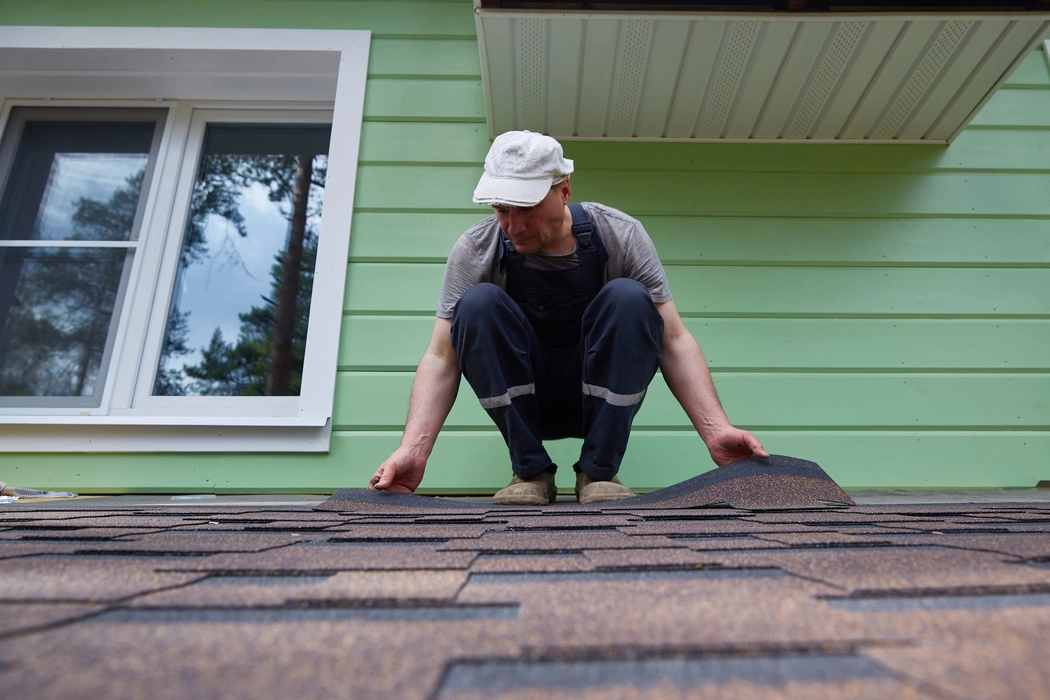
Quick Cost Snapshot by Home Size (2026)
Before diving into the details, here’s a fast reference based on your home’s footprint and preferred material:| Home Size | Asphalt Shingles | Metal Roofing | Slate / Tile |
|---|---|---|---|
| 1,000 sq ft | $4,000–$11,000 | $7,000–$15,000 | $10,000–$25,000 |
| 1,500 sq ft | $8,000–$16,500 | $12,000–$22,000 | $16,000–$37,000 |
| 2,000 sq ft | $10,000–$22,000 | $14,000–$30,000 | $19,000–$50,000 |
| 2,500 sq ft | $12,000–$27,500 | $17,000–$37,000 | $25,000–$65,000 |
| 3,000 sq ft | $14,000–$33,000 | $21,000–$45,000 | $30,000–$80,000+ |
What’s Included in a Roof Replacement Quote?
A roof replacement quote is not just shingles. A legitimate contractor invoice will always include these line items:- Materials , shingles, underlayment, flashing, ridge caps, and fasteners ($1–$30/sq ft depending on type)
- Labor , professional roofers typically charge $40–$90/hour per worker; labor makes up 50–60% of total cost
- Tear-off & disposal , removing your old roof adds $1,000–$1,500 on average
- Permits , required in most jurisdictions; typically $150–$500
- Decking repairs , if rotted sheathing is found underneath, expect $2,000–$8,000 in added costs
💡 Pro Tip: Always ask for an itemized quote. A single lump-sum number makes it impossible to compare contractors fairly or identify overcharges.
New Roof Cost by Material Type
Material selection is the single biggest driver of your final price. Here’s what each option realistically costs installed in 2026: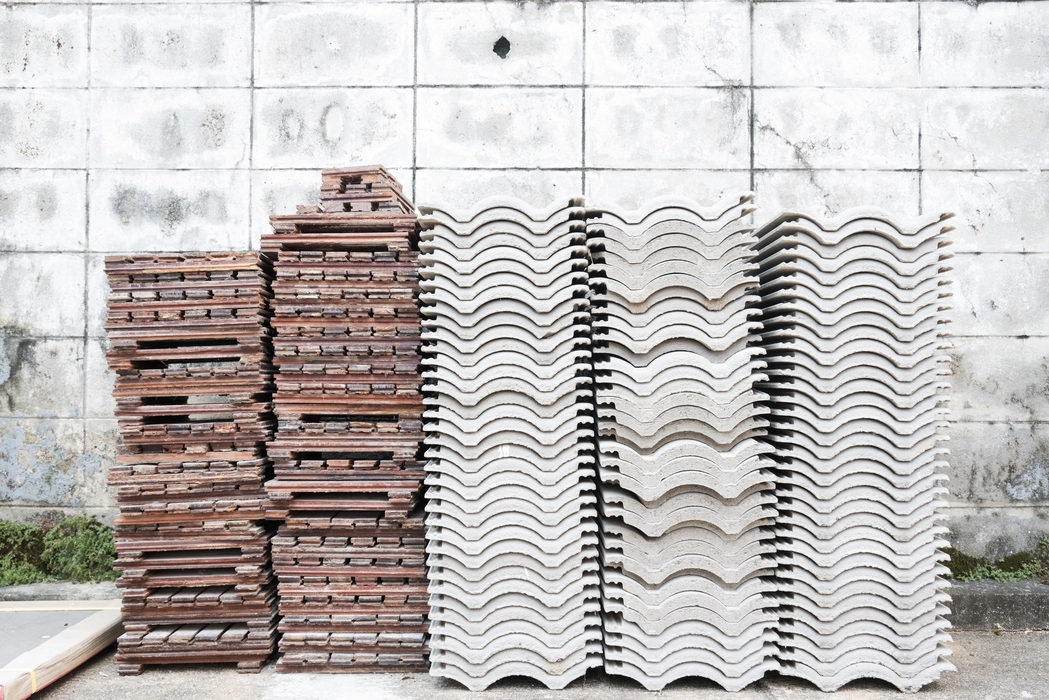
Asphalt Shingles , $4–$8 per sq ft
The most popular roofing material in the U.S., asphalt shingles offer a solid balance of affordability and durability, typically lasting 20–30 years. A full replacement on a 2,000 sq ft roof runs $10,000–$22,000. Three-tab shingles sit at the low end; architectural (dimensional) shingles cost slightly more but look far better and last longer.Metal Roofing , $7–$15 per sq ft
Metal roofs last 40–70 years, reduce energy bills through heat reflection, and are increasingly popular in storm-prone regions. A 2,000 sq ft metal roof costs $14,000–$30,000 installed. Standing seam metal is more expensive than corrugated panels but offers a cleaner look and superior weather sealing.Clay & Concrete Tile , $10–$18 per sq ft
Tile roofs are popular in the Southwest and Florida for their heat resistance and curb appeal. They’re heavy , your home may need structural reinforcement , and installation requires specialized labor, pushing costs to $20,000–$36,000 for a 2,000 sq ft roof.Natural Slate , $15–$30+ per sq ft
Slate is the gold standard of roofing, lasting 75–150 years with virtually zero maintenance. The trade-off: it requires skilled installers and costs $30,000–$60,000+ for a typical home. Synthetic slate offers a similar look at $10–$20/sq ft.Wood Shake , $6–$11 per sq ft
Cedar shake shingles offer a distinctive natural aesthetic and moderate insulation benefits, lasting 25–35 years with proper maintenance. Costs run $12,000–$22,000 on a 2,000 sq ft roof. Note that wood shakes are restricted or banned in some high-fire-risk areas.Key Factors That Change Your Roof Quote
Understanding why quotes vary so widely helps you identify fair pricing , and spot red flags before signing anything.1. Roof Pitch (Steepness)
Steep roofs require safety harnesses, special equipment, and more time. A pitch above 6:12 typically adds $1,000–$3,000 in labor costs.2. Roof Complexity
Dormers, skylights, chimneys, valleys, and multiple ridgelines increase material waste and installation time. A complex roof can cost 25–40% more per square foot than a simple gable design.3. Geographic Location
Labor rates in major metro areas run 20–40% higher than rural markets. Local building codes and climate-specific requirements (hurricane straps in Florida, snow load in the Northeast) also affect pricing.4. Hidden Structural Damage
Once the old roof is off, contractors may discover rotted decking or damaged rafters. Budget a 10–20% contingency on your estimate for potential surprises.5. Season & Timing
Spring and summer are peak roofing season. Scheduling in fall or early winter can save 5–15% as contractors compete for slower-season jobs.Roof Repair vs. Full Replacement: Which Makes Sense?
Not every roof problem requires a full replacement. Use this guide to decide:| Scenario | Recommendation |
|---|---|
| Roof is under 15 years old, localized damage | Repair ($300–$1,500) |
| Roof is 15–20 years old, moderate damage | Partial replacement or repair |
| Roof is 20+ years old, widespread issues | Full replacement |
| Repair cost exceeds 30% of replacement cost | Replace |
| Selling the home within 1–2 years | Replace for ROI |
How to Get an Honest Roof Quote
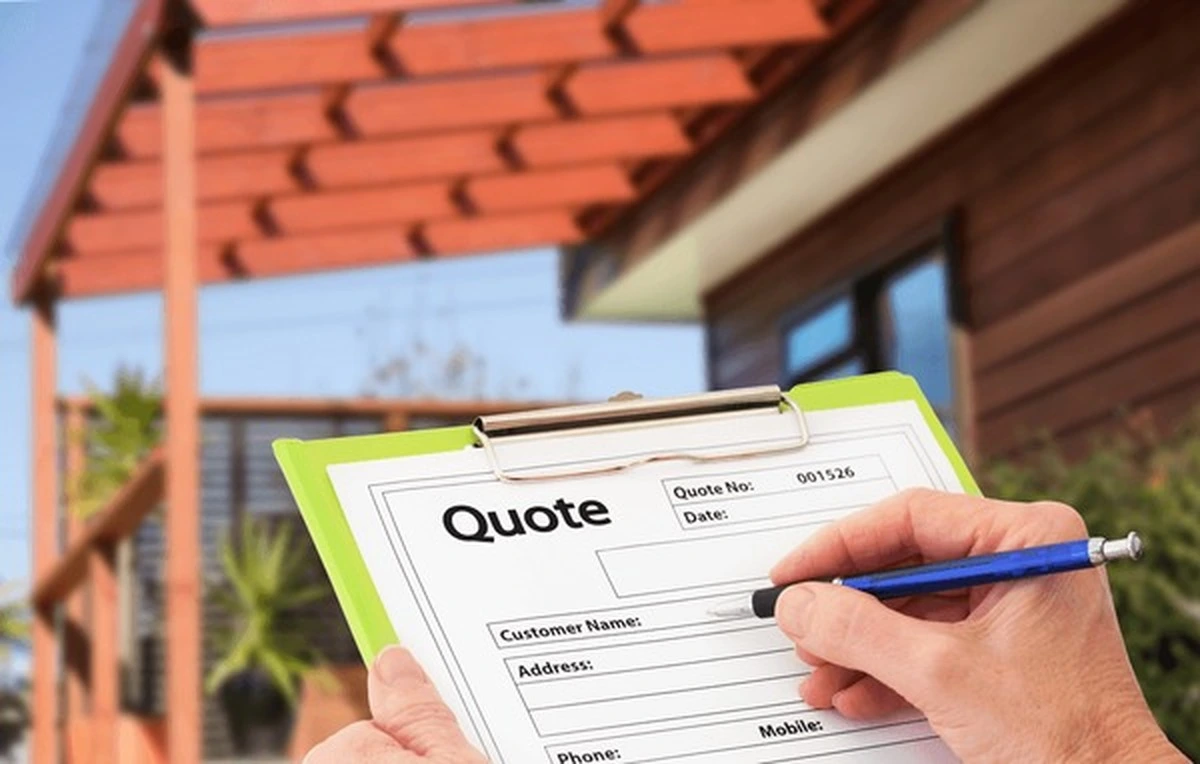
- Get at least 3 quotes from licensed, insured local contractors
- Verify credentials , check your state contractor license board and look for manufacturer certifications (GAF Master Elite, Owens Corning Platinum)
- Ask for itemized breakdowns , materials, labor, tear-off, permits, and disposal should all be listed separately
- Check warranties , look for a manufacturer material warranty (25–50 years) and a contractor workmanship warranty (minimum 5 years)
- Avoid large upfront deposits , reputable contractors ask for 10–30% upfront, not 50% or more
- Don’t choose on price alone , the lowest bid often cuts corners on materials, labor quality, or insurance coverage
Related Roofing Guides
- 📖 Ultimate Guide to Calculating Your Roof Replacement Cost
- 🏠 Asphalt vs. Metal Roofing: Which Is Right for Your Home?
- 🔧 How to Know When It’s Time to Replace Your Roof
Ready to Find Out What Your Roof Will Cost?
Don’t guess , get a real number from a vetted local contractor. Free, no-obligation quotes in minutes. Don’t forget to budget for your certificate of occupancy (COP) fees, which add $150–$700 to most residential roof replacement projects in 2026.
👉 Get Your Free Roof Estimate NowFrequently Asked Questions
How much should a new roof cost for a 2,000 sq ft home in 2026?
A 2,000 sq ft roof replacement costs $10,000–$22,000 for asphalt shingles, $14,000–$30,000 for metal, and $19,000–$50,000+ for premium materials like slate or tile in 2026. Most homeowners in this range spend around $15,000–$20,000 for a quality asphalt installation.Is $20,000 a fair price for a new roof?
Yes , $20,000 is within the normal range for a mid-to-large home using architectural asphalt shingles or entry-level metal roofing in 2026. Always compare it against at least two other quotes and confirm the price includes tear-off, permits, and a workmanship warranty.What time of year is cheapest for roof replacement?
Fall and winter are typically the slowest seasons for roofing contractors, which often translates to better pricing and faster scheduling. Discounts of 5–15% off peak-season rates are common. Avoid spring and early summer if budget is your top priority.How long does a new roof last?
Lifespan varies widely by material , asphalt shingles last 20–30 years, metal roofs 40–70 years, clay tile 50+ years, and natural slate can last 75–150 years with proper maintenance.Can I put a new roof over my old one?
Most building codes allow one overlay (new shingles over old), but it’s generally not recommended. Overlaying hides potential structural damage, adds significant weight, and often voids manufacturer warranties. A full tear-off gives you a clean, fully inspectable base.Does homeowner’s insurance cover a new roof?
Insurance covers roof damage caused by a covered peril (hail, wind, fire) but not normal wear and aging. If your roof was damaged in a storm, file a claim promptly. Policies vary , some pay actual cash value (depreciated), while others cover full replacement cost.You may also find helpful: Figuring Roof Angles: 5 Simple Methods Anyone Can Use.
Roofing content specialist with 5+ years researching U.S. residential and commercial roofing. Has documented 200+ projects covering installation costs, material selection, contractor vetting, and DIY guides for homeowners across all climate zones.