Top 5 Factors Affecting TPO Roof Costs installation
Top 5 Factors Affecting TPO Roof Costs installation
TPO Roof Cost Installation f is essential for anyone considering a new roofing system. Whether you are a homeowner or a business owner, understanding the expenses related to TPO roofing can significantly impact your budget. As we approach 2026, it is crucial to examine the projected costs of TPO roofing. This article covers various aspects of TPO roof installation costs, including the price per square foot, factors influencing the cost, and details on thickness. We aim to provide you with a complete understanding to help you make an informed decision regarding your roofing needs. By the end, you’ll have key insights into TPO roofing and how it can be a cost-effective solution for your building. We will explore the factors that impact TPO roofing costs such as materials, labor, and installation. Additionally, we will discuss energy efficiency and durability, which may influence your choice. This article will ensure you have all the information you need about TPO roof costs in 2026, so you’re ready to take the next step.
TPO Roof Costs Explained
TPO roofing systems have become popular due to their durability and affordability. The cost generally ranges from $3.50 to $7.00 per square foot, but several factors can affect this price. These factors include roof size, location, materials, and installer expertise. Understanding these elements will help you get a more accurate estimate of the total cost.
Cost Per Square Foot
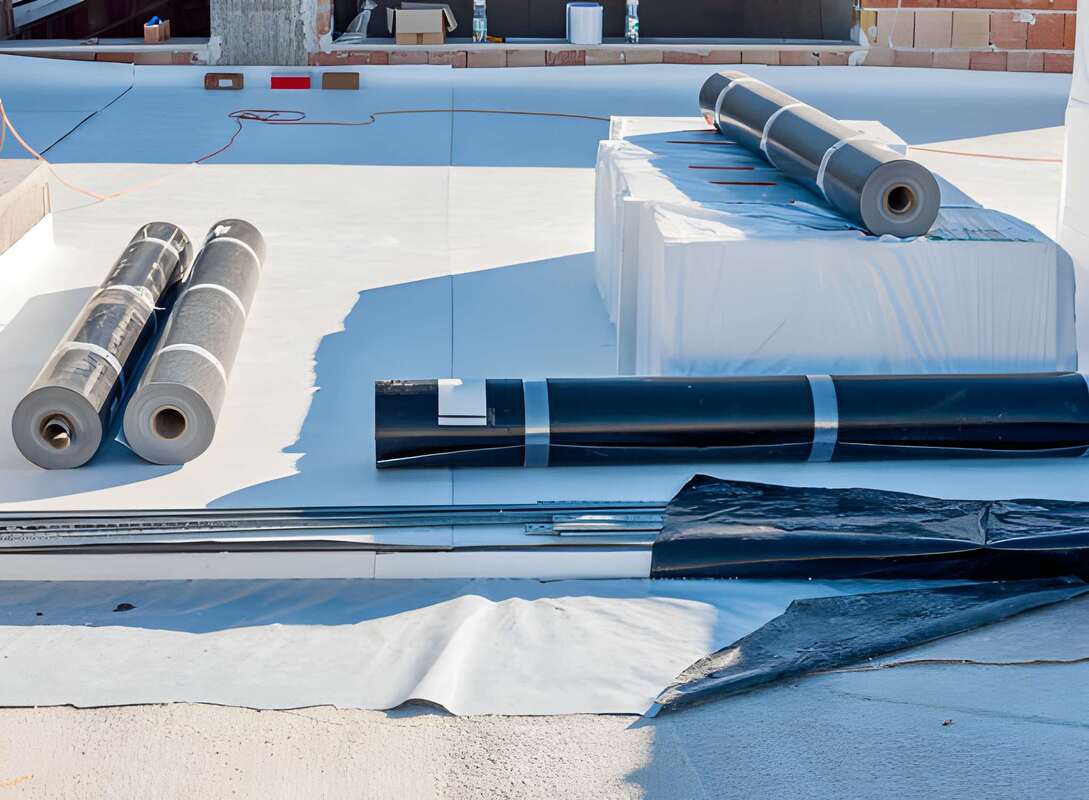
Knowing the average cost per square foot for TPO roofing is important. Homeowners can expect to pay around $4.00 to $6.00. Prices can vary based on the membrane’s thickness, which usually ranges from 45 mil to 80 mil. Thicker membranes may have a higher price tag, but they generally offer better durability over time.Key materials for TPO roofing
Factors Affecting TPO Roof Cost
Installation Complexity: More intricate roof shapes or structures can lead to increased labor costs.
Geographical Location: Labor costs differ between regions; urban areas may have higher prices.
Material Quality: Premium TPO membranes may come at a higher price.
Additional Features: Features like insulation or specialized coatings can also increase the total cost.
For clarity, consider a scenario where a 1,500 square foot roof requires a 60 mil TPO membrane. The total cost might range from $6,000 to $9,000 including labor, materials, and additional features.
Types of TPO Roofing Thickness
The thickness of TPO roofing significantly affects its overall cost. Common thickness options include:
Thickness (Mil)
Average Cost per Sq Ft
Typical Application
45 Mil
$3.50 – $5.00
Residential roofing
60 Mil
$4.00 – $6.00
Standard commercial applications
80 Mil
$5.00 – $7.00
Heavy-duty commercial or industrial applications
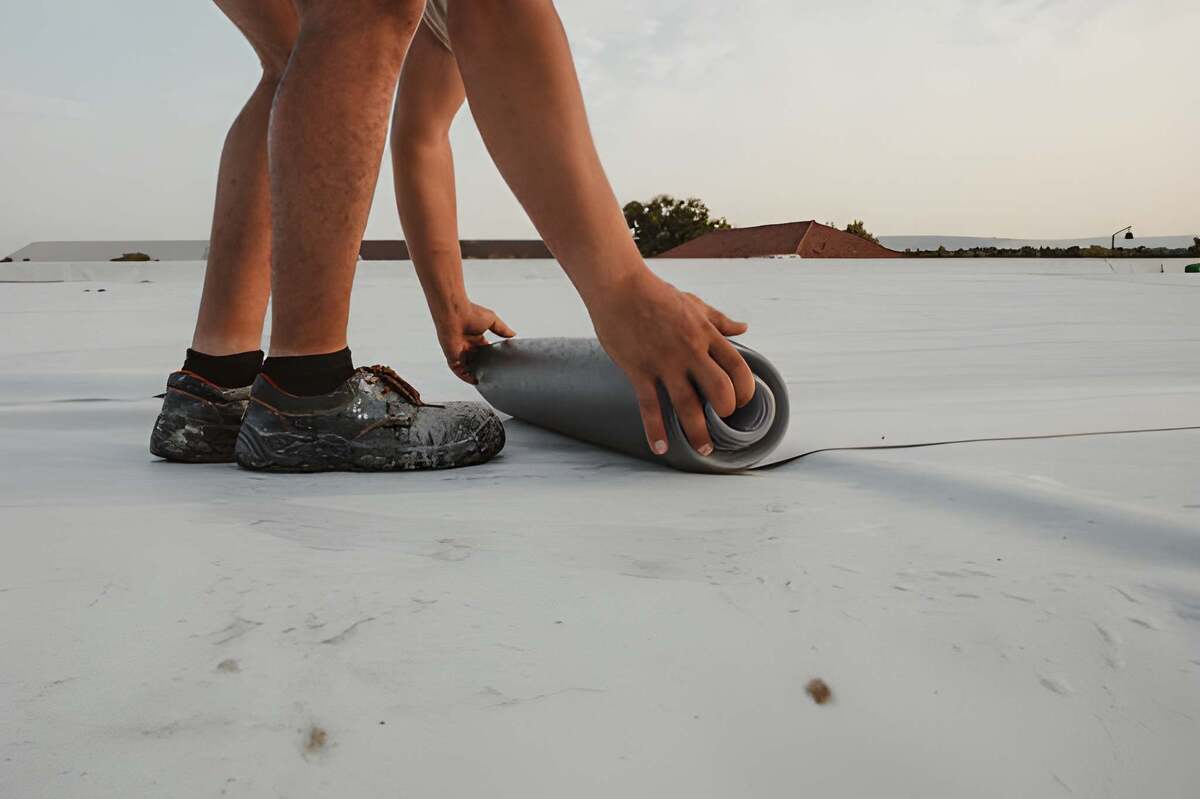
Selecting the right thickness is key for ensuring long-term performance and cost-effectiveness. Thicker membranes provide better resistance to punctures, UV rays, and harsh weather.The TPO roof installation process
Benefits of TPO Roofing
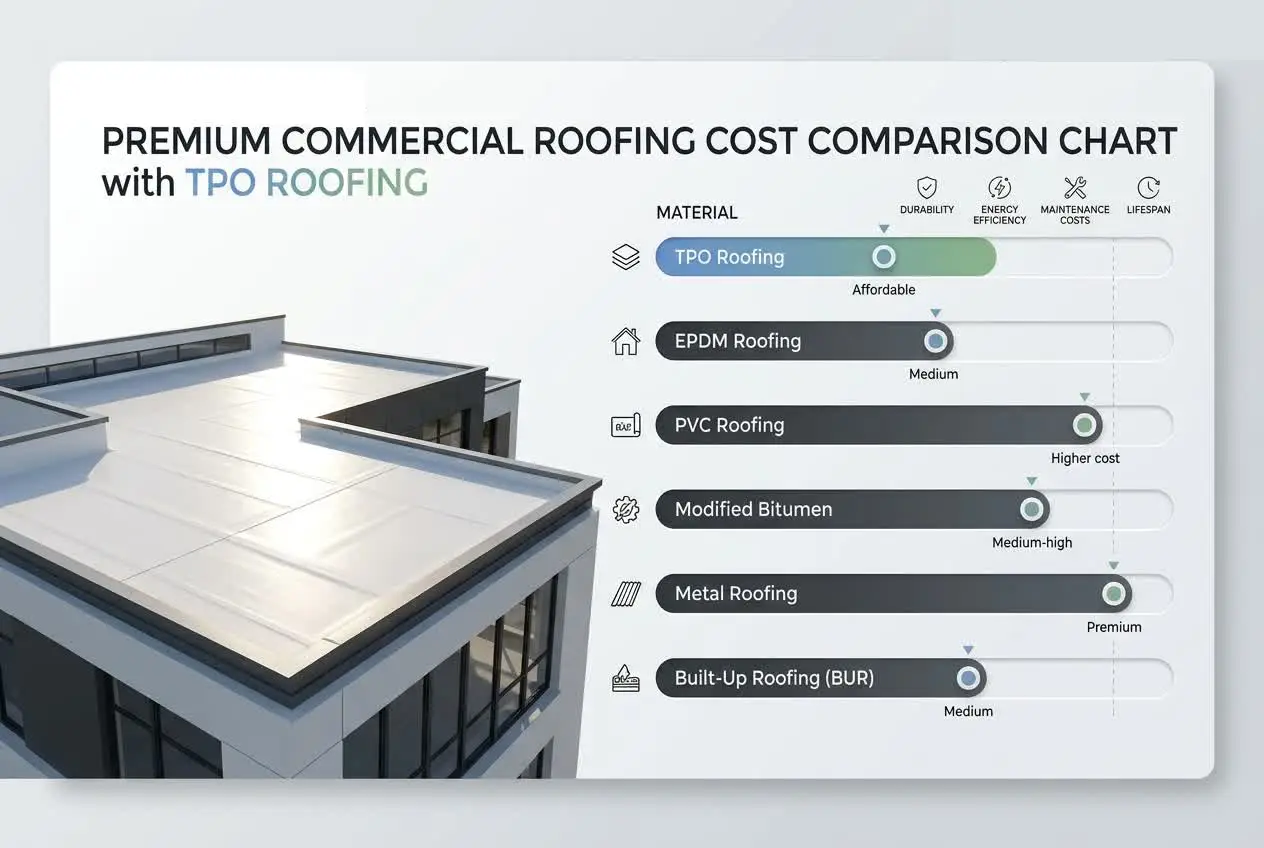
In addition to knowing TPO roof costs, it’s important to consider the advantages of a TPO system. TPO roofs are known for their efficiency, reflecting sunlight and helping to maintain comfortable indoor temperatures. This can lead to reduced cooling costs, resulting in long-term savings for commercial buildings. Moreover, TPO roof systems can be installed quickly and easily, lowering labor costs compared to other roofing materials. As a single-ply membrane, installation is straightforward and reduces time on the job site.
Energy Efficiency and Longevity
The combination of energy efficiency and longevity adds value to TPO roofing. With a lifespan of 20 years or more, a well-installed TPO roof can be considered a long-term investment. It’s also resistant to high winds and can withstand hail damage, making it durable in various climates.Smart budgeting strategies for your TPO roof project.
TPO (thermoplastic polyolefin) roof installation costs $5.50 to $8.50 per square foot installed in 2026 for commercial flat roofs,about $27,500 to $42,500 for a 5,000 sq ft building. TPO is the most popular commercial flat-roofing material in the US because it is white (reflective), heat-weldable, and lasts 20-30 years. Cost varies with membrane thickness (45 mil, 60 mil, 80 mil), insulation R-value, and attachment method (mechanically-fastened, fully-adhered, or ballasted).
Average Cost Breakdown
The table below summarizes 2026 pricing across the most common configurations. Costs include both materials and professional labor.
Option
2026 Price Range
Notes
TPO 45 mil (lightest, shortest warranty)
$5.50 – $6.50/sq ft
15-yr warranty
TPO 60 mil (standard commercial)
$6.50 – $7.50/sq ft
20-yr warranty
TPO 80 mil (premium thick)
$7.50 – $8.50/sq ft
25-30 yr warranty
Mechanically-fastened install
+$0
Most common method
Fully-adhered install
+$0.50 – $1.20/sq ft
Better wind uplift
Tear-off + new TPO (existing roof)
+$1.50 – $2.50/sq ft
Disposal labor + landfill
Polyiso insulation (per inch R-6)
+$0.80 – $1.40/sq ft
Code typically requires R-25+ total
Advertisement
What Drives the Cost
The total price comes down to five main factors. Understanding each helps you spot when a contractor’s quote is reasonable,and when it is padded.
Membrane thickness
60 mil is standard for most commercial buildings. 80 mil is recommended for high-traffic roofs (HVAC equipment, satellite dishes) and extends warranty by 5-10 years.
Insulation requirements
Most US codes require R-25 to R-30 of insulation under TPO. That is 4-5 inches of polyiso, adding $4-$6 per sq ft if your existing insulation needs upgrading.
Attachment method
Mechanically-fastened is cheapest. Fully-adhered costs 15-25% more but performs better in high-wind zones (FL, gulf coast). Ballasted is rare in new installs because it complicates re-roofing later.
Edge details + flashing
Heat-welded seams and reinforced perimeter flashing add quality but cost. Budget $1.50-$3 per linear foot of roof edge for proper terminations.
Crane / equipment rental
Buildings 3+ stories often require a crane to lift materials. Adds $1,500-$4,000 per day depending on equipment.
How to Save Money on This Project
Most homeowners can shave 10-25% off the quoted price by following a few simple practices:
Get at least 3 written quotes from licensed local contractors. Pricing varies dramatically,the lowest and highest quotes on the same job often differ by 40%.
Schedule in the off-season. Late winter (February-March) and late fall (October-November) prices are 10-20% lower than peak summer.
Bundle with other roof work. If you need other repairs (gutters, flashing, ventilation), bundle them,contractors discount bundled jobs because the setup labor is fixed.
Check for insurance coverage. Storm-related damage is usually covered. Filing a claim within the policy window is critical.
Verify the contractor’s license and insurance before signing. Use our contractor directory to find verified local pros.
Advertisement
DIY vs Professional Installation
Some homeowners attempt this project DIY to save on labor. Here is when that makes sense,and when it does not. DIY makes sense if: the scope is small (a single repair or patch), you have construction experience, you own or can rent the safety equipment (harness, ladder, scaffold), and the warranty does not require professional installation. Hire a professional if: the scope involves more than 30% of the roof, the roof pitch exceeds 6:12, the manufacturer requires professional installation for warranty validity, your homeowners insurance will not cover DIY work, or you are not comfortable working at height. Most professional roofers refuse to warranty work they did not install themselves, so DIY also forfeits future workmanship warranties.
Get a Real Estimate for Your Project
Want a 2-minute estimate tailored to your specific situation? Use our free roofing cost calculator,it uses your roof size, material choice, and ZIP code to give you a price range based on real 2026 contractor data. For comparison shopping, the contractor directory lists verified roofers near you with reviews and contact info.
Considering TPO roof costs is crucial for anyone planning a roof installation or replacement in 2026. By understanding the costs per square foot, the types of thickness available, and the many benefits of TPO roofing, homeowners and commercial building owners can make informed choices. While costs can vary, long-term savings in energy efficiency and durability are significant. As you evaluate your options, take the time to consult with reliable roofing professionals. They can provide tailored insights based on local market conditions and your specific requirements.
Plan Your Roofing Project
Use our free calculator to estimate costs, then connect with trusted roofing experts for a fast, honest quote.
Factors include installation complexity, geographical location, material quality, and additional features like insulation.
How long does a TPO roof last?
A well-installed TPO roof can last 20 years or more, making it a durable option for both residential and commercial applications.
Is TPO roofing energy efficient?
Yes, TPO roofing systems are recognized for their energy efficiency as they reflect sunlight, which can help reduce cooling costs.
Can I install a TPO roof myself?
While some homeowners may choose to install a TPO roof themselves, hiring a professional is advisable for proper installation and warranty coverage. Learn more about TPO roofing installation. See our comparison of different roofing materials. “`