Preloader Close
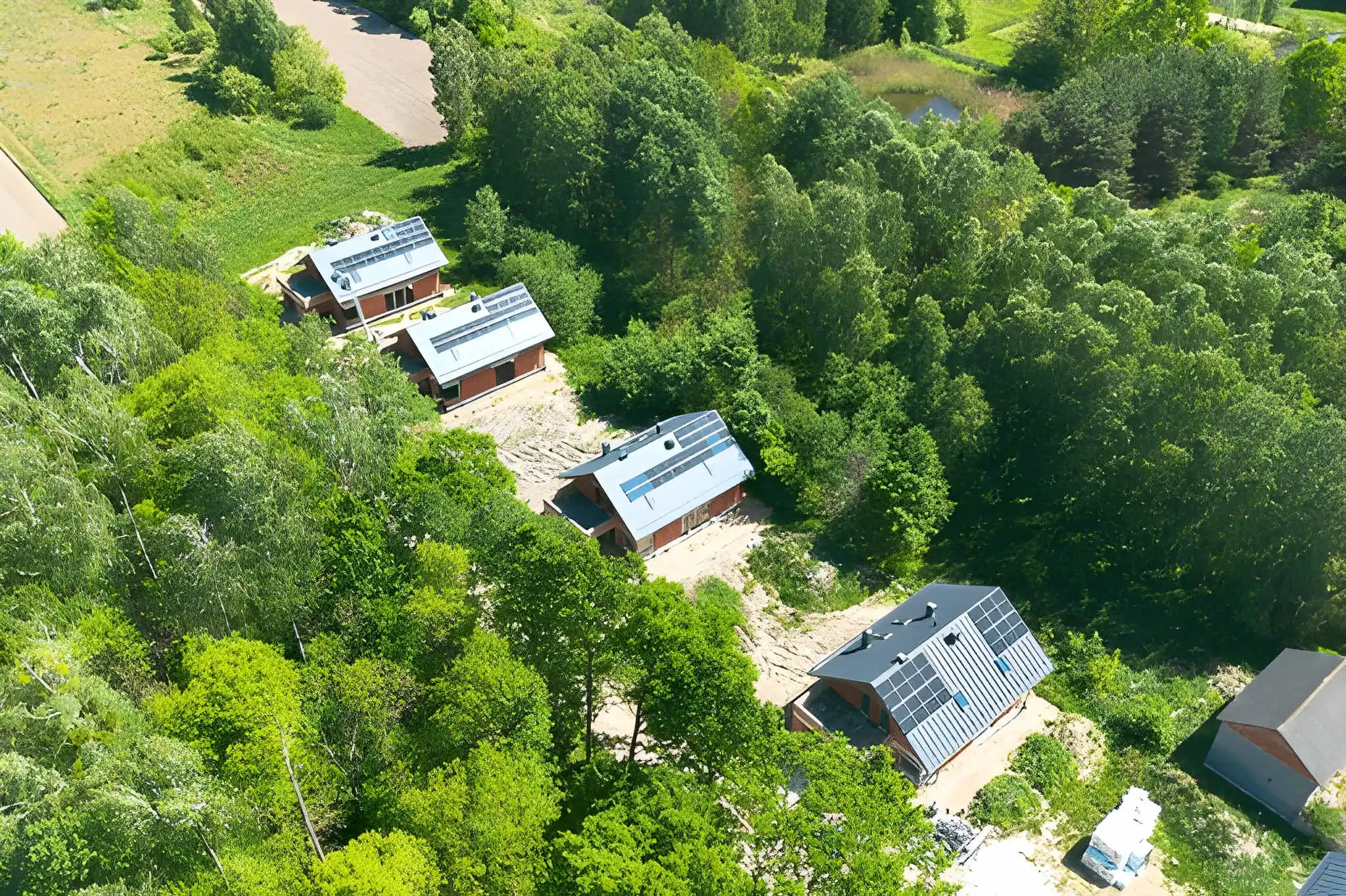
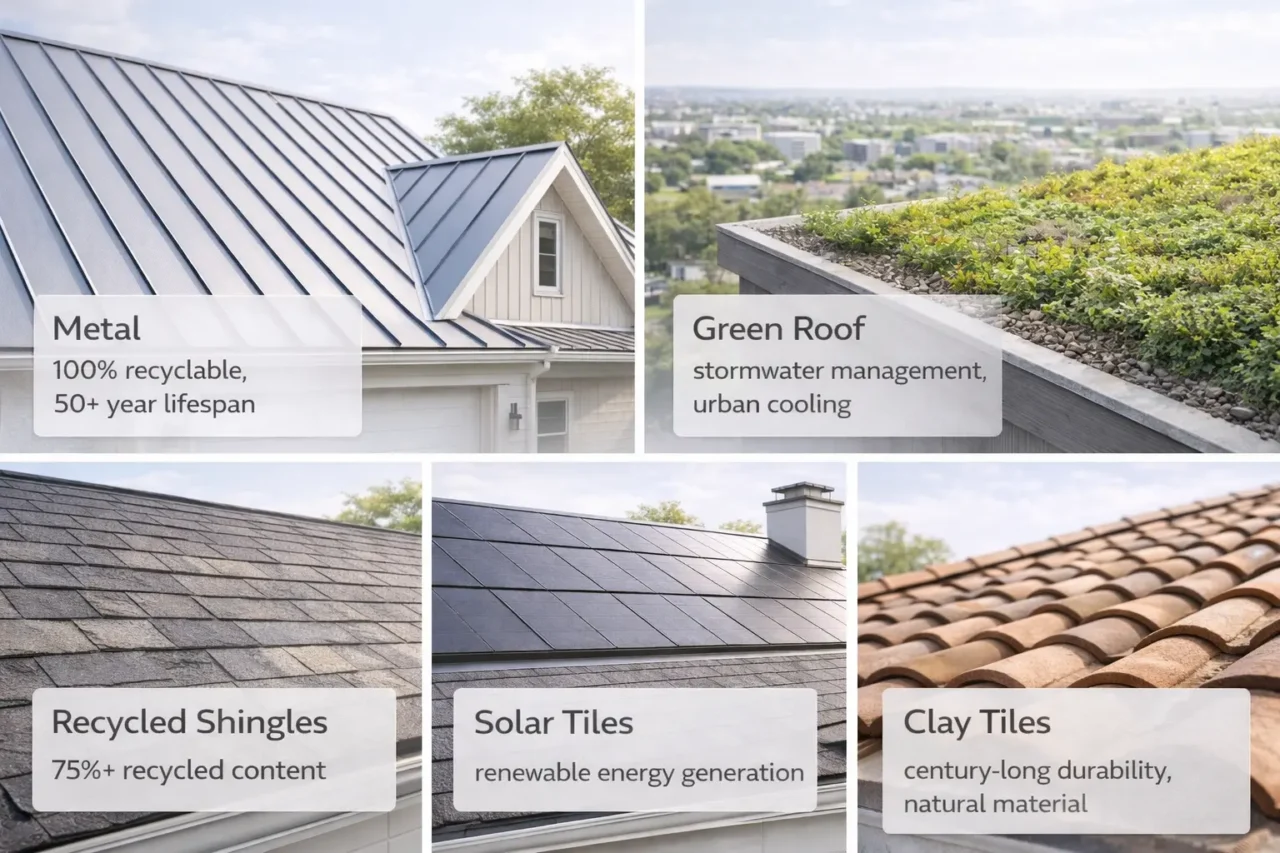
Environmentally friendly roofing materials reduce environmental impact through recycled content, energy efficiency, long lifespans reducing replacement waste, and recyclability at end-of-life with top eco friendly roofing materials including metal roofing (40-100 year lifespan, 100% recyclable), recycled shingles (75-100% recycled rubber/plastic), clay/slate tiles (100+ year durability), wood shakes from sustainable forests, green/living roofs, and solar roof tiles generating clean energy.
Choosing environmentally friendly roofing materials delivers multiple benefits beyond sustainability: energy cost reductions up to 40% with reflective cool roofs, improved indoor comfort through better insulation, potential tax incentives for green building practices, reduced carbon footprint compared to conventional materials, and increased property value from durable attractive installations. This comprehensive guide examines the best eco friendly roofing materials for residential and commercial buildings, comparing costs, lifespans, recyclability, energy performance, maintenance requirements, and ideal applications so you can select sustainable roofing aligned with your climate, budget, and environmental goals.
Table of Contents
What Makes Roofing Materials Environmentally Friendly?
Environmentally friendly roofing materials are evaluated across multiple sustainability criteria rather than single attributes, with the most eco friendly roofing materials excelling in several key areas.
Manufacturing and sourced materials
Sustainable roofing prioritizes recycled content, renewable resources, and low-pollution production processes recycled shingles contain 75-100% recycled rubber and plastic, while metal roofing often incorporates high percentages of recycled steel/aluminum, and wood shakes from certified sustainable forests ensure responsible harvesting.
Longevity and durability
Long-lasting environmentally friendly roofing materials reduce replacement frequency and associated waste slate and clay tiles last 100+ years, metal roofs 40-100 years, and even recycled shingles 25-50 years compared to standard asphalt shingles‘ 15-20 year lifespan. Maguire Brothers emphasizes that “a long-lasting roof means fewer replacements, less use of material, and less environmental footprint in the long run.”
Energy efficiency
Cool roofs reflecting solar heat, insulating materials reducing HVAC loads, and solar-generating systems actively cutting fossil fuel dependence all qualify as energy-efficient eco friendly roofing materials metal roofs can reduce energy expenses by around 40%, while green roofs decrease winter energy use by 10% through insulation and summer cooling through evapotranspiration.
Recyclability and end-of-life
True environmentally friendly roofing materials avoid landfills through recyclability or biodegradability metal roofs are 100% recyclable, EPDM rubber membranes can be reconstituted, wood shakes biodegrade naturally, and recycled shingles participate in shingle recycling programs.
Top 10 Environmentally Friendly Roofing Materials (Complete Comparison)
The best eco friendly roofing materials balance sustainability credentials with practical performance, cost, and aesthetic requirements.
1. Metal Roofing (Steel, Aluminum, Copper)
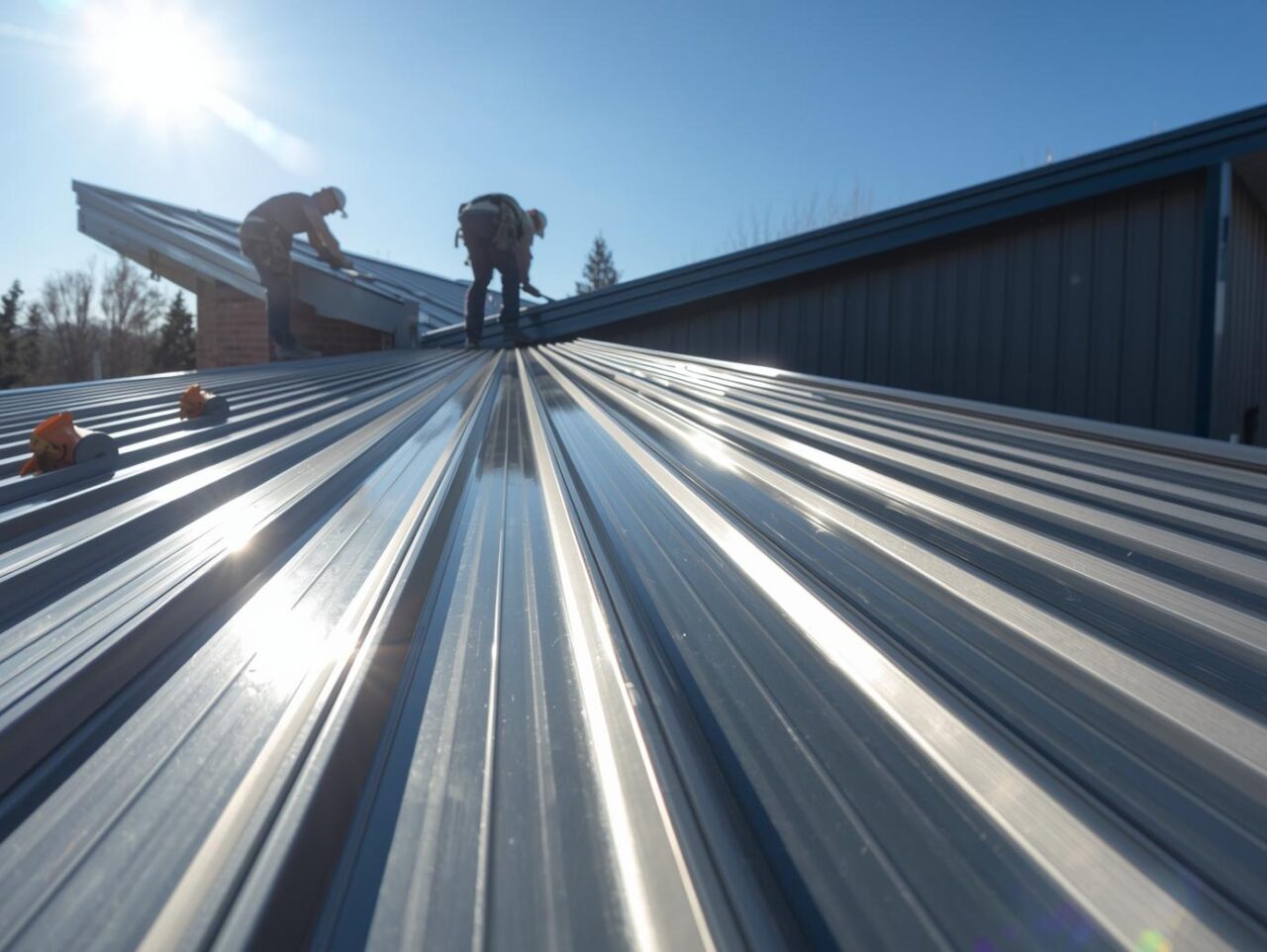
Metal roofing ranks among the most sustainable options due to exceptional longevity, high recycled content, and complete recyclability at end-of-life.
Sustainability benefits:
- Contains 25-95% recycled content depending on metal type
- 100% recyclable without quality degradation
- 40-100 year lifespan minimizes replacement cycles
- Reflects solar heat reducing cooling costs 10-25%
- Low maintenance requirements over decades
Considerations:
- Higher upfront cost ($8-$15/sq ft installed)
- Can be noisy during rain/hail without proper underlayment
- Requires professional installation for proper fastening/sealing
Best for: Long-term homeowners prioritizing durability, energy savings, and lifecycle sustainability in any climate.
2. Recycled Shingles (Rubber, Plastic, Wood Fiber)
Recycled composite shingles divert waste from landfills while mimicking traditional materials like slate and cedar at fraction of cost.
Sustainability benefits:
- Contain 75-100% recycled content (plastic bottles, rubber tires, wood waste)
- Participate in shingle recycling programs at end-of-life
- 25-50 year lifespan exceeds standard asphalt
- Excellent insulation reducing heating/cooling loads
- Impact-resistant formulations handle hail better than organic materials
Considerations:
- Appearance quality varies by manufacturer
- Not as long-lasting as slate/metal but far cheaper
- Requires verification of recycled content claims
Best for: Budget-conscious homeowners wanting eco friendly roofing materials without premium pricing, particularly in moderate climates.
3. Clay and Concrete Tiles
Clay tiles represent timeless environmentally friendly roofing materials offering century-long durability with minimal environmental processing.
Sustainability benefits:
- Natural earth materials requiring minimal chemical processing
- 100+ year lifespan when properly installed
- Excellent thermal mass regulating indoor temperatures
- Recyclable/reusable as pavers or aggregate
- Fire-resistant without chemical treatments
Considerations:
- Heavy weight (900-1,100 lbs/square) requires structural reinforcement
- Higher cost ($10-$18/sq ft installed)
- Fragile under foot traffic during maintenance
Best for: Spanish/Mediterranean/Mission architectural styles in warm climates where weight capacity exists and longevity justifies investment.
4. Wood Shakes and Shingles (Cedar, Redwood)
Wood shakes from sustainably managed forests combine renewable resources with biodegradability and natural insulation.
Sustainability benefits:
- Renewable resource when sourced from certified sustainable forests
- Carbon sequestration during tree growth offsets manufacturing emissions
- Completely biodegradable at end-of-life
- Excellent natural insulation reducing energy consumption
- 30+ year lifespan with proper maintenance
- Wind resistance up to 245 mph when installed correctly
Considerations:
- Requires regular maintenance (cleaning, treatment) in humid climates
- Fire risk in wildfire zones unless treated with fire retardants
- Higher cost than asphalt ($6-$12/sq ft)
Best for: Traditional/rustic architectural styles in forested regions with moderate fire risk and homeowners committed to maintenance.
5. Green Roofs (Living/Vegetated Roofs)
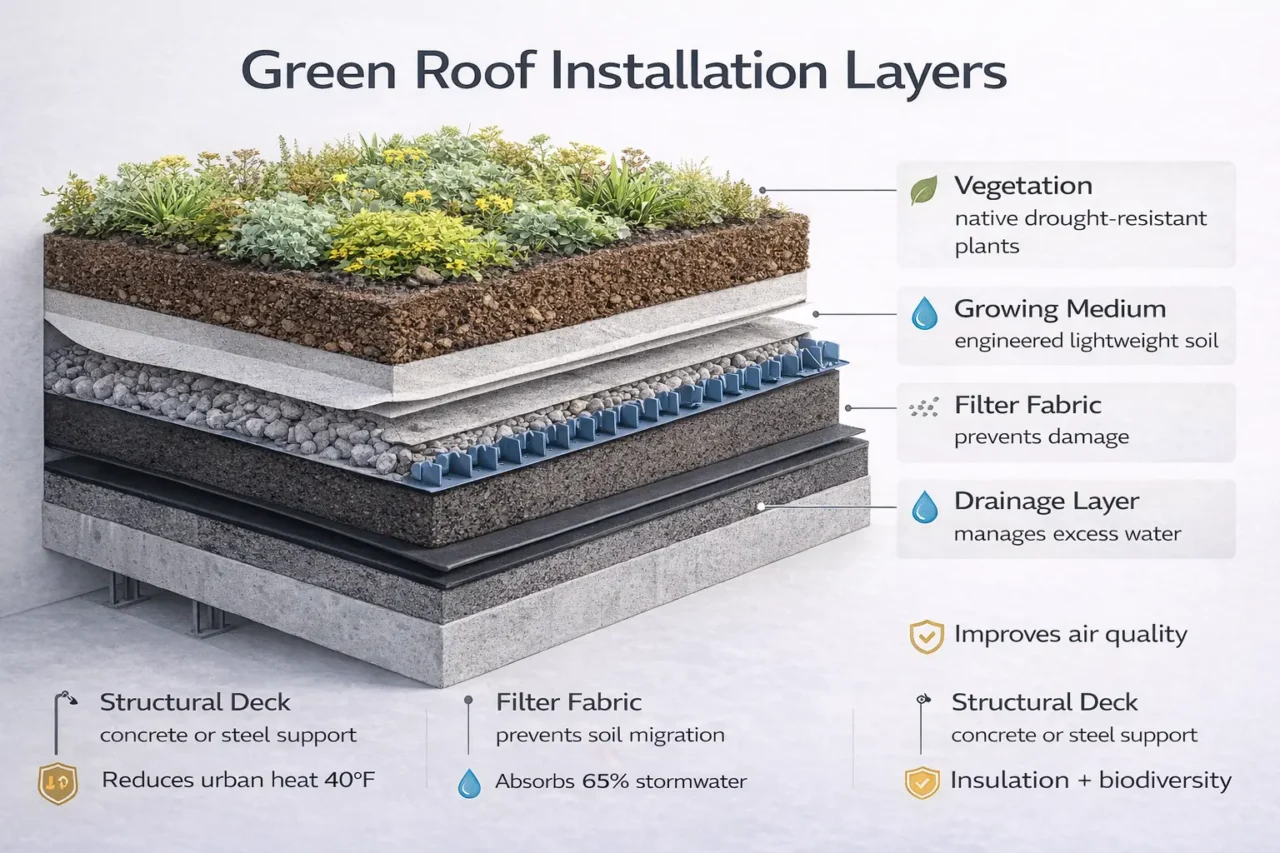
Green roofs install vegetation layers above waterproof membranes, transforming roofs into ecosystems delivering unmatched environmental benefits.
Sustainability benefits:
- Reduce urban heat island effect by 40°F compared to conventional roofs
- Absorb 65% of stormwater runoff preventing flooding and filtering pollutants
- Decrease air pollution while producing oxygen
- Reduce winter energy use 10% through superior insulation
- 40+ year membrane lifespan protected by vegetation
- Create urban biodiversity habitats
Considerations:
- High installation cost ($15-$25/sq ft)
- Requires structural capacity for saturated soil weight
- Ongoing maintenance (irrigation, weeding, fertilization)
- Specialized waterproofing expertise required
Best for: Urban commercial/institutional buildings and eco-focused homeowners with flat/low-slope roofs, structural capacity, and maintenance commitment.
6. Solar Roof Tiles and Shingles
Solar roofing integrates photovoltaic cells within roofing materials, generating clean electricity while providing weather protection.
Sustainability benefits:
- Generate renewable electricity offsetting grid consumption and emissions
- Can achieve net-zero or net-positive energy over building lifetime
- Integrated design more aesthetically pleasing than rack-mounted panels
- Federal/state incentives reduce effective cost 26-30%
Considerations:
- Highest upfront cost ($20-$30/sq ft installed)
- 25-30 year warranty typical, less than premium roofing alone
- ROI depends on electricity rates, sun exposure, incentives
- Panel recycling infrastructure still developing
Best for: South/west-facing roofs in sunny climates with high electricity costs, long-term homeowners wanting energy independence.
7. EPDM Rubber Membrane (Recycled Content)
EPDM (ethylene propylene diene monomer) rubber roofing uses recycled tire rubber, ideal for flat/low-slope residential and commercial roofs.
Sustainability benefits:
- Made from recycled rubber tires reducing landfill waste
- 100% recyclable at end-of-life
- 15-25+ year lifespan with proper care
- Excellent insulation preventing 25% heat loss through roof
- Low-pollution manufacturing process
- Minimal maintenance (UV/moss/mildew resistant)
Considerations:
- Limited to flat/low-slope applications
- Black color absorbs heat unless white/light coatings applied
- Seam quality critical to waterproofing performance
Best for: Flat-roof additions, garages, sheds, and commercial buildings wanting affordable recycled-content eco friendly roofing materials.
8. Reclaimed Slate and Clay Tiles
Salvaged slate and clay from demolished buildings represent ultimate sustainability giving century-old materials second lives.
Sustainability benefits:
- Zero new material extraction or manufacturing
- Proven durability (already lasted 50-100+ years)
- Significantly cheaper than new slate/clay
- Maintains historic character for restoration projects
Considerations:
- Limited availability dependent on demolition salvage
- Condition varies; requires expert inspection
- May need supplemental new tiles for full coverage
Best for: Historic restorations, heritage homes, and budget-conscious projects wanting authentic environmentally friendly roofing materials aesthetics.
9. Cool Roof Coatings (Reflective)
Cool roof coatings applied over existing roofing reflect solar radiation, reducing surface temperatures 50-60°F and extending roof life.
Sustainability benefits:
- Reduce cooling energy consumption 10-15%
- Lower urban heat island effect
- Extend existing roof lifespan 10-15 years avoiding replacement
- Quick application over various substrates
Considerations:
- Requires reapplication every 10-15 years
- Not structural roofing coating only
- Effectiveness depends on existing roof condition
Best for: Extending life of serviceable roofs in hot climates, commercial flat roofs, and energy-efficiency retrofits.
10. Modern “Cool” Asphalt Shingles
Advanced asphalt shingles incorporate reflective granules and recycled content, improving sustainability of traditional materials.
Sustainability benefits:
- Cool-colored granules reflect solar heat reducing cooling loads
- Some contain recycled asphalt and post-consumer waste
- Established recycling programs divert old shingles to road paving
- Most affordable roofing option ($3-$6/sq ft)
- Minimal maintenance and easy spot repairs
Considerations:
- Shortest lifespan (15-25 years) among options
- Petroleum-based product with fossil fuel dependence
- Recycling not universally available
Best for: Budget-limited projects, moderate climates, homeowners prioritizing affordability with modest sustainability gains over conventional options.
Benefits of Environmentally Friendly Roofing Materials (Beyond Sustainability)
Choosing eco friendly roofing materials delivers practical advantages extending far beyond environmental consciousness.
Energy cost savings
Reflective and insulating environmentally friendly roofing materials dramatically reduce HVAC loads metal roofs cut energy expenses ~40%, cool roofs reduce cooling costs 10-25%, and green roofs decrease winter heating 10% while lowering summer cooling through evapotranspiration.
Improved indoor comfort
Better insulation and thermal regulation from eco friendly roofing materials eliminate hot/cold spots, reduce temperature swings, and improve year-round comfort wood shakes and clay tiles provide natural thermal mass buffering extreme exterior temperatures.
Tax incentives and rebates
Federal, state, and local programs reward sustainable building federal solar tax credits reduce installation costs 26-30%, energy-efficient roof material credits available in many states, and local utility rebates for cool roofs in heat-island-reduction programs.
Increased property value
Durable attractive environmentally friendly roofing materials boost resale value metal roofs and clay tiles signal quality/longevity to buyers, solar roofing offers immediate utility savings, and green building certifications (LEED, Energy Star) differentiate properties.
Stormwater management
Green roofs absorb 65% of rainfall preventing runoff and reducing municipal stormwater infrastructure stress, while permeable eco-roofing systems filter pollutants before water enters watersheds.
Air quality improvement
Living green roofs filter particulate matter, convert CO2 to oxygen, and reduce urban air pollution significant cumulative benefits when adopted across neighborhoods.
Cost Comparison: Environmentally Friendly Roofing Materials
Eco friendly roofing materials range from budget-friendly to premium investment, with lifecycle costs often lower than upfront pricing suggests.
| Material | Cost per sq ft (Installed) | Lifespan (Years) | Cost per Year |
|---|---|---|---|
| Cool Asphalt Shingles | $3-$6 | 15-25 | $0.15-$0.40 |
| Recycled Shingles | $4-$8 | 25-50 | $0.08-$0.32 |
| Wood Shakes (Cedar) | $6-$12 | 30+ | $0.20-$0.40 |
| Metal Roofing | $8-$15 | 40-100 | $0.08-$0.38 |
| EPDM Rubber | $5-$10 | 15-25 | $0.20-$0.67 |
| Clay/Concrete Tiles | $10-$18 | 100+ | $0.10-$0.18 |
| Green Roof | $15-$25 | 40+ | $0.38-$0.63 |
| Solar Roof Tiles | $20-$30 | 25-30 | $0.67-$1.20 (offset by energy production) |
Lifecycle cost analysis reveals metal, clay, and recycled shingles often deliver best long-term value despite higher upfront investment.
Choosing the Right Environmentally Friendly Roofing Materials for Your Home
Optimal eco friendly roofing materials selection depends on multiple factors beyond sustainability alone.
Climate considerations
- Hot/sunny climates: Cool roofs (reflective metal, light clay, white EPDM, cool coatings) maximize cooling savings
- Cold/snowy climates: Insulating materials (wood shakes, green roofs, metal with foam backing) reduce heating loads
- Hurricane/wind zones: Metal and clay tiles offer superior wind resistance vs lighter materials
- High rainfall areas: Green roofs manage stormwater; metal sheds water efficiently
Building structure
- Weight capacity: Clay tiles and green roofs require structural reinforcement vs lightweight metal/recycled shingles
- Roof slope: Green roofs and EPDM suit flat/low-slope; shingles/tiles need 4:12+ pitch
- Existing substrate: Cool coatings extend serviceable roofs; full replacement needed for degraded decking
Budget and timeline
- Immediate budget limits: Cool asphalt shingles or recycled composites provide sustainability at entry price
- Long-term value focus: Metal, slate, clay tiles minimize lifecycle cost despite premium upfront
- Energy savings priority: Solar roofing and cool roofs deliver measurable utility reductions
Aesthetic preferences
- Modern/contemporary: Standing seam metal, flat green roofs, integrated solar
- Traditional/rustic: Wood shakes, clay tiles, reclaimed slate
- Colonial/historic: Cedar shakes, slate, clay matching original materials
Maintenance Requirements for Eco Friendly Roofing Materials
Proper maintenance extends lifespan of environmentally friendly roofing materials and maximizes sustainability benefits.
Metal roofing
- Annual inspection for fastener tightness and sealant integrity
- Clear debris from valleys/gutters preventing corrosion
- Touch up scratches/coating damage in coastal environments
Green roofs
- Regular irrigation during dry periods
- Seasonal weeding and vegetation management
- Annual membrane inspection beneath growing medium
- Fertilization 1-2x yearly for healthy plant growth
Wood shakes
- Annual cleaning removing moss/algae in humid climates
- Periodic treatment with preservatives/fire retardants
- Replace cracked/split shakes promptly preventing leaks
Recycled shingles
- Minimal maintenance similar to standard asphalt
- Inspect after severe weather for wind damage
- Keep gutters clear preventing water backup
Frequently Asked Questions About Environmentally Friendly Roofing Materials
What are the most environmentally friendly roofing materials?
The most environmentally friendly roofing materials are metal roofing (100% recyclable, 40-100 year lifespan), recycled shingles (75-100% recycled content), clay/slate tiles (100+ years, natural materials), sustainably harvested wood shakes (renewable, biodegradable), and green roofs (stormwater management, urban cooling).
Are eco friendly roofing materials more expensive?
Some eco friendly roofing materials cost more upfront (metal $8-$15/sq ft, clay $10-$18/sq ft) but deliver lower lifecycle costs through longevity, while others like recycled shingles ($4-$8/sq ft) compete with conventional materials on price.
Do environmentally friendly roofing materials save energy?
Yes metal roofs reduce energy costs ~40%, cool roofs cut cooling loads 10-25%, green roofs decrease winter heating 10%, and solar roofing generates electricity offsetting grid consumption.
How long do eco friendly roofing materials last?
Environmentally friendly roofing materials lifespans vary: slate/clay 100+ years, metal 40-100 years, wood shakes 30+ years, recycled shingles 25-50 years, EPDM 15-25 years, green roof membranes 40+ years.
Can I get tax credits for eco friendly roofing?
Federal solar tax credits cover 26-30% of solar roofing costs, some states offer energy-efficient material credits, and local utilities provide cool roof rebates check Database of State Incentives for Renewables & Efficiency (DSIRE).
What is the most recyclable roofing material?
Metal roofing is 100% recyclable without quality loss, EPDM rubber can be reconstituted, recycled shingles participate in recycling programs, and clay/slate tiles are reusable as pavers.
Are green roofs worth the cost?
Green roofs justify premium cost ($15-$25/sq ft) in urban settings through stormwater management (65% runoff reduction), cooling (40°F surface temperature reduction), air quality improvement, and extended membrane life (40+ years).
🏠 Roofing Tips & Updates
Get free roofing advice, cost guides, and seasonal maintenance tips.
Related guide: Affordable Roofing Near Me: 2026 Local Roofers Guide.
Roofing content specialist with 5+ years researching U.S. residential and commercial roofing. Has documented 200+ projects covering installation costs, material selection, contractor vetting, and DIY guides for homeowners across all climate zones.
Leave A Comment