Preloader Close
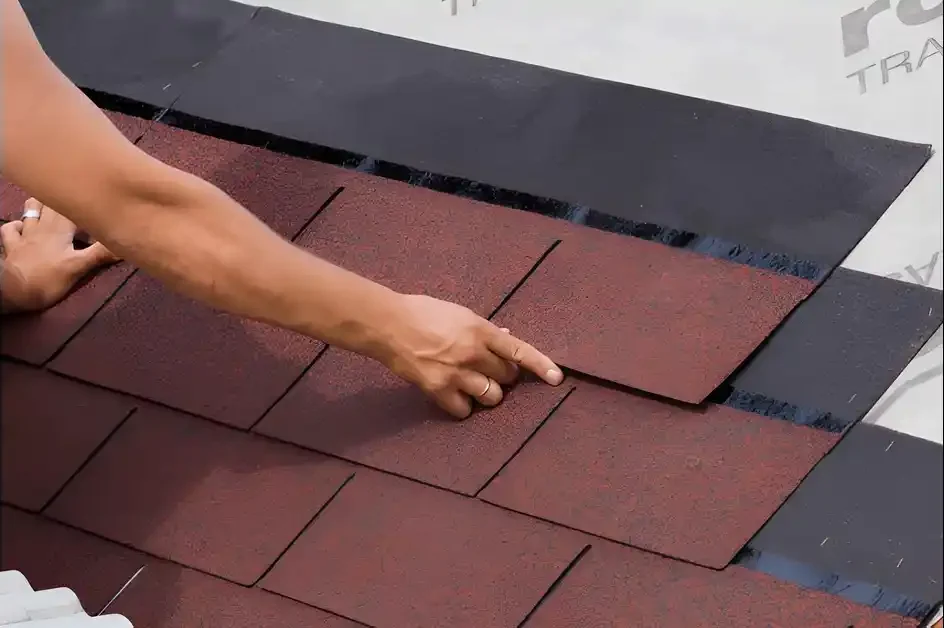
Table of Contents
Asphalt shingles cover approximately 75% of residential roofs in North America, offering the best balance of affordability, durability, and design versatility. This guide explains the three main types, compares leading brands, breaks down costs, and shows you how to select the right shingles for your climate, budget, and style.
What Are Asphalt Shingles?
According to the Asphalt Roofing Manufacturers Association (ARMA), architectural asphalt shingles are the most widely installed residential roofing product in North America, covering more than 75% of all new residential roofing.
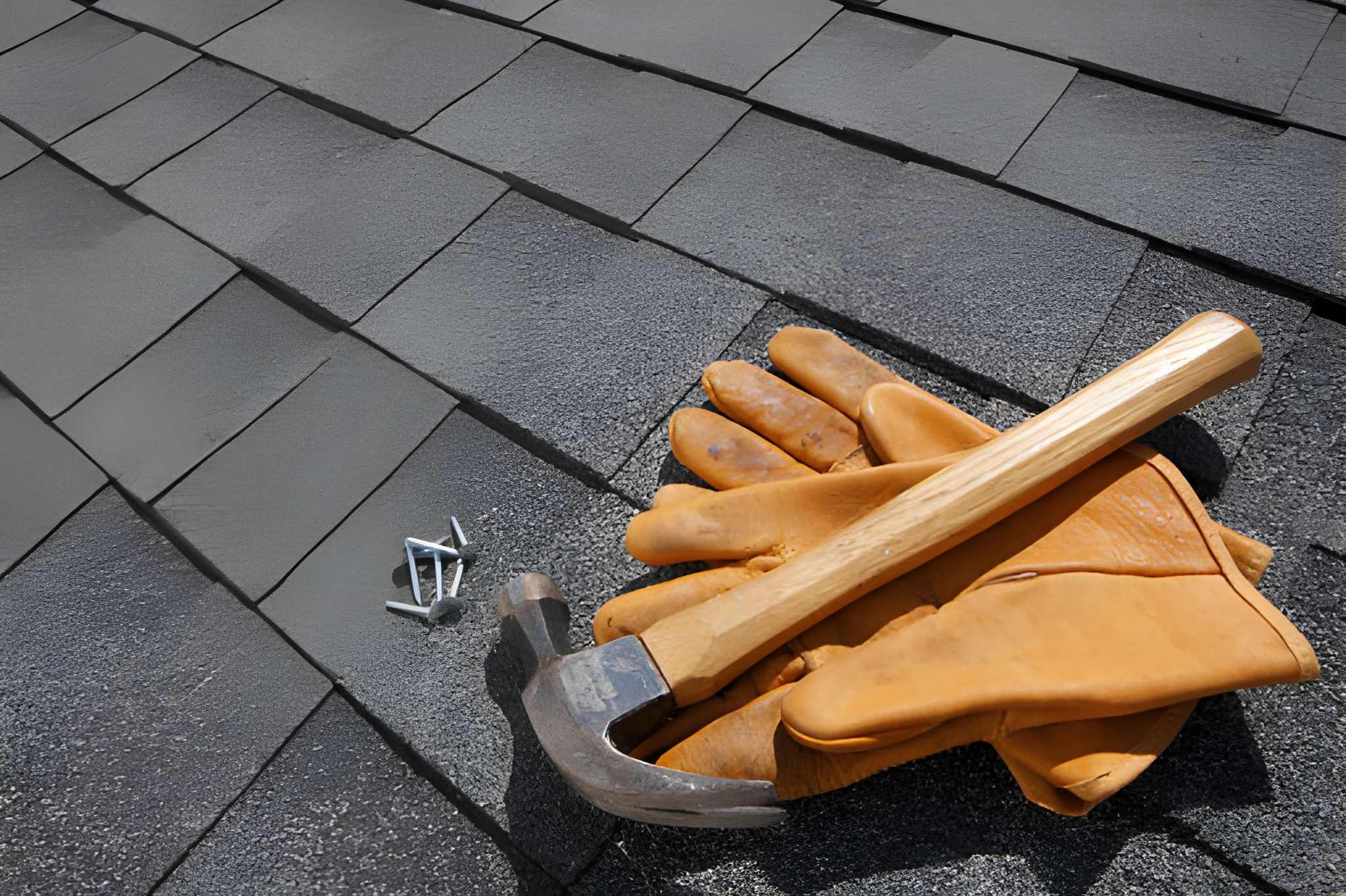
Asphalt shingles are composite roofing products built on a fiberglass mat base, coated with weather-resistant asphalt, and topped with ceramic granules for color and UV protection. A back adhesive strip seals each shingle against wind-driven rain.
They balance cost and performance better than alternatives, are widely available, and install easily. Most carry Class A fire ratings and can include enhanced wind, impact, and algae resistance for regional climates.
Types of Asphalt Shingles
3-Tab Shingles
Description: Single-layer, flat profile with uniform cutouts.
Cost: $1.00–$2.00/sq ft installed | Lifespan: 15–20 years | Wind: 60–70 mph
Pros: Lowest cost, lightweight, simple install
Cons: Shorter life, lower wind resistance
Best For: Budget projects, garages, rentals
Architectural Shingles
Description: Multi-layer laminated construction with dimensional texture.
Cost: $1.50–$3.00/sq ft installed | Lifespan: 25–30 years | Wind: 110–130 mph
Pros: Best value, enhanced curb appeal, strong warranties, superior durability
Cons: Higher cost than 3-tab
Best For: Most single-family homes
Luxury Shingles
Description: Premium multi-layer with high-definition profiles mimicking slate or wood shake.
Cost: $3.00–$6.00+/sq ft installed | Lifespan: 30–50 years | Wind: 130+ mph
Pros: Highest aesthetics and performance, transferable warranties
Cons: Highest cost, heavier
Best For: Premium homes, severe weather zones
Comparison Table
| Type | Cost/SF | Lifespan | Wind | Best Use |
|---|---|---|---|---|
| 3-Tab | $1–$2 | 15–20 yrs | 60–70 mph | Budget |
| Architectural | $1.50–$3 | 25–30 yrs | 110–130 mph | Standard homes |
| Luxury | $3–$6+ | 30–50 yrs | 130+ mph | Premium homes |
Asphalt Shingle Costs
Material Costs:
- 3-Tab: $50–$80 per square (100 sq ft)
- Architectural: $80–$120 per square
- Luxury: $120–$250+ per square
Installed Costs (Materials + Labor + Tear-Off):
- 3-Tab: $3.50–$5.50/sq ft
- Architectural: $5.00–$8.00/sq ft
- Luxury: $7.00–$12.00+/sq ft
Factors Affecting Cost: Roof size, complexity, pitch, regional labor rates, tear-off layers, upgrades (synthetic underlayment, ice barrier).
Example: A 2,000 sq ft roof with architectural shingles costs $10,000–$16,000 installed.
Try Our Roofing Cost Calculator
Top Asphalt Shingle Brands
GAF
Popular Lines: Timberline HDZ, Timberline UHDZ
Strengths: Widest availability, Advanced Protection Technology, strong contractor network
Warranty: Limited lifetime (10–15 years full, then prorated)
Owens Corning
Popular Lines: Duration, Oakridge
Strengths: SureNail Technology (enhanced wind resistance), TruDefinition colors
Warranty: Limited lifetime with SureStart protection
CertainTeed
Popular Lines: Landmark, Landmark PRO
Strengths: StreakFighter algae resistance, strong transferability
Warranty: Limited lifetime with excellent transfer terms
IKO
Popular Lines: Dynasty, Cambridge
Strengths: Value-oriented pricing
Warranty: Limited lifetime on select lines
Malarkey
Popular Lines: Vista, Legacy
Strengths: Eco-friendly, smog-reducing granules
Warranty: Limited lifetime with sustainability focus
Warranties Explained
What’s Covered: Manufacturing defects, premature granule loss, material deterioration
What’s NOT Covered: Installation errors, storm damage (insurance covers this), poor ventilation, lack of maintenance
Warranty Types:
- Limited Lifetime: 10–15 years full coverage, then prorated
- Workmanship: Contractor-backed, 1–10 years
Transferability: Most transfer once; register within 60 days to maintain coverage.
Performance Features
Impact Resistance (UL 2218)
- Class 1–4 (4 = highest)
- Hail zones: Choose Class 3–4
- May earn 10–35% insurance discounts
Wind Resistance
- Standard: 60–90 mph
- High-wind: 110–130+ mph
- Coastal/hurricane zones require enhanced ratings
Algae Resistance
- Copper/zinc granules inhibit black streaks
- Essential in humid climates
Fire Rating
- Class A standard (best protection)
- Required in wildfire zones
Energy Efficiency
- Cool-roof/reflective shingles reduce cooling costs 7–15%
- ENERGY STAR options available
How to Choose Asphalt Shingles
Step 1: Budget
Architectural shingles offer best value for most homes.
Step 2: Climate
- High wind: 110+ mph ratings
- Hail zones: Impact-resistant (Class 3–4)
- Humid areas: Algae-resistant
- Hot climates: Cool-roof options
Step 3: Aesthetics
Match color to siding/trim; verify HOA restrictions.
Step 4: Brand Support
Check local availability, certified contractors, warranty strength.
Step 5: Code Compliance
Verify fire ratings, wind zone requirements, HOA rules.
Download Shingle Selection Checklist
Installation & Maintenance
DIY vs Pro:
DIY works for simple, low-pitch roofs with experience. Hire pros for steep, complex, or multi-story roofs.
Installation Requirements:
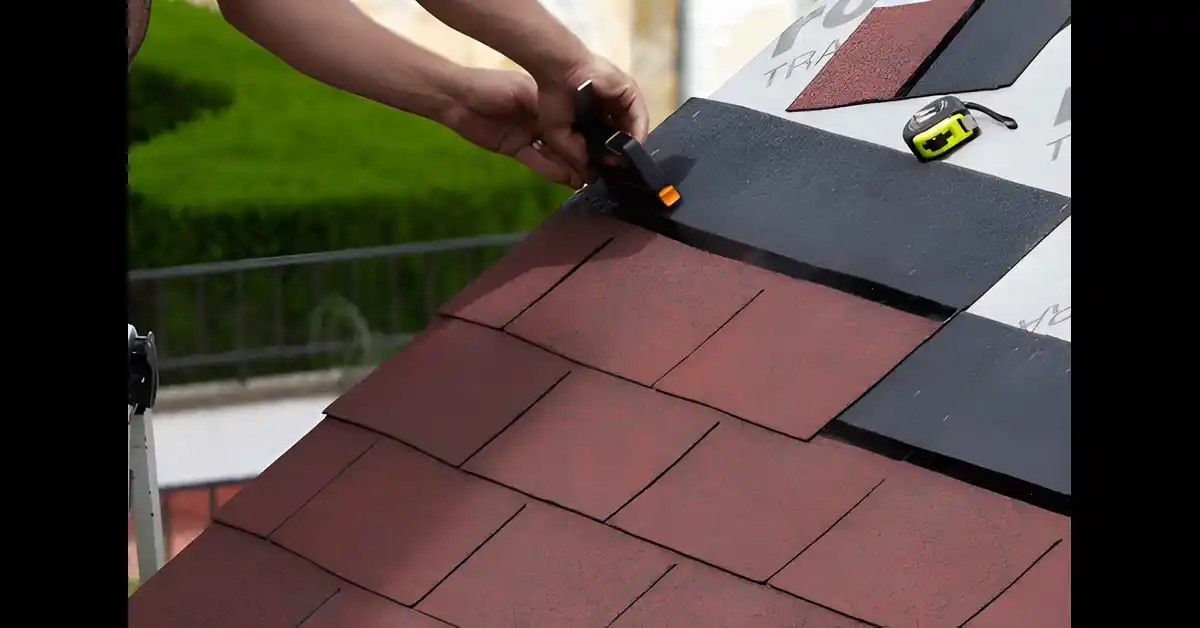
Proper underlayment, drip edge, ice-and-water shield, correct nailing (4–6 nails per shingle), starter strips, ridge vents.
Maintenance Tips:
- Annual inspections (spring/fall)
- Clean gutters twice yearly
- Remove debris and trim branches
- Address moss/algae promptly
- Repair damage immediately
- Ensure proper ventilation
Lifespan by Type:
- 3-Tab: 15–20 years
- Architectural: 25–30 years
- Luxury: 30–50 years
Learn More: Asphalt Shingle Installation | DIY Guide
Asphalt vs Other Materials
| Material | Cost/SF | Lifespan | Pros | Cons |
|---|---|---|---|---|
| Asphalt | $3–$8 | 15–30 yrs | Affordable, easy install | Shorter life |
| Metal | $8–$16 | 40–70 yrs | Long life, energy efficient | Higher cost |
| Tile | $12–$25 | 50–100 yrs | Extremely durable | Very heavy, expensive |
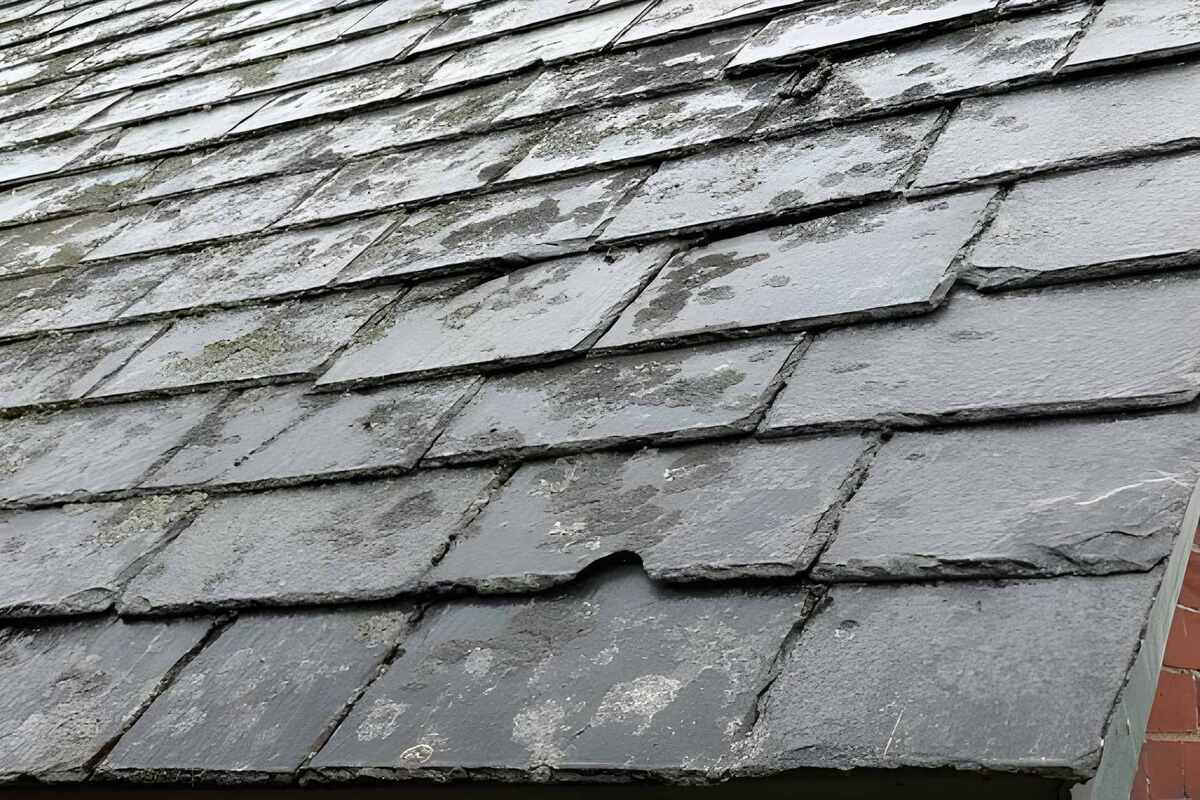
| Slate | $18–$30+ | 75–100+ yrs | Premium look, longest life | Heaviest, highest cost |
Compare All Materials
FAQ
How long do asphalt shingles last?
3-tab last 15–20 years, architectural 25–30 years, luxury 30–50 years.
What’s the difference between 3-tab and architectural?
3-tab are single-layer and flat; architectural are multi-layer, dimensional, and more durable.
How much do asphalt shingles cost?
$3.50–$5.50/sq ft for 3-tab, $5.00–$8.00 for architectural, $7.00–$12.00+ for luxury.
What’s the best brand?
GAF, Owens Corning, and CertainTeed are top choices with strong warranties and availability.
Do I need impact-resistant shingles?
Yes, in hail-prone areas; Class 3–4 reduce damage and qualify for insurance discounts.
Can I DIY install?
Yes, for simple, low-pitch roofs with proper safety equipment and experience.
Conclusion
Asphalt shingles deliver reliable, affordable roofing for most homes. Architectural shingles provide the best value with 25–30 year lifespans and strong warranties. Match performance features to your climate, verify warranties, and ensure proper installation for decades of protection.
Next Steps:
- Calculate Your Project Cost
- Download Selection Checklist
- Find Certified Contractors
🏠 Roofing Tips & Updates
Get free roofing advice, cost guides, and seasonal maintenance tips.
Roofing content specialist with 5+ years researching U.S. residential and commercial roofing. Has documented 200+ projects covering installation costs, material selection, contractor vetting, and DIY guides for homeowners across all climate zones.
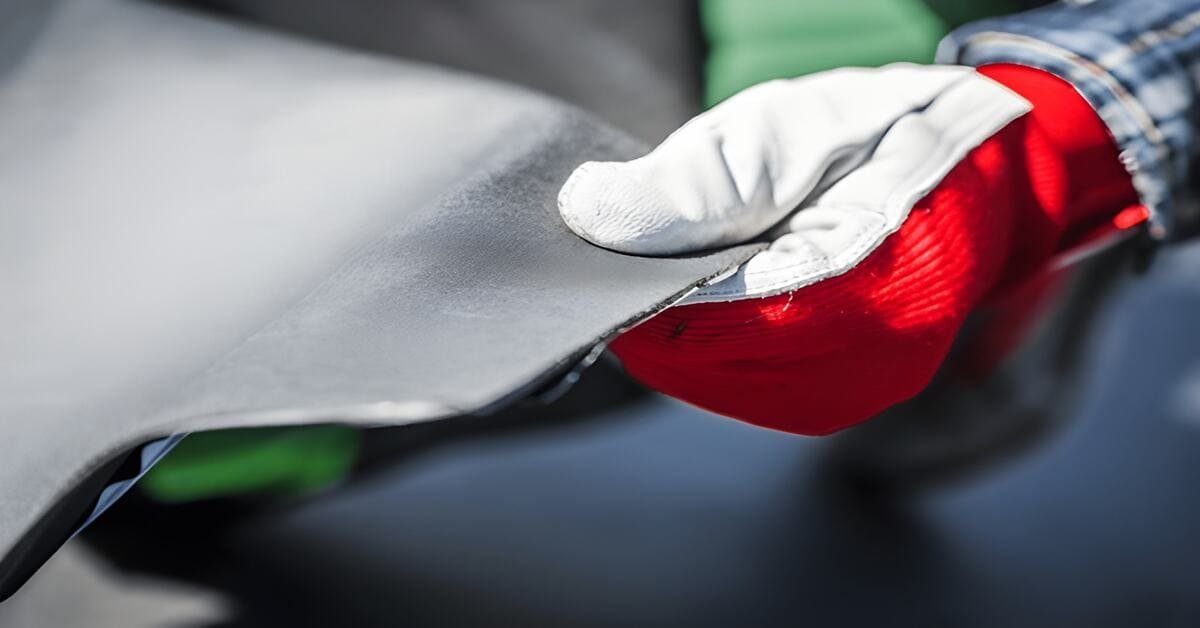
Best Roofing Rubber Material 2026: Types & Installation
Best Roofing Rubber Material 2026: Types & Installation
Table of Contents
Roofing rubber materials have become increasingly popular for residential and commercial roofs, especially flat and low-sloped ones. They offer excellent waterproofing, durability, energy efficiency, and environmental benefits over traditional roofing options. This comprehensive guide explores the different types of roofing rubber material available in 2025, their advantages, installation insights, and maintenance best practices to help you make an informed roofing choice.
What Is Roofing Rubber Material?
The National Roofing Contractors Association classifies EPDM as a thermoset single-ply membrane with a typical service life of 20 to 30 years under normal exposure conditions.
Roofing rubber material mainly refers to synthetic rubber membranes used as roofing surfaces. These membranes provide a continuous, flexible, and watertight layer to protect roofs from water infiltration, UV damage, temperature extremes, and mechanical stresses. They are generally manufactured as large single-ply sheets or rolls, adhered to the roof deck or mechanically fastened.
The primary types of rubber roofing membranes are:
- EPDM (Ethylene Propylene Diene Monomer)
- TPO (Thermoplastic Polyolefin)
- PVC (Polyvinyl Chloride)
Each type features unique properties suited for varying roofing needs.
Types of Roofing Rubber Materials
EPDM Rubber Roofing
EPDM is the oldest and most widely used roofing rubber. It is a durable, black synthetic rubber sheet noted for its weather resistance and flexibility.
Advantages:
- Lifespan of 30 to 50 years with proper maintenance.
- Excellent resistance to sunlight, ozone, and extreme temperatures.
- Highly flexible, accommodating roof movement and thermal expansion.
- Relatively lightweight and easy to install or repair.
- Eco-friendly as it uses recycled rubber tires.
Considerations:
- Black color means higher heat absorption; however, white reflective coatings can be applied.
- Susceptible to shrinkage if improperly installed.
TPO Rubber Roofing
TPO membranes are gaining traction due to their energy-efficient white or light colors, reflective properties, and ease of seam welding.
Advantages:
- Reflects sunlight, reducing cooling costs.
- Heat-welded seams create strong, waterproof bonds.
- Good resistance to chemicals, punctures, and UV rays.
- Lightweight with a lifespan of 20-30 years.
Considerations:
- Quality varies among manufacturers; always source reputable brands.
- Slightly higher upfront cost than EPDM.
PVC Rubber Roofing
PVC roofs are known for chemical resistance and durability, often used in premium roofing applications.
Advantages:
- Excellent fire resistance.
- Chemically resistant to oils, grease, and acids.
- Heat-welded seams provide robust waterproofing.
- Lasts 20-30 years or more.
Considerations:
- Typically more expensive.
- Heavier than EPDM or TPO.
Benefits of Roofing Rubber Materials
- Durability and Longevity
Rubber roofs can last decades longer than asphalt or built-up roofing, enduring harsh weather without cracking, peeling, or becoming brittle. - Waterproofing and Leak Resistance
Seamless or heat-welded membranes create thick, waterproof barriers that minimize leaks and water damage risks. - Energy Efficiency
White or light-colored TPO and PVC reflect solar heat, lowering center HVAC costs and enhancing indoor comfort. - Ease of Installation and Repair
Rubber roofing can be fabricated off-site as large sheets and quickly adhered, flooding many traditional labor hours. Repairs are often as simple as patching or resealing. - Eco-Friendly Choice
EPDM uses recycled tire rubber, and most rubber roofing manufacturers recycle old membranes. Some coatings improve energy efficiency further.
Installation Overview
Proper installation is critical to maximizing roofing rubber material lifespan. General steps include:
- Roof deck preparation: Clean and smooth surface, install insulation if needed.
- Membrane placement: Rolls or sheets are unrolled on site, aligned, and adhered with adhesives or mechanically fastened.
- Seam welding or taping: EPDM seams are glued or taped; TPO and PVC are heat-welded.
- Flashing installation: Around roof penetrations and edges with compatible rubber flashing.
- Inspection and quality control: Check seams, fastening, and adhesion.
DIY installation is possible for some EPDM products, but commercial or complex roofs typically require certified contractors.
Maintenance Tips
- Inspect roof semi-annually for punctures, hail damage, or seam separation.
- Remove debris promptly, and clean with manufacturer-approved detergents.
- Avoid sharp objects or foot traffic that can damage membranes.
- Regularly inspect flashings and seals; reseal as needed with compatible sealants.
- Schedule professional checks every few years for early detection of wear.
Market Trends & Innovations for 2025
- Increased adoption of reflective TPO roofing for climate-friendly builds.
- New hybrid membranes combining rubber durability with enhanced chemical resistance.
- Advanced coatings offering self-cleaning and anti-microbial properties.
- Growing popularity of liquid-applied rubber coatings for roof restoration.
- Enhanced recycling programs reducing environmental footprint.
Conclusion
Rubber roofing materials offer a compelling combination of longevity, waterproof protection, and energy efficiency for roofs in 2025. EPDM remains a budget-friendly workhorse, while TPO and PVC present advanced options for energy savings and durability. Whether you own a residential flat roof or commercial building, choosing the right rubber roofing material and maintaining it properly will protect your investment and comfort for decades.
How to install a rubber roof | Is it difficult?
🏠 Roofing Tips & Updates
Get free roofing advice, cost guides, and seasonal maintenance tips.
Roofing content specialist with 5+ years researching U.S. residential and commercial roofing. Has documented 200+ projects covering installation costs, material selection, contractor vetting, and DIY guides for homeowners across all climate zones.