Preloader Close
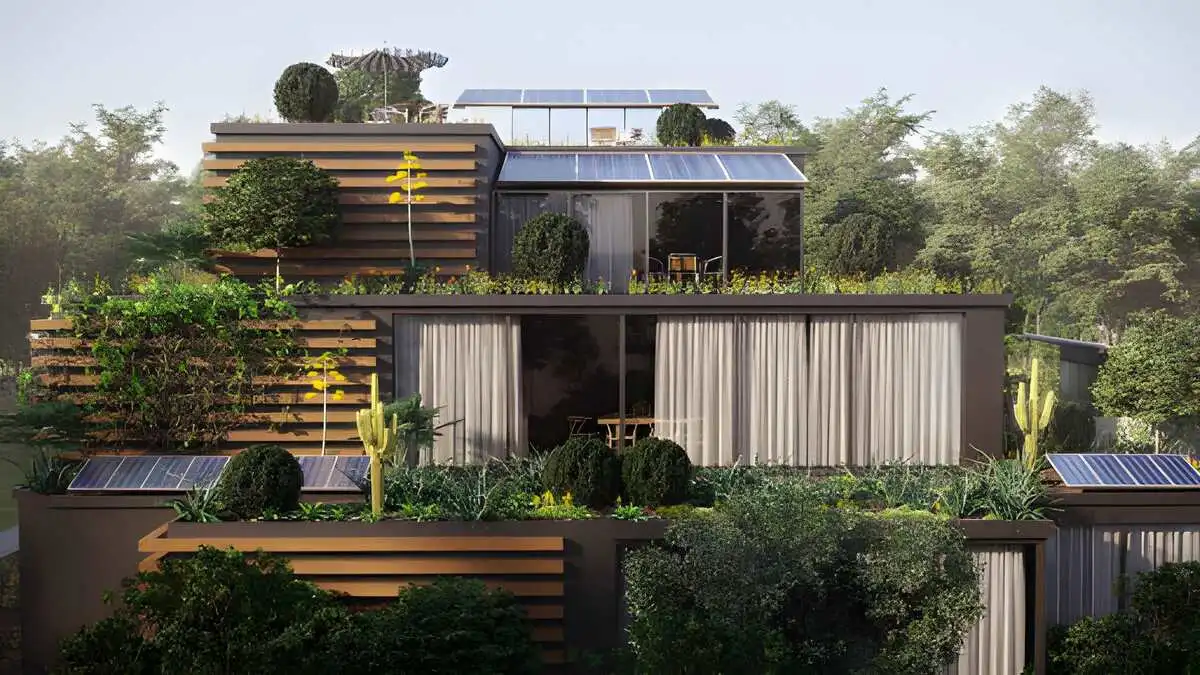
Your roof covers everything you love.
It keeps your family, your home, and your things safe. If you make the right choice, it can also keep something much bigger safe. The roof of the ordinary American home covers 1,500 to 3,000 square feet, absorbs decades of sunlight, and needs to be replaced every 15 to 30 years. When you multiply that by the 140 million homes in the U.S., the roofing industry’s environmental impact becomes huge: some 11 million tons of asphalt shingle debris ends up in U.S. landfills every year.
But here’s something no one tells you while you’re in the roofing aisle: the greenest choice you make isn’t simply about the material itself. It’s about the whole life cycle: how the material is made, how long it lasts before it needs to be replaced, how much energy it reflects or absorbs while it’s on your home, and what happens to it when it finally comes off. A product that lasts 15 years and is sold as “eco-friendly” is nearly never greener than a regular product that lasts 50 years.
This guide cuts through the greenwashing to offer you a full, honest picture of the greenest roofing materials available in 2026. It tells you how much they cost, how well they work, and what the research really says about how they affect the environment.
Table of Contents
Why Your Roofing Material Choice Is an Environmental Decision
Most people who own homes think of roofing as a way to keep their homes in good shape. When it leaks, get a new one. Select the least expensive choice that fits the law. Go ahead.
What that framework doesn’t take into account is the chain of environmental effects that come with every roofing choice. Standard asphalt shingles, which cover around 80% of homes in the United States, are made from oil. They are made of bitumen, a heavy crude oil derivative, fiberglass matting, and mineral granules that are put on top of them. They release a lot of carbon into the air when they are made, they create garbage when they are installed, and practically everyone throws them away when they are done with them.
The other options present a very different story.
Metal roofing constructed from recycled steel or aluminum have 25% to 95% recycled material and can be recycled 100% at the end of their life. In congested districts, cool roof coatings on any material can lower the urban heat island effect by 2 to 5 degrees Fahrenheit. In cities, living green roofs soak up runoff, store carbon, and bring back habitats. Solar shingles protect the building underneath while making electricity. Every year, millions of tires and plastic bottles are kept out of landfills by composite shingles made from recycled rubber and plastic.
There are greenest roofing solutions out there. Yes, they do. The question is which one is best for your home, your climate, your budget, and what you mean by “green.”
What Does It Mean for a Roof to Be “greenest roofing”?
It’s important to know what “green” means in the context of roofing before assessing eco-friendly roofing materials, since the marketing sector has made the word less helpful.
A really greenest roofing material works well in a number of environmental areas at the same time:
- Recycled content: How much of the product is made from materials that were used by people before or after they bought it?
- Manufacturing carbon footprint: How much CO₂ is made for every square foot of material that is installed?
- Energy performance: How much solar heat does the roof reflect or absorb? What does that signify for the heating and cooling loads?
- Longevity: How long does the roof survive before it needs to be replaced? How does a longer lifespan effect the roof’s overall environmental impact over its lifetime?
- Recyclability at the end of its life: Can the material be recycled or used for something else when it is no longer useful, or does it go straight to the landfill?
- Local sourcing potential: Is it possible to make the material in the area, which would cut down on transportation emissions?
- Stormwater management: Does the roof aid or hurt the flow of stormwater?
There is no one substance that works properly in every way. The best roofing choice for a homeowner in Phoenix (who should search for materials that reflect solar energy and are resistant to drought) is significantly different from the best choice for a homeowner in Seattle (who should look for materials that last a long time and resist moss) or Chicago (who should look for materials that have a lot of thermal mass and resist ice dams). The talk of greenest roofing can’t be separated from the climate backdrop.
The Most Eco-Friendly Roofing Materials in 2026
1. Recycled Metal Roofing: The Best of the Best
Recycled metal roofing provides the strongest overall case for being the greenest roofing material that can be used in the most situations.
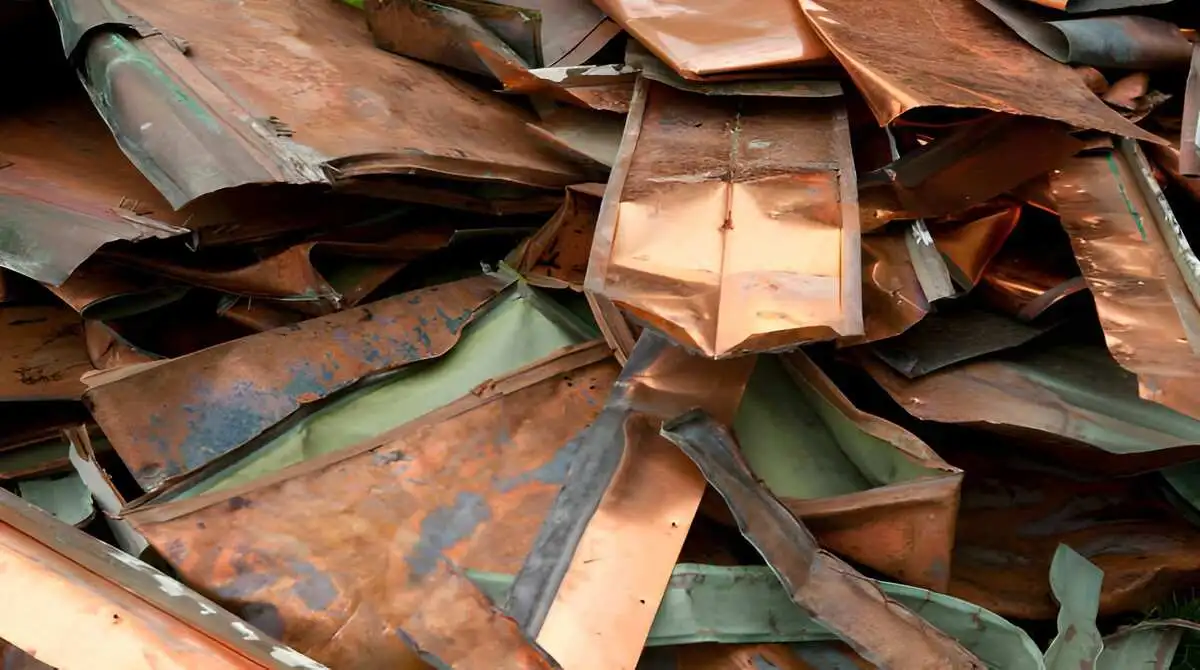
Steel roofing panels made with recycled steel contain 25% to 95% recycled steel. This material has been recycled for more than a century without losing quality. Aluminum roofs are made from 50% to 90% recycled aluminum, which takes only 5% of the energy to make compared to new aluminum. When the metal panel is no longer useful, it may be recycled 100% of the time. It doesn’t go to a landfill; it goes back into the production process.
The disagreement about how long anything lasts is just as strong. A properly fitted metal roof can last anywhere from 40 to 70 years. In that same 70-year period, a conventional asphalt shingle roof would need to be replaced three to four times, which would mean three to four loads of shingle debris going to the landfill. In contrast, the metal roof that lasted the longest would not have any garbage going to the landfill.
The energy performance of metal roofing is another plus. Metal panels that are light-colored and approved for cool roofs reflect 60–70% of the sun’s rays that hit them, while typical asphalt shingles only reflect 25–35%. The U.S. Department of Energy says that ENERGY STAR-certified metal roofing cuts down on the amount of energy used for cooling by 7–15% each year in warm climates. This is a long-term advantage for the environment and your wallet.
The truth is that making metal roofs takes a lot of energy, and making new steel costs a lot of carbon up front. Recycled metal roofing is most environmentally friendly when it has a lot of recycled content (50% or more), when it is put in an area where it can reflect light well, and when it replaces a material that would need to be replaced many times during its lifetime.
Eco profile:
- 25% to 95% of the material is recycled.
- When it’s done, it may be recycled 100%.
- Life span: 40 to 70 years
- Energy efficiency: Very good (there are variants with cool roofs)
- Cost of installation: $5 to $14 per square foot
2. greenest roofing’s best product is metal roofing with solar integration.
When you combine the greenest roofing material with distributed renewable energy generation, the environmental math changes a lot. Standing seam metal roofing is the best base for photovoltaic solar panels.
Solar panels on standing seam metal roofs use clamp systems that don’t go through the roof. These systems attach to the elevated seams without going through the roof, which keeps the roof’s weatherproofing intact while boosting energy generation capacity above. A solar array that is the right size for a metal roof may offset 60 to 100 percent of a home’s annual electricity use. This turns the roof from a passive shelter into an active clean energy generator.
The newest types of solar shingles, such Tesla Solar Roof, GAF Energy Timberline Solar, and SunRoof integrated panels, go even further by making roofs where every tile protects the building and makes electricity. These devices cost a lot up front ($20–$45/sf installed), but they save you money on roof replacement and generate power, making them very cost-effective over 20–30 years, especially in states where electricity is expensive.
For homeowners who want to get the most environmental benefit out of every dollar spent on roofing, the best option right now is a mix of recycled metal roofing and solar panels.
Eco profile:
- Recycled content: 25% to 95% (for a metal base)
- Energy performance: generating more electricity than it uses
- Life span: 25 to 40 years for solar parts and 40 to 70 years for metal substrate
- Carbon payback time: 1 to 4 years (solar panels make up for the emissions from making them by making clean energy)
- Cost to install: $10 to $45 per square foot, depending on the type of solar integration
3. Living Roofs (sometimes called Green Roofs) are the ecological powerhouse.
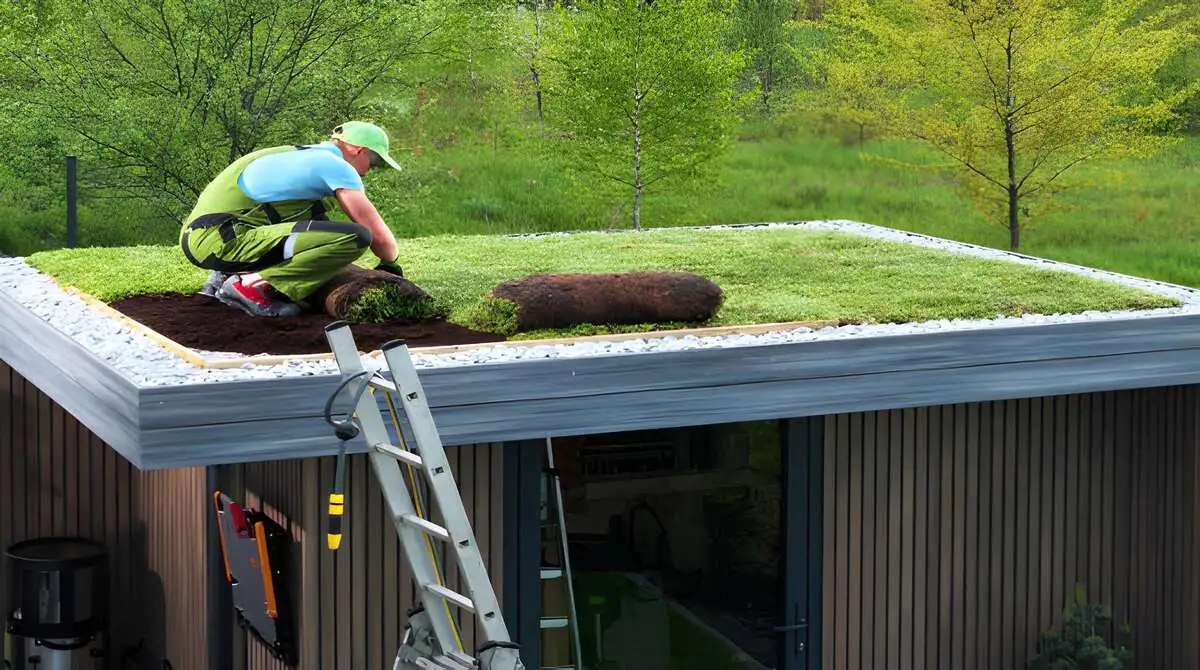
A living roof is the most complicated and ambitious of all eco-friendly roofing materials. It is a vegetated roofing system where plants grow directly on a multi-layer waterproofing and growing medium assembly.
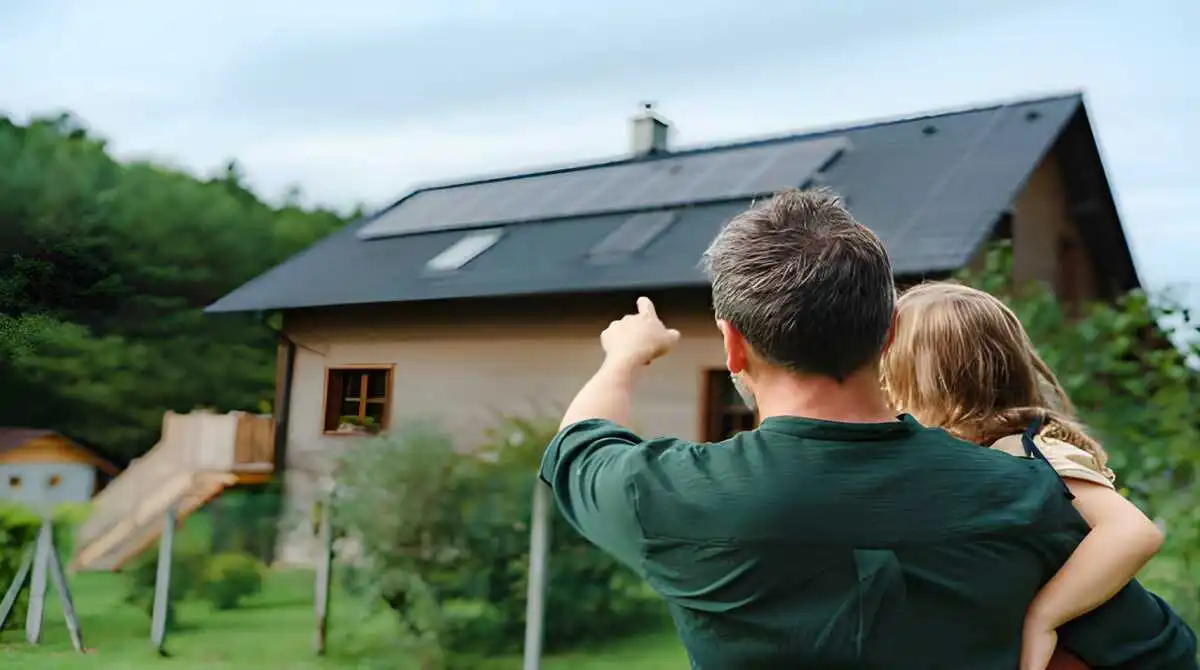
Living roofs soak up 50–90% of summer rain, which greatly lowers the amount of stormwater runoff that floods urban drainage systems. They give animals a place to live directly, which is especially important for pollinators in cities where native plant habitat has been destroyed. They help temper the urban heat island effect by letting water evaporate. They add a lot of thermal mass, which lowers the heating and cooling needs of the building. And the plant communities that grow on them use photosynthesis to store carbon.
There are two main types of living roofs. Extensive greenest roofing employ a shallow growing media (3–6 inches) planted with low-maintenance sedums, grasses, and wildflowers. They weigh 15–50 pounds per square foot when wet, need little upkeep after they are set up, and are good for most homes with a little extra support. Intensive greenest roofing employ a deeper growing media (8–24+ inches) that can hold shrubs, perennials, and even small trees. They weigh 80–150+ lbs per square foot and need a lot of structural engineering, but they make real rooftop ecosystems.
There are significant problems. Living roofs need careful structural evaluation because they are much heavier than regular roofing materials. They also need professional waterproofing installation (the waterproofing membrane under the growing medium must be perfect; a leak in a living roof is very expensive to find and fix) and ongoing horticultural care.
This is a difficult subject to understand, but this make it easier. The most environmentally friendly roofing method is living roofs, but only when they are properly designed, structurally sound, and installed by professionals on buildings in regions where plants may grow.
Eco profile:
- 50% to 90% of stormwater can be absorbed.
- Urban heat island reduction: 3–7°F drop in local temperature
- Life duration (waterproofing): 40 to 60 years when protected by a growth medium
- Carbon sequestration: still going on (depends on how dense the plant community is)
- Cost to install: $15 to $35 per square foot (extensive); $35 to $75 per square foot (intense)
4. Shingles made of recycled rubber and plastic composite are the landfill diverters.
The United States makes over 290 million trash tires per year. One of the most interesting tales in the building materials sector about the circular economy is how recycled rubber and plastic composite shingles turn trash into strong roofing materials.
EcoStar Inspire, Euroshield Rubber Roofing, and DaVinci Roofscapes composite shingles are made using up to 95% recycled materials, mostly old tires and plastic waste from factories. They are made to seem like slate, wood shake, or regular shingles, but they often work better than the actual materials they look like. Most of them have Class 4 impact ratings, which is the maximum possible. This makes them especially useful in areas where hail is common.
Another good thing is how long it lasts. High-quality recycled rubber shingles come with 40–50 year manufacturer guarantees. They last two to three times longer than regular asphalt shingles and cost about the same to install ($5–$10/sf). These goods are some of the most practical eco-friendly roofing materials for homeowners who want to help the environment without spending a lot of money. They have a lot of recycled content, last a long time, and are resistant to damage.
The truth is that recycled rubber roofing can’t be recycled at the end of its life in most markets right now. In most circumstances, the material that didn’t go to the dump as a tire will end up there as a shingle. There are some ways to recycle rubber that are getting better, but people recognize that this is a weak point in the product’s environmental credentials.
Eco profile:
- Content that has been recycled: 75–95% (tires and plastic from people who have used them)
- Energy performance: Comes in colors that are approved for cool roofs
- Life span: 40 to 50 years
- At the end of life, it can only be recycled a little bit (although it’s becoming better).
- Cost to install: $5 to $10 per square foot
5. The Natural Choice: Reclaimed and FSC-Certified Wood Shingles
The environmental impact of wood shake and shingle roofing is very intricate and depends nearly entirely on where it comes from.
Reclaimed wood shingles are a type of roofing that has a very low impact on the environment. They come from historic buildings that were torn down, old-growth timber buildings, or thinning operations in forests that are maintained in a way that is good for the environment. The wood’s carbon was taken out of the air decades ago and will stay there for the life of the roof. No new forest is cut down, making energy is low, and the material may be completely broken down when it is no longer needed.
The next level is FSC-certified (Forest Stewardship Council) new wood shingles. This means that the forest is managed in a way that protects biodiversity, replanting, and regulates the rate of harvest, which keeps the carbon stores in the forest steady over time. Western red cedar is the most common type of cedar. It is valued for its natural oils, which make it very resistant to decay and insects without the need of chemicals.
But there are a lot of practical problems with wood shingles. Untreated wood shingles don’t do well in fires (Class C or worse), which is a big safety and insurance concern in areas where fires are common. Metal or composite alternatives are easier to care for than this one. Quality cedar lasts 20 to 30 years, which implies it needs to be replaced more often than metal or composite competitors.
Wood shake needs to be treated for moss and cleaned on a regular basis to keep it from getting damaged too soon in damp Pacific Northwest weather or humid coastal places. People who live in dry areas often care more about fire safety than the environment.
Eco profile:
- Content that has been recycled or reclaimed: 100% for reclaimed and 0% for new
- Carbon sequestration: Good (it stores carbon from the air for the whole time it is in use)
- Cedar lasts 20 to 30 years, whereas recovered old-growth lasts longer.
- At the end of its life, it can be burned for energy or fully broken down.
- Cost to install: $7–$12/sf
6. Natural Slate: The Choice for Many Generations
Natural slate roofs have been keeping buildings safe for hundreds of years. When you think about how long a material really lasts (100–150 years), the cost of quarrying and the amount of carbon it releases start to appear very different.
Slate is a type of stone that is cut into thin sheets and then cemented together. There isn’t much to the manufacturing process: no chemical changes, no petroleum derivatives, and no synthetic coatings. The carbon in slate comes mostly from the energy used to quarry and transport it, not from any chemicals used in the manufacturing process.
Slate’s greenest roofing credentials are based on its long life. A slate roof put on now will probably still be sheltering the structure in 2176. During that same 150 years, an asphalt roof would need to be replaced 6 to 10 times, which would create 6 to 10 cycles of manufacturing emissions, installation waste, and landfill disposal. Even though it costs more to install one slate, it probably wins the lifecycle carbon analysis over a hundred years of comparison.
The problems are just as genuine. Natural slate is hefty (800–1,500 lbs per square), therefore you need to get structural engineering approval before you install it. There are fewer and fewer skilled slate installers, and they charge a lot more for their work. Not all slate is the same, though. Vermont and Pennsylvania slate is high quality and made in the US. Some imported slate has bad quality control and comes apart in a few decades. Source is really important.
Eco profile:
- Recycled content: 0% (stone from a quarry)
- Making carbon: moderate (quarrying and shipping)
- Quality slate lasts for 100 to 150 years.
- End of life: Can be saved and used again; completely inert
- Cost to install: $15 to $30 per square foot
7. Cool Roof Coatings: The Cheap Way to Improve
Not every homeowner is ready to replace their whole roof. And for people whose roofs are still working but don’t need to be replaced yet, cool roof coatings are the easiest and most effective eco-friendly roofing upgrade you can have right away.
Cool roof coatings are elastomeric or acrylic coatings that are put directly on top of existing roofing materials, like flat roofs, low-slope membranes, and even metal roofs. They reflect 70–85% of the solar energy that hits them, while ordinary uncoated roofing only reflects 5–25%. This cuts down on the amount of heat that gets into the building below.
The effect on the environment is direct and can be measured. The Heat Island Group at the Lawrence Berkeley National Laboratory says that if a lot of U.S. cities adopted cool roofs, it could lower city temperatures by 2 to 3°F. This would be enough to significantly lower the heat island effect, which causes more air conditioning use, ozone formation, and heat-related illnesses in densely populated areas.
A white elastomeric cool roof coating on a flat-roofed home or business building costs $1–$3 per square foot. It saves energy right away, extends the life of the membrane underneath it by reflecting UV radiation, and helps reduce the urban heat island effect at the lowest possible cost for any greenest roofing intervention.
Eco profile:
- Solar reflectance: 70 to 85%
- Energy savings: in warm climates, cooling costs might go down by 15% to 30%.
- Lifespan (coating): 10 to 20 years before it needs to be recoated
- Cost of application: $1 to $3 per square foot over existing roofing
- Best use: rooftops that are flat or have a modest slope in warmer places
Greenest Roofing Materials at a Glance
| Material | Recycled Content | Lifespan | End-of-Life | Energy Performance | Installed Cost/sf |
|---|---|---|---|---|---|
| Recycled metal roofing | 25–95% | 40–70 yrs | 100% recyclable | ⭐⭐⭐⭐⭐ | $5–$14 |
| Metal + solar integration | 25–95% | 40–70 yrs | 100% recyclable | ⭐⭐⭐⭐⭐ | $10–$45 |
| Living / green roof | N/A | 40–60 yrs | Biodegradable | ⭐⭐⭐⭐⭐ | $15–$75 |
| Recycled rubber/plastic | 75–95% | 40–50 yrs | Limited recycle | ⭐⭐⭐⭐ | $5–$10 |
| FSC certified wood | 0–100% | 20–30 yrs | Biodegradable | ⭐⭐ | $7–$12 |
| Natural slate | 0% | 100–150 yrs | Fully reusable | ⭐⭐⭐ | $15–$30 |
| Cool roof coating | 0% | 10–20 yrs | Limited | ⭐⭐⭐⭐⭐ | $1–$3 |
| Standard asphalt shingles | 0–5% | 15–25 yrs | Landfill (mostly) | ⭐ | $2–$6 |
How to Choose the Greenest Roofing for Your Specific Home
The table above illustrates a range of values. Real choices are more complicated. Based on your situation, here are some practical ways to make a decision:
If your priority is lowest lifecycle environmental impact: choose recycled metal roofing or natural slate, depending on your budget. Both last a long time, which makes the increased initial environmental cost seem small in comparison.
If your priority is maximizing energy performance: you can get metal roofing with an ENERGY STAR cool-roof coating or solar shingles if your electricity expenses make the investment worth it.
If your priority is circular economy and waste diversion: Recycled rubber or plastic composite shingles are the best choice for a circular economy and waste diversion because they have the most recycled content of any readily available roofing material.
If you have a flat or low-slope roof and want to make a big difference right away without spending a lot of money, the first thing you should do is put a cool roof coating over the existing roof.
If you care about urban ecology and stormwater management, living/green roof systems are a good choice as long as your building is strong enough and you live in an area with enough rain to support plants.
If you want your roof to last for a long time across generations, use natural slate from a reputable high-quality local or ethical import supplier and hire a qualified slate roofer to install it.
If money is the only thing that matters, recycled rubber composite shingles for $5–$10/sf are the greatest option for homeowners who can’t afford metal or slate. They have a high recycled content, last a long time, and are affordable.
The Question Nobody Asks — But Should
The greenest roofing industry doesn’t want to talk about this, but the truth is that the best thing you can do for the greenest roofing decision is typically to wait to replace a roof that is still working.
Every time a roof is replaced, there is demolition trash, transportation emissions, and carbon emissions from making the new material, no matter how eco-friendly it is. If your asphalt roof has 8 to 10 years of useful life left, replacing it with recycled metal roofing today doesn’t help the environment until the metal roof’s lifecycle savings outweigh the cost of replacing it in terms of carbon.
Make what works last longer. Take care of what you can. When you really need to replace anything, choose the greenest roofing choice. A really ecologically literate roofing approach looks like that order, not just picking the greenest roofing material when you’re ready to buy.
Choose with the whole lifecycle in mind when it’s time to replace something. The options are better now than they have ever been.
Frequently Asked Questions
What kind of roofing material is the most eco-friendly?
Recycled metal roofing is the greenest roofing material for most homeowners. It is made of 25–95% recycled steel or aluminum, can be recycled at the end of its life, lasts 40–70 years, and has cool-roof energy performance that cuts cooling costs by 7–15% each year. Living green roofs are better for the environment in cities, and natural slate lasts the longest, at 100 to 150 years. However, recycled metal is the greatest choice for the most homeowners since it has the best mix of greenest roofing credentials, performance, and ease of use.
Are rubber shingles made from recycled materials really good for the environment?
Yes, recycled rubber shingles manufactured from used tires and plastic have 75–95% recycled content, keep a lot of trash out of landfills, come with 40–50 year guarantees, and are less likely to be damaged by impacts than most other types of roofing. The fact that most rubber composite shingles go to the garbage when they are changed is a known weakness in their greenest roofing credentials. Recycled rubber composites are a great choice for homeowners who want eco-friendly roofing materials that are easy to get and don’t cost a lot of money like metal or slate.
Do green roofs work on homes?
Yes, most homes can have extensive greenest roofing with shallow growth medium and sedum plants. The expense of engineering and reinforcing the roof is usually between $1,000 and $3,000. They work best on flat or low-slope roof sections, and they are especially useful in cities for managing rainwater and lowering heat islands. Intensive greenest roofing that hold more soil and bigger plants need a lot of structural engineering and are not as prevalent on single-family homes.
Is it worth it to get a cool roof to save energy?
For homes in warm climates (IECC zones 1–3, which covers the Southern U.S., Southwest, and coastal areas), ENERGY STAR-certified cool roofing can save you 7–15% on your cooling expenditures per year—$75–$300 per year, depending on the size of your home, the climate, and the cost of energy. In cold climes, the energy balance is better because the extra heat that is absorbed in the winter makes up for some of the savings in cooling in the summer. Cool roof coatings are the cheapest way to start, costing $1 to $3 per square foot. Cool-roof-rated metal panels do the same thing as a 40- to 70-year roofing system.
What makes natural slate better than metal as a greenest roofing material?
Natural slate and recycled metal roofing both have strong environmental arguments, but they come from different places. Slate lasts longer (100 to 150 years compared to 40 to 70 years for metal) and can be reused at the end of its life (slate can be rescued and put back in place). Metal is better than slate because it has more recycled material (25–95% versus 0%), it uses less energy (reflective coatings), and it is easier to get to (slate is heavy and needs structural engineering; installing it takes increasingly rare professional labor). Recycled metal is easier for ordinary homes to get, but for heritage buildings or homeowners who want to construct roofing that lasts for generations, high-quality slate makes a strong case for being better for the environment.
Which eco-friendly roofing materials have the most recycled content?
Recycled rubber and plastic composite shingles are the most eco-friendly roofing materials that are widely used. They are made from 75–95% post-consumer recycled tires and plastic.Recycled aluminum roofing panels come next, with 50 to 90 percent recycled aluminum content. Depending on the manufacturer and product line, recycled steel roofing panels can have 25% to 95% recycled material. Most commercial asphalt shingles have 0–5% recycled content, but there is a new type of asphalt shingle that uses reclaimed rubber crumb.
🏠 Roofing Tips & Updates
Get free roofing advice, cost guides, and seasonal maintenance tips.
Roofing content specialist with 5+ years researching U.S. residential and commercial roofing. Has documented 200+ projects covering installation costs, material selection, contractor vetting, and DIY guides for homeowners across all climate zones.
Leave A Comment