5/12 Roof Pitch Meaning: The Ultimate Guide to Understanding Roof Angles
The 5/12 roof pitch meaning describes a specific slope that is crucial for roofing design. Understanding this concept is essential for homeowners and builders alike. Roof pitch influences not only the aesthetic appeal of a building but also its functionality and performance against various weather conditions. In this guide, we’ll delve deep into roof pitches, specifically the 5/12 pitch, exploring its significance, advantages, and considerations.
What is Roof Pitch?
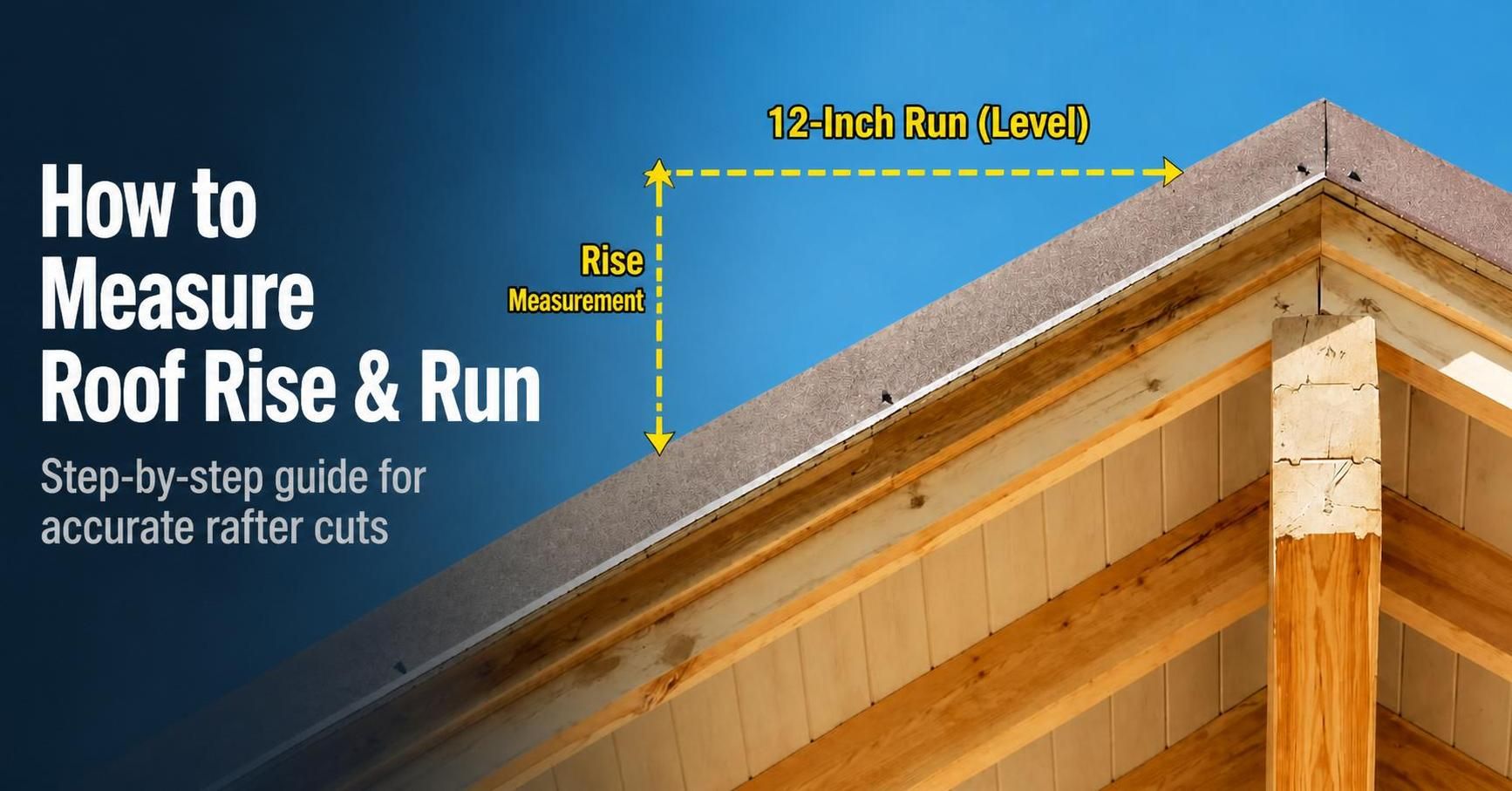
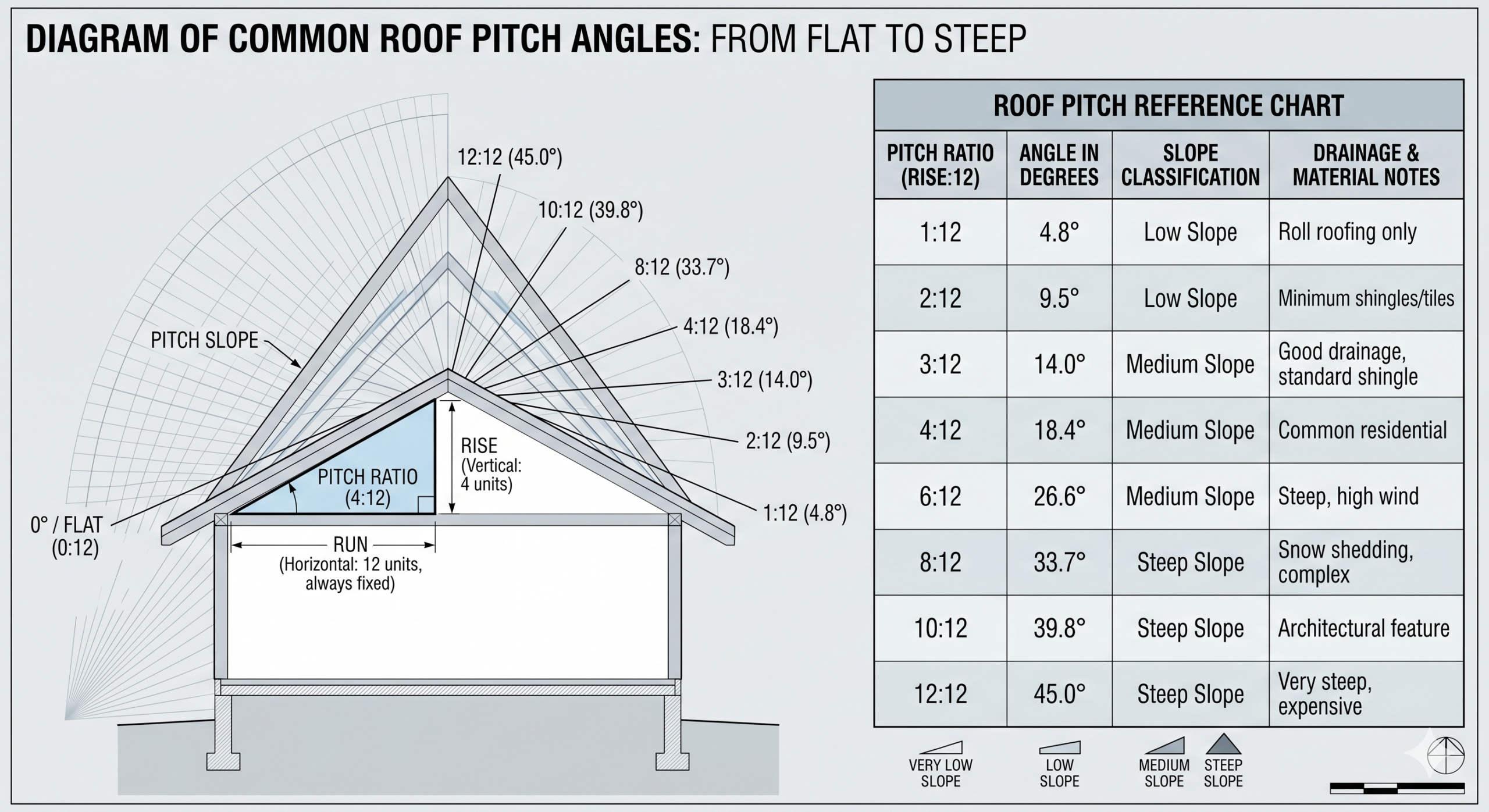
Roof pitch refers to the steepness or slope of a roof. It is calculated as the ratio of vertical rise to horizontal run. For instance, a roof pitch of 5/12 indicates that for every 12 horizontal inches, the roof rises 5 inches. This measurement is crucial in determining how well a roof will redirect water, manage snow loads, and affect the overall look of a home. Understanding roof pitch is key when choosing roofing materials, as some materials perform better on steeper pitches. A properly pitched roof can enhance the durability and lifespan of roofing systems.his architectural diagram illustrates standard residential roof pitches, demonstrating how vertical ‘rise’ over a fixed 12-inch horizontal ‘run’ determines the slope’s angle in degrees and its performance.
Understanding 5/12 Pitch
The 5/12 roof pitch is a common specification in roofing. It is considered a moderate pitch that is aesthetically pleasing while also functional. With a slope of approximately 22 degrees, it provides a balance between good drainage and easy access for maintenance. This pitch is often used in residential homes due to its suitability for various roofing materials. The slope of a 5/12 roof is less steep than high-slope roofs but steeper than low-slope roofs, making it a versatile choice. In locations with heavy snowfall, a steeper pitch can facilitate snow runoff, reducing the risk of leaks caused by ice dams. This pitch is often favored for homes in regions where heavy precipitation is common.Example of a 5/12 Roof Pitch
Advantages of a 5/12 Pitch
Choosing a 5/12 roof pitch comes with several advantages:
Effective Drainage: The slope facilitates water runoff, minimizing the risk of leaks and standing water.
Snow Management: Its pitch helps prevent snow accumulation, reducing the burden on the roof.
Compatibility with Various Materials: Many roofing materials, including asphalt shingles and metal, work effectively on a 5/12 pitch.
Enhanced Aesthetic Appeal: Provides a classic look that complements many architectural styles.
Additionally, roofs with a 5/12 pitch can allow for usable attic space. This feature is beneficial for homeowners seeking extra storage or living space.A 5/12 pitch roof illustrating effective snow management with minimal accumulation.
Common Materials for 5/12 Roofs
Several roofing materials are suitable for a 5/12 pitch. Common choices include:
Asphalt Shingles: Widely used due to their affordability, durability, and ease of installation.
Metal Roofing: Known for its longevity and resistance to severe weather conditions.
Tile Roofing: While stylish, tile can be heavier; ensure your structure can support it.
When selecting materials, consider not just aesthetic concerns, but also the local climate and roofing regulations. For instance, homes in areas prone to heavy rain or snow may benefit from more robust roofing systems.
Considerations for 5/12 Pitch
When installing a roof with a 5/12 pitch, several factors should be taken into account:
Local Building Codes: Always check your local regulations for any restrictions regarding roof pitch.
Ventilation Needs: Proper ventilation is crucial in attics to avoid heat and moisture buildup.
Cost Implications: Budget for both materials and labor when planning your roofing project, as complexity may increase costs.
In some cases, roofs might need modifications based on their existing structures to accommodate the desired pitch. It’s best to consult with a roofing professional for tailored advice.
Inspections and Maintenance
Regular inspections and maintenance are essential for prolonging the lifespan of a roof with a 5/12 pitch. Homeowners should be aware of common issues such as:
Flashing Damage: Inspect roof joints and valleys for signs of deterioration.
Shingle Condition: Check for curling, cracking, or missing shingles.
Drainage Issues: Ensure gutters and downspouts are clear of debris to facilitate proper drainage.
Scheduling professional inspections at least twice a year is wise, especially after severe weather events.
Ready to Upgrade to a Metal Roof in 2026?
Get a free instant estimate for your home , compare standing seam, corrugated, and stone-coated steel with real 2026 pricing before talking to a single contractor.
Understanding the 5/12 roof pitch meaning is vital for anyone involved in roofing. This pitch offers numerous benefits such as effective drainage, snow management, and compatibility with various materials. By choosing a 5/12 pitch and considering the necessary factors for its installation, homeowners can ensure that their roofs are not just visually appealing but also functional and durable.
FAQs
What does a 5/12 roof pitch mean? A 5/12 roof pitch means that for every 12 inches horizontally, the roof rises 5 inches. It indicates a moderate slope. What are the benefits of a 5/12 roof pitch? Benefits include effective drainage, suitability for various roofing materials, and aesthetically pleasing design. Can I use any roofing material on a 5/12 pitch? Most materials, including asphalt shingles and metal roofing, work well on a 5/12 pitch, but always consult local codes. How often should I inspect my roof with a 5/12 pitch? Perform inspections at least twice a year and after significant weather events to catch potential issues early. Is a 5/12 roof pitch suitable for snowy climates? Yes, this pitch helps manage snow runoff effectively, reducing the risk of snow accumulation and related issues. For more information, visit our guides on changing roof pitch and minimum roof pitch for shingles. “`