Roof Underlayment Types: 7 Essential Tips That Make a Difference
Roof Underlayment Types: 7 Essential Tips That Make a Difference
Choosing the right roof underlayment types is crucial for any roofing project. Whether you’re a homeowner, a contractor, or a DIY enthusiast, understanding the differences between various underlayment options can save you time and money. Making an informed choice can significantly impact the longevity and performance of your roof. This article will explore the most common roof underlayment types, detailing their benefits and drawbacks. By the end, you’ll have a clear understanding of the factors to consider when selecting the best underlayment for your roofing needs. Knowing these types is vital for ensuring that your roofing materials perform as intended. We will discuss felt, synthetic, and self-adhering underlayment options, comparing their features, costs, and best uses. You’ll also learn about installation tips and the risks associated with each type to help you make a well-informed decision. Let’s get into the details.
What is Roof Underlayment?
Roof underlayment is a protective layer between your roof deck and the roofing material. It serves as a barrier against moisture, preventing water from penetrating your roof structure. This is essential for maintaining the integrity of your home and avoiding costly repairs later on.
Why is Roof Underlayment Important?
Every homeowner should understand the importance of roof underlayment types. They provide more than just a simple layer of protection; they contribute to the durability and efficiency of your roofing system. Choosing the right underlayment can enhance energy efficiency and extend your roof’s lifespan.Comparison of various roof underlayment types.
Types of Roof Underlayment
1. Felt Underlayment
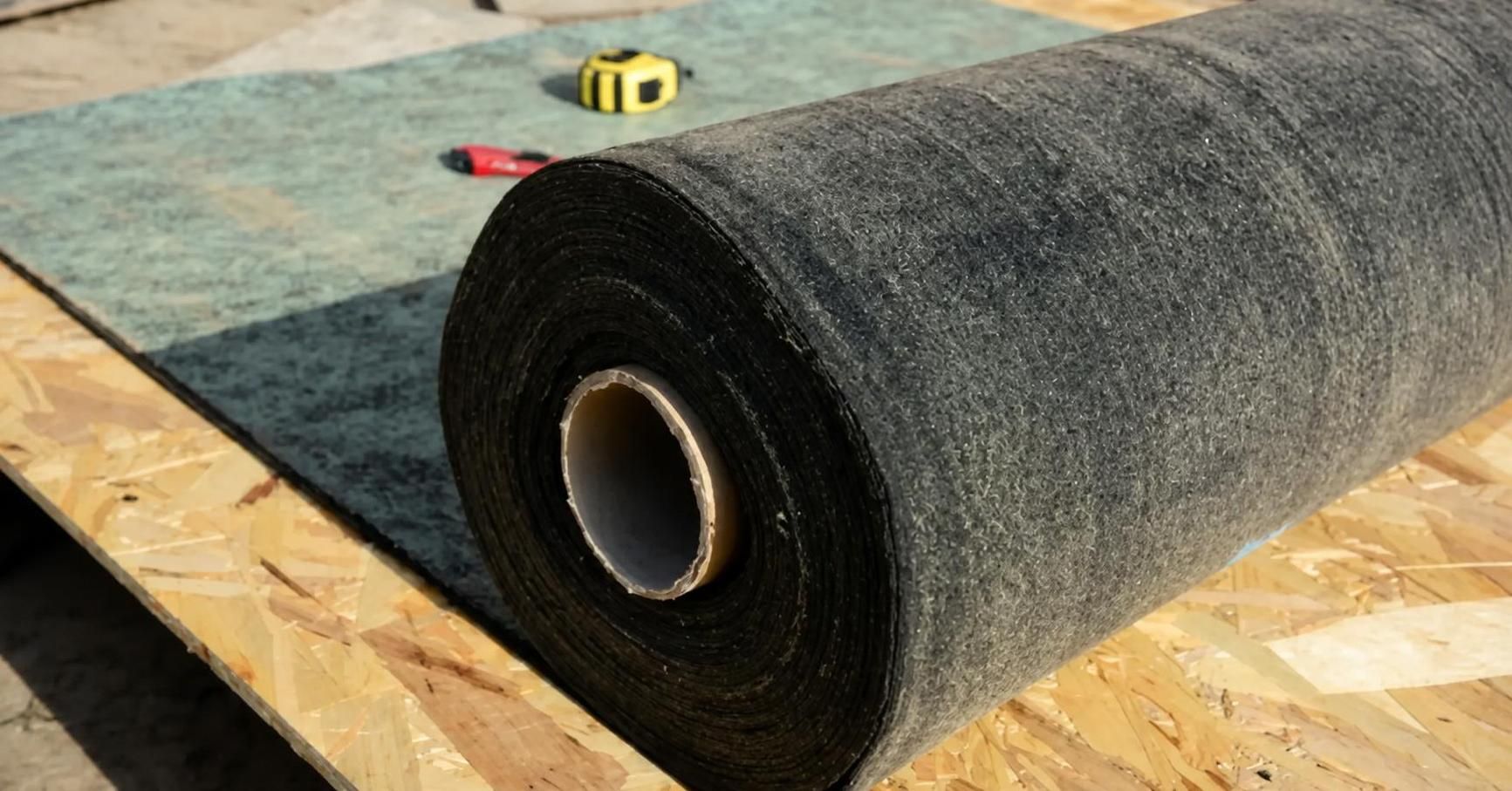
Felt underlayment is one of the most commonly used types. It comes in two main grades: 15-pound and 30-pound. The 30-pound felt is thicker and offers better durability and moisture resistance compared to the lighter option. This traditional choice is often made from organic materials and coated with asphalt for waterproofing. While felt is relatively inexpensive, it can degrade over time, especially if exposed to high temperatures without a proper roofing layer over it. For installations that require a budget-friendly approach, felt underlayment remains popular, although its long-term performance should be considered.Example of felt underlayment application on a roof.
2. Synthetic Underlayment
Synthetic underlayment is a newer option made from woven or spun polypropylene or polyester. This type is lightweight yet stronger than felt. Its moisture resistance capabilities are superior, and it generally lasts longer. Since synthetic underlayment often requires fewer layers, it can reduce installation time. It’s also less susceptible to tearing and moisture. If you live in areas prone to harsh weather conditions, you might want to consider synthetic options for reliability.
3. Self-Adhering Underlayment
Self-adhering underlayment is a premium choice that sticks directly to the roof deck. This type provides exceptional water resistance and a strong barrier against leaks, especially in areas prone to ice dams and heavy rain. While it is the most expensive option, its ease of installation and effectiveness can offer peace of mind. In my roofing consultations, I often recommend self-adhering underlayment for projects where moisture exposure is a concern.
Factors to Consider When Choosing Underlayment
Climate
The local climate greatly affects the choice of roof underlayment types. In areas with heavy snowfall or rainfall, choose synthetic or self-adhering options to prevent moisture-related damage. For milder climates, felt may be sufficient.
Cost
Budget constraints will also influence your underlayment choice. While felt is the most affordable option, it can lead to expensive repairs down the line if not properly protected. Assess your budget alongside the expected lifespan of the materials.
Ease of Installation
Consider how easy the underlayment is to install. Self-adhering underlayment simplifies the process by eliminating the need for nails or staples. However, the final choice often depends on the skill level of the installers and the specific project requirements.Installation methods for various roof underlayment types.
Ready to Upgrade to a Metal Roof in 2026?
Get a free instant estimate for your home , compare standing seam, corrugated, and stone-coated steel with real 2026 pricing before talking to a single contractor.
Understanding roof underlayment types—including felt, synthetic, and self-adhering—can impact your roofing project significantly. The right choice enhances your roof’s efficiency and longevity. Each type has strengths and weaknesses, so evaluate your specific needs carefully. From my experiences in roofing, I’ve seen how the right underlayment can make a major difference. Weigh the costs and benefits of each option and choose the one that best aligns with your goals.
Frequently Asked Questions about Roof Underlayment Types
What is the best roof underlayment for rain?
The best roof underlayment for areas prone to rain is often synthetic or self-adhering underlayment, as these provide superior moisture protection.
Can I use felt underlayment under metal roofing?
Yes, felt underlayment can be used under metal roofing, but consider using a synthetic underlayment for better durability and moisture resistance.
How long does roof underlayment last?
Typically, felt underlayment lasts 10-20 years, while synthetic and self-adhering types can last 25 years or more, depending on conditions. Choosing the right roof underlayment is essential. For further reading on metal roof underlayment and its advantages, check out this link. For a deeper understanding of underlayment and installation processes, visit these resources: Underlayment Overview and Installation Guidelines. “`