Preloader Close
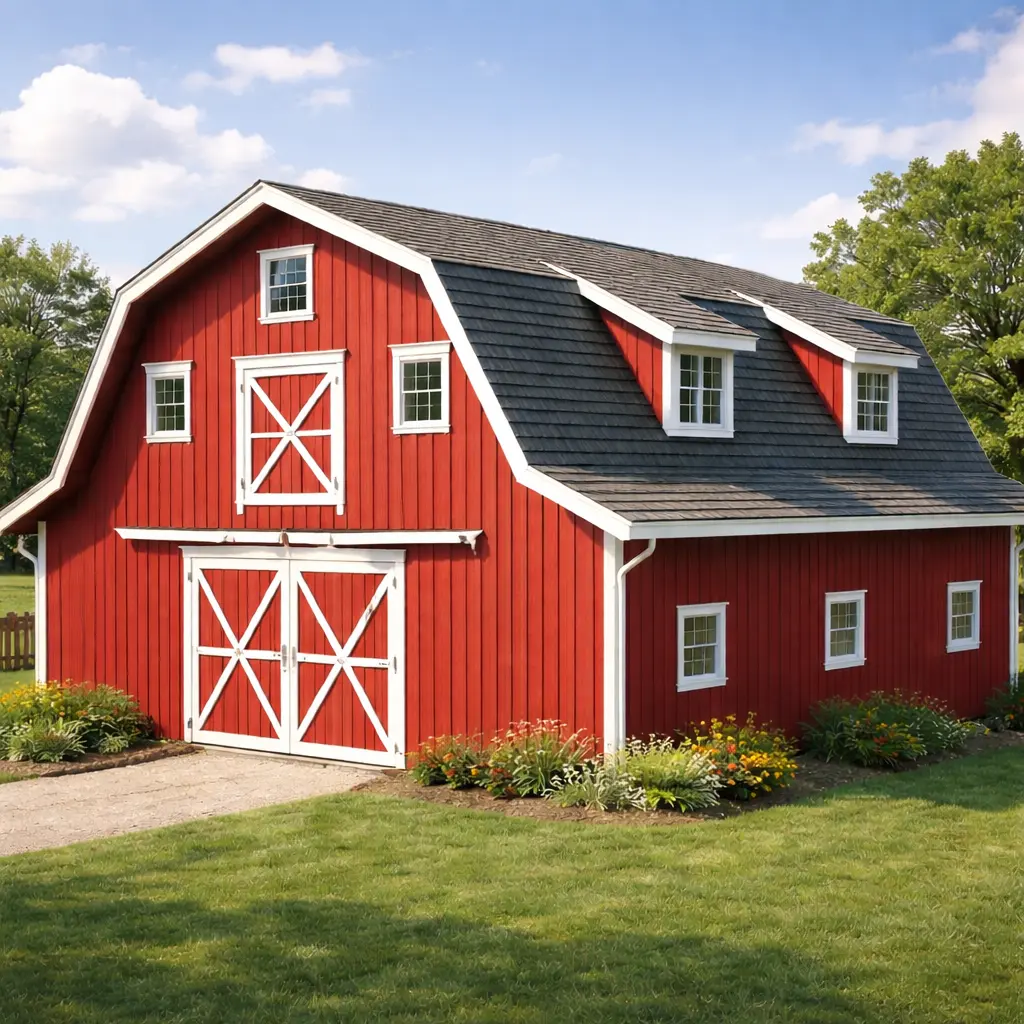
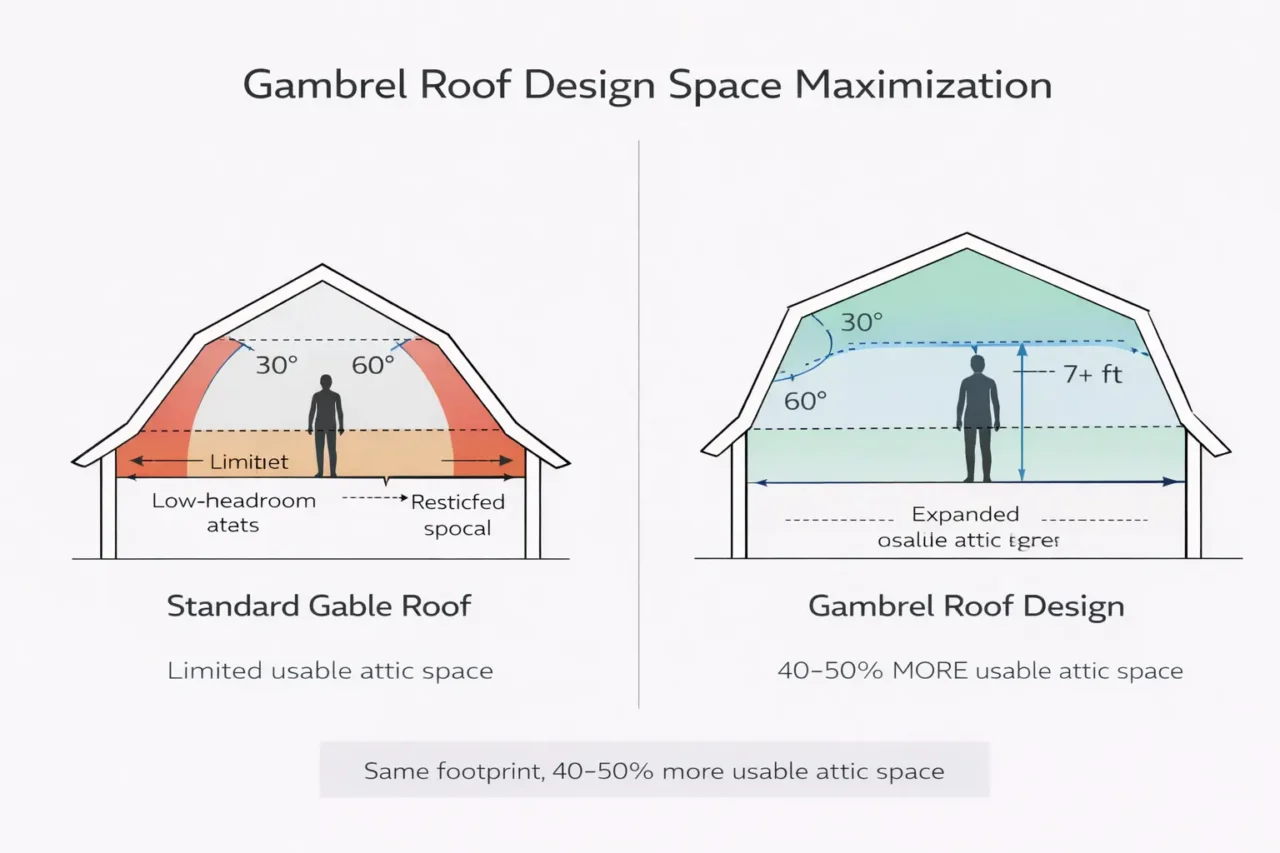
Gambrel roof design features a distinctive two-slope profile on each side a steep lower slope (typically 60-70°) providing maximum interior headroom and a shallow upper slope (20-30°) creating the iconic “barn roof” silhouette that maximizes usable attic space while maintaining efficient water drainage and classic architectural character. This symmetrical two-sided roof style originated from Dutch Colonial and Georgian architecture but has become synonymous with American barn construction because the gambrel roof design delivers 40-50% more usable upper-level space compared to standard gable roofs without increasing building height.
Understanding gambrel roof design requires knowing the five main variations (classic, Dutch, asymmetrical, wall-supported, dormer), typical angle specifications, structural truss requirements, cost factors ($8-$16 per square foot installed), and performance characteristics in different climates. This comprehensive guide explains what defines gambrel roof design, compares gambrel vs gable vs mansard roofs, details each gambrel roof type with applications, analyzes pros and cons, covers roofing materials and installation, and helps homeowners decide if gambrel roof design fits their building needs.
What Is Gambrel Roof Design? (Definition and Characteristics)
Gambrel roof design is a symmetrical two-sided roofing style featuring two distinct slopes on each side rather than the single slope of traditional gable roofs the steeper lower slope extends outward maximizing interior space while the gentler upper slope creates balanced appearance and efficient drainage.
The defining double-slope structure
The hallmark of gambrel roof design is its dual-slope geometry: the upper slope typically positioned at less than 30° provides weather shedding and aesthetic interest, while the lower slope typically not exceeding 60° functions almost like a wall to increase vertical clearance inside the attic or upper floor. Standard gambrel roof design often uses 30° for the peak angle and 60° for the second slope, though these angles can be customized based on building dimensions and space requirements.
Why “gambrel”? (Etymology and history)
The term “gambrel” originates from the shape of a horse’s hind leg when viewed with the lower leg, the joint creates an angle similar to the roof’s profile. This distinctive form became strongly associated with Dutch Colonial architecture in America and subsequently with agricultural buildings where the space-maximizing benefits proved ideal for hay storage and equipment.
How gambrel differs from gable roofs
While both are symmetrical two-sided roofs, gambrel roof design adds a second slope on each side creating the doubled-pitch profile, whereas gable roofs feature single continuous slopes from ridge to eaves. This seemingly simple modification dramatically increases usable attic space gambrel roofs can provide 40-50% more headroom and floor area in upper levels compared to gable roofs with identical building footprints.
Five Types of Gambrel Roof Design (Variations and Applications)
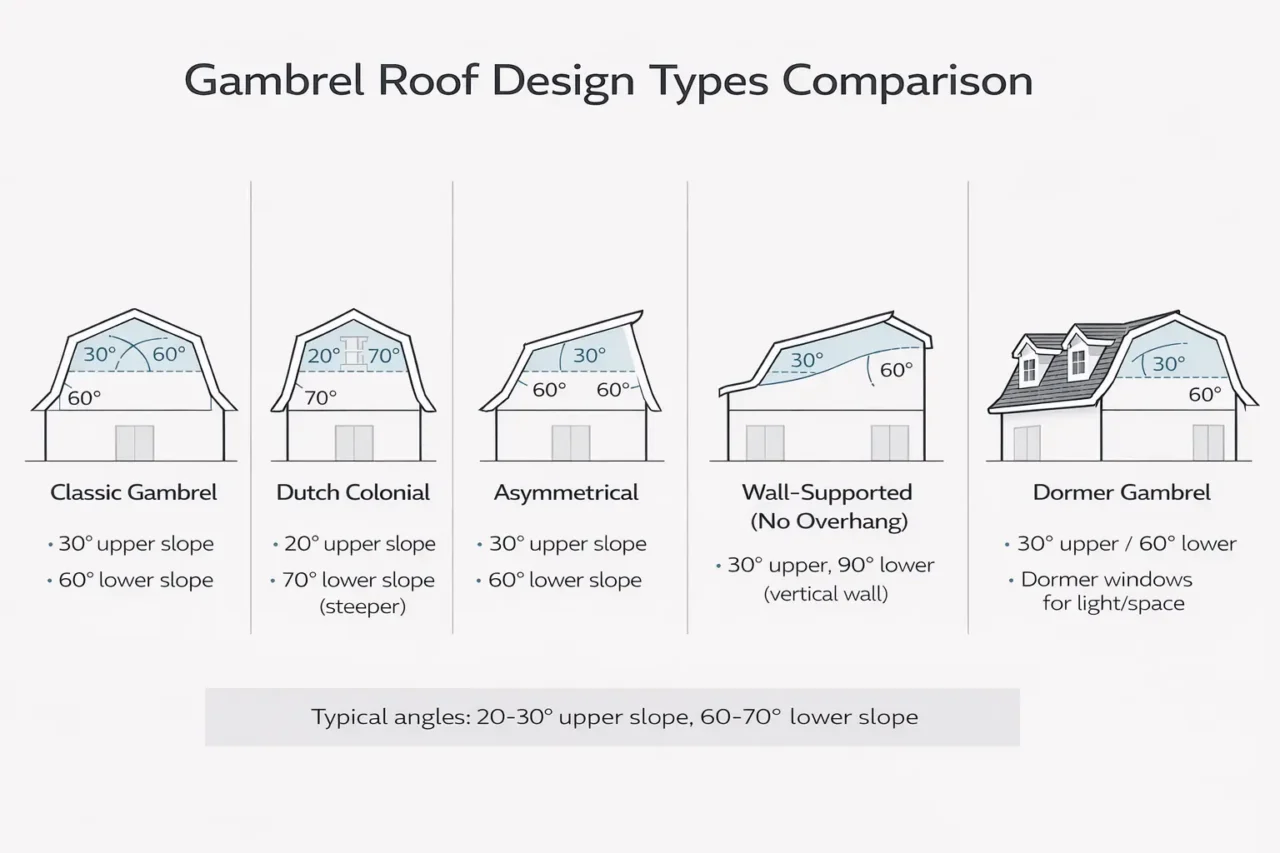
Gambrel roof design encompasses several distinct variations architects and builders customize for specific aesthetic and functional goals.
1. Classic Gambrel Roof (Traditional Barn Roof)
The classic gambrel roof design features perfectly symmetrical double-slope structure with no hips, typically including two gable windows on the front and slight overhang on all sides creating the iconic barn appearance. This design maximizes interior space through steep lower slopes while maintaining simple construction requiring fewer materials than complex roof styles making it cost-effective for barns, sheds, garages, and residential structures seeking rustic charm.
Best applications: Barns, agricultural buildings, detached garages, storage sheds, Dutch Colonial residential architecture.
2. Dutch Gambrel Roof
Dutch gambrel roof design emphasizes an especially steep lower slope and notably flat upper slope, creating the distinctive profile characteristic of historic Dutch Colonial architecture found throughout New England and Mid-Atlantic regions. The exaggerated pitch difference provides maximum interior volume and creates dramatic roofline that defines Dutch Colonial style homes.
Best applications: Dutch Colonial homes, Colonial Revival architecture, heritage restorations, residential projects prioritizing historical authenticity.
3. Asymmetrical Gambrel Design
Asymmetrical gambrel roof design represents architects taking creative liberties by stretching one side of the roof longer or designing only one side with the traditional double slope while the opposite uses single pitch, builders create unique appearances and customize interior/exterior space distribution. This variation can accommodate irregular floor plans or site constraints while maintaining gambrel character.
Best applications: Custom contemporary homes, additions to existing structures, irregular lot shapes, architectural statement projects.
4. Wall-Supported Gambrel Roof
Wall-supported gambrel roof design eliminates overhangs entirely the roof planes join exterior walls directly at angles, saving material costs but reducing the amount of additional interior space created compared to classic gambrel designs because the bottom pitch doesn’t extend beyond the wall line. GAF notes this style “doesn’t increase the storage space in the attic” as much as traditional gambrel configurations.
Best applications: Budget-conscious projects, small sheds/outbuildings where overhangs aren’t needed, modern minimalist designs emphasizing clean lines.
5. Dormer Gambrel Roof
Dormer gambrel roof design incorporates windows that protrude from the roof slopes typically from the steeper lower section protected by individual dormer structures providing natural light, ventilation, and enhanced headroom in attic/loft spaces. These dormers transform otherwise dark storage attics into bright functional living areas, bedrooms, or home offices.
Best applications: Residential conversions of attic space to living quarters, homes requiring additional bedrooms, loft apartments, maximizing natural light in upper floors.
Bonus: Cross-Gambrel Layout
Cross-gambrel gambrel roof design intersects two gambrel roofs creating even more interior space and adding architectural complexity to exterior appearance this layout works well for larger homes or complex floor plans requiring multiple roof sections.
Best applications: Large residential estates, complex custom homes, buildings with L-shaped or T-shaped footprints.
Gambrel Roof Design vs Other Roof Types (Key Comparisons)
Understanding gambrel roof design benefits requires comparing it to alternative roof styles homeowners commonly consider.
Gambrel vs Gable Roof
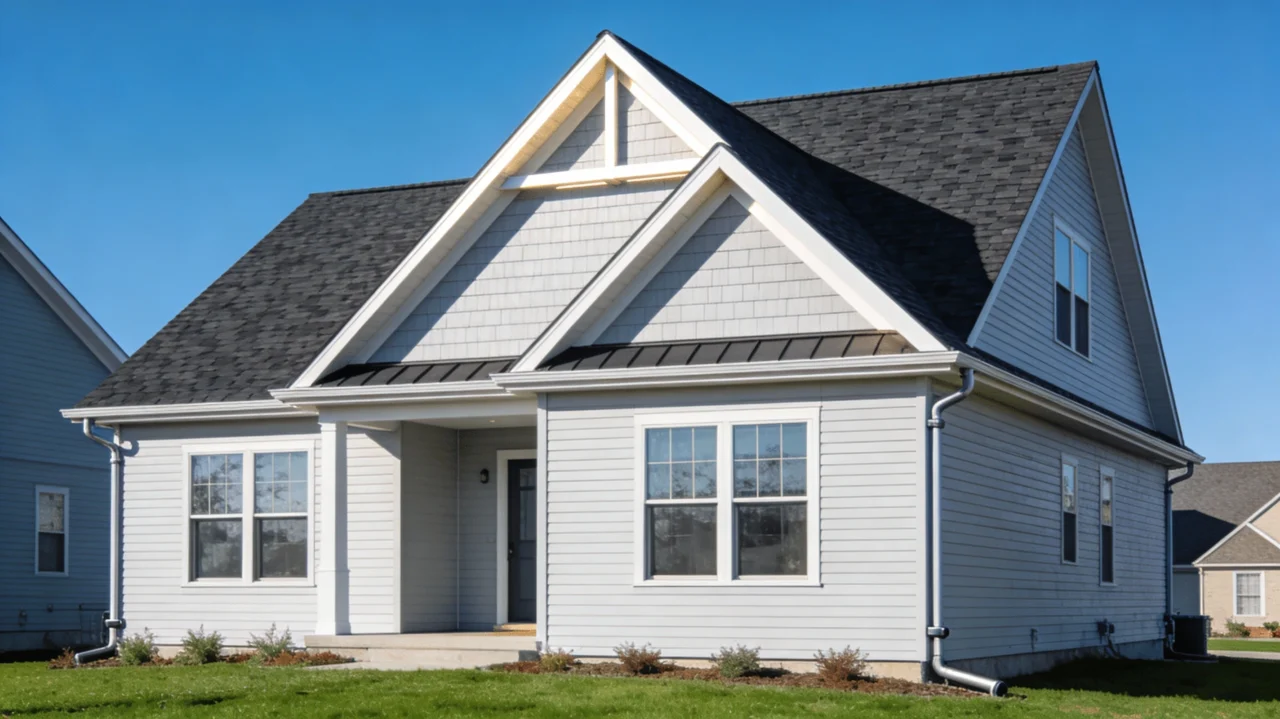
Gambrel roof design provides significantly more interior space and visual interest than gable roofs through its double-slope configuration, but involves more complex construction and potentially higher costs due to additional slope transitions requiring careful flashing and detailing. Gable roofs win on simplicity and ease of construction, while gambrel roofs excel when maximizing attic space is priority.
Gambrel vs Hip Roof

Hip roofs deliver excellent structural stability and superior weather resistance in high-wind zones through their four-sided sloping design, but gambrel roof design offers dramatically more usable interior space and distinctive aesthetic character. Hip roofs are often chosen for hurricane-prone regions; gambrel roofs when space maximization and traditional styling matter more than ultimate wind performance.
Gambrel vs Mansard Roof
The key difference between gambrel roof design and mansard roofs is number of sides: gambrel roofs feature two slopes on two sides with vertical gable ends, while mansard roofs implement two slopes on all four sides creating box-like structure with no gable ends. Modernize explains mansard roofs originated in France representing Second Empire architecture and provide even more attic living space through their four-sided enclosure, while gambrel roofs remain associated with Dutch Colonial and barn architecture. Both maximize upper-level space, but mansard roofs cost significantly more due to four-sided complexity.
Gambrel vs Flat Roof
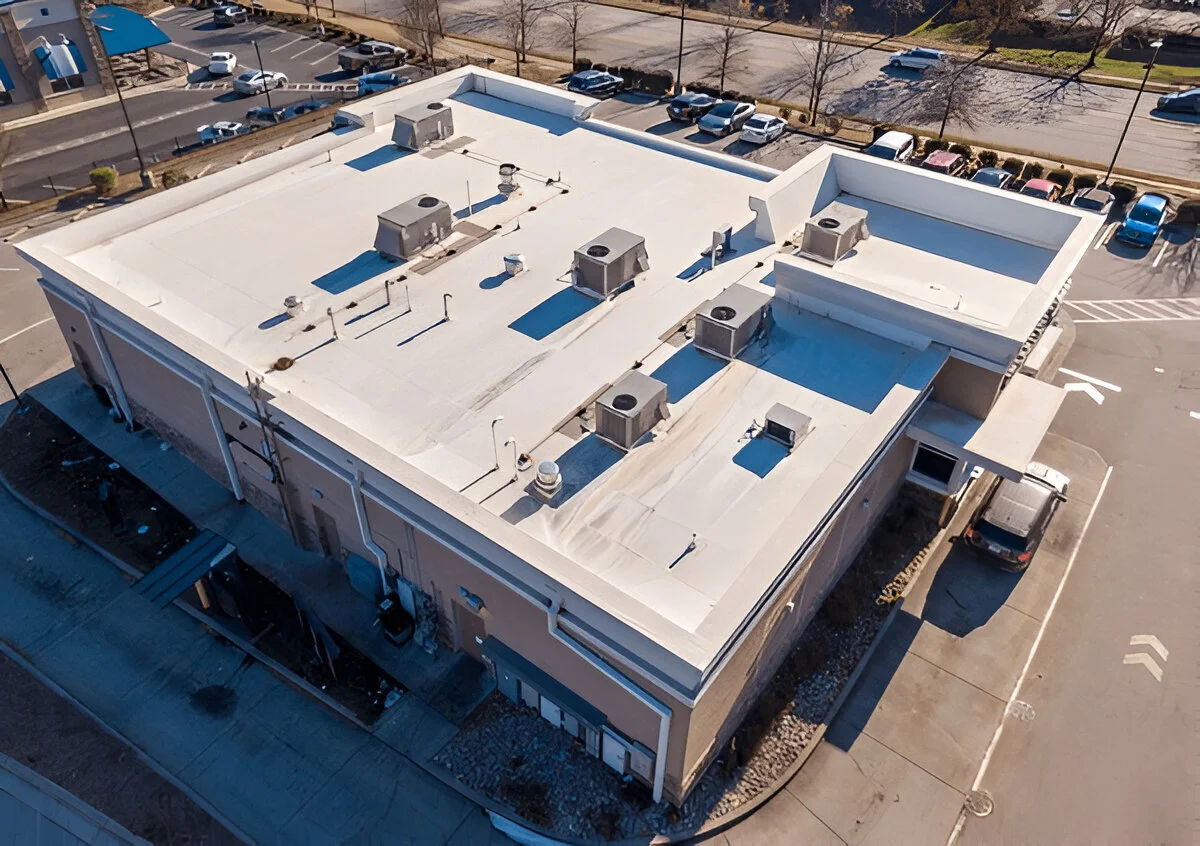
Gambrel roof design provides superior water runoff and snow shedding capabilities compared to flat roofs through steep lower slopes, though flat roofs may be simpler to construct and offer rooftop access opportunities. Gambrel roofs generally require more maintenance than flat membrane systems but avoid the ponding and drainage challenges flat roofs face.
Gambrel Roof Design Angles and Structure (Technical Specifications)
Proper gambrel roof design depends on understanding standard angles, truss engineering, and structural requirements.
Standard gambrel roof angles
Typical gambrel roof design features:
- Steep lower slope: 60-70° from horizontal, maximizing interior headroom and wall-like vertical space
- Shallow upper slope: 20-30° from horizontal, ensuring water/snow shedding while reducing total roof height
Standard configurations often use 30° peaks with 60° second slopes, though precise angles can be customized based on building width, desired interior clearance, and regional climate requirements (steeper in heavy snow areas).
Gambrel roof trusses and framing
Gambrel roof design structural integrity relies on engineered trusses or rafter systems supporting the dual-slope configuration and resisting significant loads from snow, wind, and roofing materials. Usihome emphasizes that “gambrel roof trusses are engineered to withstand the significant loads imposed by the roof’s double-sloped design” with “load-bearing capacity carefully calculated and tested to ensure optimal performance and safety over the roof’s lifespan.”
Pre-fabricated gambrel trusses simplify installation by delivering factory-engineered load distribution across building walls, sometimes reducing need for interior support posts and creating open upper-level floor plans. Custom site-built rafter systems offer design flexibility but require experienced framers calculating proper sizing, spans, and connections.
Structural considerations
Steep lower slopes place different loads on wall connections compared to gentler single-pitch roofs proper hurricane ties, adequate nailing patterns, and engineered connections ensure gambrel roof design withstands wind uplift and snow accumulation. The pitch transition point where lower and upper slopes meet requires robust support preventing sagging or deflection over time.
Pros of Gambrel Roof Design (Why Choose Gambrel Roofs)
Gambrel roof design delivers compelling advantages making it ideal for specific building types and homeowner priorities.
Maximum interior space
The defining benefit of gambrel roof design is dramatically increased attic space steep lower slopes functioning as near-vertical walls provide full-height usable floor area ideal for storage, loft bedrooms, home offices, or living spaces that would be cramped under single-slope gable roofs. Roof Right emphasizes that “due to the steep lower slopes, gambrel roofs offer ample interior space under the roof, making them ideal for attics, storage, and additional living areas.”
Distinctive aesthetic appeal
The unique gambrel silhouette adds character and charm creating instant visual recognition whether evoking traditional barn nostalgia or elegant Dutch Colonial heritage, gambrel roof design establishes strong architectural identity that enhances curb appeal and property value. Brava Roof Tile notes gambrel roofs have “simple, unique designs” with “minimizes required labor while giving the roof a more unique and attractive appearance.”
Cost-effective construction
Compared to complex roof styles like hip or mansard roofs, gambrel roof design is relatively straightforward to construct simple symmetrical geometry requires fewer materials than elaborate multi-hip designs, and standard truss availability reduces custom engineering costs. Steadfast Roofing states gambrel roofs “use fewer materials than more complex roofing styles, making it an economical choice for homeowners.”
Excellent water drainage
Steep 60-70° lower slopes shed rain and snow extremely efficiently, reducing standing water risks and minimizing leak potential compared to shallow-pitch or flat roofs. This makes gambrel roof design particularly suitable for regions with heavy rainfall or significant snowfall.
Design flexibility and customization
Gambrel roof design accommodates dormers and windows enhancing natural light and ventilation, allows flared eaves directing water away from foundations while adding visual interest, and can be customized with varying overhangs, decorative trim, and different roofing materials matching diverse architectural styles.
Versatile applications
From residential homes to agricultural barns, storage sheds to commercial buildings, gambrel roof design adapts to structures of all sizes and purposes scalability from small garden sheds to large homes makes it remarkably versatile.
Cons of Gambrel Roof Design (Potential Drawbacks)
Despite advantages, gambrel roof design presents legitimate challenges homeowners should understand before committing.
Wind vulnerability
Several sources note gambrel roof design can be susceptible to high winds compared to more aerodynamic hip roofs the vertical gable ends catch wind and steep lower slopes may experience uplift forces if not properly braced and fastened. Roof Right specifically cautions that gambrel roofs “may not be suitable for areas with high winds or extreme weather conditions.”
More complex detailing
The pitch transition where upper and lower slopes meet creates additional seams requiring meticulous flashing and waterproofing to prevent leaks improper detailing at this critical junction causes the majority of gambrel roof problems. Steadfast Roofing notes the roof style “requires careful attention to detailing to prevent leaks and other issues.”
Higher maintenance potential
Complex geometry with multiple slope transitions, dormers, and intersections may require more frequent inspection and maintenance compared to simple gable roofs debris accumulation at pitch changes and flashing deterioration demand periodic attention. Material choices also influence maintenance: wood shakes need regular treatment while metal roofing requires minimal upkeep.
Limited attic ventilation options
The steep lower slopes and compressed upper roof space can complicate ventilation system installation achieving proper soffit-to-ridge airflow may require specialized venting products and careful planning to prevent moisture accumulation and premature shingle aging.
Not ideal for extreme wind zones
While properly engineered gambrel roof design can withstand significant weather, hip roofs generally outperform gambrel roofs in hurricane-prone coastal regions where wind resistance is paramount safety concern. Homeowners in frequent high-wind areas may need additional structural reinforcement increasing costs.
Best Roofing Materials for Gambrel Roof Design
Gambrel roof design accommodates all standard roofing materials, with optimal choices depending on budget, climate, aesthetic goals, and maintenance preferences.
Asphalt shingles
Most popular choice for residential gambrel roof design due to affordability ($3-$6/sq ft), wide color/style selection, established contractor familiarity, and adequate performance in most climates standard 3-tab or architectural shingles both work well on gambrel slopes.
Metal roofing
Increasingly common on gambrel roof design especially for barns and contemporary homes, metal roofing (standing seam or panels) delivers 40-70 year lifespan, excellent water shedding on steep lower slopes, low maintenance, and reflective cool-roof benefits reducing summer cooling costs. Cost typically $8-$14/sq ft installed.
Wood shakes and shingles
Cedar or redwood shakes provide authentic rustic appearance ideal for traditional barn aesthetic or colonial-style homes, offering natural insulation and biodegradable sustainability. Requires regular maintenance (cleaning, treatment) and costs $6-$12/sq ft, but delivers unmatched character.
Clay and concrete tiles
Though heavier requiring structural verification, clay/concrete tiles on gambrel roof design create stunning Mediterranean or Spanish colonial appearance with 50-100+ year lifespans particularly attractive on Dutch Colonial homes where tile complements architectural heritage. Expect $10-$20/sq ft installed.
Synthetic slate and composite
Modern composite materials mimicking slate, shake, or tile appearance at fraction of weight and cost recycled content options add sustainability while 30-50 year lifespans exceed asphalt shingles.
Gambrel Roof Design Cost (Installation and Materials)
Gambrel roof design costs vary significantly by size, materials, complexity, and regional labor rates, but generally fall in moderate range between simple gable and premium hip roofs.
Typical cost ranges
- Basic gambrel roof installation: $8-$12 per square foot including framing and standard asphalt shingles
- Mid-range with architectural shingles: $10-$14 per square foot
- Premium materials (metal, tile) on gambrel: $12-$20+ per square foot
For typical 1,500 sq ft roof area, expect total installed costs $12,000-$30,000 depending on material selections and complexity.
Cost factors affecting gambrel roof pricing
- Roof size and complexity: Larger roofs, dormers, valleys, and multiple intersections increase labor hours and material waste
- Material selection: Asphalt shingles (budget), metal roofing (mid-premium), clay tile (premium) dramatically shift total costs
- Labor rates: Regional variation from $50-$150/hour for skilled roofing crews
- Pitch and height: Steep lower slopes and tall buildings require more safety equipment and staging
- Structural reinforcement: Adding trusses, upgrading framing, or strengthening walls for heavier materials increases costs
Cost comparison to other roof styles
Modernize notes gambrel roof design typically costs less than hip or mansard roofs due to simpler two-sided geometry, while costing moderately more than basic gable roofs because of additional slope transitions and detailing. The cost premium over gable (roughly 15-25%) is usually justified by the substantial interior space gains.
Installing Gambrel Roof Design (Process Overview)
Professional gambrel roof design installation follows systematic process ensuring structural integrity and weather protection.
1. Structural planning and engineering
Calculate required truss dimensions, spacing, and connections based on building width, snow loads, wind speeds, and roof material weight engineered plans ensure code compliance and long-term performance.
2. Framing the gambrel structure
Install trusses or build rafter system supporting dual-slope geometry, with steeper lower sections framed to allow maximum headroom and gentler upper slopes ensuring proper drainage angles. Modernize notes “builders typically add roofing materials like asphalt shingles, metal panels, or tiles, depending on the homeowner’s style and budget.”
3. Roof sheathing and underlayment
Apply plywood or OSB sheathing across entire roof surface creating solid substrate, then install waterproof underlayment (felt or synthetic) with proper overlap at pitch transition critical to preventing leaks.
4. Installing roofing material
Apply chosen roofing material (shingles, metal, tiles) starting from lower edges working upward, paying special attention to flashing at pitch changes, valleys, dormers, and roof penetrations.
5. Dormer installation (if applicable)
For dormer gambrel roof design, frame window protrusions, install separate dormer roofs, and carefully flash connections to main roof preventing water infiltration.
6. Trim and finishing
Add ridge caps, install gutters, apply fascia and soffit materials, and seal all penetrations completing weather-tight installation.
Modernize notes “the process is fairly straightforward, but more complex roofs with dormers or valleys may require more time and materials.”
Gambrel Roof Design Maintenance Tips
Proper maintenance extends gambrel roof design lifespan and prevents costly repairs.
- Inspect pitch transitions twice yearly: Check flashing and sealant at slope change locations for cracks, gaps, or deterioration
- Clear debris from valleys and pitch changes: Leaves and branches accumulate at slope transitions blocking water flow
- Monitor dormer flashings: Dormer connections to main roof are common leak points requiring periodic inspection
- Check for loose or damaged shingles: High winds can lift shingles on steep lower slopes
- Maintain proper ventilation: Ensure soffit and ridge vents remain unobstructed preventing moisture buildup
- Address moss/algae growth promptly: Particularly important on wood shakes or in humid climates
- Inspect attic after storms: Check interior for water stains indicating roof damage
Is Gambrel Roof Design Right for Your Project?
Gambrel roof design is ideal when you prioritize:
- Maximum attic/loft space: Converting upper floor to living area, storage, or workshop
- Traditional architectural character: Dutch Colonial, Georgian, or barn-style aesthetics
- Cost-effective space expansion: Adding square footage vertically rather than horizontal additions
- Efficient water drainage: Regions with heavy rainfall or significant snowfall
Gambrel roof design may not be optimal if:
- Extreme wind zones: Hurricane-prone coastal areas where hip roofs offer superior aerodynamics
- Minimal maintenance preference: Complex geometry requires more periodic inspection than simple gables
- Ultra-modern aesthetics: Contemporary minimalist designs may favor flat or single-pitch roofs
🏗️
Planning a Gambrel Roof? Get Expert Guidance & a Free Quote.
Gambrel roofs require specialist framing knowledge — the double-slope profile, ridge beam sizing, and rafter geometry demand an experienced installer to execute correctly and to code. Get connected with a certified contractor who has built gambrel roofs in your area.
Free consultation includes: design feasibility review, rough material estimate, and local code compliance check — at no cost or obligation.
✅ Free design consultation ✅ No obligation ✅ Licensed & insured
Frequently Asked Questions: Gambrel Roof Design
What is gambrel roof design?
Gambrel roof design is a symmetrical two-sided roof featuring two slopes on each side a steep lower slope (60-70°) maximizing interior space and a shallow upper slope (20-30°) creating the distinctive barn-roof profile.
Why is it called a barn roof?
Gambrel roofs are commonly called barn roofs because this design became synonymous with American agricultural buildings where the space-maximizing benefits proved ideal for hay storage and equipment in upper lofts.
What are the typical gambrel roof angles?
Standard gambrel roof design uses steep lower slopes between 60-70° and shallow upper slopes between 20-30°, though angles can be customized based on building dimensions and climate requirements.
How much does gambrel roof cost?
Gambrel roof design installation typically costs $8-$16 per square foot depending on materials, with total projects ranging $12,000-$30,000 for average residential roofs.
What is the difference between a gambrel and mansard roof?
Gambrel roof design features two slopes on two sides with vertical gable ends, while mansard roofs have two slopes on all four sides creating box-like structure gambrel is two-sided, mansard is four-sided.
Are gambrel roofs good in wind?
Gambrel roofs can perform adequately in moderate wind when properly engineered, but hip roofs generally provide superior wind resistance in hurricane-prone regions due to more aerodynamic four-sided sloping.
What are the pros and cons of gambrel roof design?
Pros: Maximum attic space (40-50% more than gable), distinctive aesthetic, cost-effective construction, excellent drainage, design flexibility. Cons: Wind vulnerability, complex detailing, higher maintenance, limited ventilation options.
Can I add dormers to gambrel roof?
Yes dormer gambrel roof design is common variation adding windows that protrude from slopes providing natural light, ventilation, and enhanced headroom in attic spaces.
🏠 Roofing Tips & Updates
Get free roofing advice, cost guides, and seasonal maintenance tips.
More Frequently Asked Questions
Common questions homeowners ask us about this topic, updated for 2026.
What is a gambrel roof and why is it called “barn-style”?
A gambrel roof is a symmetrical two-sided roof with two slopes on each side — a shallow upper slope and a steeper lower slope. It became known as the “barn-style” roof because American Dutch settlers used it on barns starting in the 1700s to maximize storage space in the attic loft.
What is the difference between a gambrel roof and a mansard roof?
A gambrel roof has two slopes on TWO sides (gable ends are vertical walls). A mansard roof has two slopes on ALL FOUR sides. Gambrel is simpler and cheaper; mansard is more elegant and used for European-style architecture. Mansard typically costs 30-50% more to build.
How much does it cost to build a gambrel roof in 2026?
A gambrel roof costs $9-$16 per square foot installed in 2026, including framing and roofing materials. For a typical 2,000 sq ft home, expect $18,000-$32,000. The double-slope design requires more lumber and labor than a standard gable, but you gain 40-50% more usable attic space.
What is the best pitch for a gambrel roof?
Most gambrel roofs use a steep lower slope of 60-75° and a shallow upper slope of 25-35°. The classic American gambrel uses 70°/30° to maximize headroom in the attic loft. Steeper lower slopes shed snow better but cost more in materials.
Are gambrel roofs more prone to leaking?
Gambrel roofs have more seams and angle transitions than simple gable roofs, which means more potential leak points — especially at the pitch transition line. With proper flashing installation and quality underlayment, leak risk is comparable to other roof types. Most gambrel leaks happen at the slope-change joint, so inspect this line annually.
What roofing materials work best on a gambrel roof?
Architectural asphalt shingles are the most popular choice — they handle the steep lower slope well and cost $385-$520/square installed. Metal panels also work well and last 50+ years but cost 2-3× more. Avoid clay tile on gambrels: the heavy weight stresses the dual-slope framing.
Can I convert my existing gable roof to a gambrel?
Yes but it’s expensive — converting a gable to a gambrel typically costs $25,000-$60,000 because you need to rebuild the roof framing entirely and reinforce the wall plates. The benefit is dramatic: you gain a full second-story living space without expanding the home’s footprint.

Roofing content specialist with 5+ years researching U.S. residential and commercial roofing. Has documented 200+ projects covering installation costs, material selection, contractor vetting, and DIY guides for homeowners across all climate zones.
Leave A Comment