
Preloader Close
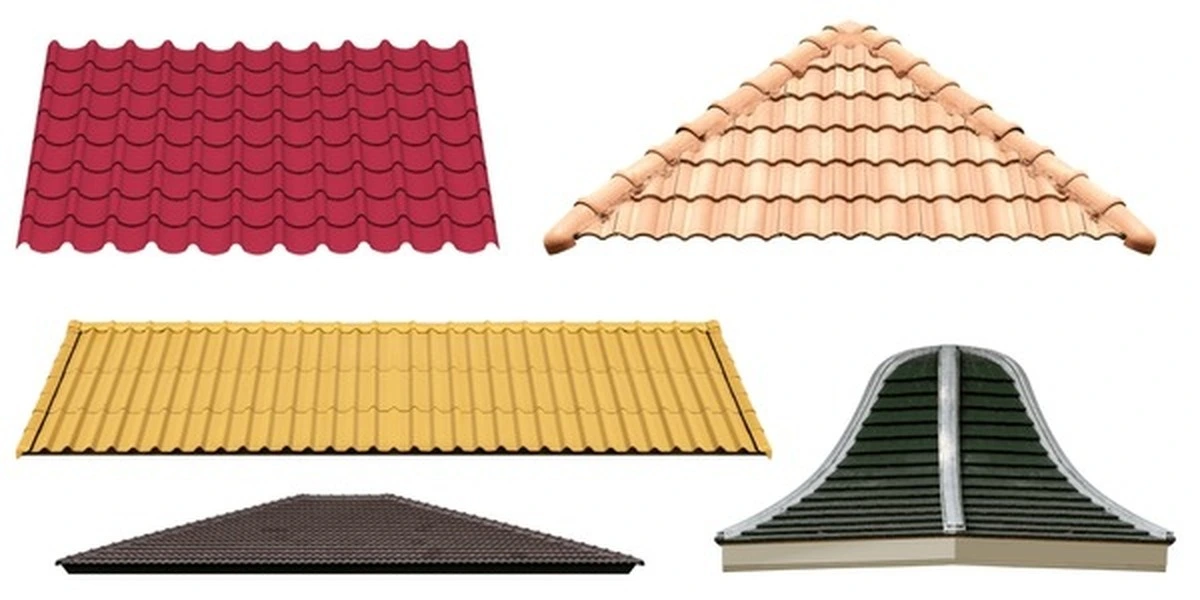
Hip roof design represents one of the most stable and aesthetically versatile roofing styles in residential and commercial construction. This architectural approach features four sloping sides that converge at a ridge or peak, creating a pyramid-like appearance without vertical gable ends. The design’s inherent structural advantages make it particularly popular in regions prone to high winds, heavy snow, and severe weather conditions.
Understanding different hip roof variations helps homeowners and builders select the optimal configuration for specific architectural styles, climate requirements, and budget constraints. From simple hip designs to complex cross-hipped configurations, each variation offers distinct benefits that influence both functionality and curb appeal.
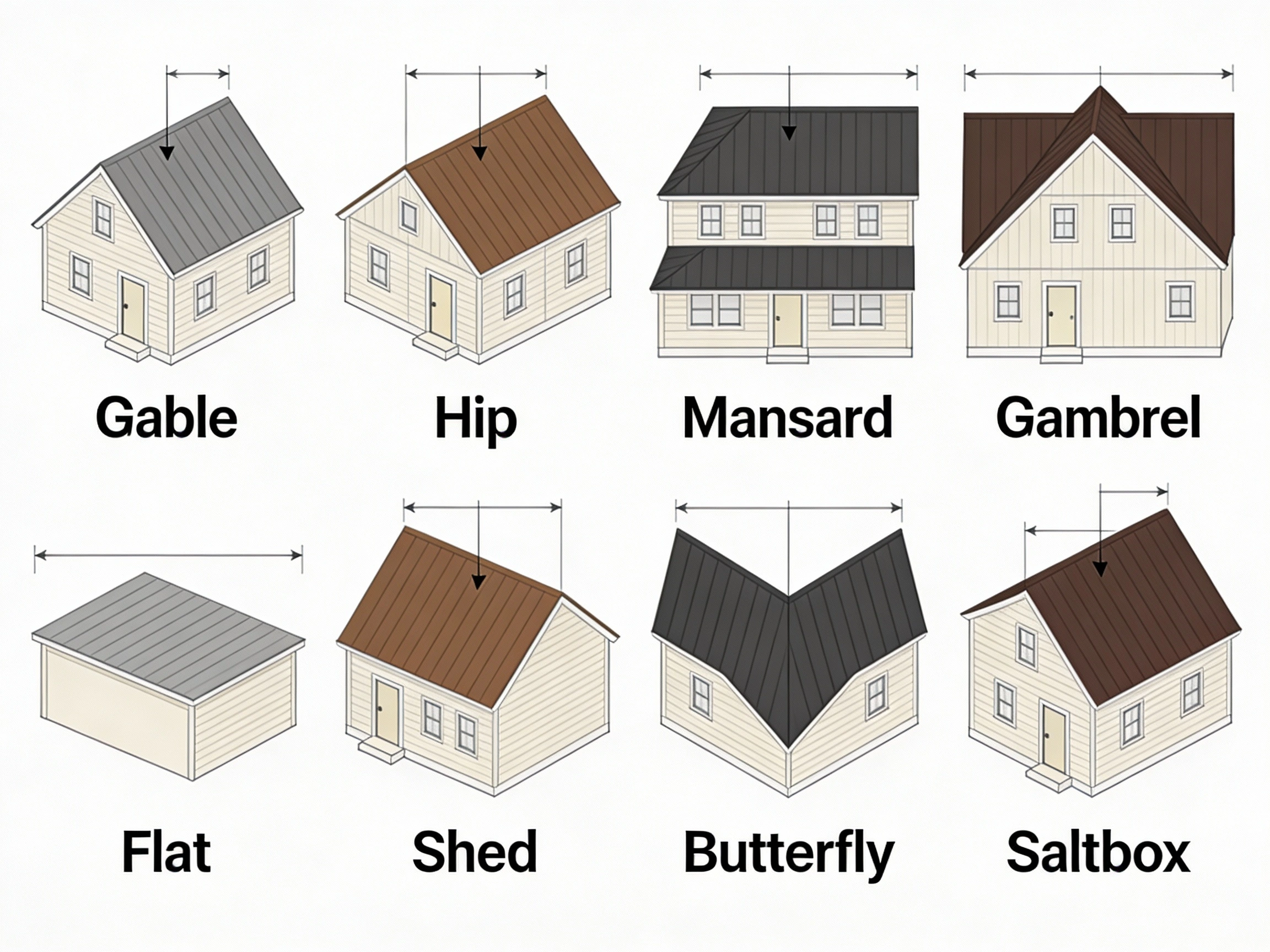
The defining characteristic of hip roof design is that all four sides slope downward toward the exterior walls, eliminating the vertical gable ends found in traditional roofing styles. This creates a continuous, even plane around the entire building perimeter.
The structure typically consists of two trapezoidal roof surfaces on the longer sides and two triangular surfaces on the shorter ends. These planes meet at hip ridges, which are the external angles where adjacent roof surfaces converge.
This configuration provides superior aerodynamic properties compared to gable alternatives, as wind forces are distributed evenly across all four slopes rather than concentrating on vertical end walls. The uniform slope angles—typically ranging from 4:12 to 8:12 pitch—ensure optimal water drainage while maintaining structural integrity.
For comprehensive roofing terminology, visit our complete roofing glossary guide.
Simple Hip Roof Design

The simple hip roof represents the most common and straightforward variation of this architectural style. It features four sloping sides that meet at a horizontal ridge running the length of the building’s longest dimension.
This design creates a uniform slope on all sides, with no vertical walls or gable ends. The symmetrical appearance complements both traditional and contemporary architectural styles, making it a versatile choice for various building types—from ranch homes to commercial structures.
Installation complexity remains moderate, as the geometry follows predictable angles and measurements. Builders appreciate this design for its straightforward framing requirements, which typically reduce labor costs by 10-15% compared to more complex roof variations.
The simple hip provides excellent wind resistance due to its aerodynamic profile, with research showing 30-40% better performance against hurricane-force winds compared to gable designs. This makes it particularly valuable in coastal regions and open rural areas.
Pyramid Hip Roof Design

Pyramid hip roof design features a square footprint where all four triangular sides slope downward to converge at a single central apex point, creating a perfect pyramid shape. This elegant configuration is particularly suited for smaller structures like gazebos, pool houses, and cottages.
The symmetrical geometry provides exceptional stability, as loads distribute evenly across all four sides to the supporting walls. This equal load distribution makes pyramid designs highly resistant to structural stress from snow accumulation or wind pressure.
Key characteristics:
- Square building footprint required
- All slopes meet at one central point
- No ridge beam necessary
- Uniform triangular roof planes
- Visually striking from all angles
Pyramid configurations work best for structures measuring 20-40 feet per side. Larger footprints become impractical due to the extreme roof height required to maintain proper pitch angles, which can create interior space challenges.
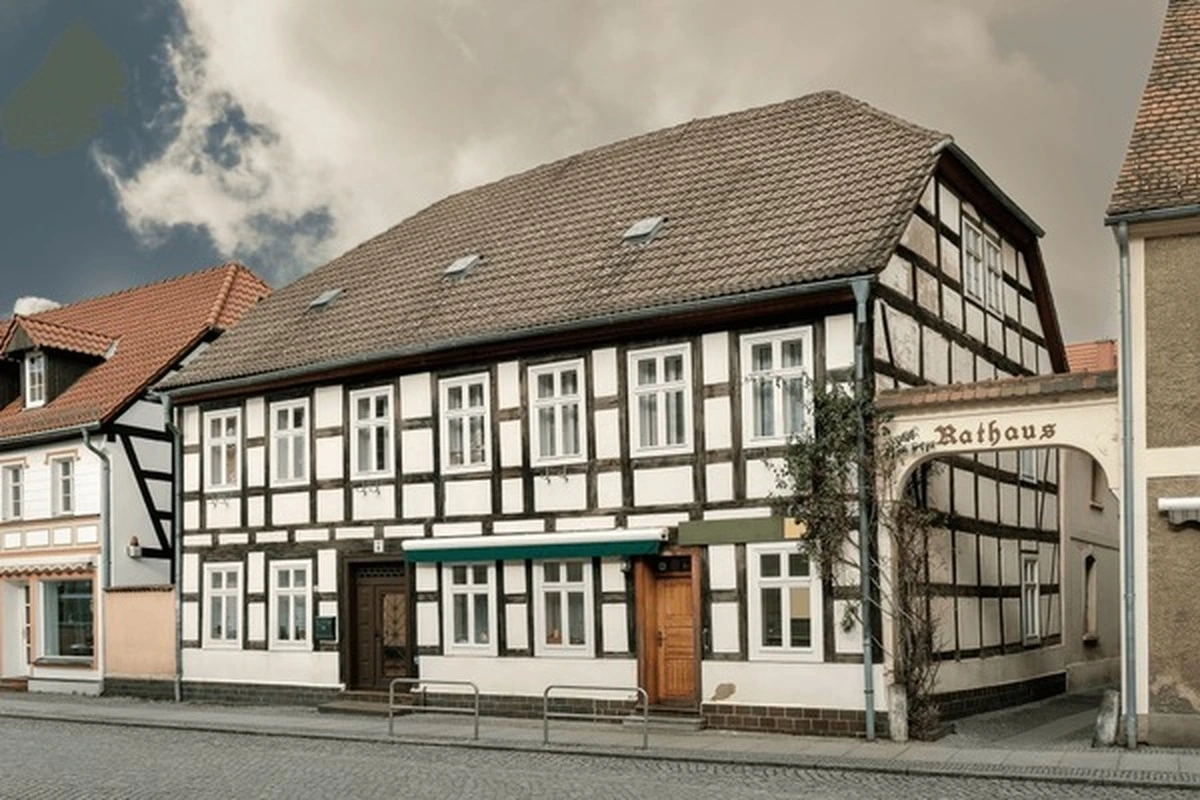
Half-hipped roof design modifies the standard hip configuration by partially truncating the gable ends, creating small vertical walls at each roof slope terminus. This hybrid approach combines hip roof stability with the additional attic space typically associated with gable designs.
The vertical wall sections—usually measuring 2-4 feet in height—allow for small windows that provide attic ventilation and natural light. This makes half-hipped designs popular for cottages, bungalows, and residential structures where functional attic space is desirable.
Structurally, the partial gable ends offer more wind resistance than full gable roofs while maintaining some of the stability advantages of complete hip configurations. Wind tunnel testing shows half-hipped designs perform 15-20% better than traditional gables in severe weather conditions.
The design originated in European architecture, particularly in German and Dutch building traditions, where it remains a characteristic element of cottage-style homes. Modern applications frequently appear in craftsman and traditional architectural styles.
Dutch Gable Roof Design
Dutch gable roof design represents a sophisticated hybrid that combines hip and gable elements into a single cohesive structure. The configuration features a hip roof base with a small gable section inserted at the top of each end slope, creating a distinctive two-tier appearance.
This design provides several functional advantages:
- Additional attic space compared to full hip configurations
- Window placement opportunities in the upper gable sections
- Enhanced ventilation through gable vents
- Visual interest through geometric variation
- Better wind resistance than standard gables
Dutch gable structures are particularly common in Colonial Revival and Dutch Colonial architecture, where they serve as defining style elements. The upper gable sections typically measure 4-8 feet in height, depending on overall roof dimensions and architectural proportions.
Construction complexity falls between simple hip and cross-hipped designs, with the transition from hip to gable requiring precise framing techniques. Most contractors estimate a 20-30% cost premium over standard hip roof installation.
[Embed YouTube architectural design tutorial here]
Hip and Valley Roof Design
Hip and valley roof design creates complex geometric patterns through the intersection of multiple hip sections, forming external angles (hips) and internal angles (valleys) where roof planes converge. This sophisticated configuration suits buildings with intricate footprints or architectural styles requiring visual complexity.
The design excels at accommodating irregular building shapes, additions, and architectural features like dormers or wing extensions. Each intersection point requires specialized framing techniques and waterproofing strategies to ensure structural integrity and weather resistance.
Valley formations present the primary maintenance consideration, as water concentrates in these channels during precipitation events. Proper flashing, underlayment, and drainage provisions are essential to prevent leaks and ice dam formation in cold climates.
Architectural styles favoring hip and valley configurations include Victorian, Tudor Revival, and French Provincial designs, where complex rooflines contribute to period-appropriate character. Installation costs typically exceed simple hip designs by 40-60% due to increased framing complexity and material waste from multiple angle cuts.

Roofing content specialist with 5+ years researching U.S. residential and commercial roofing. Has documented 200+ projects covering installation costs, material selection, contractor vetting, and DIY guides for homeowners across all climate zones.
Leave A Comment