Hip Roof Design step by step

Hip Roof Design: 8 Types & Benefits for Your Home (2025)

Hip roof design represents one of the most stable and aesthetically versatile roofing styles in residential and commercial construction. This architectural approach features four sloping sides that converge at a ridge or peak, creating a pyramid-like appearance without vertical gable ends. The design’s inherent structural advantages make it particularly popular in regions prone to high winds, heavy snow, and severe weather conditions.

Understanding different hip roof variations helps homeowners and builders select the optimal configuration for specific architectural styles, climate requirements, and budget constraints. From simple hip designs to complex cross-hipped configurations, each variation offers distinct benefits that influence both functionality and curb appeal.

![classic hip roof design on modern residential home](image Hip Roof Design Fundamentals**

The defining characteristic of hip roof design is that all four sides slope downward toward the exterior walls, eliminating the vertical gable ends found in traditional roofing styles. This creates a continuous, even plane around the entire building perimeter.

The structure typically consists of two trapezoidal roof surfaces on the longer sides and two triangular surfaces on the shorter ends. These planes meet at hip ridges, which are the external angles where adjacent roof surfaces converge.

This configuration provides superior aerodynamic properties compared to gable alternatives, as wind forces are distributed evenly across all four slopes rather than concentrating on vertical end walls. The uniform slope angles—typically ranging from 4:12 to 8:12 pitch—ensure optimal water drainage while maintaining structural integrity.

For comprehensive roofing terminology, visit our complete roofing glossary guide.

Simple Hip Roof Design

Simpl hip roof design

The simple hip roof represents the most common and straightforward variation of this architectural style. It features four sloping sides that meet at a horizontal ridge running the length of the building’s longest dimension.

This design creates a uniform slope on all sides, with no vertical walls or gable ends. The symmetrical appearance complements both traditional and contemporary architectural styles, making it a versatile choice for various building types—from ranch homes to commercial structures.

Installation complexity remains moderate, as the geometry follows predictable angles and measurements. Builders appreciate this design for its straightforward framing requirements, which typically reduce labor costs by 10-15% compared to more complex roof variations.

The simple hip provides excellent wind resistance due to its aerodynamic profile, with research showing 30-40% better performance against hurricane-force winds compared to gable designs. This makes it particularly valuable in coastal regions and open rural areas.

Pyramid Hip Roof Design

Pyramid Hip Roof
Pyramid Hip Roof

Pyramid hip roof design features a square footprint where all four triangular sides slope downward to converge at a single central apex point, creating a perfect pyramid shape. This elegant configuration is particularly suited for smaller structures like gazebos, pool houses, and cottages.

The symmetrical geometry provides exceptional stability, as loads distribute evenly across all four sides to the supporting walls. This equal load distribution makes pyramid designs highly resistant to structural stress from snow accumulation or wind pressure.

Key characteristics:

  • Square building footprint required
  • All slopes meet at one central point
  • No ridge beam necessary
  • Uniform triangular roof planes
  • Visually striking from all angles

Pyramid configurations work best for structures measuring 20-40 feet per side. Larger footprints become impractical due to the extreme roof height required to maintain proper pitch angles, which can create interior space challenges.
![pyramid hip roof design on garden structure

Cross-Hipped Roof Design

Cross-hipped roof design incorporates two or more hip sections that intersect at different angles, creating multiple roof planes with distinct ridges. This configuration is ideal for buildings with L-shaped, T-shaped, or complex footprints where uniform coverage requires multiple hip sections.

Each roof section maintains its own uniform slope, but the intersecting ridges create valleys where adjacent sections meet. These valleys require careful flashing and waterproofing to prevent leaks at the transition points.

The design adds visual interest to larger structures by breaking up expansive roof surfaces into distinct geometric sections. Architects frequently specify cross-hipped designs for executive homes, country estates, and buildings where architectural character is paramount.

Installation complexity increases significantly compared to simple hip configurations, typically adding 25-35% to framing labor costs. However, the enhanced aesthetic appeal and improved attic ventilation often justify the additional investment.

For ventilation strategies in complex roof systems, see our attic ventilation planning guide.

Half-Hipped Roof Design

Half hipped roof design

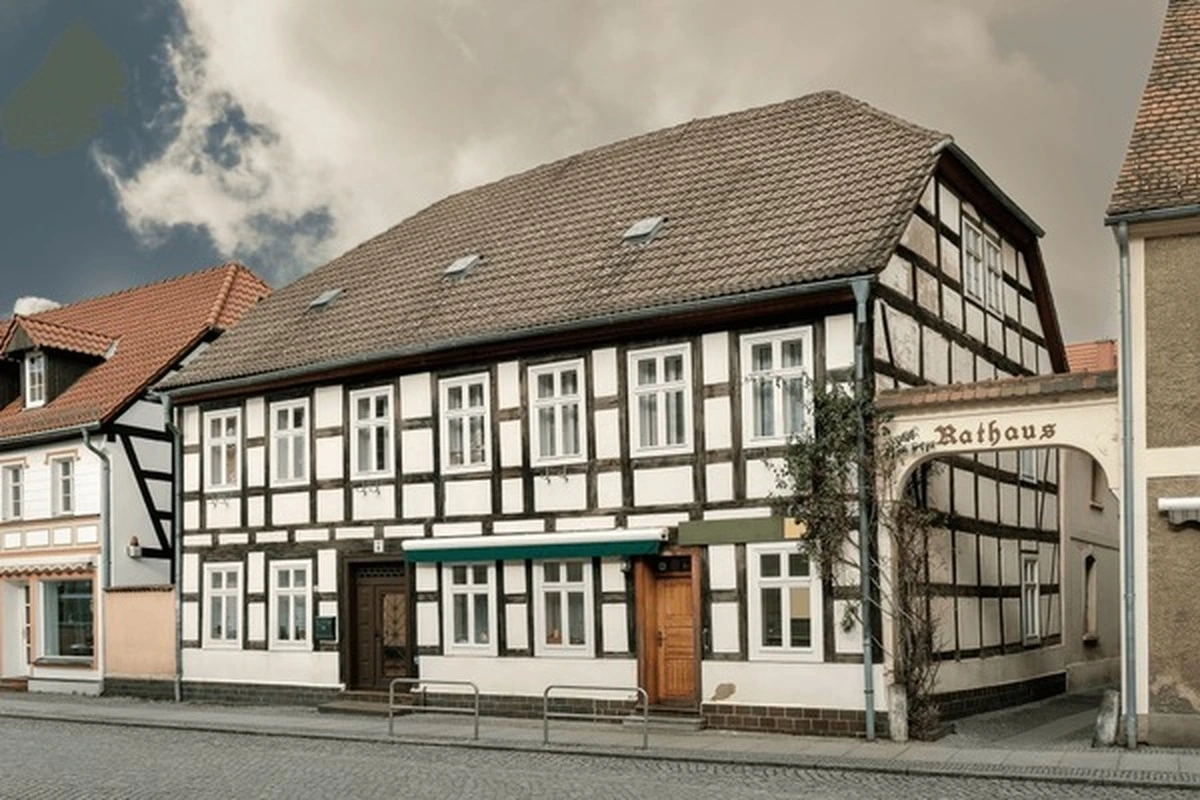
Half-hipped roof design modifies the standard hip configuration by partially truncating the gable ends, creating small vertical walls at each roof slope terminus. This hybrid approach combines hip roof stability with the additional attic space typically associated with gable designs.

The vertical wall sections—usually measuring 2-4 feet in height—allow for small windows that provide attic ventilation and natural light. This makes half-hipped designs popular for cottages, bungalows, and residential structures where functional attic space is desirable.

Structurally, the partial gable ends offer more wind resistance than full gable roofs while maintaining some of the stability advantages of complete hip configurations. Wind tunnel testing shows half-hipped designs perform 15-20% better than traditional gables in severe weather conditions.

The design originated in European architecture, particularly in German and Dutch building traditions, where it remains a characteristic element of cottage-style homes. Modern applications frequently appear in craftsman and traditional architectural styles.

Dutch Gable Roof Design

Dutch gable roof design represents a sophisticated hybrid that combines hip and gable elements into a single cohesive structure. The configuration features a hip roof base with a small gable section inserted at the top of each end slope, creating a distinctive two-tier appearance.

This design provides several functional advantages:

  • Additional attic space compared to full hip configurations
  • Window placement opportunities in the upper gable sections
  • Enhanced ventilation through gable vents
  • Visual interest through geometric variation
  • Better wind resistance than standard gables

Dutch gable structures are particularly common in Colonial Revival and Dutch Colonial architecture, where they serve as defining style elements. The upper gable sections typically measure 4-8 feet in height, depending on overall roof dimensions and architectural proportions.

Construction complexity falls between simple hip and cross-hipped designs, with the transition from hip to gable requiring precise framing techniques. Most contractors estimate a 20-30% cost premium over standard hip roof installation.

[Embed YouTube architectural design tutorial here]

Hip and Valley Roof Design

Hip and valley roof design creates complex geometric patterns through the intersection of multiple hip sections, forming external angles (hips) and internal angles (valleys) where roof planes converge. This sophisticated configuration suits buildings with intricate footprints or architectural styles requiring visual complexity.

The design excels at accommodating irregular building shapes, additions, and architectural features like dormers or wing extensions. Each intersection point requires specialized framing techniques and waterproofing strategies to ensure structural integrity and weather resistance.

Valley formations present the primary maintenance consideration, as water concentrates in these channels during precipitation events. Proper flashing, underlayment, and drainage provisions are essential to prevent leaks and ice dam formation in cold climates.

Architectural styles favoring hip and valley configurations include Victorian, Tudor Revival, and French Provincial designs, where complex rooflines contribute to period-appropriate character. Installation costs typically exceed simple hip designs by 40-60% due to increased framing complexity and material waste from multiple angle cuts.

![hip and valley roof design showing complex inters

Mansard Roof Design

Mansard roof design—though technically a distinct category—shares hip roof characteristics through its four-sided sloping configuration. Each side features two distinct slopes: a steep lower section (often approaching vertical at 70-80 degrees) and a gentler upper slope (typically 30-40 degrees).

This double-slope arrangement creates substantial usable attic space, effectively adding a full floor to the building without increasing the traditional wall height. French Second Empire architecture popularized this style in the 19th century, and it remains common in urban areas with height restrictions.

Structural considerations:

  • Requires robust framing to support the steep lower slopes
  • Dormer windows commonly integrate into the lower slope sections
  • Greater roof surface area increases material costs by 30-50%
  • Complex flashing requirements at the slope transition points
  • Excellent for maximizing interior space in compact footprints

Modern applications often incorporate mansard elements in commercial buildings, apartment complexes, and urban residential projects where maximizing floor area within zoning constraints is essential. The design’s material-intensive nature typically makes it one of the most expensive roofing options, with costs 50-80% higher than simple hip configurations.

Structural Advantages of Hip Roof Design

Hip roof design provides significant structural benefits that influence both performance and longevity. The four-sided slope configuration creates a self-bracing structure where forces distribute evenly across all supporting walls, reducing stress concentrations.

Key structural advantages:

Wind Resistance: The aerodynamic profile deflects wind forces rather than presenting vertical surfaces that catch gusts. Studies show hip roofs withstand winds 30-40% better than comparable gable designs.

Snow Load Management: Even slope distribution prevents asymmetric loading that can stress framing components. Snow slides off uniformly, reducing accumulation risks.

Water Drainage: All four slopes facilitate efficient water runoff, minimizing standing water and reducing leak potential. The continuous eave line ensures consistent gutter performance.

Structural Integrity: The inward-sloping design creates compression forces that strengthen the overall frame. Large roof overhangs are possible without additional support, providing superior weather protection for exterior walls.

These advantages make hip roof design particularly valuable in regions experiencing severe weather, including hurricane zones, high-wind areas, and locations with heavy snow loads. Insurance companies sometimes offer premium reductions of 5-10% for hip roof structures in high-risk areas.

Learn more about structural roofing components and terminology.

Design Considerations and Cost Analysis

Selecting the appropriate hip roof design requires balancing aesthetic preferences, structural requirements, budget constraints, and climate factors.

Design TypeComplexity LevelCost Factor (vs. gable baseline)Best Applications
Simple HipModerate+15-25%Single-story homes, open floor plans
Pyramid HipModerate+20-30%Square structures, gazebos, small buildings
Cross-HippedHigh+35-50%L-shaped homes, complex footprints
Half-HippedModerate-High+25-35%Cottages, attic space utilization
Dutch GableHigh+30-40%Colonial styles, ventilation needs
Hip & ValleyVery High+50-70%Victorian, Tudor, luxury homes
MansardVery High+60-90%Urban settings, space maximization

Climate considerations:

High-Wind Regions: Simple hip, pyramid hip, or half-hipped designs provide optimal wind resistance.

Heavy Snow Areas: All hip variations perform well, but avoid complex valleys where snow can accumulate and create ice dams.

Hot Climates: Dutch gable designs offer superior attic ventilation, reducing cooling costs by 8-12%.

Rainy Regions: Any hip configuration provides excellent drainage, but simpler designs with fewer valleys reduce leak potential.

For regional climate planning, consult our climate-specific roofing guide.

Installation and Maintenance Requirements

Professional installation is essential for hip roof design due to the complex angle calculations and precise framing requirements. Even minor measurement errors can create structural weaknesses or drainage problems.

Critical installation factors:

  • Accurate cuts at ridge and hip junctions
  • Reinforced corners to prevent sagging over time
  • Strong connections to load-bearing walls
  • Proper hip rafter sizing (typically one size larger than common rafters)
  • Adequate sheathing and underlayment at all transitions

Maintenance requirements for hip roofs are generally minimal due to excellent drainage and structural stability. Annual inspections should focus on:

  • Hip ridge integrity and cap shingle condition
  • Valley flashing in complex designs
  • Eave and fascia board condition
  • Proper attic ventilation function
  • Gutter system performance

Professional inspections every 3-5 years help identify minor issues before they escalate into costly repairs. The symmetrical design facilitates easier inspection access compared to complex gable configurations with multiple peaks and valleys.

Architectural Style Compatibility

Hip roof design adapts to virtually any architectural style, from traditional to contemporary. This versatility contributes to its enduring popularity across diverse building types and geographic regions.

Style pairings:

Colonial & Traditional: Simple hip or Dutch gable designs complement symmetrical facades and classical proportions typical of Colonial Revival, Georgian, and Federal styles.

Craftsman & Bungalow: Half-hipped configurations align with Arts and Crafts movement aesthetics, providing characteristic roofline variation while maintaining horizontal emphasis.

Contemporary & Modern: Simple hip designs with minimal overhangs and clean lines suit minimalist architectural approaches, offering structural benefits without stylistic complications.

French Provincial: Mansard variations provide authentic period character essential to Second Empire and French-inspired residential designs.

Mediterranean & Ranch: Low-pitched simple hip configurations emphasize horizontal lines characteristic of Prairie, Ranch, and Mediterranean Revival styles.

The design’s adaptability extends to material selection as well—hip roofs perform equally well with asphalt shingles, metal roofing, clay tiles, slate, or synthetic alternatives. Material choice should reflect climate requirements, architectural character, and budget constraints.

External Resources: For engineering specifications and load calculations, consult the International Code Council roofing standards and National Roofing Contractors Association design guidelines.


Frequently Asked Questions

What is the main difference between hip and gable roof design?
Hip roofs have four sloping sides with no vertical walls, while gable roofs feature two sloping sides with triangular vertical ends. Hip designs provide better wind resistance, while gable roofs typically cost less and offer more attic space.

Which hip roof design is most cost-effective?
Simple hip roof design offers the best balance of affordability and structural benefits, costing approximately 15-25% more than basic gable roofs while providing superior weather resistance.

Do hip roofs require special maintenance?
Hip roofs generally require less maintenance than other designs due to excellent drainage and structural stability. Annual inspections focusing on ridge integrity and valley flashing (in complex designs) are typically sufficient.

Can I add dormers to a hip roof?
Yes, dormers integrate well with hip roof structures, though they require specialized framing. Dutch gable designs naturally incorporate dormer-like elements, while shed dormers can be added to any hip variation.

Similar Posts

Leave a Reply

Your email address will not be published. Required fields are marked *