Preloader Close
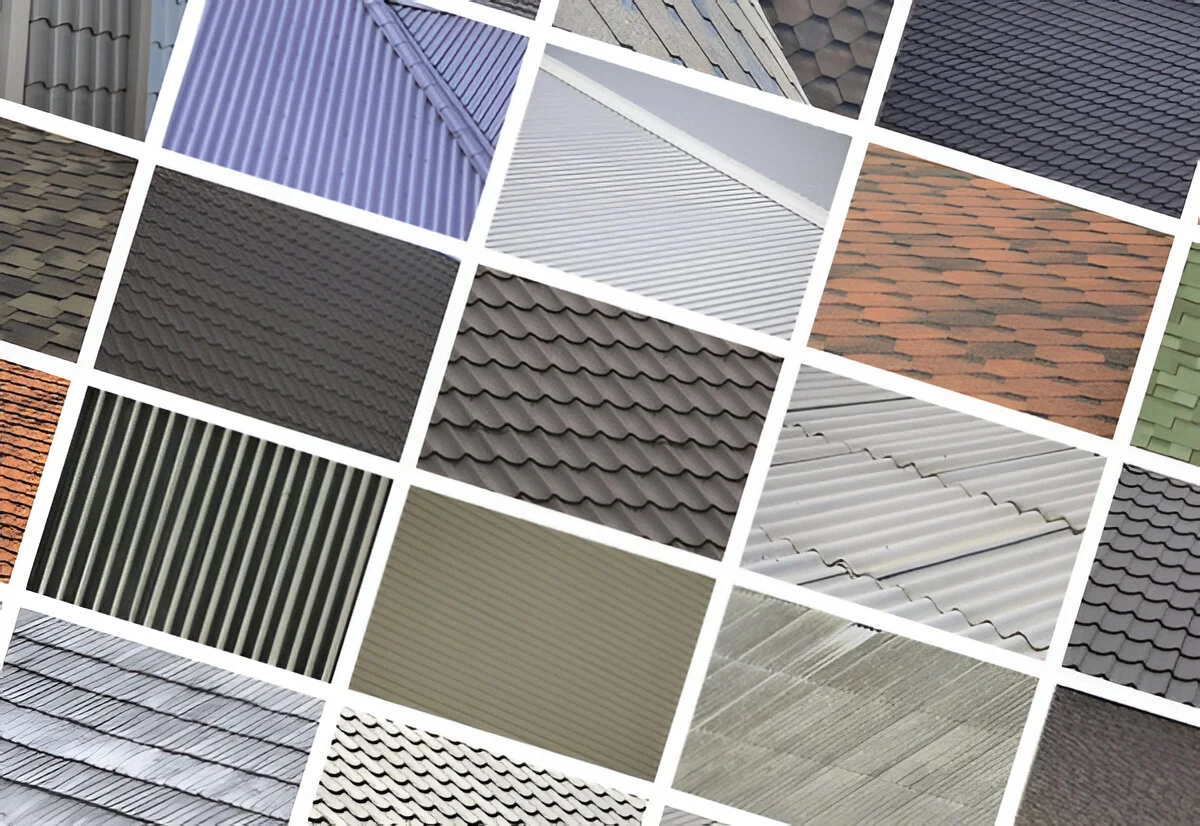
Roof types encompass both architectural styles (like gable, hip, and flat roofs) and roofing materials (such as asphalt shingles, metal, and tile), each offering distinct advantages for protection, aesthetics, and budget considerations. Understanding the different roof types helps homeowners make informed decisions when building new homes or planning roof replacements, as the right combination of style and material dramatically affects durability, energy efficiency, maintenance requirements, and curb appeal.
The most common roof types in residential construction include gable roofs valued for simplicity and affordability, hip roofs prized for wind resistance, and flat roofs favored in modern designs. Material choices span from economical asphalt shingles covering 80% of American homes to premium slate offering century-long lifespans. This comprehensive guide examines roof types by architectural style and material composition, helping you select the optimal configuration for your climate, budget, and aesthetic preferences.
Table of Contents
Roof types by architectural style
Architectural roof types refer to the structural design and shape of the roof system, independent of the covering material used. Each style offers different benefits for weather protection, interior space, construction complexity, and visual appeal.
Gable roof: America’s most popular choice

The gable roof ranks as the most common roof type in residential construction, featuring two sloping sides that meet at a central ridge creating a triangular end profile. This classic design appears on an estimated 60-70% of single-family homes across the United States due to its simplicity, affordability, and effective water drainage.
Advantages of gable roofs:
- Excellent rain and snow shedding due to steep pitch options
- Simple construction reducing labor costs and installation time
- Easy attic access and abundant storage space beneath the roof
- Cost-effective design with less complex framing than other roof types
- Versatile aesthetic fitting traditional, colonial, ranch, and craftsman styles
- Efficient ventilation through gable end vents and ridge vents
Disadvantages:
- Vulnerable to high winds, especially in hurricane-prone areas where panels can lift
- Not ideal for regions experiencing frequent extreme wind events
- Less stable than hip roofs in severe weather conditions
Gable roofs work best in moderate climates with seasonal weather but benefit from proper bracing and reinforcement in areas with occasional high winds.
Hip roof: superior wind resistance
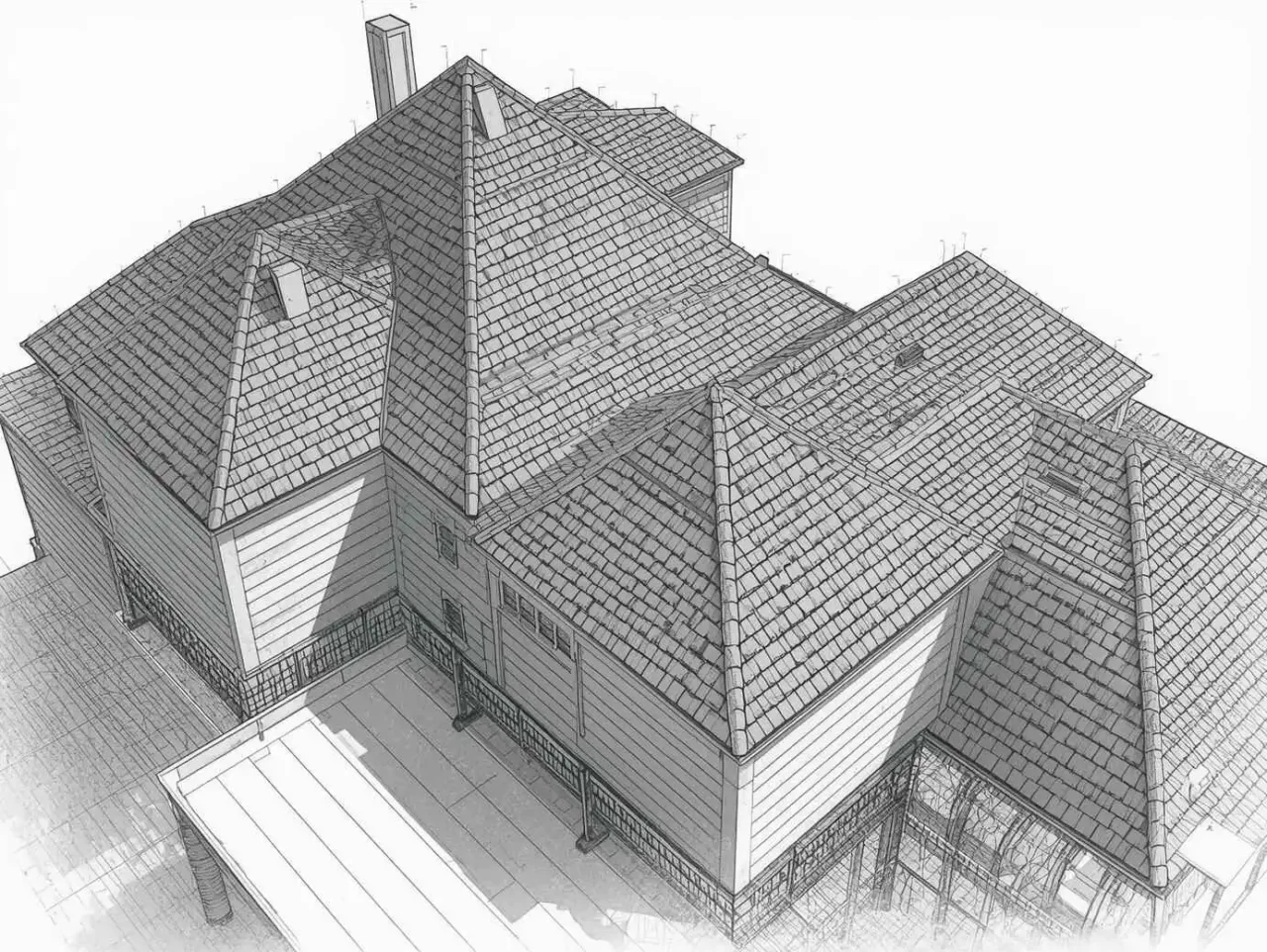
Hip roofs feature four sloping sides that all meet at a central ridge or point, creating no vertical gable ends. This design provides exceptional structural stability and wind resistance, making hip roofs the preferred choice in coastal regions and hurricane zones.
- Outstanding wind resistance due to inward slope on all four sides reducing uplift
- Self-bracing structure offering superior stability in extreme weather
- Even weight distribution across the building perimeter
- Elegant appearance adding architectural sophistication
- Excellent for covered porches and wraparound eave protection
Disadvantages:
- Higher construction costs due to complex framing requirements
- More challenging installation requiring skilled carpentry
- Reduced attic space compared to gable roofs
- More seams and valleys potentially increasing leak points if improperly flashed
According to Angi’s roof type comparison, hip roofs cost 20-35% more than comparable gable roofs but deliver measurably better performance in high-wind coastal environments.
Flat roof: modern minimalist design
Flat roofs feature minimal pitch (typically 1:12 to 2:12 slope) creating nearly level surfaces popular in modern, contemporary, and commercial architecture. While called “flat,” these roofs maintain slight slopes for water drainage.
Advantages of flat roofs:
- Contemporary aesthetic perfect for modern architectural styles
- Usable rooftop space for decks, gardens, or HVAC equipment
- Easy access for maintenance and inspection
- Potential for solar panel installation with optimal orientation
- Lower initial material costs due to less surface area
Disadvantages:
- Requires specialized waterproofing membranes (TPO, EPDM, PVC)
- More prone to ponding water and leak development
- Shorter lifespan than pitched roofs (15-25 years typical)
- Regular maintenance essential to prevent moisture infiltration
- Snow accumulation concerns in cold climates requiring structural considerations
Flat roofs have grown in residential popularity thanks to improved single-ply membrane technology and modern design trends emphasizing clean lines and minimalist aesthetics.
Mansard roof: French elegance
Mansard roofs feature two slopes on each of four sides, with the lower slope significantly steeper than the upper, creating distinctive French Second Empire styling. This design maximizes usable attic space often converted to living areas.
Advantages:
- Maximum attic or additional floor space potential
- Distinctive architectural character and curb appeal
- Dormers easily incorporated for natural lighting
- Historic charm for period-appropriate renovations
Disadvantages:
- Complex, expensive construction ($10,000-$60,000+ for residential applications)
- Poor performance in heavy snow regions due to lower slope retention
- Many seams and transitions requiring meticulous flashing
- Limited modern contractor familiarity increasing labor costs
Gambrel roof: barn-style classic
Gambrel roofs resemble mansard designs but feature two slopes only on two sides (like gables), commonly seen on barns, Dutch Colonial homes, and sheds. The steep lower slopes and gentle upper slopes maximize interior volume.
Pyramid roof: four-sided symmetry
Pyramid roofs bring all four sides to a single point at the peak, creating perfect symmetry ideal for square or nearly-square structures. This roof type offers excellent wind resistance and distinctive appearance but requires precise framing and costs $20,000-$50,000 for residential installations.
Jerkinhead roof: clipped gable hybrid
Jerkinhead (or clipped gable) roofs combine gable and hip characteristics, featuring gable-style slopes with the peak “clipped” or “hipped” back slightly. This design provides improved wind resistance compared to full gables while maintaining gable aesthetics.
Shed roof: simple single slope
Shed (or skillion) roofs feature a single sloping plane, creating the most economical roof type for small structures, additions, and modern designs. Installation costs run $6,000-$15,000 for typical residential applications, making shed roofs popular for budget-conscious projects.
Explore our complete architectural roof style comparison for climate-specific recommendations.
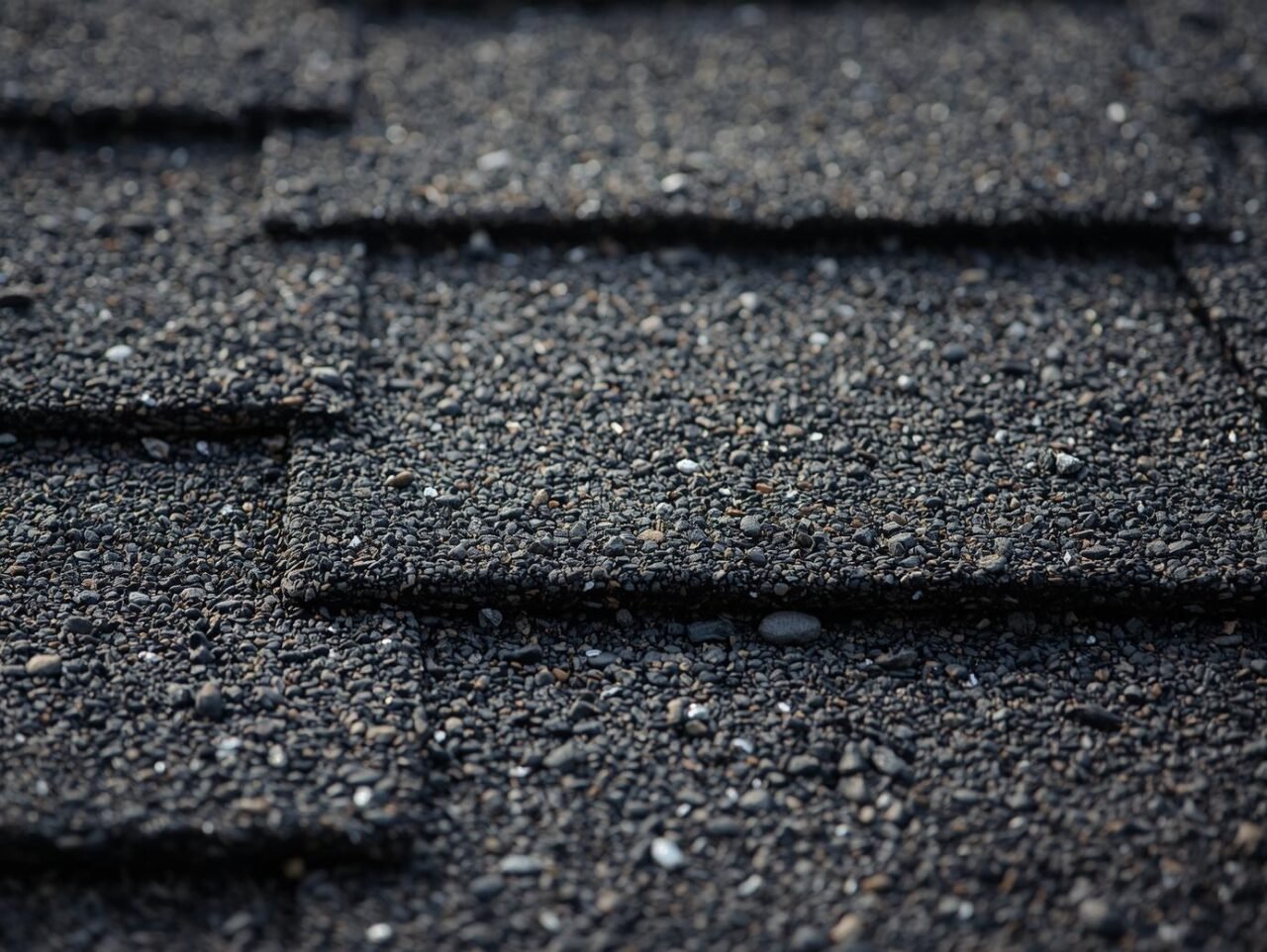
Asphalt shingles: dominant residential choice
Asphalt shingles represent the most common roof type in America, covering approximately 80% of residential homes due to affordability, versatility, and proven performance. Modern asphalt shingles use fiberglass-reinforced mats coated with asphalt and mineral granules providing weather protection and color.
Types of asphalt shingles:
- 3-tab shingles: Flat, uniform appearance with 15-20 year lifespan, cost $3.00-$6.00 per sq ft installed
- Architectural (dimensional) shingles: Multi-layered construction creating texture and depth, 25-30 year warranties, cost $4.00-$8.00 per sq ft installed
- Premium designer shingles: Specialized shapes mimicking slate or wood, 30-50 year warranties, cost $6.00-$12.00 per sq ft installed
Advantages of asphalt shingles:
- Most affordable roofing option for initial installation
- Widely available from multiple manufacturers (GAF, CertainTeed, Owens Corning)
- Extensive color and style selections matching any architecture
- Straightforward installation by most roofing contractors
- Adequate wind and impact ratings for most climates
- Easy repair with individual shingle replacement
Disadvantages:
- Shorter lifespan than premium materials (15-30 years)
- Susceptible to algae growth in humid climates requiring regular cleaning
- Less energy efficient than reflective metal or tile options
- Environmental concerns due to petroleum-based composition
According to Owens Corning’s roofing guide, asphalt shingles offer the best value proposition for homeowners prioritizing affordability and near-term performance.
Metal roofing: premium longevity
Metal roofing has surged in popularity over the past decade, now covering 15-20% of residential roofs thanks to exceptional durability, energy efficiency, and modern aesthetics. Common metals include steel, aluminum, zinc, and copper in various profiles.
Metal roof types:
- Standing seam: Concealed fasteners, vertical ribs, contemporary appearance, 40-70 year lifespan, $7.00-$15.00 per sq ft
- Metal shingles: Stamped to resemble asphalt or wood, easier installation, 30-50 years, $6.00-$12.00 per sq ft
- Corrugated/R-panel: Exposed fasteners, agricultural aesthetic, 30-50 years, $4.50-$9.50 per sq ft
- Metal tiles: Designed to mimic clay or slate, lightweight alternative, 40-60 years, $8.00-$14.00 per sq ft
Advantages of metal roofing:
- Exceptional longevity with 40-70+ year service life
- Superior energy efficiency reflecting solar heat and reducing cooling costs 10-25%
- Outstanding fire resistance with Class A ratings
- Withstands high winds (140+ mph when properly installed)
- Lightweight reducing structural load compared to tile or slate
- Low maintenance requiring minimal upkeep
- Recyclable at end of life supporting sustainability goals
Disadvantages:
- Higher upfront costs than asphalt shingles
- Noisy during heavy rain or hail without proper insulation
- Can dent from large hail or falling branches
- Expansion/contraction requiring appropriate fastening systems
- Professional installation essential for warranty compliance
Metal roofing delivers one of the highest ratings for hail resistance and performs exceptionally well in diverse climates from hot deserts to snowy mountains.
Clay and concrete tile: Mediterranean elegance
Tile roofing provides timeless beauty and remarkable durability, commonly seen in Spanish, Mediterranean, Southwestern, and coastal architectural styles. Clay tiles offer authentic terracotta aesthetics, while concrete tiles provide cost-effective alternatives in numerous colors and profiles.
Advantages of tile roofing:
- Exceptional lifespan of 50-100+ years for quality installations
- Outstanding fire resistance protecting homes in wildfire-prone regions
- Excellent thermal mass keeping homes cooler in hot climates
- Minimal maintenance beyond occasional inspection and repairs
- Unique aesthetic appeal enhancing curb value
- Color retention maintaining appearance for decades
- Wind and impact resistance when properly secured
Disadvantages:
- Heavy weight (850-1,100 lbs per square) requiring structural reinforcement
- High material and installation costs ($10.00-$25.00 per sq ft)
- Individual tiles can crack from impact or foot traffic
- Complex installation demanding specialized expertise
- Not suitable for low-pitch roofs requiring minimum 3:12 slope
Tile roofing excels in hot, dry climates where its thermal properties and longevity justify the premium investment. For detailed tile roofing information, visit the National Roofing Contractors Association resource library.
Slate roofing: ultimate premium
Natural slate represents the pinnacle among roof types, offering unmatched longevity and prestige found on historic homes, luxury estates, and architecturally significant buildings. Quarried stone cut into thin tiles provides authentic, varied coloration impossible to replicate with manufactured materials.
Advantages of slate roofing:
- Extraordinary lifespan of 75-200 years outlasting the buildings beneath
- Completely fireproof providing maximum safety
- Naturally resistant to rot, insects, and environmental degradation
- Timeless beauty and elegance enhancing property values
- Low lifecycle cost when amortized over century-plus service
- Environmentally sustainable using natural quarried stone
Disadvantages:
- Highest cost among all roof types ($18.00-$35.00+ per sq ft installed)
- Very heavy (800-1,500 lbs per square) demanding engineered roof structures
- Specialized installation requiring rare craftsman skills
- Fragile underfoot necessitating walking boards during maintenance
- Limited contractor availability for installation and repair
- Long-term commitment due to permanent nature and high replacement cost
Slate roofing makes economic sense for homeowners in historic districts, those planning multi-generational ownership, or anyone seeking the absolute premium in roofing materials.
Wood shakes and shingles: natural rustic charm
Wood roofing using cedar, redwood, or cypress provides organic beauty favored in mountain, craftsman, cottage, and traditional architectural styles. Hand-split shakes offer rustic texture, while sawn shingles provide smoother, more uniform appearance.
Advantages of wood roofing:
- Natural beauty with unique grain patterns and color variations
- Good insulation properties reducing energy costs
- Wind and impact resistance from quality materials
- Environmentally friendly using renewable resources
- Ages to attractive silver-gray patina over time
Disadvantages:
- Requires regular maintenance including cleaning and treatment
- Shorter lifespan (20-40 years) than premium materials
- Fire concerns in wildfire-prone areas requiring special treatments
- Susceptible to rot, moss, and insect damage without proper care
- Banned or restricted in many jurisdictions due to fire codes
- Higher cost than asphalt ($7.00-$13.00 per sq ft)
Wood shake roofs resist harsh climates when properly maintained and treated, making them suitable for most geographic areas. However, increasing fire restrictions limit availability in Western states and wildland-urban interface zones.
Synthetic roofing: engineered alternatives
Modern manufacturing produces synthetic materials mimicking premium roof types at reduced costs and weights:
- Synthetic slate: Rubber or plastic composites replicating slate appearance at 1/4 the weight and 1/2 the cost
- Composite shingles: Recycled materials formed into shake or tile profiles with enhanced durability
- Rubber roofing: EPDM membranes for flat or low-slope applications providing 20-30 year service
![roof types by material showing asphalt metal tile slate and woo
[Embed YouTube video: Comparing Roof Types – Materials and Styles Explained] (video placeholder)
Learn more about selecting appropriate materials in our roofing material selection guide.
Comparing costs across different roof types
Understanding cost ranges for various roof types helps homeowners budget accurately and evaluate return on investment for different material and style combinations.
Cost by architectural roof type (2,000 sq ft home):
| Roof Style | Complexity | Cost Range | Notes |
|---|---|---|---|
| Gable | Low | $6,000-$15,000 | Simplest, most economical design |
| Hip | Moderate | $8,000-$20,000 | 20-35% more than gable |
| Flat | Low-Moderate | $6,800-$18,000 | Membrane cost variable |
| Shed/Skillion | Low | $6,000-$15,000 | Most affordable pitched roof |
| Mansard | High | $10,000-$60,000 | Complex framing premium |
| Pyramid | High | $20,000-$50,000 | Requires precision framing |
| Gambrel | Moderate | $8,000-$25,000 | More complex than gable |
These estimates assume asphalt shingle covering; material changes significantly affect totals.
Cost by roofing material (per square foot installed):
| Material | Cost Range | Lifespan | Cost Per Year |
|---|---|---|---|
| 3-tab asphalt | $3.00-$6.00 | 15-20 years | $0.20-$0.30 |
| Architectural asphalt | $4.00-$8.00 | 25-30 years | $0.15-$0.27 |
| Metal (exposed fastener) | $4.50-$9.50 | 30-50 years | $0.11-$0.27 |
| Metal (standing seam) | $7.00-$15.00 | 40-70 years | $0.12-$0.30 |
| Wood shakes | $7.00-$13.00 | 20-40 years | $0.23-$0.50 |
| Tile (concrete) | $9.00-$21.00 | 50-75 years | $0.14-$0.35 |
| Tile (clay) | $12.00-$28.00 | 75-100 years | $0.13-$0.32 |
| Slate | $18.00-$35.00 | 75-200 years | $0.11-$0.35 |
Cost-per-year analysis reveals that premium roof types often deliver comparable or better long-term value despite higher initial investments.
For comprehensive budgeting, review our detailed roofing cost breakdown guide.
Choosing the right roof types for your climate
Geographic location and climate patterns significantly influence which roof types perform optimally and deliver best value.
Hot, sunny climates (Southwest, South):
Best roof types:
- Tile roofing: Reflects heat, provides thermal mass cooling, resists UV degradation
- Metal with cool coatings: Reflects 25-95% of solar radiation reducing cooling costs
- Light-colored asphalt: Reflective granules minimize heat absorption
Considerations: Fire resistance critical in dry regions; proper ventilation essential; avoid dark colors that absorb excessive heat.
Cold, snowy climates (Northeast, Mountain states):
Best roof types:
- Metal roofing: Sheds snow efficiently preventing ice dam formation
- Steep-pitch gable or hip: Facilitates snow sliding, reduces structural load
- Asphalt with ice barrier: Code-required waterproofing at eaves and valleys
Considerations: Minimum 4:12 pitch recommended for snow shedding; ice and water shield essential; avoid flat roofs prone to ponding and ice accumulation.
Humid, rainy climates (Pacific Northwest, Southeast):
Best roof types:
- Metal roofing: Resists moss, algae, and moisture-related degradation
- Steep-pitch designs: Maximizes water runoff, minimizes standing moisture
- Algae-resistant shingles: Copper or zinc granules prevent unsightly black streaks
Considerations: Proper ventilation prevents moisture accumulation; regular cleaning maintains appearance; avoid wood materials prone to rot.
Hurricane and coastal zones (Gulf Coast, Atlantic Coast, Hawaii):
Best roof types:
- Hip roofs: Superior wind resistance from four-sided inward slope
- Metal roofing: Withstands 140+ mph winds when properly fastened
- Concrete tile: Heavy weight resists uplift, excellent durability
Considerations: Building code requires enhanced fastening patterns; impact-resistant materials recommended; avoid large gable overhangs vulnerable to wind damage.
Wildfire-prone areas (California, Western states):
Best roof types:
- Class A fire-rated materials: Metal, tile, slate, treated asphalt
- Non-combustible options: Metal and tile provide ultimate protection
- Minimal combustible features: Avoid wood shakes and untreated materials
Considerations: Building codes may mandate specific fire ratings; ember-resistant venting required; regular debris removal prevents ignition sources.
According to 2025 roofing trends research, climate-appropriate roof types are increasingly prioritized as homeowners recognize the connection between material selection and energy efficiency, durability, and insurance costs.
Energy efficiency trends in roof types
Modern roof types increasingly incorporate energy-saving features responding to rising utility costs and environmental awareness.
Cool roofing technology:
Reflective roof types reduce heat absorption and lower cooling costs through:
- Metal roofing with cool coatings: ENERGY STAR-rated products reflecting 25-95% of solar radiation
- Light-toned asphalt shingles: Specialized reflective granules reducing attic temperatures 10-20°F
- Clay tiles with heat-resistant treatments: Natural light colors enhanced with reflective coatings
- TPO membranes for flat roofs: White thermoplastic surfaces achieving Solar Reflectance Index (SRI) ratings above 80
Homeowners in hot climates report 10-25% cooling cost reductions with cool roof types compared to traditional dark materials.
Solar integration:
Roof types designed for solar panel compatibility include:
- South-facing slopes: Gable and shed roofs optimizing panel orientation
- Flat roofs: Allow adjustable tilt arrays for maximum efficiency
- Standing seam metal: Facilitates clamp-on solar mounts avoiding roof penetrations
- Solar shingles: Integrated photovoltaic tiles blending seamlessly with traditional shingles
Proper ventilation:
All pitched roof types benefit from balanced ventilation systems preventing moisture accumulation and reducing cooling loads:
- Ridge vents with continuous soffit intake: Creates natural convection removing hot attic air
- Proper insulation barriers: R-38 to R-60 attic insulation depending on climate zone
- Radiant barriers: Reflective foil installed under roof decking reducing radiant heat transfer
For energy-efficient roofing strategies, consult the Cool Roof Rating Council for material comparisons and regional recommendations.
Maintenance requirements for different roof types
Ongoing care varies dramatically among roof types, affecting long-term ownership costs and lifespan realization.
Low-maintenance roof types:
- Metal roofing: Annual visual inspection, occasional debris removal from valleys, 40-70 years
- Tile roofing: Periodic inspection for cracked tiles, moss removal in humid climates, 50-100+ years
- Slate roofing: Minimal care beyond inspection, occasional tile replacement, 75-200 years
Moderate-maintenance roof types:
- Architectural asphalt shingles: Annual inspection, algae treatment in humid areas, gutter cleaning, 25-30 years
- Concrete tile: Regular inspection, tile replacement as needed, periodic sealing, 50-75 years
High-maintenance roof types:
- Wood shakes: Biennial cleaning and treatment, regular inspection for rot, moss control, 20-40 years
- Flat roofs: Quarterly inspection for ponding, membrane repairs, drainage maintenance, 15-25 years
- 3-tab asphalt: Frequent inspection after storms, earlier replacement needs, 15-20 years
Universal maintenance tasks:
Regardless of roof type, all systems benefit from:
- Annual professional inspections identifying minor issues before major failures
- Immediate storm damage assessment after severe weather events
- Gutter cleaning preventing water backup and ice dam formation
- Debris removal (leaves, branches) from roof surface and valleys
- Flashing inspection at chimneys, skylights, and penetrations
- Attic ventilation verification ensuring proper airflow
Explore our seasonal roof maintenance checklist for year-round care strategies.
Frequently asked questions about roof types
What is the most common type of roof?
Gable roofs represent the most common architectural style in residential construction, appearing on 60-70% of American homes due to their simplicity, affordability, and effective water drainage. For roofing materials, asphalt shingles dominate with approximately 80% market share thanks to low cost, wide availability, and adequate performance.
What roof type lasts the longest?
Natural slate roofing delivers the longest lifespan among all roof types, lasting 75-200 years depending on slate quality and installation. Metal roofing follows with 40-70 year service life, then clay tile at 75-100 years, concrete tile at 50-75 years, and architectural asphalt shingles at 25-30 years.
What is the most affordable roof type?
Shed (skillion) roofs offer the most economical architectural style due to simple single-slope construction requiring minimal framing. For materials, 3-tab asphalt shingles cost least at $3.00-$6.00 per square foot installed, though architectural shingles at $4.00-$8.00 provide better long-term value.
Which roof type is best for high winds?
Hip roofs excel in high-wind environments thanks to four-sided inward slopes that resist uplift forces better than gable designs. Combined with properly installed metal roofing or concrete tile secured with enhanced fastening patterns, hip roofs withstand hurricane-force winds exceeding 140 mph.
What roof type is best for snow?
Steep-pitched roofs (8:12 to 12:12 slope) facilitate snow sliding, preventing dangerous accumulations and ice dam formation. Metal roofing on steep gable, gambrel, or A-frame designs performs optimally in heavy snow regions by shedding loads quickly and resisting ice penetration.
Are flat roofs a good idea?
Flat roofs work well for modern architectural styles, commercial buildings, and rooftop deck applications in moderate climates. However, they require specialized waterproofing membranes, regular maintenance, proper drainage design, and aren’t recommended for areas with heavy snow or intense rainfall without additional considerations.
How do I choose the right roof type for my home?
Consider your climate (temperature extremes, precipitation, wind), budget (initial cost vs. lifespan value), architectural style (period-appropriate materials), local building codes (fire ratings, wind requirements), and long-term plans (how long you’ll own the property). Consult licensed roofing contractors familiar with regional performance requirements and obtain multiple estimates comparing appropriate options.
Making informed decisions about roof types
Selecting appropriate roof types requires balancing architectural style preferences, roofing material performance characteristics, budget constraints, climate requirements, and long-term value considerations. The most common roof types—gable roofs with asphalt shingles—remain popular for good reasons: proven performance, affordable costs, and widespread contractor familiarity make them safe default choices for most residential applications.
However, homeowners in specific climates, architectural styles, or with particular priorities often benefit from alternative roof types better suited to their unique circumstances. Metal roofing delivers exceptional value in areas with temperature extremes or severe weather, tile roofing enhances Mediterranean and Spanish designs while providing century-long service, and properly designed flat roofs enable modern aesthetics with functional rooftop spaces.
🏠 Roofing Tips & Updates
Get free roofing advice, cost guides, and seasonal maintenance tips.
Roofing content specialist with 5+ years researching U.S. residential and commercial roofing. Has documented 200+ projects covering installation costs, material selection, contractor vetting, and DIY guides for homeowners across all climate zones.
Leave A Comment