Preloader Close
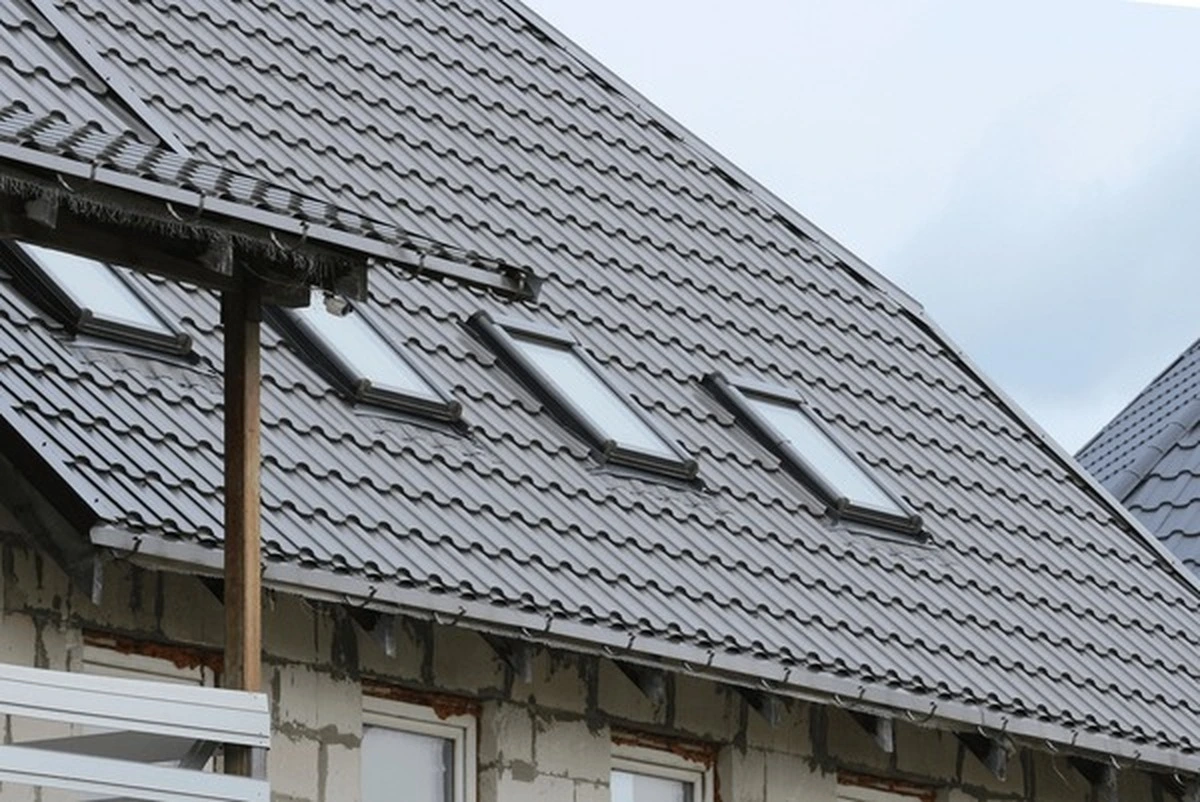
Table of Contents
Tuff rib metal roofing installation transforms homes and barns with durable, cost-effective exposed-fastener panels that homeowners can install themselves with proper planning and technique. The system features 36-inch-wide panels with distinctive 3/4-inch ribs spaced 9 inches apart, installed by fastening through flat sections adjacent to ribs using self-drilling screws at every purlin location and every 2 feet vertically. Professional installations cost $7–$11 per square foot, while DIY projects save $3–$4 per square foot in labor, making tuff rib one of the most economical metal roofing options delivering 40–50 years of weather protection.
This complete guide walks through substrate preparation, panel squaring, fastening patterns, trim installation, and finishing details to ensure professional results whether you hire contractors or tackle the project yourself.
Understanding Tuff Rib Metal Roofing Systems
Panel Specifications
Dimensions:
- Panel width: 36 inches (full width before overlap)
- Coverage width: 36 inches (after one-rib overlap)
- Rib height: 3/4 inch (19mm)
- Rib spacing: 9 inches on-center (major ribs)
- Standard lengths: 8–40 feet (custom lengths available)
Material Options:
- 29-gauge steel (most residential applications)
- 26-gauge steel (higher wind zones, commercial use)
- Galvalume coating (best corrosion resistance)
- Painted finishes (wide color selection)
- Aluminum (coastal/corrosive environments)
Minimum Slope: 3:12 pitch standard; 2.5:12 with special underlayment.
Pre-Installation Planning
Calculating Material Needs
Panel Quantity:
- Measure roof length (eave to ridge)
- Add 2–3 inches for eave overhang
- Measure roof width
- Divide width by 3 feet (36-inch coverage per panel)
- Add 10% waste factor
Example: 40-foot length × 30-foot width = 1,200 sq ft roof
→ 30 feet ÷ 3 feet = 10 panels wide
→ Order 11 panels (10% overage) at 40-foot length
Trim Requirements:
- Eave trim: Roof width + 10%
- Rake trim: Roof length × 2 sides + 10%
- Ridge cap: Ridge length + 10%
- Valley flashing: Valley length + 10% (if applicable)
Essential Tools & Materials
Power Tools:
- Cordless drill with adjustable clutch (18V minimum)
- Metal shears or circular saw with metal blade
- Chalk line and measuring tape
Hand Tools:
- Tin snips (straight, left, right cuts)
- 48-inch rafter square
- Utility knife
- Pry bar (removing old roofing)
Safety Equipment:
Materials:
- Tuff rib panels
- Self-drilling wood screws (#12, 1.5–2 inches with neoprene washers)
- Synthetic underlayment or #30 felt
- Inside foam closures (eave/ridge blocking)
- Outside foam closures (ridge venting)
- Eave, rake, and ridge trim
- Butyl tape (sealing laps)
- Pancake screws (trim fastening)
Step-by-Step Installation Process
Step 1: Prepare the Roof Substrate
Deck Requirements:
- Solid deck: 1/2-inch plywood or OSB minimum
- Purlin system: 2×4 or 2×6 at 24 inches on-center maximum
- Ensure structure is square and level
- Replace any damaged or rotted decking
- Verify structural capacity for metal roof + snow loads
Critical: Check that roof is square before starting. Out-of-square structures cause panel misalignment and gaps at sidelaps.
Step 2: Install Moisture Barrier
Underlayment Application:
- Start at eave, roll underlayment horizontally toward ridge
- Overlap horizontal seams 6 inches
- Overlap vertical seams 6 inches
- Staple every 6 inches at edges, 12 inches through middle
- Keep underlayment flat and wrinkle-free
- Apply ice-and-water shield at eaves (first 3–6 feet in snow regions)
Pro Tip: Use high-temperature synthetic underlayment under metal roofs (rated to 250°F+) to prevent degradation from heat buildup.
Step 3: Install Eave Trim
Purpose: Directs water into gutters and provides finished edge.
Installation:
- Position eave trim with nailing flange toward ridge
- Place kick/hem facing away from eave (drip edge)
- Fasten with pancake screws every 12 inches
- Overlap trim sections 2 inches minimum
- Fold corners for maximum weather protection
- Install underlayment over nail flange
Panel Overhang: Panels will extend 2–3 inches past eave trim (1 inch if gutters installed).
Step 4: Install Valley Flashing (If Applicable)
W-Valley Method:
- Center valley flashing over valley centerline
- Fasten edges every 12 inches with pancake screws
- Overlap valley sections 6 inches with butyl tape seal
- Apply expanding foam tape 1 inch from bottom edge
- Panels will install over valley with 3-inch minimum clearance from center
Open Valley Method: Panels cut and trimmed at valley; requires precision cutting.
Step 5: Square and Install First Panel
Critical Step: First panel alignment determines entire roof square.
Process:
- Verify roof is square by measuring diagonals (should be equal)
- Position first panel at eave with proper overhang (2–3 inches)
- Align with rake edge or 1 inch past if using rake trim
- Use 48-inch rafter square to square panel to eave (90-degree angle)
- Tack top corners temporarily with 2 screws
- Verify alignment before full fastening
- Adjust if needed—do not proceed if first panel is off-square
Step 6: Fasten Panels with Proper Pattern
Fastening Pattern (Standard Non-High-Wind):
Vertical Spacing:
- Fasten at every purlin/rafter location (typically 24 inches on-center)
- Add fasteners every 2 feet between purlins along panel length
Horizontal Spacing:
- Fasten through flat area adjacent to every major rib (NOT through rib peak)
- Standard: every other rib in middle sections
- Eave and ridge: both sides of every rib for maximum hold
Critical Fastening Rules:
- Drive screws perpendicular to roof (not angled)
- Tighten until washer compresses slightly but not crushed
- Over-tightening destroys neoprene seals → future leaks
- Under-tightening allows water infiltration
- Place fasteners 1 inch from panel edges
High-Wind Zones: Fasten every rib both sides, refer to Florida Product Approval (FPA) for hurricane-rated patterns.
Step 7: Overlap and Install Additional Panels
Sidelap Method:
- Next panel overlaps first panel by one full rib width
- Ribs must nest together precisely (misalignment creates gaps)
- Maintain consistent eave overhang across all panels
- Fasten through both layers where panels overlap
- Continue across roof width
End Laps (if required for longer roofs):
- Overlap panel ends 6 inches minimum
- Apply butyl tape entire length of lap
- Stagger end laps (don’t align vertically on adjacent panels)
- Fasten at 12-inch intervals through lap
Step 8: Install Inside Closures at Eave
Purpose: Blocks insects, debris, wind-driven rain while allowing ventilation.
Installation:
- Place foam closures between ribs at eave before final row of fasteners
- Compress closures to fill gap between panel and eave trim
- Fasten through closures into deck
- Bottom row of screws catches closures and holds in place
Step 9: Install Rake Trim (Gable Edges)
Two Methods:
Method A (After panels installed):
- Install all panels first
- Place rake trim over panel edges
- Fasten every 12 inches through flange into deck
- Apply butyl tape between trim and panels for wind/water seal
Method B (Before panels installed):
- Install L-trim rake before panels
- Slide panel edges under trim flange
- Fasten trim every 36 inches maximum
- Seal properly to prevent water migration
Step 10: Install Ridge Cap with Ventilation
Vented Ridge Installation (Recommended):
- Stop panels 2 inches from ridge centerline on both sides
- Apply outside foam closures along ridge ribs on both roof planes
- Use vented closures to allow airflow while blocking weather
- Center ridge cap over ridge peak covering all closures
- Fasten through every major rib (9-inch spacing) on both sides
- Use 3/4–2 inch screws to penetrate cap, closure, panel, and deck
- Overlap ridge cap sections 6 inches with butyl tape
- Install end caps at ridge terminations
Non-Vented Ridge: Butt panels tight at ridge, install ridge cap directly over panels.
Step 11: Sidewall & Transition Flashing
Sidewall (Panel Meets Vertical Wall):
- Install Z-flashing or headwall flashing before panels
- Panels slide under upper leg
- Fasten upper leg into wall every 12 inches
- Seal lower leg to panels with butyl tape
- Caulk where flashing meets siding
Transitions (Upper/Lower Roof Planes):
- Install lower roof panels and outside closures
- Position transition flashing over lower panels covering closures
- Fasten on every major rib of lower roof
- Fasten upper leg over underlayment every 12 inches
- Butyl tape along upper nail strip for maximum seal
Installation Costs (2025)
DIY Material Costs
Per Square Foot:
- Tuff rib panels (29-gauge): $2.50–$4.00
- Underlayment: $0.50–$1.00
- Trim/flashing: $1.00–$2.00 per linear foot
- Fasteners/closures: $0.50–$1.00
- Total DIY Materials: $4.50–$7.00/sq ft
Example (1,500 sq ft roof):
- Materials only: $6,750–$10,500
Professional Installation Costs
Per Square Foot:
- Materials + Labor: $7–$11/sq ft
- Labor alone: $2.50–$4.00/sq ft
Example (1,500 sq ft roof):
- Total installed: $10,500–$16,500
DIY Savings: $3,750–$6,000 on labor.
Common Installation Mistakes to Avoid
- Wrong fastener placement → Screwing through rib peaks distorts panels and causes leaks. Always fasten through flat areas.
- Over-tightening screws → Crushed neoprene washers fail within 5–10 years. Tighten until snug, not gorilla-tight.
- Poor first-panel square → Off-square first panel compounds across entire roof. Use rafter square and verify before fastening.
- Skipping underlayment → Direct panel-to-deck contact causes condensation rot. Always use moisture barrier.
- Inadequate panel overlap → Overlapping less than one full rib allows water infiltration at sidelaps.
- Missing closures → Skipping inside closures invites pest infestation and wind-driven rain.
- No butyl tape at laps → Unsealed laps leak during wind-driven rain and allow wind uplift.
- Walking on ribs → Panel denting and scratching. Walk only on flat sections between ribs.
Pro Installation Tips
1. Install in Dry, Calm Weather
Wind lifts panels; rain makes metal dangerously slippery.
2. Work with Helper
36-inch-wide panels are unwieldy; second person steadies panels during alignment.
3. Pre-Cut Panels on Ground
Safer than cutting on roof; reduces mistakes; measure twice, cut once.
4. Use Magnetic Screw Holder
Speeds installation and reduces dropped fasteners.
5. Keep Panels Clean
Metal shavings from cutting rust on panels. Brush off immediately.
6. Handle Panels Carefully
Sharp edges cut skin. Wear gloves. Avoid dragging panels (scratches coating).
FAQ
Can I install tuff rib metal roofing myself?
Yes, tuff rib is the most DIY-friendly metal roof system. Requires basic carpentry skills, proper tools, and safety equipment. Professional results depend on proper squaring and fastening techniques.
Do you screw through the rib or flat on tuff rib?
Always screw through the flat area adjacent to ribs, never through rib peaks. Fastening through ribs distorts panels and causes leaks.
What is the minimum pitch for tuff rib?
3:12 standard minimum; 2.5:12 with special high-temp underlayment and sealed fasteners. Check manufacturer specs for low-slope applications.
How many screws per square for tuff rib?
80–100 screws per 100 sq ft (one square). Example: 1,500 sq ft roof requires approximately 1,200–1,500 fasteners.
How long does tuff rib roofing last?
40–50 years with proper installation and fastener maintenance every 10–15 years. Galvalume-coated panels outlast galvanized.
Can you install tuff rib over existing shingles?
Yes, over one layer of shingles with furring strips or directly if shingles are flat. Always use underlayment between shingles and metal panels.
What gauge tuff rib should I use?
29-gauge for most residential applications; 26-gauge for higher wind zones (coastal, commercial) or heavy snow loads.
Conclusion
Tuff rib metal roofing installation delivers professional, long-lasting results when homeowners follow proper techniques: square the first panel meticulously, fasten through flats adjacent to ribs at every purlin and every 2 feet vertically, overlap panels one full rib width, and seal all laps with butyl tape. DIY projects save $3,750–$6,000 in labor on typical 1,500 sq ft roofs while delivering 40–50 years of weather protection. Prioritize safety with fall protection equipment, avoid over-tightening fasteners that crush neoprene washers, install moisture barrier to prevent condensation damage, and use vented ridge closures for maximum attic ventilation. Whether tackling installation yourself or hiring professionals, understanding these techniques ensures a leak-free, durable metal roof.
🏠 Roofing Tips & Updates
Get free roofing advice, cost guides, and seasonal maintenance tips.
Deeper dive: 20 Ft Metal Roofing Price: Complete 2026 Cost Guide.

Roofing content specialist with 5+ years researching U.S. residential and commercial roofing. Has documented 200+ projects covering installation costs, material selection, contractor vetting, and DIY guides for homeowners across all climate zones.
Leave A Comment