Preloader Close
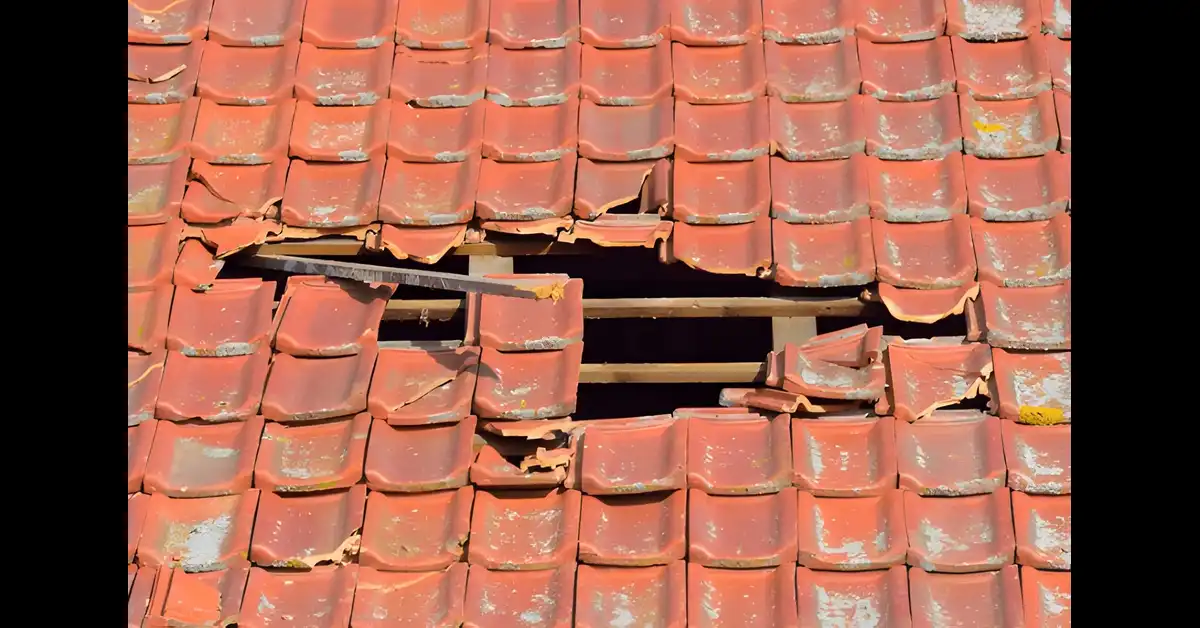
Table of Contents
Your roof is your home’s first line of defense against the elements. Over time, weather, debris, and wear can lead to damage that threatens your home’s safety and value. Catching roof damage early is vital to avoiding expensive repairs or complete replacement. This in-depth guide helps you identify early signs of damage, understand repair options, and maintain your roof for lasting protection.
Why Early Detection is Essential
The Insurance Information Institute reports that wind and hail account for 40% of all homeowner insurance claims in the U.S., with roofing damage representing the largest share of those losses.
Roof damage often starts small—like a missing shingle or slow leak—but can quickly escalate with moisture intrusion, causing rot, mold, and structural issues. Addressing problems immediately minimizes repair costs and prolongs your roof’s lifespan, keeping your home secure and energy-efficient.
Common Warning Signs of Roof Damage
Visible Indicators
- Shingles that are cracked, curled or missing: Wind and storms can loosen shingles. Missing or lifted shingles expose your roof to water damage.
- Granules accumulating in gutters: Loss of granules means your shingles are aging and deteriorating.
- Damaged or rusted flashing: Flashing seals roof penetrations; damage here leads to leaks.
- Sagging or buckling roof deck: This may indicate underlying decking or support problems.
Interior Signs
- Water stains or spots on ceilings and walls: These usually indicate active roof leaks.
- Mold or mildew odors: Persistent moisture from leaks encourages fungal growth.
- Peeling paint or wallpaper: Sign of water infiltration affecting drywall or plaster.
When to DIY or Call Professionals
Repairs You Can Do Yourself
- Small leaks can be sealed with roofing cement or repair tapes.
- Replacing single damaged or missing shingles.
- Clearing gutters and downspouts to improve drainage.
Call a Professional When…
- Damage is extensive or affects decking and supports.
- You need flashing or large-scale repairs.
- Your roof has steep slopes or other safety concerns.
Roofing professionals have the tools and expertise to ensure safe and durable repairs, protecting your home from further damage.
Best Materials for Roof Repairs
- Roofing Cement and Sealants: Effective for minor leaks and cracks, for use where shingles meet flashing or around vents.
- Metal Flashing: Superior protection for joints, chimneys, and valleys.
- Replacement Shingles or Tiles: Match existing material for seamless repairs.
- Roofing Tarps: Temporary cover for emergency water protection.
Maintaining Your Roof to Prevent Damage
- Schedule biannual inspections, ideally in spring and fall.
- Clean leaves and debris to avoid clogged gutters.
- Trim trees to prevent damage from branches.
- Address small issues immediately to avoid costly repairs.
Conclusion
Timely recognition and repair of roof damage protect your home, extend its life, and save money. Follow this guide to keep your roof in optimal shape and consult experts as needed for complex repairs.
🏠 Roofing Tips & Updates
Get free roofing advice, cost guides, and seasonal maintenance tips.

Roofing content specialist with 5+ years researching U.S. residential and commercial roofing. Has documented 200+ projects covering installation costs, material selection, contractor vetting, and DIY guides for homeowners across all climate zones.
Leave A Comment