
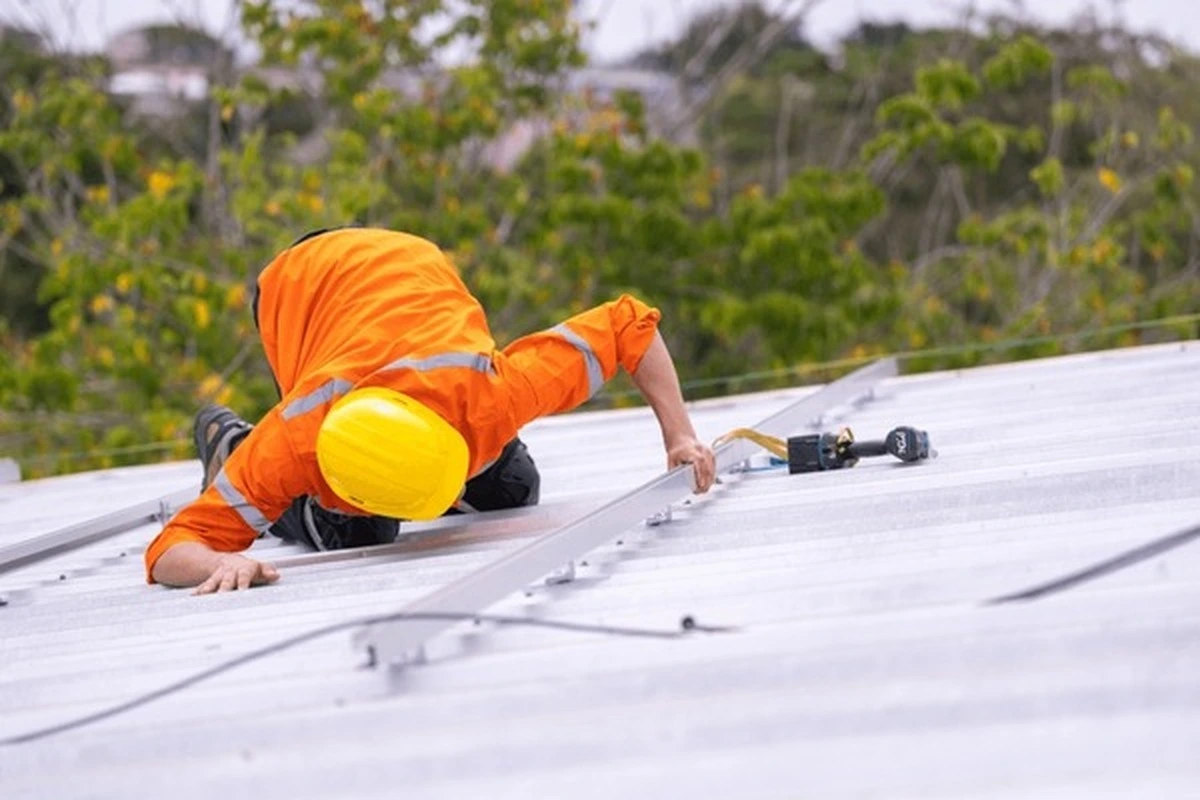
Professional Roof Inspection Service

How to Book a Professional Roof Inspection Service: Complete Guide

Booking a professional roof inspection service protects your home investment and prevents costly emergency repairs. A thorough inspection identifies problems early, extends roof lifespan, and ensures your roofing system performs optimally through all weather conditions. Understanding the booking process helps you select qualified professionals, schedule efficiently, and maximize the value of your inspection.

This guide walks through every step: researching contractors, evaluating credentials, scheduling appointments, preparing your property, and understanding what inspectors examine. Whether you need a routine maintenance check, pre-purchase evaluation, or post-storm assessment, following these proven steps ensures you hire the right professional for comprehensive service.


Why professional roof inspections matter

Before learning how to book a professional roof inspection service, understand why regular inspections are essential. Experts recommend scheduling inspections every 2-3 years for routine maintenance, even without visible problems. This proactive approach catches minor issues—loose shingles, failing flashing, deteriorating sealants—before they escalate into major damage requiring expensive repairs or full replacement.

Professional inspectors bring specialized knowledge and equipment that homeowners lack. They recognize subtle warning signs of underlying structural problems, ventilation issues, and water infiltration that aren’t obvious from ground level. Their trained eyes detect problems invisible to untrained observers, and comprehensive reports document roof condition for insurance claims, warranty coverage, or real estate transactions.

Timing matters significantly: schedule inspections after severe weather events, before listing your home for sale, after purchasing a property, when planning to re-roof, or if you notice interior water stains, missing shingles, or sagging areas. Strategic timing maximizes inspection value and prevents problems from worsening.


Step 1: Research qualified roofing inspection companies

The first step in how to book a professional roof inspection service is identifying reputable contractors with proper credentials and experience. Not all roofing companies provide equal quality, and choosing poorly can result in missed problems, incomplete reports, or even roof damage during inspection.
The first step in how to book a professional roof inspection service

Essential qualifications to verify:

  • Licensing: Confirm the company holds current state contractor licenses required in your jurisdiction
  • Insurance: Verify both general liability insurance (protects your property) and workers’ compensation coverage (protects you from liability if inspectors are injured)
  • Certifications: Look for certifications from manufacturers (GAF, CertainTeed, Owens Corning) or industry organizations indicating specialized training
  • Experience: Prioritize companies with at least 5-10 years experience inspecting your specific roof type (asphalt shingle, metal, tile, flat membrane)
  • Reputation: Check Better Business Bureau ratings, Google reviews, and local references

Where to find candidates:

Ask for recommendations from friends, family, neighbors, or your local home builders association—personal referrals often lead to reliable contractors. Online research through Google searches, Angie’s List, HomeAdvisor, or roofing manufacturer directories helps identify licensed professionals serving your area.

Compile a list of 3-5 qualified companies before moving to the next step. This comparison shopping ensures competitive pricing and helps you recognize if one company’s estimate differs dramatically from others.

![professional roof inspector examining shingles during inspection](image quotes

Once you’ve identified qualified candidates, contact each company to discuss your needs and request inspection quotes. Most reputable roofing companies offer free initial inspections as part of their customer service, though comprehensive written reports may carry fees ranging from $75-$300 depending on roof size and complexity.

Information to provide when contacting companies:

  • Your complete address and property location
  • Approximate roof age and type (if known)
  • Reason for inspection (routine maintenance, storm damage, pre-purchase, insurance requirement)
  • Specific concerns (leaks, missing shingles, age-related wear)
  • Your preferred inspection timeframe

Questions to ask the roofing company:

  • What does your inspection include (exterior only, or interior attic inspection as well)?
  • Do you provide a written report with photos and documentation?
  • How long does the inspection take?
  • What are your fees (if any) and what do they cover?
  • Are inspectors certified or specially trained?
  • Do you use drones or other technology for documentation?​
  • Can you perform repairs if problems are identified, or are you inspection-only?

Taking notes during these conversations helps you compare offerings and identify which company provides the most comprehensive service for your budget. Beware of companies that pressure you to schedule immediately or insist on same-day repairs without proper documentation—reputable professionals provide detailed assessments before recommending solutions.

For tips on evaluating contractor quotes, visit our roofing estimate comparison guide.


Step 3: Schedule your inspection appointment

After selecting your preferred roofing company, the next step in how to book a professional roof inspection service is scheduling a convenient appointment time. Most inspections take 45 minutes to 2 hours depending on roof size, complexity, and accessibility.

the next step in how to book a professional roof inspection service is scheduling a convenient appointment time

Scheduling considerations:

  • Weather conditions: Schedule for clear, dry weather when inspectors can safely access the roof and accurately assess conditions
  • Your availability: While you don’t need to be home for the entire inspection, being present at the beginning and end allows you to point out concerns and ask questions about findings
  • Seasonal timing: Spring and fall are ideal seasons—roofs are accessible, weather is moderate, and contractors typically have better availability than peak summer or winter
  • Urgency level: Routine inspections can usually be scheduled within 1-2 weeks; emergency post-storm assessments may be available within 24-48 hours depending on demand

Information the company will need to finalize scheduling:

  • Confirmed appointment date and time window (morning, afternoon, or specific hour)
  • Your name and contact information (phone and email)
  • Best number for day-of confirmation and updates​
  • Any access restrictions (locked gates, aggressive pets, alarm systems)
  • Special requests (drone inspection, specific areas of concern to prioritize)

Professional companies send confirmation emails detailing the appointment date, time, inspector name, what to expect, and how to prepare. Review this information carefully and add the appointment to your calendar with reminders.​


Step 4: Prepare your property for the inspection

Proper preparation ensures inspectors can conduct thorough examinations efficiently and safely. While professional roof inspection service providers handle most logistics, a few simple preparations maximize inspection effectiveness.
professional roof inspection service providers handle most logistics, a few simple preparations ma

Exterior preparation:

  • Clear access paths: Remove vehicles, equipment, or lawn furniture blocking access to all sides of the house
  • Trim vegetation: Cut back tree branches or bushes touching or overhanging the roof—inspectors need clear sight lines and safe ladder placement
  • Secure pets: Keep dogs or other animals inside or secured away from work areas
  • Unlock gates: Ensure inspectors can access all sides of the property, including backyard and side yards
  • Mark problem areas: Use flags or notes to indicate locations where you’ve noticed issues (water stains visible from ground, missing shingles, sagging sections)

Interior preparation (for attic inspections):

  • Clear access to attic entry points (pull-down stairs, scuttle holes, or access doors)
  • Remove stored items blocking pathways to attic access
  • Turn on attic lights if available
  • Note locations of interior water stains, mold, or ventilation concerns to show the inspector

Documentation to gather:

Collect any existing roof documentation: previous inspection reports, warranty information, contractor receipts from past repairs or installation, insurance claims related to roof damage, and age/specifications if you have original building records. This historical context helps inspectors understand your roof’s service history and identify patterns.
![inspector documenting roof condition with tablet


Step 5: Understand what inspectors examine

Knowing what professional roof inspection service includes helps you ask informed questions and understand the value you’re receiving. Comprehensive inspections follow systematic checklists covering both exterior and interior components.

Exterior roof inspection elements:

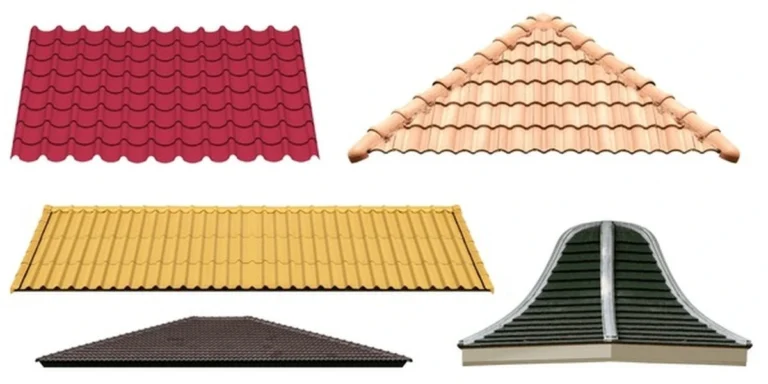
  • Roofing materials: Condition of shingles, tiles, metal panels, or membrane (cracking, curling, missing pieces, granule loss)
  • Flashing: Metal transitions around chimneys, skylights, vent pipes, and roof-to-wall junctions—common leak sources
  • Valleys: Internal angles where roof planes meet—prone to concentrated water flow and ice damming
  • Ridge and hip caps: Top-of-roof covering that protects vulnerable peak areas from water infiltration
  • Gutters and downspouts: Drainage system condition, proper slope, secure attachment, and functionality
  • Soffits and fascia: Underside and edge trim that affects ventilation and protects roof framing
  • Ventilation: Ridge vents, soffit vents, gable vents, or powered systems ensuring proper attic airflow
  • Chimneys: Masonry condition, cap presence, flashing integrity, and potential water entry points
  • Skylights: Seal condition, flashing, and any signs of leakage or deterioration

Interior attic inspection elements:

  • Roof decking: Plywood or OSB sheathing condition (sagging, water staining, rot, delamination)
  • Framing: Rafter or truss condition, signs of stress, cracking, or inadequate support
  • Insulation: Type, depth, condition, and whether proper ventilation clearances are maintained
  • Ventilation: Airflow pathways, baffles, and evidence of proper intake/exhaust balance
  • Moisture: Water stains, mold growth, condensation, or active leaks indicating roof penetration
  • Pest evidence: Signs of rodents, insects, or birds nesting in attic spaces
  • Electrical: Condition of wiring running through attic spaces (safety concern if insulation covers junction boxes)

Professional inspectors document findings with photographs, measurements, and detailed notes that become part of your written report.

Learn about specific problem signs in our common roof damage identification guide.


Step 6: Review the inspection report and ask questions

After completing the physical examination, professional roof inspection service providers compile findings into written reports—typically delivered within 24-48 hours of the inspection. This documentation is crucial for planning repairs, filing insurance claims, or negotiating real estate transactions.

What comprehensive reports include:

  • Executive summary: High-level overview of overall roof condition (good, fair, poor) and immediate concerns
  • Detailed findings: Section-by-section assessment of each roof component with descriptions of problems identified
  • Photographic evidence: Labeled images showing specific issues, providing visual documentation for insurance or contractors
  • Severity ratings: Classification of problems by urgency (immediate attention required, monitor, or cosmetic only)
  • Repair recommendations: Specific actions needed to address identified issues, from simple maintenance to replacement
  • Cost estimates: Approximate repair or replacement costs (ranges, not formal bids)
  • Timeline guidance: When repairs should be completed (emergency, within 30 days, within 1 year, etc.)
  • Maintenance suggestions: Preventive actions to extend roof life and prevent future problems

Questions to ask when reviewing the report:

  • Which issues require immediate attention versus long-term monitoring?
  • What is the estimated remaining service life of my roof?
  • Are identified problems covered by existing warranties or insurance?
  • Can I perform any maintenance myself, or do all repairs require professionals?
  • If I delay recommended repairs, what additional damage might occur?
  • Do you offer repair services, or should I obtain separate bids?

Don’t hesitate to request clarification on technical terms or ask for additional photos of specific areas. Reputable inspectors welcome questions and want you to fully understand your roof’s condition.

![detailed roof inspection report with photos and recommendations

For guidance on interpreting technical terminology, see our roofing terms glossary.


Step 7: Take action based on inspection findings

The final step after booking and completing a professional roof inspection service is acting on the recommendations. Inspection reports only provide value when you use the information to protect and maintain your roofing investment.

Immediate priorities:

Address any safety hazards or issues causing active leaks immediately—water infiltration damages roof decking, insulation, ceilings, and wall structures rapidly. Emergency repairs prevent exponential damage escalation that turns minor problems into major expenses.

Planning repairs:

For non-emergency repairs, obtain 2-3 competitive bids from licensed roofing contractors, providing each with a copy of your inspection report so they quote based on the same scope of work. This ensures you compare equivalent repairs rather than different interpretations of what’s needed.

Maintenance scheduling:

Implement recommended maintenance actions like gutter cleaning, debris removal, or minor caulking that prevent problems from developing. Schedule these tasks seasonally or annually as suggested in the report.

Documentation and monitoring:

File the inspection report with your home records for future reference, warranty claims, or real estate transactions. If the report recommends monitoring certain areas, schedule follow-up inspections at the suggested intervals to track problem progression.

Insurance and warranty considerations:

Submit inspection reports to insurance companies if storm damage is documented—many policies cover repairs for covered perils. Check if identified problems fall under manufacturer or contractor warranties that may cover repair costs.

For help planning repair priorities and budgets, visit our roof repair cost estimator.


Cost factors for professional roof inspections

Understanding pricing helps you budget appropriately when learning how to book a professional roof inspection service. Costs vary based on several factors, though many companies offer free basic inspections as customer service.

Typical inspection pricing:

Service TypeCost RangeWhat’s Included
Basic visual inspectionFree-$100Exterior examination, verbal findings, no formal report
Standard inspection with report$150-$300Exterior and interior inspection, written report with photos 
Comprehensive pre-purchase$300-$500Detailed documentation, measurements, estimated lifespan, repair costs
Commercial roof inspection$500-$1,500+Large format roofs, multiple buildings, detailed documentation 
Drone inspection (add-on)$75-$200Aerial photography, hard-to-access areas, comprehensive documentation

Factors affecting cost:

  • Roof size: Larger roofs (3,000+ sq ft) require more time and may cost more
  • Roof pitch: Steep roofs (8/12 pitch or greater) require additional safety equipment and time
  • Complexity: Multiple roof planes, valleys, dormers, or unique features increase inspection time
  • Accessibility: Difficult access or multi-story buildings may require specialized equipment
  • Report detail: Basic verbal reports cost less than comprehensive written documentation with photos
  • Additional services: Thermal imaging, moisture detection, or structural engineering analysis add costs

Many roofing companies waive inspection fees if you hire them for recommended repairs, though independent inspectors charging fees provide unbiased assessments without sales pressure.


Red flags when booking roof inspection services

Knowing warning signs of unreliable contractors protects you from poor service or scams. Watch for these red flags when learning how to book a professional roof inspection service:

Warning signs of unprofessional companies:

  • No verifiable license or insurance: Legitimate contractors readily provide license numbers and insurance certificates
  • Pressure tactics: Demanding immediate decisions, “today only” pricing, or insisting on repairs before providing written documentation
  • Cash-only payment: Reputable companies accept checks and credit cards; cash-only requests often indicate unlicensed operations
  • No written contracts: Professional service always includes written agreements specifying scope, cost, and terms
  • Reluctance to provide references: Established companies willingly share past customer contacts
  • Door-to-door solicitation after storms: While common, be extra cautious with unsolicited contractors appearing after weather events—many are fly-by-night operations

Questions that should concern you:

If a contractor suggests you need immediate total roof replacement without showing you specific problems or damage documentation, seek second opinions. Honest inspectors identify issues clearly and explain why recommendations are necessary, never using scare tactics or exaggerating problems to generate sales.


Frequently Asked Questions

How often should I book a professional roof inspection service?
Schedule routine inspections every 2-3 years for maintenance, plus additional inspections after severe weather events, before purchasing or selling a home, or when you notice problems like leaks or missing shingles.

Do I need to be home during the roof inspection?
While not required for the entire inspection, being present at the start and end allows you to point out concerns and ask questions about findings. Most inspections take 45 minutes to 2 hours.

What’s the difference between free and paid roof inspections?
Free inspections typically provide verbal findings without detailed written reports and may come with sales pressure. Paid inspections ($150-$300) deliver comprehensive written reports with photos, ideal for unbiased assessments or insurance/real estate purposes.

Can roof inspectors identify all problems?
Professional inspectors find most visible issues but cannot see beneath intact shingles or identify problems that only appear during rain events. They assess current condition and likely concerns based on experience.

How quickly can I schedule a roof inspection?
Routine inspections typically schedule within 1-2 weeks; emergency post-storm assessments may be available within 24-48 hours depending on contractor availability and local demand.


Taking the next step with confidence

Knowing how to book a professional roof inspection service empowers you to protect your home proactively and make informed decisions about roof maintenance and repairs. The seven-step process—researching contractors, requesting quotes, scheduling efficiently, preparing properly, understanding inspection scope, reviewing reports thoroughly, and taking appropriate action—ensures you maximize inspection value while avoiding common pitfalls.

Regular professional inspections extend roof lifespan, prevent expensive emergency repairs, and provide documentation supporting insurance claims or real estate transactions. Don’t wait for obvious problems to appear—proactive assessment catches issues early when repairs are simpler and less costly.

Ready to schedule your inspection? Use our roofing contractor directory to find certified professionals in your area, or download our free roof inspection preparation checklist to ensure you’re ready when inspectors arrive.

Similar Posts

Leave a Reply

Your email address will not be published. Required fields are marked *