
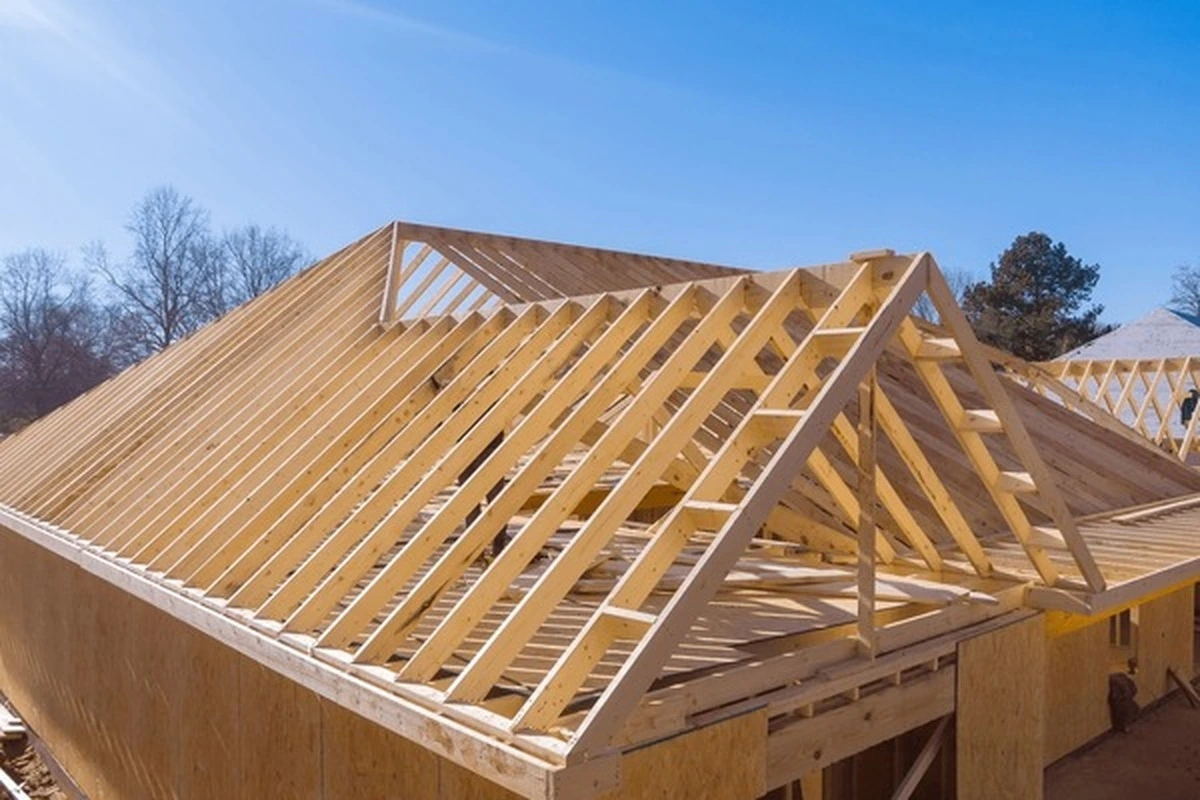
Installing Roof Trusses: 7 Essential Steps for Safety
Installing roof trusses correctly is fundamental to structural integrity, worker safety, and long-term roof performance. Roof trusses are engineered components that must be handled, placed, and braced according to manufacturer specifications and industry standards to prevent collapse during construction and ensure decades of reliable service.
This guide covers every critical phase: pre-installation planning, safe lifting techniques, systematic placement, temporary and permanent bracing protocols, and quality verification. Whether you’re a professional framing contractor or an experienced builder tackling a complex project, following these proven methods ensures code compliance and protects your crew.
Table of Contents
Understanding truss layout and delivery inspection
Before installing roof trusses, thoroughly review the truss layout drawings provided by the manufacturer. These engineering documents specify truss types, placement locations, spacing, bearing points, and required bracing configurations. Each truss is typically labeled (e.g., A1, B3, C2) corresponding to positions marked on the layout plan.
Inspect every truss immediately upon delivery for transport or manufacturing damage. Look for cracked or split lumber, loose or damaged metal connector plates, twisted members, or any deviations from the engineered design. Reject damaged trusses immediately—never attempt to repair or modify engineered trusses without written approval from a structural engineer.
Verify that the quantity and types of trusses match your order and that special trusses (girder trusses, hip trusses, valley sets) are clearly identified. Store trusses flat on level blocking, never leaning or stacked vertically, and keep them covered if installation will be delayed.
Safety planning before installation:
- Establish fall protection systems (guardrails, safety nets, or personal fall arrest systems) for all work at heights above 6 feet
- Check weather forecasts—wind speeds exceeding 20 mph make truss installation dangerous
- Assign specific crew roles: crane operator, ground crew, roof crew with clear communication protocols
- Ensure scaffolding or working platforms provide safe access and stable work surfaces

For trusses spanning more than 30 feet or weighing over 200 pounds, crane lifting is the safest and most efficient method. Position the crane to minimize swing distance and avoid passing loads over workers or occupied areas.
Crane rigging for trusses:
- Use spreader bars or lifting beams to distribute load across the truss length and prevent crushing of top chords
- Attach rigging at designated lift points marked on the truss (typically near quarter-points) or as specified by the manufacturer
- Lift trusses vertically in their natural upright position—never drag, bend, or twist during lifting
- Use tag lines to control rotation and guide trusses into position as they approach the roof
Manual lifting for smaller trusses:
When crane access is impossible or for shorter trusses (under 30 feet), manual lifting requires a minimum crew of four to six workers depending on truss weight. Position workers evenly along the bottom chord, lift in unison, and maintain the truss in a vertical plane throughout the lift.
Use rope and pulley systems anchored to ridge or sturdy supports to assist in raising trusses from ground to roof level. Never attempt to “walk up” a truss by lifting one end—this bends the truss and can cause permanent damage.
[Embed YouTube video: How to Install Roof Trusses]
Learn more about safe construction site practices and fall protection
Setting and bracing the gable or first common truss
The first truss installation is the most critical step when installing roof trusses because it establishes the reference point for all subsequent trusses. Whether you start with a gable end truss or the first common truss, this unit must be perfectly positioned, plumb, and securely braced before proceeding.
Installation sequence for the first truss:
- Position at layout marks: Lift the truss into position and set the bottom chord on the marked location on the wall plates
- Check orientation: Ensure the truss “production face” (the side with visible connector plates) points toward the direction specified on the layout plan—all trusses must face the same direction
- Verify plumb: Use a 6-foot or 8-foot level on the vertical web members to ensure the truss is perfectly vertical (plumb) in both directions
- Secure to plates: Fasten the bottom chord to wall plates using metal hurricane ties, clips, or heavy-duty framing anchors at each bearing point. Follow manufacturer specifications for fastener type and quantity—typically three 10d nails or structural screws per connection
- Install diagonal bracing: Attach temporary diagonal bracing (2×4 lumber) from the peak of the first truss down to the wall plate or ground at approximately 45 degrees, securing both ends with multiple nails or screws. This lateral restraint prevents the truss from tipping before additional trusses are installed.
- Brace in both directions: Install diagonal bracing to both the front and back to stabilize the truss against movement in either direction
Do not proceed with additional trusses until the first unit is rock-solid and verified plumb—this truss anchors the temporary bracing system for the entire roof.

While temporary bracing keeps trusses stable during construction, permanent bracing provides the structural integrity required for the life of the building. Permanent bracing must be installed according to the truss manufacturer’s bracing diagram and the project’s structural drawings.
Types of permanent bracing:
Roof sheathing as diaphragm bracing:
Plywood or OSB roof sheathing, when properly nailed according to code schedules, acts as a horizontal diaphragm that braces the entire truss system. Typical nailing is 6 inches on center at panel edges and 12 inches on center in the field, using 8d common nails minimum.
Diagonal lateral bracing:
Continuous 2×4 or 2×6 bracing let into (notched into) the top surface of top chords at specified locations, running at 45 degrees from ridge toward eave. This bracing prevents lateral buckling of the top chord under load and is required by most truss designs.
Bottom chord bracing:
For trusses with spans exceeding 30 feet, permanent lateral bracing of the bottom chord is typically required at mid-span or as specified. This prevents bottom chord buckling and is usually installed as continuous 2×4 boards running perpendicular to trusses.
Gable end bracing:
Gable end trusses require vertical studs (typically 2×4 at 24 inches on center) from the top plate to the underside of the top chord, or diagonal bracing from peak to eave, to resist wind loads. Sheathing alone does not adequately brace gable ends.
 fastened per manufacturer specifications. These connections prevent uplift during high wind events and are required by code in most jurisdictions. Use galvanized or stainless steel connectors rated for the expected loads.
For detailed connector specifications, see our structural connection guide.
Verification steps before sheathing
Before covering trusses with sheathing, perform a comprehensive quality check to identify and correct any installation errors. Corrections are far easier before sheathing covers the framing.
Final inspection checklist:
- Plumb verification: Check multiple trusses with a long level to confirm all remain vertical; look down the roof line from each end to spot any leaning or twisted trusses
- Spacing accuracy: Measure truss spacing at three locations (eave, mid-span, ridge) to verify consistent on-center spacing
- Bracing security: Walk the roof and check that all temporary and permanent bracing is securely nailed with no loose boards
- Connections complete: Verify hurricane ties or clips are installed at every bearing point with the correct number of fasteners
- Overhang consistency: Measure overhang distance at multiple points along eaves and rakes to ensure uniformity
- Damage check: Inspect for any cracks, splits, or damaged connector plates that may have occurred during installation
- Access provisions: Confirm that attic access hatches or mechanical openings are properly framed and headers installed per plan
Document the completed installation with photographs from multiple angles before applying sheathing. This photographic record is valuable for building inspectors, future reference, and in the unlikely event of insurance claims.
Critical errors that compromise structural integrity
Even experienced crews make mistakes when installing roof trusses, and some errors can have serious structural or safety consequences.
Common mistakes to avoid:
- Inadequate temporary bracing: Installing too few lateral braces or spacing them too far apart leaves trusses vulnerable to collapse from wind or worker loads during construction. Follow manufacturer bracing diagrams exactly—they’re based on engineering analysis.
- Inconsistent spacing: Allowing truss spacing to drift from the specified layout creates uneven load distribution and can violate code requirements. Accumulated spacing errors may leave insufficient space for the final truss or create an illegal span at one end.
- Cutting or modifying trusses: Never cut truss members, drill holes, notch chords, or modify connector plates without written approval from a licensed structural engineer. Trusses are engineered systems where every member carries calculated loads—field modifications can cause catastrophic failure.
- Wrong orientation: Installing trusses with production faces in different directions or reversing left and right trusses compromises the engineered design. Always verify that connector plates face the correct direction and truss identification matches the layout drawing.
- Removing bracing prematurely: Taking down temporary bracing before permanent bracing and sheathing are complete is extremely dangerous. Many construction injuries and fatalities occur when partially completed roofs collapse due to premature bracing removal.
- Poor bearing connections: Omitting hurricane ties, using inadequate fasteners, or failing to connect at all bearing points allows uplift that can pull the roof off during high winds. Every bearing point must have an approved metal connector installed per code.
- Working in unsafe conditions: Installing roof trusses in wind speeds above 20 mph significantly increases the risk of trusses blowing over or workers losing control of components. Postpone installation when weather conditions are marginal.
Project planning and budget factors
Understanding the time and cost involved in installing roof trusses helps with accurate project bidding and scheduling.
Labor and timeline:
A professional framing crew of four to five workers can typically install 20 to 30 residential roof trusses per day for straightforward gable roofs with clear crane access. Complex roof designs with hips, valleys, multiple roof planes, or difficult site access can reduce productivity to 10-15 trusses per day or less.
Cost breakdown:
Timeline comparison:
| Roof Size | Truss Count | Professional Install Time | DIY Install Time (with help) |
|---|---|---|---|
| Small (1,200 sq ft) | 16-20 trusses | 1 day | 2-3 days |
| Medium (2,000 sq ft) | 26-35 trusses | 1-2 days | 3-5 days |
| Large (3,000 sq ft) | 40-50 trusses | 2-3 days | 5-7 days |
| Complex (hip, multiple planes) | Varies | Add 50-100% time | Add 100-150% time |
These estimates assume good weather, experienced crew, clear site access, and standard residential construction. Commercial projects, long-span trusses, or difficult sites require additional time and specialized equipment.
Essential tools for installing roof trusses

Proper equipment makes installation safer, faster, and more accurate.
Safety equipment (non-negotiable):
- Fall arrest harnesses with lanyards and anchor points rated for fall protection
- Hard hats (ANSI Z89.1 rated)
- Work gloves with good grip
- Safety glasses or goggles
- Non-slip work boots with ankle support
Lifting equipment:
- Crane with appropriate capacity and reach (most common for residential)
- Telehandler or forklift with truss boom attachment (alternative for some sites)
- Rope and pulley systems for manual lifting of smaller trusses
- Rigging: spreader bars, slings, shackles rated for truss weight
Installation tools:
- Framing nailer (pneumatic or cordless) with 10d and 16d nails
- Hammer for adjustments and temporary fasteners
- Cordless drill/driver with socket adapter for hurricane tie screws
- 4-foot and 8-foot levels for checking plumb
- 25-foot tape measure and chalk line for layout
- Speed square and framing square for checking alignment
- Circular saw for cutting bracing lumber
Communication equipment:
- Two-way radios for coordination between ground crew, crane operator, and roof crew
- Hand signals as backup (establish signals before starting)
Bracing materials inventory:
- 2×4 lumber for temporary and permanent diagonal bracing
- 1×4 or 2×4 continuous lateral bracing boards
- Metal hurricane ties or clips (quantity = number of bearing points)
- 16d and 10d galvanized nails
- 3-inch structural screws
- Metal connector plates for splicing bracing if needed
Setting and bracing the gable or first common truss
Many contractors prefer installing roof trusses starting from a gable end because gable trusses provide a solid reference plane and include built-in vertical studs that simplify initial bracing. However, on some designs you may start with common trusses and work toward both ends. Regardless of starting point, the principle remains identical: the first truss must be perfectly positioned because every subsequent truss references this initial placement. Take extra time verifying this first unit—rushing through this critical step compounds errors throughout the entire roof assembly.
Building codes and truss documentation
Roof trusses are engineered structural components that must comply with building codes and be installed according to stamped engineering drawings.
Required documentation:
Every truss delivery must include:
- Truss layout plan showing location and identification of each truss
- Individual truss design drawings with stamped engineer’s seal
- Bracing installation diagram specifying temporary and permanent bracing locations
- Installation instructions from the truss manufacturer
Keep all documentation on the job site during installation and provide copies to the building inspector. Inspectors verify that trusses match approved plans and that installation follows engineering specifications.
Code compliance:
Installing roof trusses must meet International Residential Code (IRC) and International Building Code (IBC) requirements, including:
- Truss design by licensed engineer
- Proper bearing on load-bearing walls (minimum 1.5 inches bearing length)
- Approved metal connectors at all bearing points
- Bracing per BCSI (Building Component Safety Information) guidelines
- Adequate ventilation provisions (separate requirement, but affects truss design)
Local amendments may impose additional requirements—verify with your building department before installation.
External resources:
- SBCA Structural Building Components Association: Truss Bracing Guide
- OSHA Construction Safety Standards: Fall Protection
For building code compliance checklists, see our building inspection preparation guide.
Frequently Asked Questions
Can I install roof trusses without a crane?
Yes, for trusses under 30 feet span and weighing less than 200 pounds, a crew of 4-6 workers can manually lift trusses using rope and pulley systems. However, crane installation is safer, faster, and strongly recommended for larger trusses.
How long does installing roof trusses take for an average house?
A professional crew can install 20-30 trusses per day on a simple gable roof, so a typical 2,000 square foot home (25-35 trusses) takes 1-2 days. Complex roofs with hips and valleys take longer.
What spacing is required for roof trusses?
Residential trusses are typically spaced 24 inches on center, though 16-inch or 19.2-inch spacing is used in some designs. Always follow the truss layout plan provided by the engineer—spacing is calculated for specific loads.
Can I cut or modify a roof truss after installation?
No. Never cut, notch, drill, or modify an engineered truss without written approval from a licensed structural engineer. Unauthorized modifications can cause structural failure and void warranties.
When can I remove temporary bracing from trusses?
Only after permanent bracing (roof sheathing fully nailed, permanent diagonal bracing installed, and gable end bracing complete) is in place. Consult the truss bracing diagram for specific guidance—removing bracing prematurely is extremely dangerous.
Final thoughts on safe truss installation
Installing roof trusses demands careful attention to engineering specifications, systematic bracing protocols, and unwavering commitment to safety. While the process follows logical steps—prepare plates, lift components, place accurately, brace thoroughly, and verify quality—the margin for error is small when working with large structural components at height.
Professional installation pays for itself through speed, safety, and structural assurance, especially for complex roof designs or challenging site conditions. When undertaking truss installation, always work from manufacturer’s engineering drawings, follow industry bracing standards, and never compromise on temporary bracing or fall protection.


