Preloader Close
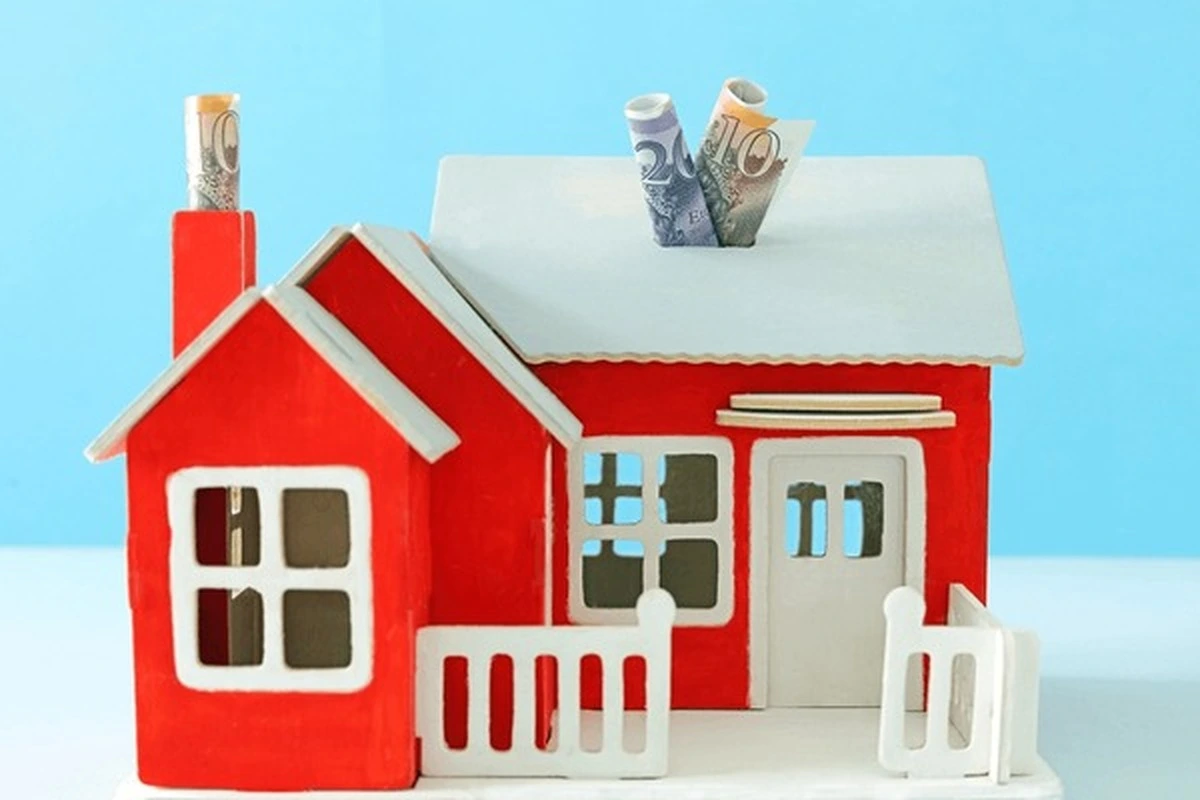
The average cost of a new roof ranges from $8,000 to $30,000 for most residential homes, with the final price determined by roofing material type, roof size, pitch complexity, regional labor rates, and structural condition. Asphalt shingle roofs—the most popular choice—typically cost $5,500-$12,000 for an average 2,000 square foot home, while premium materials like metal roofing ($14,000-$30,000) or slate ($36,000-$70,000) command significantly higher investments.
Understanding what drives the average cost of a new roof empowers homeowners to budget accurately, compare contractor estimates effectively, and make informed material selections that balance upfront expense with long-term value. This comprehensive guide breaks down pricing by material type, explains cost factors most homeowners overlook, reveals regional price variations, and provides proven strategies to control expenses without sacrificing quality or durability.
What is the average cost of a new roof in 2025?
The average cost of a new roof for residential properties in 2025 varies significantly based on material selection, but national data provides useful baseline figures for planning purposes.
National average by material type:
- Asphalt shingles (3-tab): $5,500-$9,000 for typical homes, representing the most economical option with 15-20 year lifespan
- Architectural/dimensional shingles: $8,500-$14,000 for standard installations, offering enhanced durability and curb appeal with 25-30 year warranties
- Metal roofing: $14,000-$30,000 depending on profile type, delivering 40-70 year lifespan with energy efficiency benefits
- Clay or concrete tile: $20,000-$40,000 for traditional installations, providing 50-100 year lifespan in appropriate climates
- Slate roofing: $36,000-$70,000+ for premium applications, lasting 75-200 years with minimal maintenance
According to the National Roofing Contractors Association (NRCA), these figures represent complete roof replacement projects including tear-off, disposal, underlayment, flashing, ventilation, and labor.
Cost per square foot installed:
Roofing professionals measure projects in “roofing squares,” where one square equals 100 square feet of roof surface area. Per square foot pricing helps homeowners estimate costs based on their specific roof dimensions:
- Asphalt shingles: $3.50-$7.50 per sq ft installed
- Metal roofing: $7.00-$15.00 per sq ft installed
- Tile roofing: $10.00-$25.00 per sq ft installed
- Slate roofing: $18.00-$35.00 per sq ft installed
- Wood shakes: $7.00-$13.00 per sq ft installed
Typical costs by home size:
| Home Size | Roof Area (approx) | Asphalt Shingles | Metal Roofing | Tile Roofing |
|---|---|---|---|---|
| 1,500 sq ft | 1,700 sq ft | $5,950-$12,750 | $11,900-$25,500 | $17,000-$42,500 |
| 2,000 sq ft | 2,300 sq ft | $8,050-$17,250 | $16,100-$34,500 | $23,000-$57,500 |
| 2,500 sq ft | 2,900 sq ft | $10,150-$21,750 | $20,300-$43,500 | $29,000-$72,500 |
| 3,000 sq ft | 3,500 sq ft | $12,250-$26,250 | $24,500-$52,500 | $35,000-$87,500 |
These estimates assume standard-pitch roofs (4:12 to 6:12 slope) with moderate complexity. Actual roof area typically exceeds home footprint by 15-35% due to pitch, overhangs, and multiple planes.
For detailed material comparisons, see our complete guide to choosing roofing materials.
 shingles:
- Material cost: $1.50-$3.50 per sq ft
- Labor cost: $2.50-$4.50 per sq ft
- Total installed: $4.00-$8.00 per sq ft
- Lifespan: 25-30 years with proper ventilation
- Best for: Primary residences, improved aesthetics, better wind/impact ratings
Asphalt shingles offer the lowest average cost of a new roof while providing adequate performance for most climates and sufficient warranty protection from major manufacturers like GAF, CertainTeed, and Owens Corning.
Metal roofing: premium longevity
Metal roofing systems deliver exceptional durability and energy efficiency, justifying higher initial investment through extended service life and reduced cooling costs.
- Standing seam (concealed fasteners):
- Material cost: $4.00-$8.00 per sq ft
- Labor cost: $3.00-$7.00 per sq ft
- Total installed: $7.00-$15.00 per sq ft
- Lifespan: 40-70 years
- Best for: Modern aesthetics, coastal areas, energy-conscious homeowners
- Corrugated/R-panel (exposed fasteners):
- Material cost: $2.00-$4.50 per sq ft
- Labor cost: $2.50-$5.00 per sq ft
- Total installed: $4.50-$9.50 per sq ft
- Lifespan: 30-50 years
- Best for: Agricultural buildings, workshops, budget metal option
The Metal Roofing Alliance reports that homeowners choosing metal roofing see 10-25% reductions in cooling costs due to reflective coatings that reduce heat absorption.
Tile roofing: classic durability
Clay and concrete tiles provide unmatched longevity and fire resistance, particularly popular in Mediterranean, Spanish Colonial, and Southwestern architectural styles.
- Clay tile:
- Material cost: $6.00-$15.00 per sq ft
- Labor cost: $6.00-$13.00 per sq ft
- Total installed: $12.00-$28.00 per sq ft
- Lifespan: 75-100 years
- Weight: 850-1,100 lbs per square (may require structural reinforcement)
- Concrete tile:
- Material cost: $4.00-$10.00 per sq ft
- Labor cost: $5.00-$11.00 per sq ft
- Total installed: $9.00-$21.00 per sq ft
- Lifespan: 50-75 years
- Weight: 820-1,000 lbs per square
Tile roofing significantly increases the average cost of a new roof but excels in hot, dry climates where thermal mass and fire resistance provide measurable benefits.
Slate roofing: ultimate premium
Natural slate represents the pinnacle of roofing longevity and prestige, commonly found on historic homes, luxury estates, and architecturally significant buildings.
- Material cost: $10.00-$20.00 per sq ft
- Labor cost: $8.00-$15.00 per sq ft
- Total installed: $18.00-$35.00 per sq ft
- Lifespan: 75-200 years depending on slate quality
- Weight: 800-1,500 lbs per square (requires engineered roof structure)
Slate installation demands specialized craftsmen familiar with proper techniques, driving labor costs higher than other materials. However, the investment often outlasts the building itself.
Wood shakes and shingles
Cedar and redwood shakes provide rustic aesthetics favored in mountain, craftsman, and traditional architectural styles.
- Material cost: $4.00-$7.00 per sq ft
- Labor cost: $3.00-$6.00 per sq ft
- Total installed: $7.00-$13.00 per sq ft
- Lifespan: 20-40 years with treatment and maintenance
- Maintenance: Requires periodic cleaning, treatment, and inspection
Many jurisdictions restrict or prohibit wood roofing in wildfire-prone areas due to fire risk, limiting availability and increasing the average cost of a new roof in compliant fire-rated wood products.
[Embed YouTube video: Comparing Roofing Materials – Cost vs. Value] (video placeholder)
Explore our detailed roofing material comparison guide for climate-specific recommendations.
Understanding labor costs in average new roof pricing
Labor typically represents 40-60% of the total average cost of a new roof, varying based on roof characteristics, regional wage levels, and project complexity.
Regional labor rate variations:
Geographic location dramatically affects labor costs due to local wage standards, cost of living differences, and contractor availability:
- Northeast (NY, NJ, CT, MA): $75-$150 per hour crew rates reflecting high living costs and union labor prevalence
- West Coast (CA, WA, OR): $70-$140 per hour in metro areas, moderate rates in rural regions
- Southeast (FL, GA, NC, SC): $55-$100 per hour with year-round installation seasons allowing competitive pricing
- Midwest (IL, OH, MI, IN): $50-$95 per hour representing moderate cost markets
- Southwest (TX, AZ, NM): $45-$90 per hour benefiting from lower labor costs and less restrictive licensing
- Mountain states (CO, UT, WY): $55-$105 per hour with seasonal limitations increasing peak-season rates
Roof pitch impact on labor:
Roof steepness directly affects installation speed, safety requirements, and worker efficiency:
- Low pitch (2:12 to 4:12): Standard labor rates, safe working conditions
- Moderate pitch (5:12 to 7:12): +10-20% labor premium for slower work and additional safety measures
- Steep pitch (8:12 to 12:12): +20-40% labor premium requiring specialized equipment, scaffolding, and safety harnesses
- Very steep (12:12+) or mansard: +40-60% or custom pricing due to extreme difficulty and safety complexity
Complexity factors:
Several roof design elements increase labor time and the overall average cost of a new roof:
- Multiple valleys: Each valley requires precise flashing installation and careful material integration, adding 2-4 hours per valley
- Dormers: Window projections create additional planes, transitions, and flashing details, adding $300-$800 per dormer
- Chimneys: Proper flashing systems with step flashing, counter flashing, and cricket installation add $400-$1,200 per chimney
- Skylights: Each skylight demands careful flashing and integration, adding $250-$600 per unit
- Multiple roof planes: Hips, intersections, and direction changes slow installation and increase material waste
- Penetrations: Plumbing vents, exhaust fans, and other roof penetrations require individual flashing boots and sealing
Tear-off and disposal:
Removing existing roofing materials adds significant labor and disposal costs to the average cost of a new roof:
- Single-layer removal: $1.00-$2.00 per sq ft for basic asphalt shingle tear-off
- Multiple layers: $1.50-$3.00 per sq ft when two or more layers require removal
- Heavy materials: Tile or slate removal costs $2.50-$5.00 per sq ft due to weight and disposal fees
- Dumpster rental: $300-$800 depending on roof size and debris volume
According to HomeAdvisor’s roofing cost data, avoiding tear-off by installing over existing shingles (where code permits) saves $1,000-$3,000 but may void manufacturer warranties and reduce new roof lifespan.

Accurately calculating roof area and accounting for pitch multipliers ensures realistic budgets for the average cost of a new roof specific to your property.
Measuring roof size:
While home square footage provides a starting point, actual roof area typically exceeds it by 15-35% due to pitch angle, overhangs, and multiple planes.
Pitch multiplier factors:
Roof pitch (rise over run) increases actual surface area compared to horizontal footprint:
| Pitch | Angle | Multiplier | Example: 2,000 sq ft home |
|---|---|---|---|
| 2:12 | 9.5° | 1.02x | 2,040 sq ft roof area |
| 4:12 | 18.4° | 1.06x | 2,120 sq ft roof area |
| 6:12 | 26.6° | 1.12x | 2,240 sq ft roof area |
| 8:12 | 33.7° | 1.20x | 2,400 sq ft roof area |
| 10:12 | 39.8° | 1.30x | 2,600 sq ft roof area |
| 12:12 | 45° | 1.41x | 2,820 sq ft roof area |
A home with 2,000 square feet of living space and an 8:12 pitch roof actually has approximately 2,400 square feet of roofing surface, significantly affecting material quantities and the average cost of a new roof.
Cost estimates by roof size:
Small roofs (1,000-1,500 sq ft):
- Asphalt shingles: $3,500-$11,250
- Architectural shingles: $4,000-$12,000
- Metal roofing: $7,000-$22,500
- Typical applications: Small ranch homes, garages, cottages
Medium roofs (1,500-2,500 sq ft):
- Asphalt shingles: $5,250-$18,750
- Architectural shingles: $6,000-$20,000
- Metal roofing: $10,500-$37,500
- Typical applications: Average single-family homes, split-levels
Large roofs (2,500-4,000 sq ft):
- Asphalt shingles: $8,750-$30,000
- Architectural shingles: $10,000-$32,000
- Metal roofing: $17,500-$60,000
- Typical applications: Larger homes, multi-story structures, complex designs
Very large roofs (4,000+ sq ft):
- Asphalt shingles: $14,000-$48,000+
- Architectural shingles: $16,000-$51,000+
- Metal roofing: $28,000-$90,000+
- Typical applications: Estate homes, multi-unit buildings
These ranges reflect complete installations including tear-off, underlayment, flashing, and standard complexity.
Review our roof measurement and estimation guide for DIY calculation methods.
Hidden factors that increase the average cost of a new roof
Beyond obvious material and labor expenses, several frequently overlooked elements add substantially to final roofing project costs.

Structural repairs and deck replacement:
Roof tear-off often reveals hidden damage requiring correction before new roofing installation:
- Sheathing replacement: $2.00-$4.00 per sq ft for damaged plywood or OSB panels
- Rafter or truss repairs: $500-$2,500 per repair depending on extent and structural requirements
- Complete re-decking: $3,500-$8,000 for full roof deck replacement on severe rot or inadequate original construction
- Fascia and soffit repairs: $12-$25 per linear foot for rotted trim boards
Homes over 20 years old, roofs with visible sagging, or properties with past water intrusion should budget 10-15% additional for potential structural corrections.
Underlayment and protective membranes:
Quality underlayment prevents leaks and extends roof life but adds measurable cost:
- Standard asphalt felt (15-30 lb): $0.25-$0.50 per sq ft
- Synthetic underlayment: $0.50-$1.00 per sq ft offering superior tear resistance and weather protection
- Ice and water shield: $0.75-$1.50 per sq ft required at eaves and valleys in cold climates per building code
A 2,000 square foot roof using premium synthetic underlayment and code-required ice barrier adds $800-$1,500 to the average cost of a new roof compared to minimum felt paper.
Ventilation improvements:
Proper attic ventilation prevents moisture accumulation, reduces cooling costs, and extends shingle life, making it a worthwhile investment:
- Ridge vent installation: $2.00-$5.00 per linear foot including cutting and installation
- Soffit vent installation: $5-$15 per vent for new intake vents
- Power attic fans: $300-$600 installed for thermostat-controlled exhaust
- Solar attic fans: $400-$900 installed for zero-operating-cost ventilation
Correcting inadequate ventilation during roof replacement adds $600-$2,000 but pays dividends through improved roof performance and lower energy bills.
Flashing and trim components:
Proper flashing installation prevents the majority of roof leaks but requires quality materials and skilled labor:
- Chimney flashing system: $200-$600 including base, step, and counter flashing
- Skylight flashing: $250-$500 per skylight for complete weather-tight integration
- Valley flashing: $100-$400 per valley depending on metal type and installation method
- Drip edge and rake trim: $2-$4 per linear foot for code-required edge protection
- Pipe jack boots: $15-$35 each for plumbing vent flashings
A moderately complex roof with two chimneys, three skylights, and four valleys adds $1,500-$3,500 in flashing costs beyond basic roof coverage.
Permits, inspections, and disposal:
Legitimate roofing contractors include regulatory compliance costs in estimates:
- Building permits: $150-$500 based on project value and jurisdiction
- Inspection fees: $50-$200 for required building department sign-offs
- Dumpster rental: $300-$800 for debris removal depending on roof size
- Disposal fees: $50-$150 per ton at landfills, varying by location
Total permit and disposal expenses typically add $500-$1,500 to the average cost of a new roof but ensure legal compliance and proper waste management.
Average cost of a new roof by geographic region

Location significantly influences roofing costs through labor rate variations, climate-specific code requirements, and material availability differences.
Northeast region pricing:
States including New York, New Jersey, Massachusetts, Connecticut, and Pennsylvania experience the highest roofing costs nationally:
- Average asphalt roof (2,000 sq ft): $10,000-$16,000
- Average metal roof (2,000 sq ft): $18,000-$32,000
- Key factors: High labor costs ($75-150/hour), strict building codes, ice dam prevention requirements, union labor prevalence, challenging winter weather limiting installation seasons
Southeast region pricing:
Florida, Georgia, North Carolina, South Carolina, and Virginia offer moderate to high pricing:
- Average asphalt roof (2,000 sq ft): $8,000-$13,000
- Average metal roof (2,000 sq ft): $15,000-$28,000
- Key factors: Hurricane-rated fastening requirements, high-wind zone specifications, year-round installation seasons, competitive contractor markets
Midwest region pricing:
Illinois, Ohio, Michigan, Indiana, and Wisconsin represent moderate cost markets:
- Average asphalt roof (2,000 sq ft): $7,500-$12,000
- Average metal roof (2,000 sq ft): $14,000-$26,000
- Key factors: Moderate labor rates, seasonal limitations reducing working months, ice barrier requirements, established contractor competition
Southwest region pricing:
Texas, Arizona, New Mexico, and Oklahoma benefit from lower labor costs:
- Average asphalt roof (2,000 sq ft): $7,000-$11,000
- Average metal roof (2,000 sq ft): $13,000-$24,000
- Key factors: Lower labor rates ($45-90/hour), less restrictive licensing in some areas, tile and metal popularity in specific markets, intense UV exposure requiring premium materials
West Coast region pricing:
California, Washington, and Oregon mirror Northeast pricing in urban areas:
- Average asphalt roof (2,000 sq ft): $9,000-$15,000
- Average metal roof (2,000 sq ft): $17,000-$30,000
- Key factors: High urban labor costs, wildfire-rated material requirements in interface zones, earthquake considerations for tile roofs, environmental regulations
Mountain states pricing:
Colorado, Utah, Wyoming, and Montana offer moderate pricing with seasonal constraints:
- Average asphalt roof (2,000 sq ft): $8,000-$13,000
- Average metal roof (2,000 sq ft): $15,000-$27,000
- Key factors: Heavy snow load requirements, limited installation season (May-October), challenging access in mountain properties, specialized high-altitude expertise
| Region | 2,000 sq ft Asphalt | 2,000 sq ft Metal | Primary Cost Driver |
|---|---|---|---|
| Northeast | $10,000-$16,000 | $18,000-$32,000 | Labor rates + codes |
| Southeast | $8,000-$13,000 | $15,000-$28,000 | Hurricane specs |
| Midwest | $7,500-$12,000 | $14,000-$26,000 | Seasonal limits |
| Southwest | $7,000-$11,000 | $13,000-$24,000 | Lower labor |
| West Coast | $9,000-$15,000 | $17,000-$30,000 | Urban wages |
| Mountain | $8,000-$13,000 | $15,000-$27,000 | Access challenges |
These regional differences make the average cost of a new roof highly location-dependent, emphasizing the importance of obtaining multiple local estimates.
, roof replacement delivers:
- Average ROI: 60-70% of project cost recovered at resale for asphalt shingle roofs
- Improved marketability: Homes with new roofs sell 15-20% faster than comparable properties needing roofing work
- Buyer perception: New roofs eliminate major negotiating points; buyers often demand $5,000-15,000 price reductions for aging roofs
- Appraisal benefits: Appraisers note roof condition prominently; new roofs support higher valuations and easier financing
A $12,000 asphalt roof replacement typically adds $7,200-8,400 to home value immediately, with the gap closing over time as neighboring properties age.
Energy efficiency savings:
Material selection affects ongoing energy costs through solar reflectance and thermal performance:
- Cool metal roofs: Reflective coatings reduce attic temperatures 20-40°F, cutting cooling costs 10-25% annually
- Light-colored shingles: Reflective granules decrease heat absorption compared to dark colors, saving 5-15% on cooling
- Proper ventilation: Adequate intake/exhaust venting reduces HVAC strain, lowering energy bills 5-10% year-round
- Insulation upgrades: Adding or improving attic insulation during roof replacement provides 15-30% heating/cooling savings
A homeowner spending $300/month on cooling can save $30-75 monthly with a cool metal roof, recovering $360-900 annually over the life of the roof.
Maintenance cost reduction:
New roofs eliminate or minimize repair expenses common with aging systems:
- Emergency repairs: Failing roofs average $500-1,500 annually in leak repairs, storm damage fixes, and temporary solutions
- Preventive maintenance: While new roofs still benefit from periodic inspections, they rarely need repairs for 5-10 years
- Secondary damage prevention: New roofs prevent water intrusion that causes $3,000-15,000 in ceiling, insulation, and structural repairs
Cost per year analysis:
Evaluating the average cost of a new roof on an annual basis reveals long-term value:
| Material | Initial Cost | Lifespan | Cost Per Year | Maintenance/Year | True Annual Cost |
|---|---|---|---|---|---|
| 3-tab shingles | $8,000 | 18 years | $444 | $50 | $494 |
| Architectural shingles | $12,000 | 28 years | $429 | $40 | $469 |
| Metal roofing | $22,000 | 50 years | $440 | $25 | $465 |
| Tile roofing | $35,000 | 75 years | $467 | $30 | $497 |
| Slate roofing | $55,000 | 100 years | $550 | $50 | $600 |
This analysis demonstrates that premium materials often provide comparable or better long-term value despite higher upfront average cost of a new roof.
🏠
Stop Estimating. Get Your Actual 2026 Roof Cost Today.
National averages tell you the range — a free inspection tells you your number. Your roof’s pitch, material, deck condition, and local labor market all shift the final cost by $2,000–$6,000 from any published average. A certified local contractor gives you the exact figure in one free visit, with no obligation to proceed.
2026 note: Post-tariff material costs are up 4–22% depending on material. Lock in your quote now before further price movement.
✅ Free no-obligation quote ✅ Same-week inspection ✅ Licensed & insured ✅ Honest pricing
Frequently asked questions
What is the average cost of a new roof for a 2,000 square foot house?
For a 2,000 square foot home with typical roof pitch and complexity, expect $8,050-$17,250 for architectural asphalt shingles, $16,100-$34,500 for metal roofing, or $23,000-$57,500 for tile roofing as the average cost of a new roof. Actual costs vary based on exact roof area (typically 2,300 sq ft for a 2,000 sq ft home), pitch, regional labor rates, and specific material selections.
What is the cheapest type of roofing material?
3-tab asphalt shingles represent the most economical option at $3.00-$6.00 per square foot installed, offering 15-20 year lifespan with adequate weather protection. However, architectural shingles at $4.00-$8.00 per square foot provide better value through enhanced durability, improved wind resistance, and 25-30 year warranties that reduce long-term costs.
How long does a new roof last?
New roof lifespan varies dramatically by material: asphalt shingles last 15-30 years depending on quality, metal roofing provides 30-70 years of service, tile roofs endure 50-100 years, and slate roofing can last 75-200 years. Actual longevity depends on climate, installation quality, ventilation adequacy, and maintenance frequency.
Does homeowners insurance cover new roof cost?
Insurance covers roof replacement when damage results from covered perils like hail, wind, falling trees, or fire. Policies typically cover full replacement cost minus your deductible ($500-2,500) when sudden, accidental damage occurs. However, insurance excludes normal wear and tear, aging, or maintenance-related deterioration, meaning homeowners pay the full average cost of a new roof for age-related replacements.
Can I negotiate roofing costs?
Yes, the average cost of a new roof is negotiable through several approaches: request 3-5 competitive bids establishing market rates, ask about cash payment discounts (3-5%), negotiate payment schedules protecting your interests, time projects during off-season for lower rates, and discuss material alternatives providing similar performance at reduced cost. Avoid negotiating on permit compliance, proper underlayment, or warranty coverage, as these compromises create future problems.
Should I get 3-tab or architectural shingles?
Architectural shingles justify their premium cost over 3-tab shingles for most homeowners through enhanced aesthetics, better wind ratings (110-130 mph vs. 60-70 mph), improved impact resistance, and longer warranties (25-30 years vs. 15-20 years). The additional $1,000-3,000 investment in architectural shingles pays dividends through reduced maintenance, fewer storm claims, and higher resale value.
When is the best time to replace a roof to save money?
Late fall or early winter in moderate climates offers 10-20% savings when contractors seek projects during their slower season. Avoid peak summer and early fall periods when high demand enables premium pricing and creates 4-8 week wait times. Book 3-4 months in advance regardless of season, securing better rates and preferred scheduling before contractors fill their calendars.
Making informed decisions about your roof investment
The average cost of a new roof spans a wide range from $8,000 to $30,000+ for typical residential projects, with final pricing determined by material selection, roof size and complexity, regional labor rates, structural conditions, and climate-specific code requirements. Understanding these cost drivers empowers homeowners to budget accurately, evaluate contractor estimates effectively, and make informed decisions balancing upfront investment with long-term performance and value.
Quality roof replacement represents one of the most significant home improvement investments, directly affecting comfort, energy efficiency, property value, and structural protection for decades. Prioritize licensed, insured contractors providing comprehensive warranties, use premium underlayment and flashing materials regardless of covering choice, and obtain multiple detailed estimates ensuring fair pricing for your specific project requirements.
🏠 Roofing Tips & Updates
Get free roofing advice, cost guides, and seasonal maintenance tips.

Roofing content specialist with 5+ years researching U.S. residential and commercial roofing. Has documented 200+ projects covering installation costs, material selection, contractor vetting, and DIY guides for homeowners across all climate zones.
Leave A Comment