Preloader Close
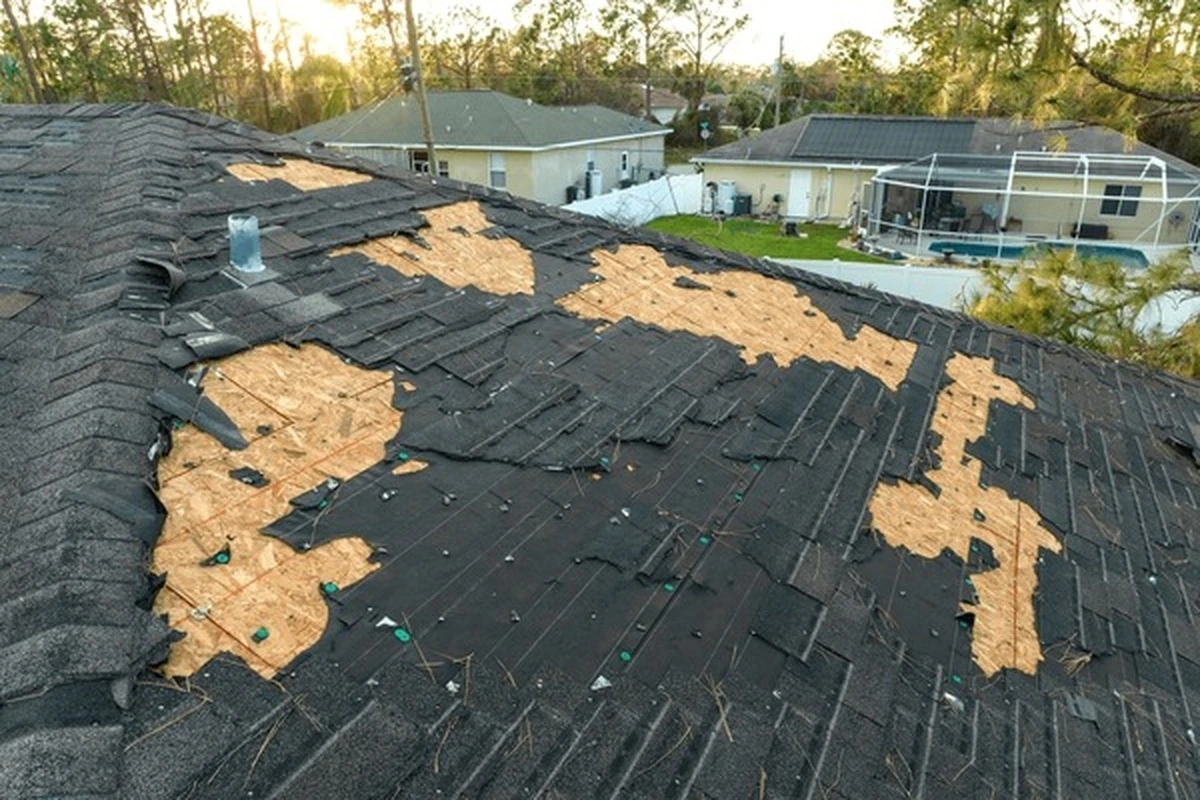
When your roof needs fixing immediately after a storm, leak, or wind damage, quick action prevents minor problems from escalating into expensive structural damage, mold growth, and interior destruction. Emergency roof repair costs range from $300 to $1,500 for most residential issues, with temporary tarping running $200-$500 and minor shingle replacement costing $300-$800. However, knowing when your roof needs fixing through repair versus complete replacement saves money and protects your home long-term.
Understanding the warning signs that your roof needs fixing urgently including active leaks, missing shingles, sagging sections, or water stains on ceilings helps homeowners respond appropriately before weather causes additional damage. This comprehensive 2025 guide explains emergency steps when your roof needs fixing now, temporary versus permanent repair options, typical costs for emergency services, and the critical decision point between patching damaged areas or changing new roofing entirely.
Whether you’ve discovered water dripping through your ceiling during a rainstorm, noticed shingles scattered across your yard after high winds, or spotted concerning signs during a routine inspection, this guide provides actionable steps for addressing situations where your roof needs fixing immediately.
Table of Contents
Warning Signs Your Roof Needs Fixing Now
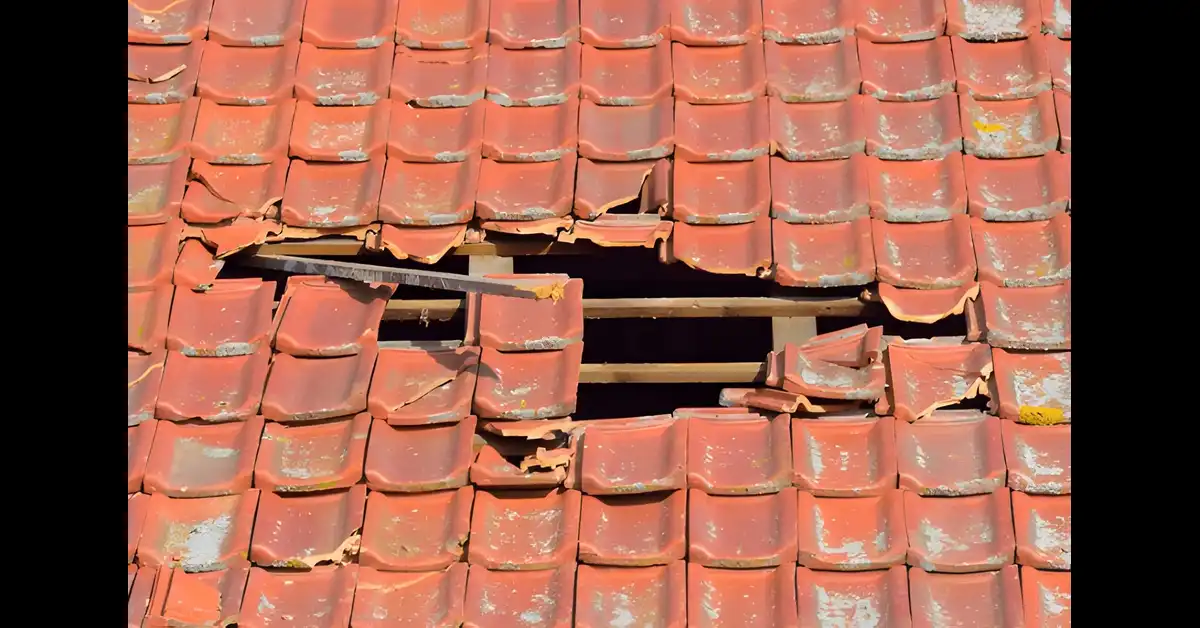
Recognizing critical signs that your roof needs fixing immediately helps homeowners act quickly before minor damage becomes catastrophic. These warning signals indicate urgent repair needs that shouldn’t wait for scheduled maintenance.
Active Water Leaks During Rain
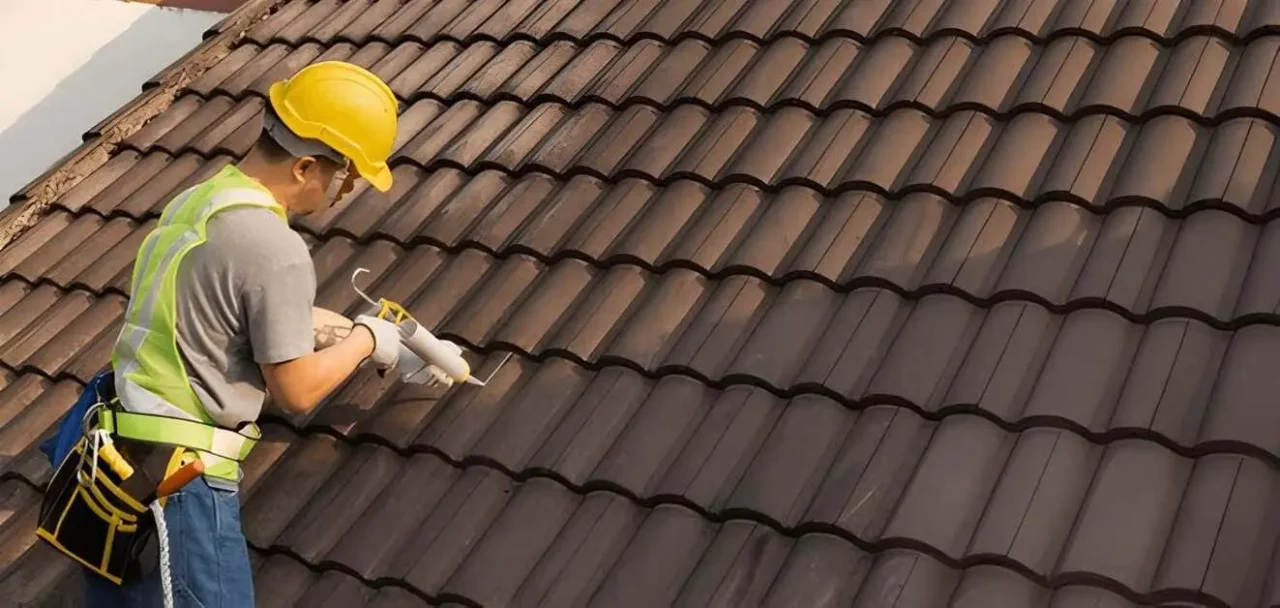
Water leaking through the ceiling during storms represents the most obvious sign your roof needs fixing urgently. Active leaks indicate the roofing system has been compromised and water is penetrating through shingles, underlayment, and decking to reach your home’s interior.
Common leak locations include:
- Around chimneys where flashing has failed
- Near skylights with damaged seals
- In valleys where two roof planes meet
- Along eaves where ice dams form in winter
- At vent pipes and roof penetrations
Even small leaks that only appear during heavy rain demand immediate attention because water damage spreads rapidly through insulation, ceiling materials, and wall cavities.
Missing or Damaged Shingles

Visible gaps where tiles have dislodged or broken expose underlying roof components to weather and create immediate vulnerability. After windstorms, homeowners often find shingles scattered in yards or gutters—clear evidence their roof needs fixing before the next rain.
Signs of shingle damage requiring urgent repair:
- Bare spots on roof where shingles have blown off completely
- Sections of underlay, insulation, or battens exposed to elements
- Curling or lifting shingle edges that catch wind
- Cracked or broken shingles showing wear
- Granule loss leaving bald spots on asphalt shingles
Missing shingles can definitely lead to leaks and water damage because these unprotected areas expose the underlayment and allow water to seep inside.
Sagging Roof Sections
Sagging is one of the biggest roof damage warning signs that your roof needs fixing immediately, often indicating structural failure requiring emergency attention. Sagging appears as visible dips, curves, or depressions in the roofline when viewed from ground level or inside the attic.
Causes of roof sagging include:
- Weakened supports from prolonged water exposure
- Trapped moisture rotting roof decking and trusses
- Excessive weight from accumulated snow or debris
- Age-related deterioration of structural components
- Improper original construction or undersized framing
Once the roof starts sagging, major issues need immediate professional repair to prevent potential collapse.
Water Stains on Ceilings or Walls

Brown stains, discoloration, or water marks on interior ceilings or upper walls indicate your roof needs fixing even if you haven’t observed active dripping. These stains show that water has penetrated the roof system and traveled through structural components to reach visible surfaces.
Water stain patterns help diagnose problems:
- Circular stains often indicate vent or penetration leaks
- Linear stains suggest valley or flashing failures
- Widespread staining indicates multiple leak sources
- Stains appearing only after specific weather (wind-driven rain, ice dams) point to directional vulnerabilities
Don’t ignore water stains even if the roof currently appears dry—the damage is already occurring and will worsen with each storm.
Damaged or Missing Flashing
Detached or curling flashing around chimneys, vents, or valleys creates entry points for water infiltration, signaling your roof needs fixing to restore waterproof seals. Flashing failures are common causes of leaks even when shingles appear intact.
Flashing problems requiring emergency repair:
- Gaps at roof intersections or edges
- Rusted flashing with visible holes or cracks
- Loose or separated flashing pieces
- Missing sealant around penetrations
Without proper flashing, even moderate rain can find its way indoors, making emergency repair critical to keep water out.
Visible Storm Damage
After severe weather, visible dents, punctures, or cracks in roofing material indicate your roof needs fixing even if leaks haven’t appeared yet. Storm impacts from hail, falling branches, or blown debris can compromise roof integrity.
- Loose tiles or displaced sheets near impact zones
- Punctures or tears in membrane roofing
- Crushed or broken shingles from hail
- Interior leaks or drips appearing after the storm
Even if damage seems slight, an expert should assess the area promptly because hidden fractures can lead to leaks or structural compromise later.
Granules Accumulating in Gutters
Excessive shingle granules collecting in gutters indicate advanced shingle deterioration—a clear sign your roof needs fixing or replacement soon. Granules protect asphalt shingles from UV damage, and their loss accelerates roof aging.
Normal new roofs shed some granules initially, but heavy accumulation or bald spots on shingles indicate the roof is nearing the end of its service life.
Exposed Roof Deck or Underlayment

Sections of underlay, insulation, or battens exposed to the elements represent emergency situations where your roof needs fixing immediately. Exposed underlayment cannot withstand weather long-term and will quickly degrade, allowing water penetration.
Even small areas of exposure can lead to significant internal water damage in a single downpour, making quick action essential to cover or repair these spots.
Immediate Emergency Steps
When you discover your roof needs fixing urgently during or immediately after a storm, taking proper emergency steps minimizes damage while you arrange professional repairs.
Ensure Safety First
Before attempting any assessment or temporary fixes when your roof needs fixing, prioritize personal safety:
- Never go on the roof during storms, high winds, or when wet from rain or ice
- Avoid walking on damaged roofs that may have structural weakness or soft spots
- Stay clear of power lines that may have contacted your roof
- Use proper ladder safety if accessing roof edges for inspection
- Wear appropriate footwear with good traction if roof access is necessary
If you feel uncomfortable on a ladder or the damage appears severe, wait for professional help rather than risking injury.
Locate the Water Source
Finding the leak source is the critical first step when your roof needs fixing for water infiltration. From inside your attic (if accessible), trace water stains on the underside of the roof deck back toward the highest point—water often travels along rafters or sheathing before dripping through ceilings.
Common leak entry points to check:
- Chimneys and their flashing
- Plumbing vent pipes
- Roof valleys where planes intersect
- Damaged or missing shingles visible from attic
- Skylight frames and seals
Identifying the approximate exterior location of the leak helps roofers target repairs efficiently.
Contain Interior Water Damage
While determining if your roof needs fixing with temporary or permanent solutions, protect your home’s interior:
Move furniture and valuables away from active leak areas to prevent water damage to belongings.
Place buckets or containers under drips to catch water and prevent floor/ceiling saturation.
Use towels or tarps to protect flooring from splashing or overflow.
Consider drilling small drainage holes in bulging ceiling sections (if you’re comfortable) to relieve pooled water and prevent ceiling collapse—though this should generally be left to professionals.
Document All Damage
Thorough documentation supports insurance claims when your roof needs fixing after storm damage:
- Photograph all visible damage from multiple angles, both exterior roof damage and interior water stains
- Video walkthrough showing the extent of problems
- Note the date and time damage was discovered
- Document weather conditions that caused the damage
- Save receipts for any emergency tarping or temporary repairs
- List damaged personal property affected by leaks
Insurance companies require documentation to process claims for emergency roof repairs.
Call a Professional Roofer

Contact a roofing contractor immediately when your roof needs fixing urgently, especially if active leaks are present or storm damage is extensive. Emergency roof repair services prioritize urgent calls and can often respond within hours for temporary stabilization.
When calling emergency roofers:
- Explain the nature and severity of damage
- Indicate if water is actively leaking
- Ask about response time for emergency calls
- Confirm licensing, insurance, and emergency service fees
- Request temporary tarping if repair cannot occur immediately
Emergency services usually cost more than scheduled repairs because of manpower requirements and quick mobilization, but immediate response prevents additional damage.
Install Temporary Protection
If you feel comfortable on a ladder and weather permits, laying a tarp over the damaged area helps mitigate damage until professional repairs can be completed. Temporary tarping typically costs $200-$500 when done by professionals, or you can attempt it yourself if safe.
Basic temporary protection steps:
- Use heavy-duty waterproof tarps, not lightweight plastic sheeting
- Extend tarp at least 4 feet beyond damaged area in all directions
- Secure tarp with 2×4 boards rather than nails that create additional holes
- Weight boards with sandbags or tie-downs
- Ensure water will drain off tarp, not pool on it
Temporary repairs buy time but should be replaced with permanent fixes as soon as possible.
Temporary Emergency Roof Repairs
When your roof needs fixing immediately but permanent repairs must wait for materials, scheduling, or insurance approval, temporary solutions prevent ongoing damage. Understanding the limitations and proper application of temporary fixes helps homeowners protect their property.
Emergency Tarping

Tarping is the most common temporary fix when your roof needs fixing after storm damage, covering damaged areas to keep water out until permanent repairs occur. Professional temporary tarp installation costs $200-$500, while DIY tarping requires proper materials and technique.
Proper tarping technique:
- Select heavy-duty polyethylene tarps rated for outdoor use, not thin plastic sheeting
- Choose tarp size that extends at least 3-4 feet beyond damaged area on all sides
- Position tarp to overlap the roof ridge if damage is near the peak, allowing water to shed both directions
- Secure edges with 2×4 lumber boards rather than nailing through tarp, which creates leak points
- Use sandbags, tie-downs, or fasteners on boards to hold tarps against wind
- Inspect tarps after storms to ensure they remain secure and properly positioned
Tarp limitations:
Emergency tarps protect for days to weeks but aren’t permanent solutions—UV exposure degrades plastic, wind works edges loose, and pooling water can tear tarps. Plan for permanent repairs within 30-60 days maximum.
Plastic Sheeting for Minor Leaks
Plastic sheeting applied from inside the attic can temporarily redirect small leaks when your roof needs fixing but exterior access is unsafe due to weather. This interior approach catches or channels water until exterior repairs are possible.
Interior plastic sheeting approach:
- Locate the leak entry point on the underside of roof deck
- Drape heavy plastic sheeting over rafters near the leak
- Channel plastic to drain into buckets positioned below
- Secure plastic with staples to prevent sagging
- Monitor regularly and empty collection buckets
Interior plastic doesn’t stop water from entering the roof system—it only manages where that water goes, making it a very temporary measure.
Roofing Cement for Small Holes
Roofing cement or sealant can temporarily patch very small punctures or cracks when your roof needs fixing but minor damage doesn’t warrant full emergency service calls. This works only for pinhole leaks or small splits, not large damaged areas.
Temporary cement patch process:
- Clean and dry the damaged area as much as possible
- Apply thick coat of roofing cement over hole or crack
- Extend cement several inches beyond damage on all sides
- Press a piece of flashing or sheet metal into wet cement over larger holes
- Apply additional cement layer over metal patch
- Allow to cure per product directions
Roofing cement patches are short-term fixes lasting weeks to months before requiring replacement or proper repair.
Emergency Shingle Replacement
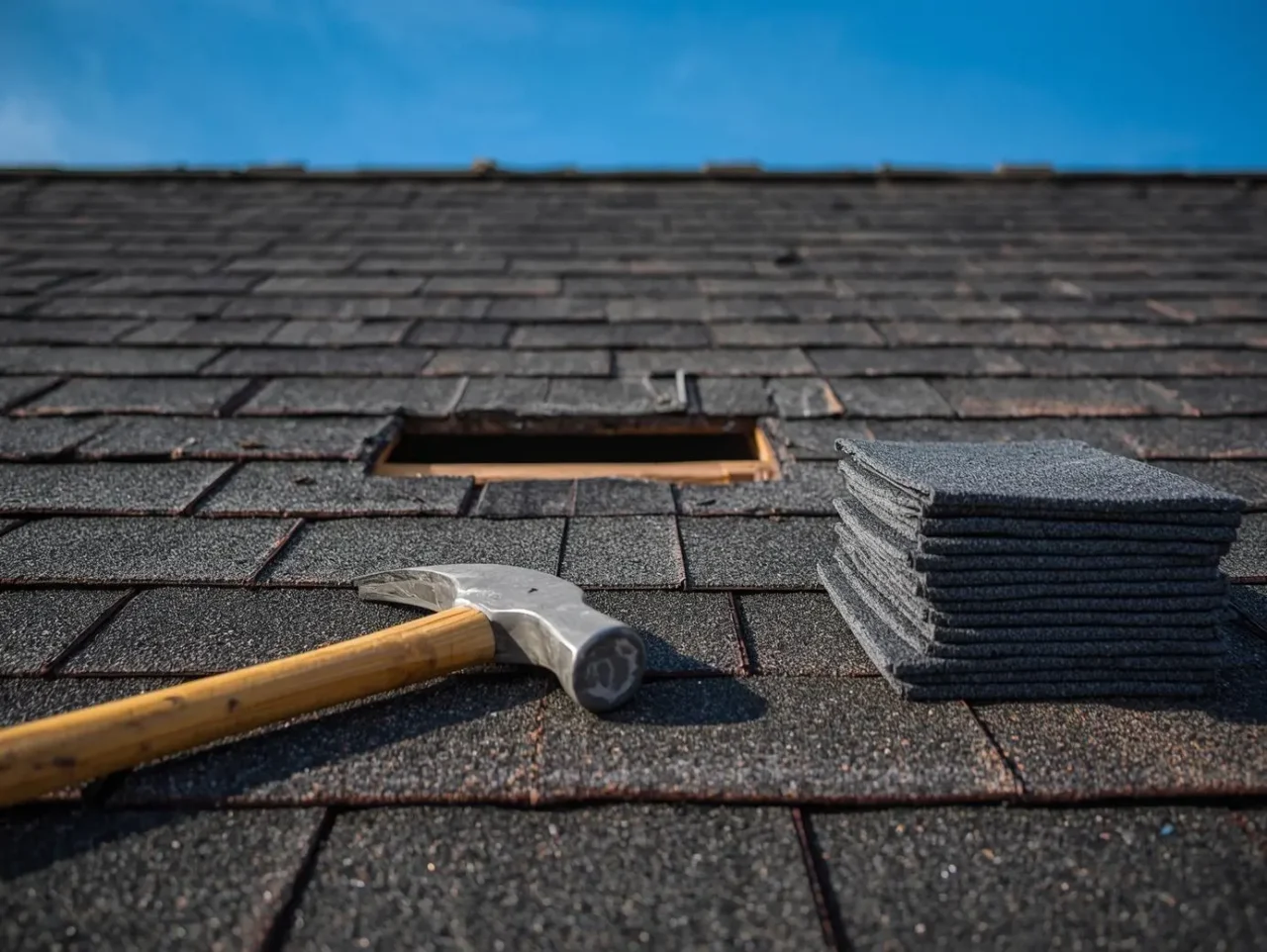
Replacing one or two missing shingles represents a more permanent temporary fix when your roof needs fixing after limited wind damage. This requires basic roofing skills and appropriate safety measures.
Emergency shingle replacement steps:
- Obtain matching or compatible replacement shingles
- Carefully remove damaged shingle remnants
- Slide new shingle into place under upper course
- Secure with roofing nails just below seal strip
- Apply dab of roofing cement under edges to seal
- Press firmly to activate adhesive strips
Minor shingle replacement costing $300-$800 professionally can prevent leaks until comprehensive roof work is scheduled.
Safety Warnings for DIY Temporary Repairs
Homeowners should exercise extreme caution when attempting temporary fixes—falls from roofs cause serious injuries and deaths annually. Consider these safety factors:
When to avoid DIY repairs:
- Roof pitch exceeds 6:12 (too steep for safe footing)
- Weather conditions include rain, wind, or temperatures near freezing
- Roof shows signs of structural damage or sagging
- Damage is extensive or requires multiple repair locations
- You lack experience with ladder safety or heights
Professional emergency services are always safer and typically complete temporary stabilization faster than homeowner attempts.
Permanent Repair Options
After temporary measures stabilize the situation when your roof needs fixing, permanent repairs restore full protection and address underlying problems. Understanding repair options helps homeowners make informed decisions.
Shingle Replacement and Repair
Replacing damaged, missing, or worn shingles is the most common permanent fix when your roof needs fixing from storm damage or age-related wear. Minor shingle replacement costs $300-$800 for small areas, while more extensive work increases proportionally.
Professional shingle repair process:
- Remove all damaged shingles in affected area
- Inspect underlying felt or synthetic underlayment for damage
- Replace compromised underlayment sections
- Install new shingles matching existing roof in color and style
- Properly nail shingles per manufacturer specifications
- Seal edges and tabs with roofing cement where needed
Roof repair is typically the best route when damage is minor or localized, such as a few shingles blown off after a windstorm, especially if your roof is under 10 years old with life remaining.
Flashing Repair and Replacement
Repairing or replacing damaged flashing permanently fixes leaks when your roof needs fixing around chimneys, vents, valleys, or roof edges. Flashing and leak repair typically costs $400-$1,000 depending on location and extent.
Flashing repair work includes:
- Removing old, damaged, or corroded flashing
- Installing new step flashing, counter flashing, or valley flashing
- Properly integrating flashing with surrounding shingles
- Sealing all joints with appropriate caulk or sealant
- Ensuring proper overlap and water-shedding geometry
Without proper flashing installation, even new shingles cannot prevent leaks at critical junctions.
Roof Deck and Structural Repairs
Replacing damaged decking or repairing structural components becomes necessary when your roof needs fixing after prolonged leaks have caused wood rot. Structural work or framing repair costs $1,200-$3,000+ depending on extent.
Structural repairs involve:
- Removing shingles and underlayment over damaged sections
- Cutting out rotted or damaged plywood/OSB decking
- Installing new decking panels properly fastened to rafters
- Repairing or sistering damaged rafters if needed
- Reinstalling underlayment and shingles over repaired areas
Structural damage discovered during repairs indicates prolonged moisture exposure that may have affected multiple areas.
Partial Roof Section Replacement
Replacing an entire roof section makes sense when your roof needs fixing in one area but damage is too extensive for spot repairs. This approach costs less than full replacement while addressing concentrated problems.
Situations warranting section replacement:
- Damage concentrated on one side from directional storms
- Valley failure affecting substantial area
- Aging limited to one section while rest of roof is newer
- Different sections installed at different times with varying condition
Section replacement costs fall between spot repairs ($300-$800) and full replacement ($5,000-$15,000+), typically running $1,500-$4,000 for standard residential sections.
Underlayment Upgrades During Repairs
Installing improved underlayment when your roof needs fixing provides enhanced protection beyond just replacing shingles. Upgrading from felt to synthetic underlayment or adding ice-and-water shield in vulnerable areas prevents future problems.
Underlayment improvements include:
- Synthetic underlayment instead of traditional felt for better durability
- Self-adhering ice-and-water shield at eaves in cold climates
- Full coverage of valleys with premium membrane
- Enhanced protection around all penetrations
These upgrades add moderate cost ($150-$500 for typical repairs) but significantly improve long-term performance.
Preventive Repairs During Fixes
Addressing nearby problem areas while fixing primary damage prevents future emergencies when your roof needs fixing for other issues. Roofers already on site can efficiently handle additional small repairs at reduced cost.
Preventive work to consider:
- Replacing worn shingles near damaged areas
- Re-sealing all flashing, not just damaged sections
- Adding roof vents if ventilation is inadequate
- Installing gutter guards to prevent ice dams
- Trimming overhanging tree branches that pose damage risk
Comprehensive repairs cost more initially but reduce likelihood of repeat emergency service calls.
Roof Repair vs Replacement Decision
Determining whether your roof needs fixing through repair or complete replacement represents one of the most important financial decisions homeowners face. Multiple factors influence this choice beyond just current repair costs.
When Roof Repair Makes Sense
Roof repair is the smart, cost-effective choice when certain conditions are met, allowing you to extend your existing roof’s life without the expense of full replacement.
Repair is the better option when:
Damage is isolated: Such as a few shingles blown off after a windstorm or leak limited to one small area
Your roof is under 10 years old: A newer roof still has significant life remaining and justifies repair investment
No structural damage is present: If the decking is solid, rafters are sound, and leaks are rare
Cost of repairs is under 30% of replacement cost: General rule suggests repair when fix costs less than one-third of full replacement
Insurance will cover repair costs: When storm damage qualifies for insurance coverage, repair may be fully or partially covered
Minor repairs costing $300-$1,500 make financial sense compared to replacement costs of $5,000-$15,000+ for average homes.
When Roof Replacement Is Better
Full roof replacement may be the best investment despite higher upfront cost when continuing to patch becomes more expensive and risky than starting fresh.
Replacement makes sense when:
Your roof is 15-20+ years old: Asphalt shingle roofs approaching or exceeding typical 20-30 year lifespan should be replaced rather than repeatedly repaired
You’ve had multiple roof repairs over the years: Recurring problems indicate systemic failure rather than isolated damage
Leaks are recurring in several places: Multiple leak locations suggest widespread deterioration
Shingles are heavily worn or bald: Extensive granule loss indicates the roof is at end of life
There are visible signs of sagging or rot: Structural issues require comprehensive replacement
You plan to sell the home soon: New roof significantly increases property value and marketability
While repairs might seem economical short-term, older roofs with widespread problems often cost more over 3-5 years in repeated fixes than a single replacement investment.
Quick Comparison: Repair vs Replacement
Understanding trade-offs helps decide if your roof needs fixing through repair or changing new roofing:
Age-Based Decision Guidelines
Roof age provides the clearest guidance when your roof needs fixing:
Under 10 years: Almost always repair unless damage is catastrophic
10-15 years: Repair for isolated issues; consider replacement if problems are widespread
15-20 years: Evaluate carefully—repair costs may not be worthwhile if replacement is needed within 3-5 years anyway
Over 20 years: Strongly favor replacement in most cases, as roof is near or beyond typical lifespan
Cost Threshold Analysis
Calculate the repair-to-replacement cost ratio to make informed decisions when your roof needs fixing:
If repair cost is under 25% of replacement cost: Repair is almost always the right choice
If repair cost is 25-50% of replacement cost: Consider roof age and condition—lean toward repair for roofs under 15 years, replacement for older roofs
If repair cost exceeds 50% of replacement cost: Replacement usually makes better financial sense
For example, if repair estimates are $4,000 and replacement quotes are $8,000, the 50% ratio combined with roof age over 18 years strongly suggests replacement.
Insurance Influence on Decision
Insurance coverage significantly impacts the repair versus replacement decision when your roof needs fixing after storms:
If insurance will pay for repairs minus deductible, and roof is relatively young (under 15 years), repair makes sense.
If damage is extensive enough that insurance will cover partial or full replacement, upgrade to new roof rather than simply repairing to old condition.
If multiple claims have been filed over recent years, insurers may require replacement or non-renewal.
Work with your insurance adjuster to understand coverage before committing to repair when replacement might be partially covered.
Getting Professional Assessment
Professional inspection provides objective evaluation of whether your roof needs fixing through repair or changing new roofing. Reputable contractors assess condition honestly rather than automatically recommending the most expensive option.
Obtain multiple opinions from licensed, insured roofing contractors, explaining your situation and requesting candid recommendations about the most cost-effective approach given your roof’s age and condition.
Emergency Roof Repair Costs
Understanding typical costs when your roof needs fixing urgently helps homeowners budget appropriately and recognize fair pricing versus price gouging. Emergency repairs command premium rates due to immediate response requirements and often after-hours service.
National Average Emergency Repair Costs
Emergency roof leak repair costs up to twice as much as regular roof repair and may include an additional fee of $100 to $300 on top of standard repair costs. The average cost of roof repair ranges between $380 and $1,770, with emergency repairs commanding premium pricing due to urgency and after-hours service needs.
Most homeowners spend an average of $1,158 for roof repair, but depending on type and extent of damage, costs may range from $150 to $8,000. Simple emergency repairs like patching can take 20-30 minutes, while more substantial repairs requiring professional assessment and permanent fixes may take hours to days to complete.
Cost by Repair Type
When your roof needs fixing urgently, costs vary significantly based on the specific work required:
Severity of damage significantly impacts cost: Minor issues like replacing a few shingles may cost between $150 and $500, while major repairs can exceed $1,000.
Regional Cost Variations
Emergency repair costs when your roof needs fixing vary by location:
Dallas, Texas: Emergency roof repair generally falls between $300 and $1,500, though price can be higher depending on complexity, labor, materials, and response time.
National averages: Most regions see similar ranges of $300-$1,500 for standard emergency repairs, with high-cost metropolitan areas pushing 20-40% above these figures.
Labor rates significantly influence total costs, with hiring a roofer typically costing $45 to $75 per hour, and emergency repairs adding $100 to $300+ in urgency fees.
Emergency vs Scheduled Repair Costs
Understanding cost differences between emergency and routine service helps explain premium pricing when your roof needs fixing immediately:
| Service Type | Usual Cost | Timing |
|---|---|---|
| Regular roof inspection | $100-$300 (or free with service) | Scheduled |
| Regular roof repair services | $250-$750 | Within days |
| Emergency repair | $300-$1,500+ | Same-day/Immediate |
Emergency services cost more than scheduled repairs because of manpower requirements, quick mobilization, after-hours rates, and priority scheduling.
Factors Affecting Emergency Repair Costs
Several variables influence the total expense when your roof needs fixing urgently:
Type of roofing material: Asphalt shingles are more affordable to repair than slate, tile, or metal roofing
Extent of repairs needed: Temporary fixes such as tarping are less expensive than permanent repairs
Labor costs: Emergency repairs often require overtime or after-hours rates, which increase costs
Roof type complexity: Gable roofs average $300-$1,200 for repairs, while complex roofs like butterfly or mansard cost $1,200-$6,000+
Accessibility: Difficult roof access, steep pitch, or multi-story buildings increase labor time and safety equipment needs
Time of day/week: After-hours, weekend, or holiday service commands highest emergency premiums
Insurance Coverage for Emergency Repairs
Insurance often covers emergency roof repairs when your roof needs fixing due to covered perils like storms, hail, wind, or falling trees. Understanding coverage helps manage out-of-pocket costs:
What’s typically covered:
- Storm damage repairs (wind, hail, tornado)
- Emergency tarping to prevent further damage
- Temporary repairs pending permanent fixes
- Full repair or replacement if damage is extensive
What’s typically not covered:
- Wear and tear from age or neglect
- Maintenance-related failures
- Damage from lack of upkeep
- Pre-existing conditions
Homeowners typically pay their deductible ($500-$2,500 common range) and insurance covers remaining approved costs. Document all damage thoroughly with photos and save all receipts for emergency services to support insurance claims.
Hidden Costs to Consider
When your roof needs fixing urgently, additional expenses beyond basic repair may arise:
Interior damage repair: Water damage to ceilings, walls, insulation, or belongings
Mold remediation: If leaks persisted long enough to cause mold growth
Structural assessment: Engineering inspection if sagging or major damage is present
Permit fees: Some jurisdictions require permits even for emergency repairs
Temporary housing: Severe damage may necessitate temporary relocation during repairs
Budget 10-20% above initial repair estimates to cover unexpected issues commonly discovered once work begins.
How to Choose an Emergency Roofer
Selecting a qualified contractor when your roof needs fixing urgently prevents scams, ensures quality work, and protects your investment. Storm damage brings out both reputable professionals and fly-by-night operators.
Verify Licensing and Insurance
All legitimate roofers carry proper licensing and insurance, which protect homeowners when your roof needs fixing:
Required credentials:
- State contractor license (verify current status)
- General liability insurance ($1 million minimum recommended)
- Workers’ compensation coverage (prevents homeowner liability for injuries)
- Business license and tax registration
Request certificates of insurance and verify coverage directly with insurers before allowing work to begin—fraudulent certificates are common in emergency situations.
Check Reviews and References
Research reputation quickly even in emergency situations when your roof needs fixing:
- Better Business Bureau ratings and complaint history
- Google reviews from multiple recent customers
- Local social media groups and neighborhood forums
- References from recent similar emergency repairs in your area
Quality emergency contractors have established reputations—be extremely cautious of door-to-door solicitors appearing immediately after storms with no verifiable local presence.
Get Written Estimates
Obtain written estimates detailing work scope and costs before committing when your roof needs fixing, even in emergency situations:
Estimates should specify:
- Exact work to be performed (temporary vs permanent)
- Materials to be used (brands, quantities, specifications)
- Labor costs and timeline
- Emergency service fees clearly itemized
- Payment terms and schedule
- Warranty coverage on work performed
Compare estimates from 2-3 contractors if time permits, though immediate stabilization (tarping) may need to proceed before full repair quotes are obtained.
Red Flags to Avoid
Watch for warning signs of unreliable contractors when your roof needs fixing urgently:
Danger signals:
- Requesting full payment upfront (legitimate contractors take deposits of 10-25%)
- Offering to waive insurance deductibles (insurance fraud)
- Pressure tactics demanding immediate decision
- No local address, only cell phone contact
- Arriving unsolicited door-to-door after storms
- Unusually low bids compared to competitors
- No written contract or vague work descriptions
- Unwillingness to provide proof of licensing/insurance
Emergency situations create urgency, but rushing into contracts with questionable contractors creates worse problems than the original roof damage.
Questions to Ask Emergency Roofers
Ask critical questions before hiring when your roof needs fixing:
- How quickly can you respond to emergency situations?
- What is your emergency service fee?
- Can you provide temporary stabilization today and schedule permanent repair?
- Do you handle insurance claims and documentation?
- What warranty do you provide on emergency repairs?
- Will you provide written estimate before starting work?
- Who will supervise the work on-site?
- How long will temporary repairs last?
- When can permanent repairs be completed?
Contractors who answer clearly and provide documentation inspire more confidence than those who evade specifics or pressure immediate decisions.
Frequently Asked Questions
What should I do immediately when I discover my roof needs fixing?
When you discover your roof needs fixing from active leaks or visible damage, take these immediate steps: First, ensure personal safety by avoiding damaged roof areas and staying clear of electrical hazards from water. Locate the water source by tracing leaks back to their entry point from inside the attic if accessible. Contain interior water damage by placing buckets under leaks, moving furniture, and protecting flooring. Document all damage with photographs and video for insurance claims. If you feel comfortable on a ladder, lay a tarp over the damaged area to mitigate additional damage. Finally, call a professional roofing contractor immediately for emergency repairs, especially if water is actively leaking.
How much does emergency roof repair cost?
Emergency roof leak repair costs up to twice as much as regular roof repair and may include an additional fee of $100 to $300 on top of standard repair costs. When your roof needs fixing urgently, expect costs between $300 and $1,500 for most residential emergency repairs. Specific costs vary by repair type: temporary tarp installation runs $200-$500, minor shingle replacement costs $300-$800, flashing and leak repair averages $400-$1,000, and structural work or framing ranges from $1,200-$3,000+. The average cost of roof repair overall is between $380 and $1,770, but emergency situations command premium pricing due to immediate response requirements and often after-hours service.
Should I repair or replace my roof?
Deciding if your roof needs fixing through repair or complete replacement depends on several factors: Choose repair when damage is isolated (like a few blown-off shingles), your roof is under 10 years old with life remaining, no structural damage is present, and repair costs are under 30% of replacement cost. Choose replacement when your roof is 15-20+ years old, you’ve had multiple repairs over recent years, leaks are recurring in several places, shingles are heavily worn or bald, or there are visible signs of sagging or rot. Generally, if repair cost exceeds 50% of replacement cost and your roof is over 15 years old, replacement makes better financial sense long-term.
How long can I rely on a temporary tarp?
Temporary tarps provide short-term protection when your roof needs fixing but permanent repairs must wait, lasting days to weeks under normal conditions. Emergency tarps protect against immediate weather but aren’t permanent solutions—UV exposure degrades plastic, wind works edges loose, and pooling water can tear tarps over time. Plan for permanent repairs within 30-60 days maximum after tarp installation. Inspect tarps regularly after storms to ensure they remain secure and properly positioned, and be prepared to re-secure or replace tarps that shift or tear. Professional temporary tarp installation costs $200-$500 and provides more secure coverage than most DIY attempts.
Is emergency roof repair covered by insurance?
Insurance often covers emergency roof repairs when your roof needs fixing due to covered perils like storms, hail, wind, or falling trees. Covered situations typically include storm damage repairs (wind, hail, tornado), emergency tarping to prevent further damage, temporary repairs pending permanent fixes, and full repair or replacement if damage is extensive. However, insurance typically doesn’t cover wear and tear from age or neglect, maintenance-related failures, damage from lack of upkeep, or pre-existing conditions. Homeowners pay their deductible (commonly $500-$2,500) and insurance covers remaining approved costs. Document all damage thoroughly with photos and save receipts for emergency services to support insurance claims.
Can I do temporary roof repairs myself?
While possible, DIY temporary repairs when your roof needs fixing require extreme caution due to serious fall risks. Homeowners should avoid DIY repairs when roof pitch exceeds 6:12 (too steep for safe footing), weather conditions include rain, wind, or freezing temperatures, roof shows structural damage or sagging, damage is extensive, or they lack ladder safety experience. If you feel comfortable on a ladder and conditions are safe, you can lay tarps over damaged areas to mitigate damage temporarily. However, professional emergency services are always safer and typically complete temporary stabilization faster than homeowner attempts. Simple emergency repairs like tarping can take professionals 20-30 minutes versus hours for inexperienced homeowners, and professional installation ($200-$500) provides more secure coverage.
What are the warning signs my roof needs immediate repair?
Critical signs that your roof needs fixing immediately include: Active water leaking through the ceiling during storms, which indicates compromised roofing allowing water penetration. Missing or damaged shingles leaving bare spots or exposed underlayment vulnerable to weather. Sagging roof sections showing dips or curves indicating structural failure from weakened supports or trapped moisture. Water stains on ceilings or walls even without active dripping, indicating water has penetrated the roof system. Damaged or missing flashing around chimneys, vents, or valleys creating entry points for water. Visible storm damage including dents, punctures, cracks, or displaced materials from hail or impacts. Any of these signs demand immediate professional evaluation.
How do I find a reliable emergency roofer?
Finding trustworthy contractors when your roof needs fixing urgently requires quick verification: Verify licensing and insurance by requesting current certificates and confirming coverage with insurers directly. Check online reviews on Better Business Bureau, Google, and local social media groups for established reputation. Get written estimates detailing work scope, materials, costs, and timelines even in emergencies. Avoid red flags including requests for full payment upfront, offers to waive insurance deductibles (fraud), pressure tactics, lack of local presence, or door-to-door solicitation immediately after storms. Ask critical questions about response time, emergency fees, insurance claim handling, warranties, and permanent repair scheduling. Legitimate emergency roofers have established local reputations, proper credentials, and provide clear documentation.
When your roof needs fixing after storm damage, leaks, or visible deterioration, quick response prevents minor problems from escalating into major structural damage and costly interior destruction. Emergency roof repair costs between $300 and $1,500 for most residential situations, with temporary tarping running $200-$500 and permanent repairs varying based on damage extent. Understanding critical warning signs—including active leaks, missing shingles, sagging sections, and water stains—enables homeowners to act promptly before additional weather causes compounding damage.
The decision between repairing damage or changing new roofing depends primarily on roof age and damage extent: roofs under 10 years old with isolated damage typically warrant repair, while roofs 15-20+ years old with widespread problems or recurring leaks make better candidates for full replacement. By following proper emergency steps when your roof needs fixing, obtaining multiple estimates from licensed and insured contractors, and making informed repair versus replacement decisions based on age and condition, homeowners protect their investment while managing costs effectively.
🏠 Roofing Tips & Updates
Get free roofing advice, cost guides, and seasonal maintenance tips.
Roofing content specialist with 5+ years researching U.S. residential and commercial roofing. Has documented 200+ projects covering installation costs, material selection, contractor vetting, and DIY guides for homeowners across all climate zones.
Leave A Comment