Preloader Close
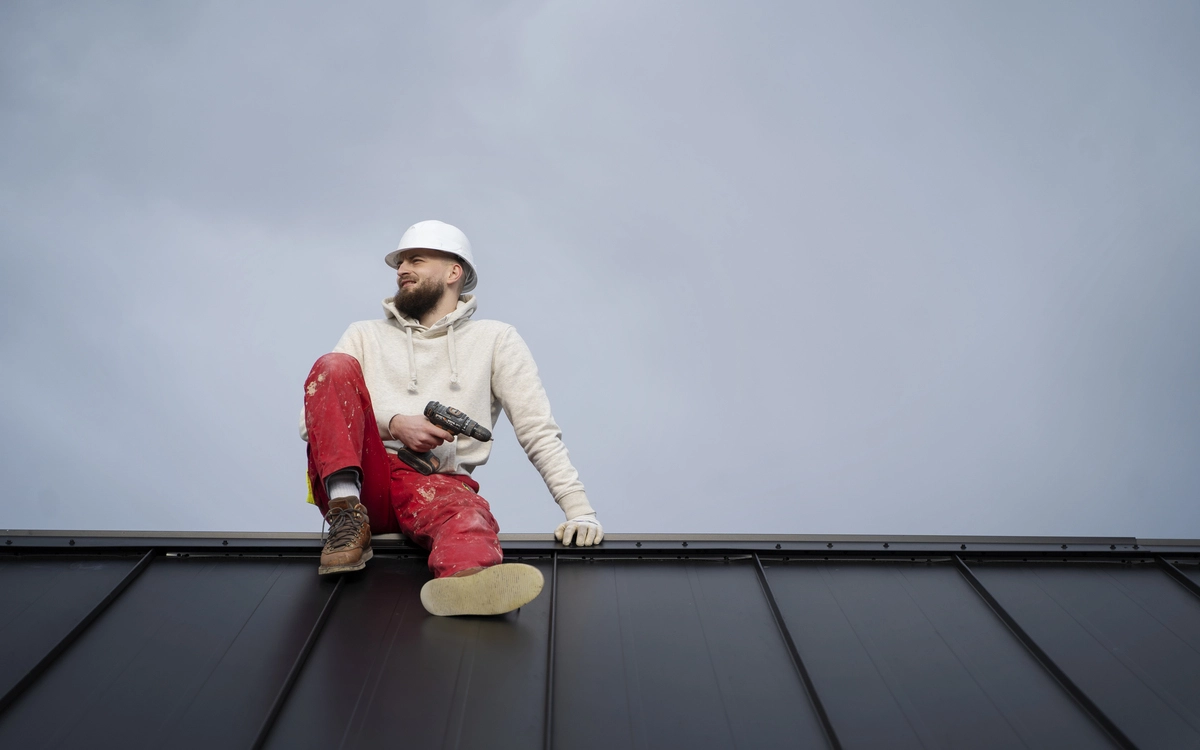
Most residential roof repairs are straightforward fixes ,but some damaged roofs are sending you a clear signal that patching is no longer enough. Knowing which situation you are in can mean the difference between a $400 repair call and a $15,000 replacement project you delayed two years too long, turning a manageable cost into structural damage that doubles the final bill.
The question every homeowner eventually faces ,repair or replace? ,does not have a universal answer. It depends on your roof’s age, material, damage extent, repair history, and a simple financial calculation that most roofing contractors can walk you through in under fifteen minutes. This guide gives you the knowledge to have that conversation from a position of understanding, not anxiety.
💡 Pro Tip: Use the 50% Rule as your first filter: if the estimated cost of your roof repair exceeds 50% of the cost of a full replacement, replacement is almost always the smarter financial decision. A repair that costs $4,500 on a roof where full replacement runs $9,000 delivers no long-term value ,you are spending half the replacement cost for a fraction of the remaining lifespan.
Residential Roof Repairs in 2026: By the Numbers
Before you call a contractor, understanding the financial landscape of residential roof repairs and replacements helps you evaluate every quote you receive. These are the real 2026 numbers for U.S. homeowners.
- $300–$600 ,average cost of minor residential roof repairs (pipe boots, nail pops, isolated shingle replacement)
- $800–$1,500 ,average cost of major roof repair (storm damage sections, valley leaks, flashing replacement)
- $1,500–$3,500 ,average cost of extensive residential roof repairs (multiple damage zones, partial re-roofing)
- $7,500–$18,000 ,average full asphalt shingle roof replacement for a 2,000 sf home in 2026
- $9,500 ,national average roof replacement cost (Angi, 2026)
- 20–25 years ,average lifespan of standard asphalt shingles before replacement is typically required
- 40% of residential roof repairs are performed on roofs already past their expected service life ,where replacement would be the more cost-effective choice
- 1 in 3 homeowners who delay roof replacement for more than 2 years after visible deterioration report interior water damage requiring additional remediation costs
Repair vs. Replace: Understanding the Core Decision
The repair-versus-replace decision in residential roof repairs is not purely about the visible damage in front of you. It is about the remaining useful life of the entire roof system ,the shingles, the underlayment, the flashing, and the deck beneath it all.
When Residential Roof Repairs Are the Right Answer
Repair is the correct choice when damage is genuinely isolated ,a specific, bounded area where the surrounding roofing material is in sound condition with meaningful remaining service life. A roof under 10–12 years old with storm damage to a single slope, a failed pipe boot flashing, or a handful of wind-lifted shingles is a clear repair candidate. The rest of the system is intact, the underlayment is sound, and a targeted fix delivers real value.
Repair also makes sense as a temporary measure when full replacement is planned within 12–18 months but budget timing requires a short-term fix. A documented temporary repair stops active water infiltration while the homeowner plans the full replacement project ,a legitimate strategic use of residential roof repair services.
When Repair Is Just Delaying the Inevitable
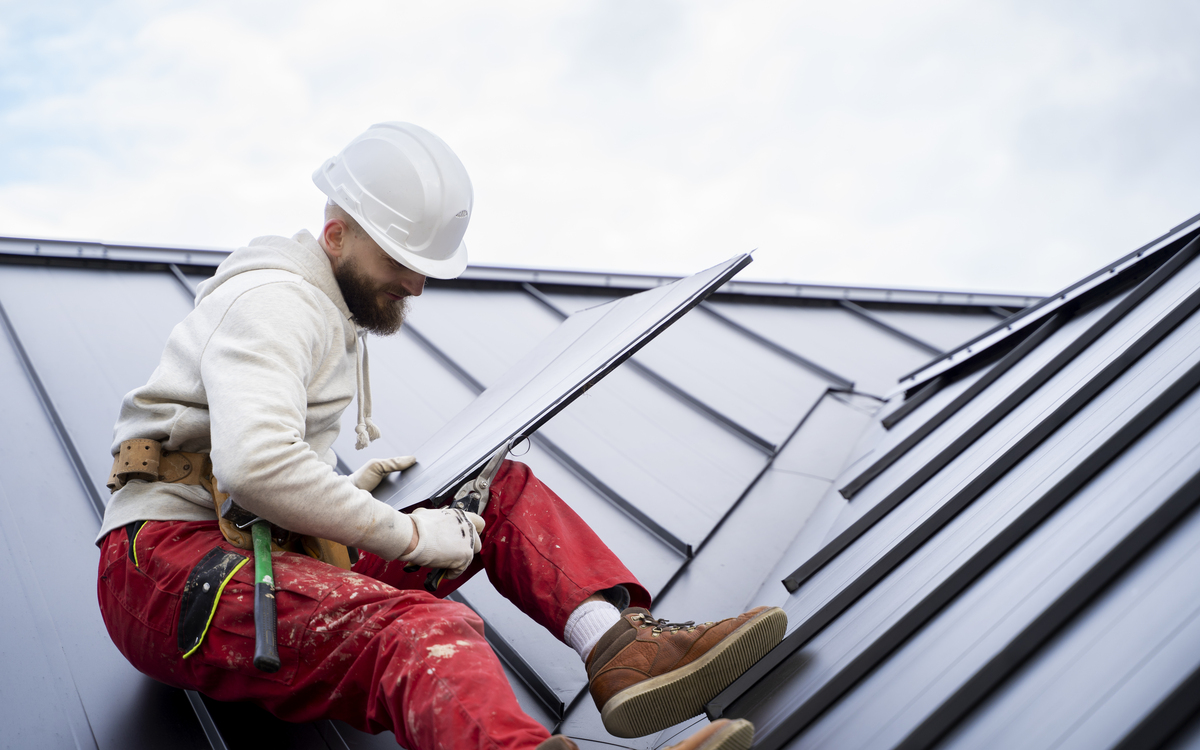
Repair becomes financially irrational when the underlying roof system is at or past its service life. Patching a 22-year-old asphalt shingle roof is like replacing the battery in a car with a failed engine ,you are investing in a system whose overall failure is imminent. The repaired section may hold, but the next failure point is already developing three feet away.
A professional residential roof inspection can quantify this ,a good inspector does not just assess the visible damage, they assess the remaining service life of the entire system. That assessment is what makes the repair-versus-replace decision defensible rather than intuitive.
Residential Roof Repair Costs vs. Replacement: 2026 Comparison
| Service Type | Estimated Cost | Lifespan Added | Best Candidate |
|---|---|---|---|
| Minor Roof Repair | $300–$600 | 1–3 years | Pipe boots, nail pops, 1–5 missing shingles |
| Major Roof Repair | $800–$1,500 | 3–5 years | Storm damage section, valley leak, flashing failure |
| Extensive Repair / Partial Re-Roof | $1,500–$3,500 | 3–7 years | Multi-zone damage, one full slope replacement |
| Full Roof Replacement (Asphalt) | $7,500–$18,000 | 25–30 years | Roof 20+ years old, widespread damage, multiple failures |
| Full Replacement (Metal) | $10,000–$28,000 | 40–70 years | Final replacement upgrade, high-wind or hail zones |
| Full Replacement (Tile) | $15,000–$30,000 | 50–100 years | Premium upgrade, historic or Mediterranean-style homes |
Source: Modernize, HomeGuide, NerdWallet, Angi 2026 roofing cost reports. Costs reflect U.S. national averages ,regional labor rates vary 15–30% above or below these figures. See our complete guide to tin roof installation costs for metal roofing detail.
The 10 Warning Signs Your Roof Needs More Than a Repair
Most of these warning signs are visible from the ground with a pair of binoculars ,no ladder required. Check for them annually, and after any significant wind or hail event.
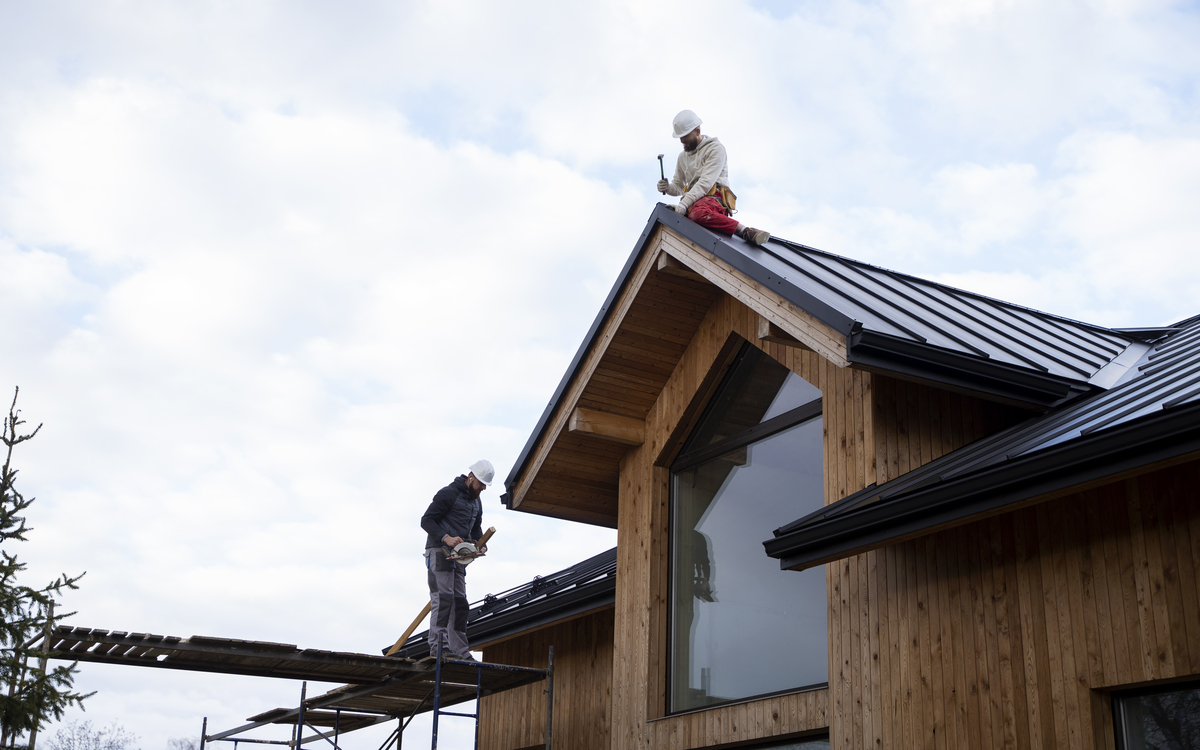
1. Your Roof Is 20–25+ Years Old
Age is the single most reliable predictor of replacement need in residential roof repairs. Standard architectural asphalt shingles have a functional lifespan of 20–30 years under normal conditions ,and at the 20-year mark, the underlying components (underlayment, flashing sealants, starter strips) are approaching simultaneous end of life regardless of how the shingles look on the surface. If your roof is over 20 years old and showing any other symptom on this list, replacement is almost certainly the correct answer.
2. Curling, Cupping, or Clawing Shingles
Curling shingles appear in two forms: cupping (shingle edges turn upward) and clawing (edges stay flat but middle buckles upward). Both indicate the shingle has lost its dimensional stability due to weathering, moisture cycling, or inadequate attic ventilation baking the shingles from below. Curling across more than 20–25% of a roof surface indicates systemic material failure ,not an isolated issue addressable by residential roof repair.
3. Significant Granule Loss Visible in Gutters
After cleaning your gutters, check the downspout discharge area ,granule accumulation looks like coarse, dark sand. Some granule shedding is normal on new roofs in the first season; heavy, consistent granule loss on an older roof means the protective mineral coating is failing. Without granules, UV radiation degrades the asphalt core rapidly. Bald patches visible on the shingles from the ground indicate the roof is at or past its functional service life.
4. Widespread Missing or Broken Shingles
One or two missing shingles after a wind event is a standard residential roof repair. Shingles missing across multiple areas, or frequent recurring losses after moderate wind events, indicates the self-sealing adhesive strips have failed across the entire roof ,a systemic issue. When the adhesive fails broadly, every remaining shingle is a wind event away from becoming a missing shingle, and residential roof repair becomes an endless game of catch-up.
5. Sagging Roof Deck or Visible Structural Deflection
A sagging roofline ,visible from the street as a bowing or dipping between rafters ,is a structural emergency, not a cosmetic issue. Sagging indicates the roof deck or supporting structure has been compromised by long-term moisture infiltration, rot, or insect damage. This condition requires immediate professional assessment. Sagging is never a residential roof repair situation ,it is a replacement scenario that may also require structural framing repairs below the roofing system.
6. Daylight Visible Through the Attic
On a bright day, go into your attic and look up. If you can see points of daylight through the roof deck, water can get through those same openings every time it rains. Also look for streaks of daylight ,these indicate failed or missing flashing. While individual flashing failures are repairable, widespread daylight penetration indicates a compromised deck that requires full replacement.
7. Interior Water Stains on Ceilings or Walls
Water stains on interior ceilings ,particularly brown ring stains or discoloration near exterior walls and chimneys ,indicate active water infiltration through the roof system. The moisture source may not be directly above the stain; water travels along roof framing members before dripping. A single, clearly localized leak (e.g., around a chimney or vent pipe) may be a repair. Multiple stain locations or diffuse ceiling discoloration suggests the underlayment has failed and water is entering at multiple points ,a replacement signal.
8. Mold, Mildew, or Moss Growth on Roof Surface
Surface algae (dark streaking) is a cosmetic issue addressable through roof pressure cleaning and biocide treatment. Moss with established root structures, however, traps moisture against the shingle surface and physically lifts shingle edges ,accelerating deterioration significantly. And mold detected in the attic insulation or on roof deck boards indicates moisture has been infiltrating the system for an extended period, likely requiring deck replacement as part of any full residential roof repair or replacement project.
9. Repeated Repairs Over the Past 3–5 Years
If you have called a residential roof repair contractor two or more times in the past three years for different issues on the same roof, the pattern itself is diagnostic. A roof that keeps failing in different locations is telling you it has reached systemic end of life. Add up what you have spent on those repeated repairs ,in many cases, homeowners discover they have paid 30–50% of replacement cost in piecemeal residential roof repairs over a two-to-three-year period.
10. Neighbors Are Replacing Their Roofs
This one surprises homeowners, but it’s a legitimate diagnostic signal. Homes in the same subdivision built in the same era typically have roofs installed within a few years of each other. When multiple neighbors begin replacing their roofs, it often signals that roofs of that age in that region are reaching end of life simultaneously. If three homes on your street have been re-roofed in the past 24 months and your home was built at the same time, a proactive inspection is strongly warranted.
Step-by-Step: How to Assess Whether You Need Residential Roof Repairs or Replacement
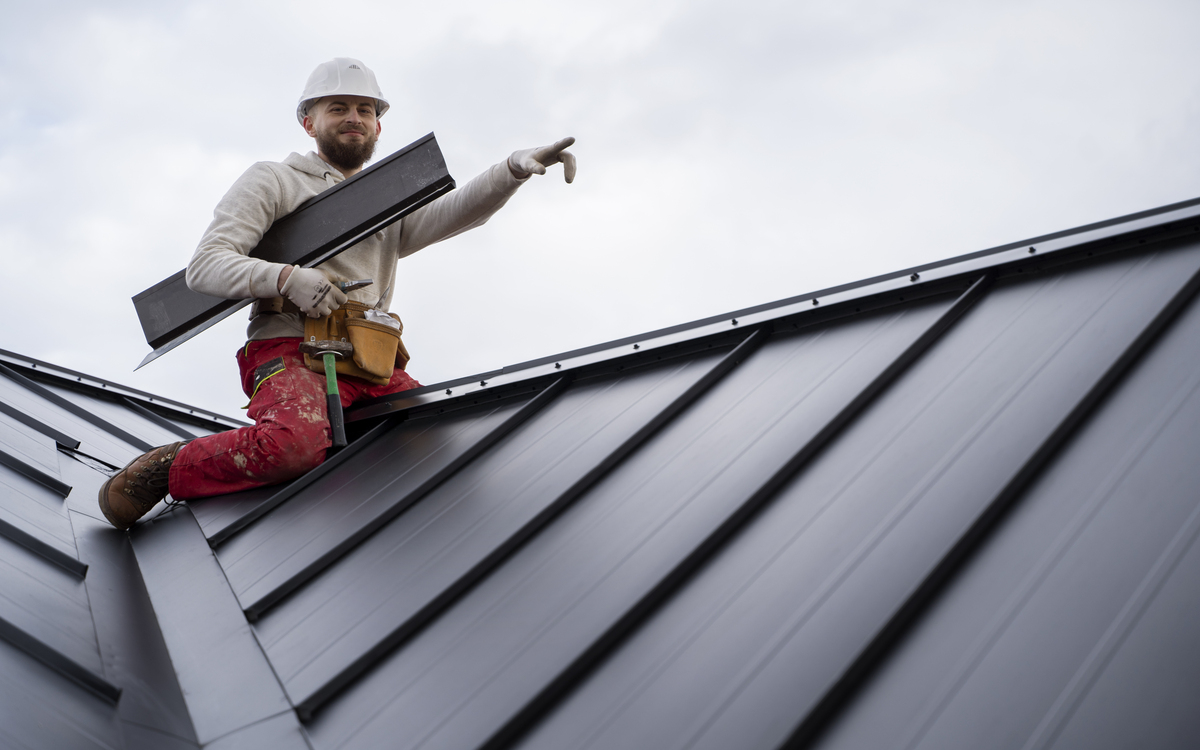
Follow this assessment sequence before calling any contractor. Arriving informed saves you time, money, and the risk of being steered toward a more expensive solution than your roof actually needs.
- Determine your roof’s age. Check your home purchase inspection report, permit records from your local building department, or contact the previous owner if purchased within the last 15 years. Age is your single most important data point ,everything else is context around it.
- Conduct a ground-level visual inspection. On a clear day, walk around your home with binoculars and systematically inspect every visible roof slope. Look for curling, missing, or discolored shingle sections; moss or algae growth; sagging ridgelines; and lifted flashing at chimneys, skylights, and vent pipes. Photograph everything you see.
- Inspect the attic on a bright day. Look for daylight penetration, water staining on the roof deck boards, wet or discolored insulation, and any visible mold on structural wood. These interior signs often reveal more than the exterior surface, particularly for slow leaks that have not yet produced visible ceiling staining.
- Check your gutters after rain. Look for granule accumulation ,the dark sand-like mineral coating that washes off deteriorating shingles. Check gutter seams for brown staining indicating water overflowing at the roofline rather than channeling through the gutter system.
- Apply the 50% Rule. Get a rough estimate of your local full replacement cost (use the table above as a baseline, adjusted for your home size). Calculate 50% of that figure. If any single repair estimate you receive exceeds that number, replacement is the financially rational choice.
- Review your repair history. Pull together receipts for any residential roof repairs over the past five years. If total repair spending over that period exceeds $2,000–$3,000, or if you have had two or more separate repair calls in three years, the pattern strongly suggests systemic failure.
- Get a professional inspection ,from an inspector, not a salesperson. A paid professional inspection ($150–$350) provides an independent assessment of remaining service life, specific damage documentation, and an honest repair-versus-replace recommendation. This is distinct from the “free inspection” offered by roofing contractors, which is a sales call ,a legitimate tool, but not a neutral assessment.
- Obtain at minimum two contractor quotes. For residential roof repairs exceeding $1,000 or any replacement project, get two independent written quotes. Verify that both quotes are describing the same scope of work before comparing prices. The lowest bid that doesn’t specify materials by brand, weight, and warranty is not comparable to a detailed quote that does.
Residential Roof Repair Decision Checklist
Use this checklist after completing your assessment. The more items you check in the “Replace” column, the clearer the decision becomes.
✅ Signs That Support Residential Roof Repair
- ✅ Roof is under 12–15 years old with no previous repair history
- ✅ Damage is clearly isolated to one area or penetration point
- ✅ Surrounding shingles are in good condition with intact granule coverage
- ✅ No interior water staining detected in attic or ceilings
- ✅ Repair cost estimate is well under 50% of full replacement cost
- ✅ Roof has had no more than one previous repair in the last five years
- ✅ Damage is from a single, discrete weather event with otherwise sound surroundings
- ✅ Attic inspection shows no evidence of deck rot, mold, or structural damage
🚩 Signs That Indicate Replacement Over Repair
- 🚩 Roof is 20+ years old (asphalt shingles); 50+ years (metal); 60+ years (tile with visible issues)
- 🚩 Curling, cupping, or clawing shingles visible across more than 20% of the surface
- 🚩 Heavy granule accumulation in gutters or visible bald patches on shingles
- 🚩 Two or more separate repairs performed in the past three years
- 🚩 Repair cost estimate exceeds 50% of full replacement cost
- 🚩 Interior water staining on ceilings in multiple locations
- 🚩 Visible sagging or structural deflection in the roofline
- 🚩 Mold or rot detected in attic deck boards or structural framing
- 🚩 Daylight visible through multiple points in attic inspection
- 🚩 Neighboring homes of similar age have recently undergone full replacement
💡 Insurance Tip: If your residential roof repair or replacement need was triggered by a storm, hail, wind, or fallen tree ,file a homeowner’s insurance claim before authorizing any repair work. Most standard homeowner’s policies cover storm-related roof damage. Have a public adjuster or your insurance company’s adjuster inspect the roof before any contractor performs repairs ,post-repair, the evidence your insurer needs to process the claim may no longer be visible.
Roof Lifespan by Material: When Does Repair Stop Making Sense?
| Roofing Material | Average Lifespan | Repair Makes Sense | Replacement Threshold |
|---|---|---|---|
| 3-Tab Asphalt Shingles | 15–20 years | Under 10 years old | 15+ years or any widespread damage |
| Architectural Asphalt Shingles | 20–30 years | Under 15 years old | 20–25+ years or systemic failure |
| Metal Roofing | 40–70 years | Under 35 years old | 50+ years or panel/coating failure |
| Clay / Concrete Tile | 50–100 years | Under 40 years old | 60+ years with underlayment failure |
| Wood Shake | 20–30 years | Under 12 years old | 20+ years or widespread rot/splitting |
| Natural Slate | 100–150 years | Under 80 years old | Widespread slate delamination or deck failure |
Source: Peak & Valley Roofing, Lapeyre Roofing 2026 guides, Sustainable Roof, roofing manufacturer warranty documentation. Lifespans assume standard installation in moderate U.S. climates ,coastal, high-UV, and freeze-thaw environments reduce effective service life by 15–25%.
Frequently Asked Questions: Residential Roof Repairs
How do I know if I need a roof repair or full replacement?
The clearest indicators for replacement over repair are: roof age over 20–25 years (for asphalt shingles), repair cost exceeding 50% of replacement cost, widespread shingle deterioration (curling, granule loss, or missing shingles across multiple areas), interior water staining in multiple ceiling locations, visible deck sagging, or two or more separate repair calls within the past three years. A professional inspection from an independent inspector ,not a contractor with a financial interest in the outcome ,is the most reliable way to get an objective answer.
How much does residential roof repair cost in 2026?
Residential roof repair costs in 2026 range from $300–$600 for minor repairs (replacing 1–5 shingles, resealing a pipe boot, fixing nail pops) to $800–$1,500 for major repairs (storm damage sections, valley flashing replacement, chimney flashing work) and $1,500–$3,500 for extensive repairs involving multiple damage zones or partial re-roofing of one slope. Full replacement ranges from $7,500–$18,000 for standard asphalt shingle roofs on a 2,000 sf home, with the national average around $9,500.
Can I repair a roof myself, or do I need a professional?
Minor residential roof repairs ,replacing a handful of damaged shingles, resealing a lifted flashing edge, or applying roofing cement around a pipe boot ,are DIY-feasible for homeowners comfortable working at height with fall protection on single-story homes with accessible roof pitch. Any repair involving structural damage, significant flashing work, valley repairs, or roofs steeper than 6:12 pitch should be performed by a licensed roofing contractor. Improper residential roof repair work that subsequently fails can void your homeowner’s insurance coverage for related damage claims.
Will my homeowner’s insurance cover roof repair or replacement?
Most standard homeowner’s insurance policies cover sudden, accidental damage from storms, hail, wind, and fallen trees ,but do not cover damage resulting from normal wear, age, or lack of maintenance. File your claim before authorizing any repair work; once repairs are made, the evidence the insurer needs to process the claim may no longer be visible. Policies vary significantly in how they calculate roof damage payments ,Replacement Cost Value (RCV) policies pay the full cost to replace, while Actual Cash Value (ACV) policies deduct depreciation based on roof age. Know which type of policy you hold before filing.
How long does a residential roof repair typically last?
The lifespan of a residential roof repair depends entirely on the condition of the surrounding roof system. A quality minor repair (shingle replacement, flashing seal) on a roof with 10+ years of remaining life can last the remainder of that roof’s service period without additional attention. The same repair on a 22-year-old roof may hold for 12–18 months before an adjacent area fails. A major repair on an otherwise sound roof adds 3–5 years of service life. An extensive partial re-roof adds 5–7 years ,but only on the replaced sections, while the remaining original material continues aging.
The question is never just whether your roof can be repaired ,it’s whether repairing it is the smartest use of the money you are about to spend. A roof that has been sending you warning signs for two years will keep sending them until you address the system, not just the symptoms.
The right residential roof repair decision ,whether that’s a targeted fix or a full replacement ,starts with an honest inspection and ends with a contractor who tells you what your roof actually needs, not what generates the biggest ticket.
🏠 Roofing Tips & Updates
Get free roofing advice, cost guides, and seasonal maintenance tips.

Roofing content specialist with 5+ years researching U.S. residential and commercial roofing. Has documented 200+ projects covering installation costs, material selection, contractor vetting, and DIY guides for homeowners across all climate zones.
Leave A Comment