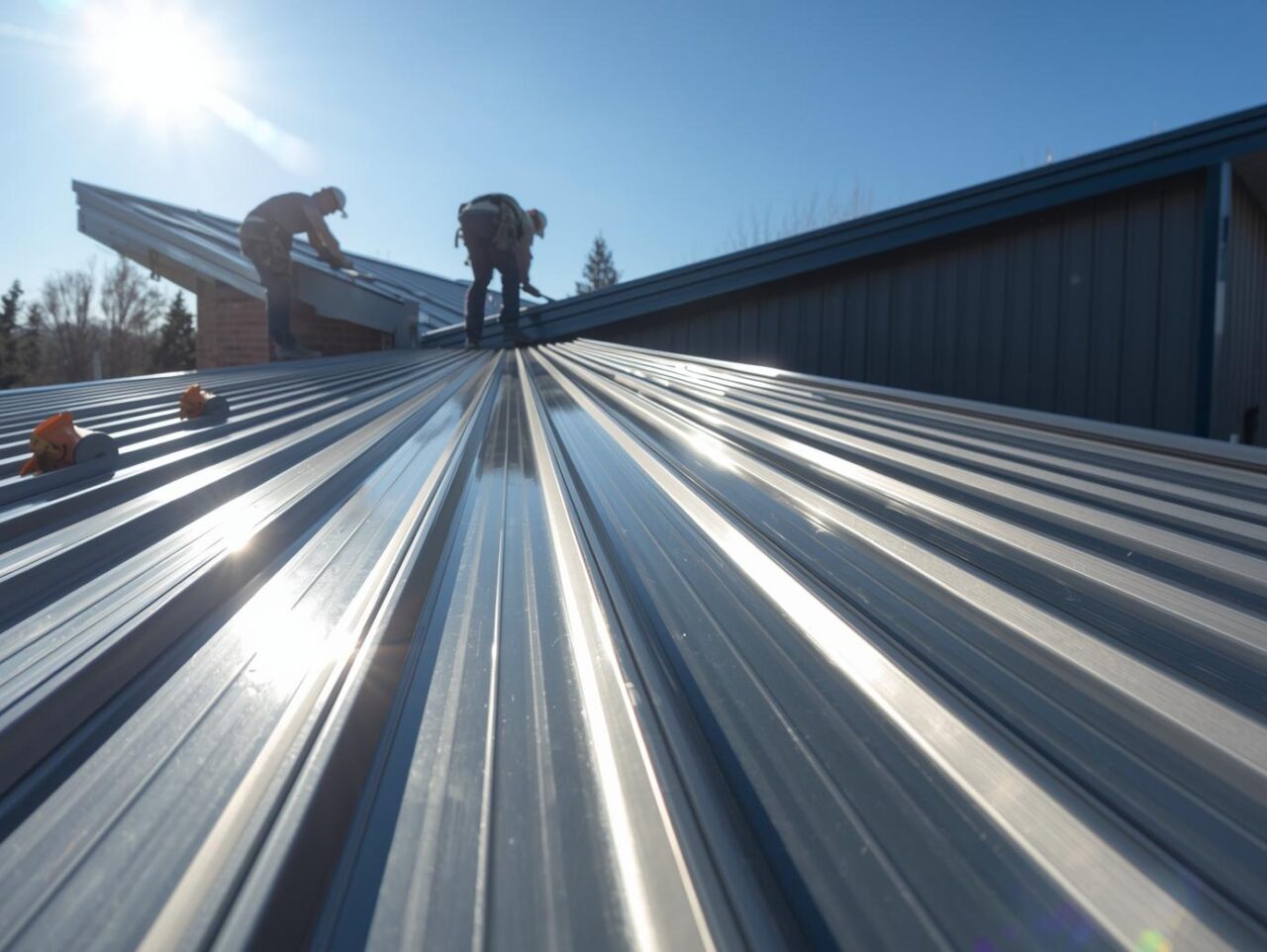
Metal roofing Denver installations average $15,626 for typical homes, with most homeowners paying between $7,115 and $26,266 depending on home size, metal type, and roof complexity. Standing seam metal roofing the premium choice for Denver’s harsh climate costs $8-$14 per square foot installed, while budget-friendly corrugated metal panels run $7-$12 per square foot. Denver homeowners increasingly choose metal roofing for its superior hail resistance, critical protection in Colorado’s “Hail Alley” where severe storms routinely destroy traditional asphalt shingles.
Metal roofs deliver exceptional value through 40-70 year lifespans compared to asphalt’s 20-30 years, superior energy efficiency from reflective coatings, and insurance premium reductions for Class 4 impact-rated installations. The Denver market shows 60-70% return on investment for metal roofing significantly higher than the 50% national average making metal roofs one of the smartest home improvement investments in Colorado’s challenging climate.
This comprehensive guide explains metal roofing Denver costs, hail protection benefits, contractor selection strategies, and why metal outperforms asphalt in the Front Range’s extreme weather conditions.
Table of Contents
Why Denver homeowners choose metal roofing
Denver’s unique climate and weather patterns make metal roofing the logical choice for long-term home protection and value.
Denver’s unique climate challenges
Frequent hailstorms and severe weather patterns:
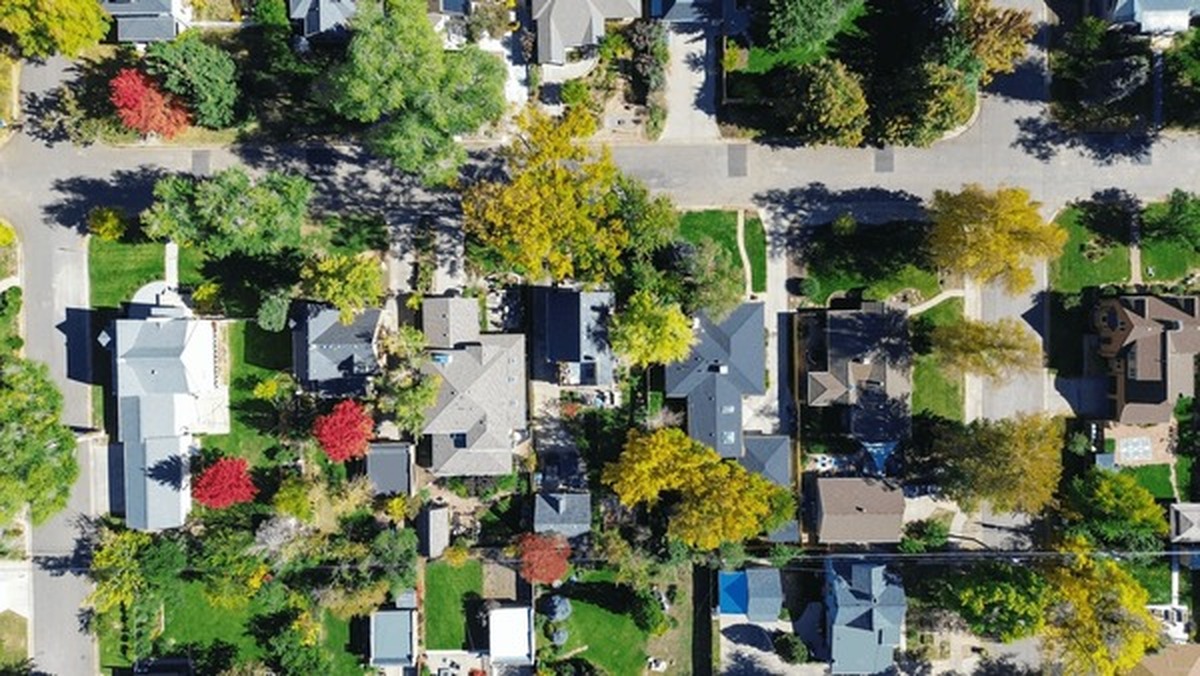
Denver sits in “Hail Alley,” experiencing some of North America’s most damaging hail events annually. Hailstones exceeding golf-ball size regularly devastate traditional roofing materials, creating costly insurance claims and frequent roof replacements.
Heavy snow loads and rapid temperature swings:
Mile High altitude combined with Front Range weather patterns creates extreme conditions—freezing temperatures followed by rapid snowmelt, intense UV exposure at 5,280+ feet elevation, and thermal cycling that degrades lesser roofing materials.
Intense UV exposure at high altitude:
Denver’s high elevation means 25% more UV radiation than sea-level locations, accelerating asphalt shingle degradation and causing premature granule loss, cracking, and brittleness.
Wind uplift concerns in Front Range areas:
Chinook winds and mountain downdrafts create sudden high-wind events reaching 60-90 mph, tearing underlayments and lifting improperly secured roofing materials.
Metal roofing performance in Colorado weather
Superior hail impact resistance compared to asphalt:
Metal roofing withstands severe hail without cracking, puncturing, or requiring replacement—the material absorbs and disperses impact energy rather than fracturing like brittle asphalt shingles. Class 4 impact-rated metal roofs protect homes even during catastrophic hail events that destroy neighboring asphalt roofs.
Snow shedding properties prevent ice dam formation:
Metal’s smooth, non-porous surface allows snow to slide off before accumulating dangerous weight loads, while the material’s thermal properties and proper installation prevent ice dam formation that plagues asphalt roofs.
UV resistance and color retention over decades:
High-performance coatings on quality metal roofing resist UV degradation, maintaining color integrity and protective properties for 40+ years while asphalt shingles fade, crack, and lose granules within 15-20 years in Denver’s intense sunlight.
Wind rating advantages (Class 4 impact resistance):
Metal roofing systems feature interlocking panels with concealed fasteners creating wind resistance up to 120 mph—far exceeding asphalt shingles’ typical 60-90 mph ratings and preventing blow-offs during Front Range wind events.
Long-term value for Denver properties
40-70 year lifespan vs 20-30 for asphalt:
Metal roofing lasts two to three times longer than premium asphalt shingles, eliminating the need for mid-life roof replacement that asphalt requires.
Reduced maintenance and repair frequency:
Metal roofs require minimal maintenance beyond occasional inspections and gutter cleaning, avoiding the frequent repairs asphalt demands after each hail event.
Insurance premium reductions for hail-resistant roofing:
Many Denver-area insurance carriers offer 20-35% premium discounts for Class 4 impact-rated metal roofing due to dramatically reduced claim frequency compared to asphalt.
Increased home resale value in Denver metro market:
Metal roofing installations in Denver generate 60-70% return on investment—the highest ROI of any exterior improvement—adding $9,400-$10,950 in property value for average installations.
Metal roofing Denver cost breakdown
Understanding metal roofing Denver pricing helps homeowners budget accurately and compare contractor quotes effectively.
Average project costs (2026 data)
Denver-specific average: $15,626 total project cost:
Denver homeowners pay $15,626 on average for complete metal roof installations, with typical ranges from $7,115 to $26,266 depending primarily on home size and metal type selection.
National context: $14-$40+ per square foot:
National metal roofing costs range from $14-$40+ per square foot installed, with total projects averaging $46,233 nationally ($23,890-$68,575 range) for 1,700 square foot homes.
Typical Denver 1,700 sq ft home cost ranges by metal type:
- Budget corrugated steel: $11,900-$18,360 ($7-$10.80/sq ft)
- Standard coated steel: $8,500-$23,800 ($5-$14/sq ft)
- Premium standing seam: $13,600-$23,800 ($8-$14/sq ft)
- Luxury copper: $25,500-$51,000 ($15-$30/sq ft)
All pricing based on Denver market rates.
Cost per square foot by metal material
Denver metal roofing material costs vary significantly by type:
| Metal Type | Cost Per Sq Ft (Installed) | Lifespan | Best For |
|---|---|---|---|
| Corrugated steel | $7-$12 | 40-50 years | Budget-conscious, barns/sheds |
| Coated steel (Galvalume) | $5-$14 | 40-60 years | Most popular Denver choice |
| Aluminum | $4-$10 | 50+ years | Corrosion resistance, coastal |
| Tin | $5-$12 | 50+ years | Vintage aesthetic |
| Zinc | $6-$12 | 80-100 years | Self-healing patina, premium |
| Copper | $15-$30 | 100+ years | Luxury, distinctive appearance |
| Stainless steel | $10-$16 | 50+ years | Maximum durability |
| Stone-coated steel | $7-$13 | 50 years | Traditional shingle look |
Installation styles and their costs
Different installation methods affect total metal roofing Denver project costs:
| Installation Style | Cost Range (Per Sq Ft) | Advantages | Best Applications |
|---|---|---|---|
| Standing seam | $8-$14 | Concealed fasteners, superior weather protection, modern aesthetic | Primary residences, premium installations |
| Corrugated panels | $7-$12 | Budget-friendly, easy installation, good performance | Garages, sheds, pole barns, budget projects |
| Metal shingles/tiles | $7-$15 | Traditional appearance, versatile styling | Historic homes, HOA restrictions |
| Exposed fastener panels | $4-$8 | Lowest cost, simple installation | Agricultural, commercial, outbuildings |
Standing seam represents the premium choice for Denver homes, offering concealed fasteners that eliminate leak points and superior wind/hail resistance.
Factors affecting your metal roofing Denver quote
Multiple variables influence final project costs:
Roof size and complexity:
- Basic gable roofs cost less per square foot than complex designs
- Multiple valleys, dormers, and angles increase labor hours 20-40%
- Each additional penetration (vents, skylights, chimneys) adds $150-$300
Pitch/slope considerations:
- Low-slope roofs (3:12-4:12): Standard labor rates
- Medium pitch (5:12-7:12): 10-15% labor premium
- Steep roofs (8:12+): 25-40% labor increase for safety equipment and slower installation
Tear-off requirements:
- Single layer asphalt removal: $1-$3 per square foot
- Multiple layer removal: $3-$5 per square foot
- Disposal fees: $50-$150 per ton
- Deck repair if rot discovered: $3-$8 per square foot
Accessibility and multi-story considerations:
- Single-story homes: Standard pricing
- Two-story homes: 10-20% labor premium
- Three+ stories or difficult access: 25-35% premium
- Limited street parking or equipment access: Additional $500-$1,500
Permit fees specific to Denver municipalities:
- Denver city limits: $100-$300 typical
- Suburban jurisdictions: $75-$250
- HOA approval fees: $50-$200 (some neighborhoods)
Seasonal demand fluctuations:
- Spring (April-June): Peak season, highest prices, 2-6 week waits
- Summer (July-August): High demand, moderate premiums
- Fall (September-November): Good availability, moderate pricing
- Winter (December-March): Best pricing (15-25% discounts), weather-dependent scheduling
Metal roofing types available in Denver
Denver contractors offer multiple metal roofing styles suited to different budgets and aesthetic preferences.
Standing seam metal roofing
Description and system details:
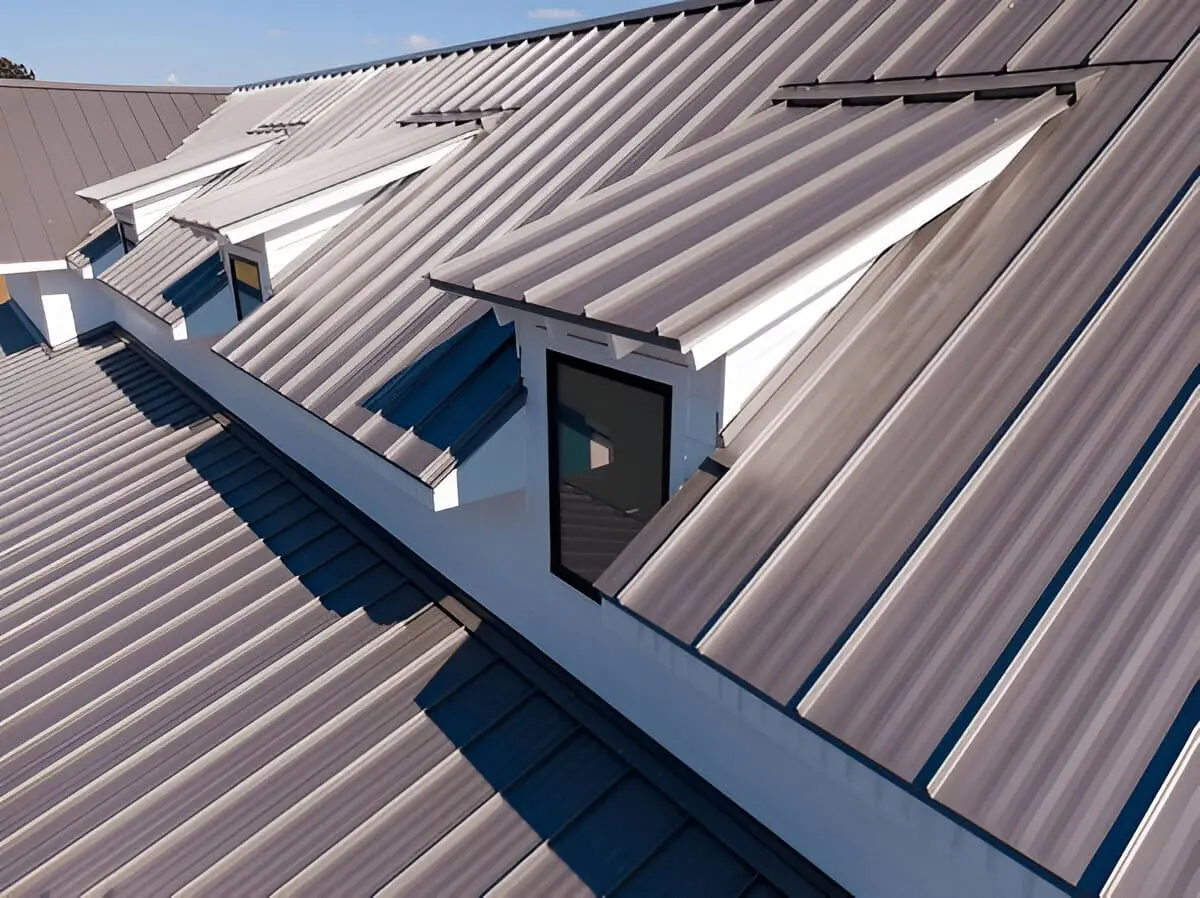
Standing seam features vertical panels with raised seams connecting adjacent panels, using concealed fasteners hidden beneath weathertight seams rather than exposed screws penetrating the roofing surface.
Why it’s the premium choice for Denver homes:
The concealed fastener system eliminates screw holes—the primary leak source in exposed-fastener systems—while interlocking panel edges create superior wind and hail resistance critical for Denver’s severe weather.
Cost analysis: $8-$14/sq ft installed:
Standing seam installations in Denver range from $8-$14 per square foot installed ($16,000-$28,000 for 2,000 sq ft roofs), representing the premium tier of metal roofing but delivering maximum performance and longevity.
Aesthetic versatility and color options:
Available in dozens of colors from earth tones to bold contemporary shades, with finishes ranging from matte to high-gloss, allowing homeowners to complement any architectural style.
Warranty coverage typical for standing seam:
Premium standing seam systems carry 40-50 year paint warranties and limited lifetime structural warranties, with many manufacturers offering 2-inch hail warranties protecting against Denver’s severe storms.
Corrugated and ribbed metal panels
Traditional agricultural/industrial look gaining residential popularity:
Originally designed for barns and commercial buildings, corrugated metal now appears on modern farmhouse and contemporary residential designs seeking industrial-chic aesthetics.
Cost advantage: $7-$12/sq ft:
Corrugated metal delivers solid performance at 30-40% lower cost than standing seam, making quality metal roofing accessible to budget-conscious Denver homeowners.
Durability in Denver’s weather conditions:
Properly installed corrugated metal withstands hail, snow, and wind effectively, though exposed fasteners require periodic inspection and gasket replacement after 15-20 years.
Best applications:
Ideal for garages, pole barns, sheds, workshops, and architectural accent areas, plus primary homes where budget constraints make standing seam impractical.
Metal shingles and tiles
Replicating traditional roof aesthetics with metal performance:
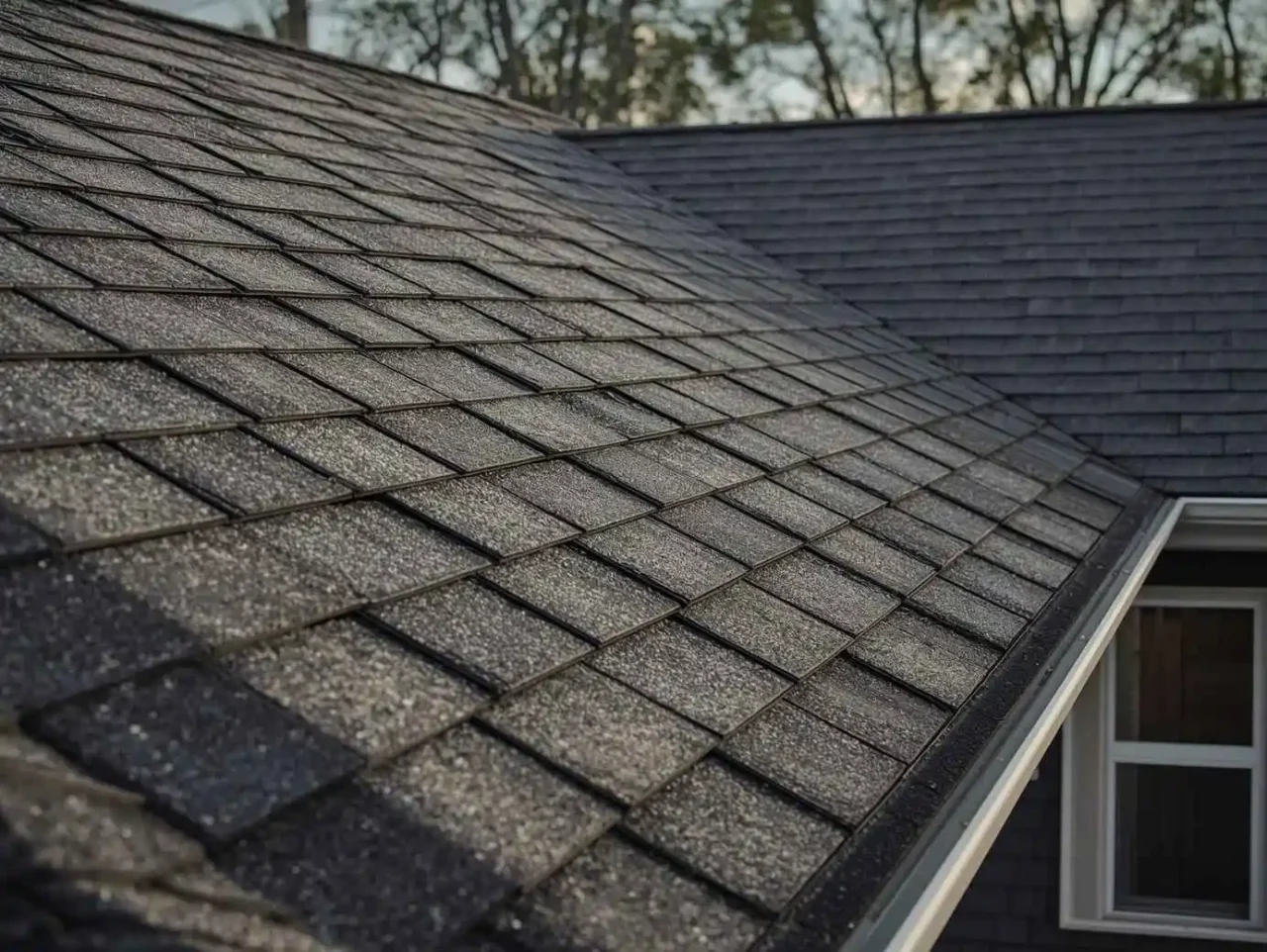
Metal shingles and tiles mimic wood shakes, slate, or clay tiles while delivering metal’s durability, fire resistance, and hail protection—perfect for historic Denver neighborhoods with architectural restrictions.
Cost range: $7-$15/sq ft:
Positioned between corrugated panels and standing seam, metal shingles offer traditional appearance at moderate pricing.
Styles available:
- Shake profile: Replicates cedar shake texture
- Slate look: Diamond or rectangular panels mimicking slate
- Tile profile: Mediterranean barrel tile appearance
- Victorian: Ornate historical patterns
Installation considerations for Denver climate:
Metal shingles provide excellent hail resistance and snow shedding while maintaining traditional neighborhood aesthetics, making them popular in older Denver communities.
Specialty metal options
Aluminum for corrosion resistance:
Lightweight aluminum ($4-$10/sq ft) resists rust indefinitely, ideal for areas with heavy snow load concerns or homes near water features, though softer than steel and more prone to denting.
Copper for premium aesthetics and longevity:
Copper roofing ($15-$30/sq ft) develops distinctive patina over decades while lasting 100+ years, representing the ultimate luxury choice for high-end Denver properties.
Zinc for self-healing patina:
Zinc roofing ($6-$12/sq ft) develops protective patina that self-heals minor scratches, offers 80-100 year lifespan, and provides distinctive European styling.
When to choose premium metals:
Consider copper or zinc for architecturally significant homes, properties where owner plans 30+ year ownership, or neighborhoods where distinctive appearance adds substantial resale value.
Hail resistance & weather protection
Denver’s location in “Hail Alley” makes hail resistance the primary consideration when selecting metal roofing Denver systems.
Understanding metal roofing’s hail performance
How metal absorbs and disperses hail impact energy:
Metal roofing flexes slightly upon hail impact, absorbing kinetic energy and distributing force across larger panel area rather than concentrating stress at single points like brittle asphalt shingles.
Advanced alloy compositions for maximum strength:
Modern steel roofing uses G90 Galvanized Steel with Galvalume coatings—aluminum-zinc alloy layers providing corrosion resistance and enhanced impact strength specifically engineered for severe weather zones.
Protective coatings:
Factory-applied coatings including ceramic-based paints and PVDF (polyvinylidene fluoride) finishes add protective layers enhancing both impact resistance and UV stability critical for Denver’s high-altitude sun exposure.
Class 4 impact rating significance:
UL 2218 Class 4 represents the highest impact resistance rating, requiring materials to withstand 2-inch steel ball drops from 20 feet without failure—metal roofing easily achieves this while most asphalt fails at Class 3 or below.
Denver’s hail history and risk
Frequency of hail events in Front Range:
Denver experiences significant hail events 7-9 days per year on average, with severe (1+ inch) hail occurring 2-4 times annually in metro areas.
Average hail size and damage patterns:
Front Range hailstorms produce stones ranging from quarter-size to baseball-size, with golf ball-size (1.75 inches) representing common severe events causing total asphalt roof losses.
“Hail Alley” designation:
Colorado’s Front Range corridor from Fort Collins through Colorado Springs ranks among North America’s most hail-prone regions, earning the “Hail Alley” designation from insurance industry due to catastrophic damage frequency.
Insurance claim statistics:
Hail damage represents the #1 homeowners insurance claim type in Denver metro, with billions in annual claims—primarily roof replacements—driving premium increases for properties with vulnerable roofing materials.
Comparing metal vs asphalt in hail events
Asphalt shingle failure modes:
Hail impacts crack asphalt shingles’ brittle surface, knock off protective granules exposing black mat underneath, and create fractures allowing water penetration—damage often invisible immediately but leading to leaks within months.
Metal roofing resilience:
Metal roofs may show cosmetic denting from severe hail but maintain complete waterproof integrity—no cracks, no granule loss, no structural compromise requiring replacement.
Long-term cost comparison after hail damage:
Asphalt roofs require full replacement after severe hail ($8,000-$15,000 every 15-20 years in Denver), while metal roofs continue protecting indefinitely despite cosmetic marks, eliminating repeated replacement costs.
Insurance premium differences:
Insurers offer 20-35% premium discounts for Class 4 impact-rated metal roofs, recognizing drastically reduced claim frequency—savings often cover metal roof premium over system lifespan.
Other weather protection benefits
Heavy snow load capacity:
Metal roofing’s structural strength handles Colorado’s heavy wet spring snow without sagging or stress, while smooth surface allows safe shedding before dangerous accumulation.
Ice dam prevention:
Metal’s thermal properties combined with proper ventilation and insulation eliminate temperature differentials causing ice dams that plague asphalt roofs along Denver eaves.
Wind uplift resistance:
Four-way interlocking metal panel systems resist winds up to 120 mph—far exceeding chinook wind speeds and preventing blow-offs common with inadequately fastened asphalt.
Lightning protection considerations:
Contrary to myth, metal roofs don’t attract lightning but do safely dissipate strikes across entire roof structure rather than concentrating energy at ignition points, actually reducing fire risk.
Choosing metal roofing Denver contractors
Selecting qualified metal roofing Denver contractors ensures proper installation critical for performance and warranty validity.
Essential contractor qualifications
Licensed, bonded, and insured requirements:
Colorado requires contractors performing work over $500 to carry active licensing, bonding, and insurance—verify credentials through Colorado Department of Regulatory Agencies before signing contracts.
Metal roofing installation experience:
Ensure contractors specialize in metal roofing specifically, not general roofing—metal installation techniques differ significantly from asphalt, requiring specialized tools, training, and experience.
Manufacturer certifications for warranty compliance:
Many metal roofing manufacturers require certified installers for warranty activation—contractors should provide proof of certifications from brands they install.
References specific to Denver-area projects:
Request 3-5 local references from projects completed within past 2 years, verifying contractor performance in Colorado’s specific climate and building code environment.
Top-rated metal roofing companies in Denver
Linear Roofing & General Contractors:
Specializes in hail-resistant roofing including metal, tile, and stone-coated steel for Denver metro area. Offers expertise in both low and steep slope applications with deep understanding of Denver’s weather challenges from freezing winters to spring hail. Intimate knowledge of local building codes throughout Mile High region and experience with fierce mountain winds, heavy snow, and unpredictable hailstorms.
Colorado Metal Roofing (National Home Improvement division):
Serves Denver Metro, Fort Collins, Colorado Springs, and Summit County with durable steel roofing solutions. Features specially coated G90 Galvanized Steel Kassel & Irons roofs providing impact, fire, and wind resistance (120 mph rating) with four-way concealed interlocking systems. Backed by lifetime protection warranties and commitment to complete quality service from estimate through installation.
Questions to ask during contractor selection
Experience verification:
- “How many years specifically installing metal roofing in Denver’s climate?”
- “What percentage of your business is metal vs other roofing types?”
- “How many metal roofs do you install annually in Denver metro?”
Certification and training:
- “What manufacturer certifications do you currently hold?”
- “Are your crews factory-trained on the specific metal systems you install?”
- “Can you provide proof of current licensing, bonding, and insurance?”
Project examples:
- “May I see photos of recent Denver-area metal roofs you’ve completed?”
- “Can you provide addresses of nearby projects I can drive by?”
- “Do you have references from Denver homeowners with similar roof types?”
Warranty details:
- “What workmanship warranty do you provide?”
- “How long have you been in business to stand behind long-term warranties?”
- “What manufacturer material warranties apply to recommended systems?”
- “Are warranties transferable to future homeowners?”
Insurance expertise:
- “Do you assist with insurance claims for hail or wind damage?”
- “Do you work with adjusters to document damage and ensure proper coverage?”
- “Can you explain insurance discounts available with Class 4 metal roofing?”
Project logistics:
- “What’s your typical timeline for projects similar to mine?”
- “How large are installation crews?”
- “Do you use subcontractors or in-house crews?”
- “What’s your payment schedule?”
- “Do you offer financing options?”
Red flags to avoid
Warning signs indicating problematic contractors:
- Unusually low bids 30%+ below competitors (indicates inferior materials, shortcuts, or unlicensed work)
- Pressure tactics demanding immediate signing or “today only” pricing
- No physical Denver-area address or local references
- Reluctance providing insurance certificates or license verification
- No written contract or vague scope of work lacking material specifications
- Door-to-door solicitation immediately after hailstorms
- Requests for large upfront payments before work begins
- No manufacturer certifications despite claiming expertise
Metal roof installation process in Denver
Understanding the metal roofing Denver installation workflow helps homeowners know what to expect.
Initial consultation and property assessment
Professional evaluation of existing roof condition:
Qualified contractors inspect current roofing, identifying hail damage, structural issues, ventilation adequacy, and deck condition requiring attention before metal installation.
Discussion of aesthetic preferences and budget parameters:
Contractors review metal types, colors, profiles, and styles matching architectural design while fitting budget constraints, explaining performance differences between options.
Structural assessment for metal roofing compatibility:
Engineers verify deck strength, rafter spacing, and structural capacity for metal roofing weight—though metal often weighs less than heavy asphalt, proper evaluation ensures code compliance.
Permit requirements review:
Contractors identify Denver or suburban municipality permit needs, HOA approval processes, and timeline expectations for regulatory compliance.
Custom design and material selection
Collaboration on metal type, color, and finish:
Homeowners select from available metal materials (steel, aluminum, copper, zinc) and finishes (matte, satin, high-gloss) matching home style and neighborhood character.
Style selection:
Choose between standing seam, corrugated panels, metal shingles, or specialty profiles based on aesthetic preferences, budget, and performance priorities.
Accessory planning:
Coordinate gutters, downspouts, snow guards (critical for Denver), ridge vents, and trim details ensuring complete system integration.
Energy efficiency optimization:
Select reflective coatings and colors maximizing solar heat reflection, reducing cooling costs during Denver’s hot summer months.
Professional installation timeline
Typical project duration:
Average Denver homes (1,500-2,500 sq ft) require 3-7 days for complete metal roof installation depending on complexity, weather, and crew size.
Tear-off process:
Crews remove existing roofing materials, dispose of debris, and prepare clean workspace—proper disposal costs $50-$150 per ton but ensures site cleanliness.
Underlayment and deck preparation:
Install high-quality synthetic underlayment providing secondary water barrier, repair any damaged decking discovered during tear-off, ensure proper ventilation.
Metal panel/shingle installation:
Following manufacturer specifications, crews install metal roofing using specialized fasteners, proper overlap sequences, and weather-resistant techniques specific to Colorado climate.
Flashing, trim, and detail work:
Critical weatherproofing around chimneys, vents, valleys, and transitions receives particular attention—proper flashing prevents leak points common in amateur installations.
Final inspection and cleanup:
Thorough magnet sweep removes metal shavings and fasteners, complete debris removal, final quality inspection, and homeowner walkthrough explaining maintenance requirements.
Insurance coordination services
Documentation of hail or wind damage:
Professional contractors photograph existing damage, document loss for insurance records, and provide detailed assessment reports adjusters require.
Working with adjusters:
Experienced contractors coordinate with insurance adjusters, explain damage extent, justify repair scopes, and ensure accurate claim valuations.
Ensuring proper coverage for upgrades:
Contractors help homeowners understand upgrade costs beyond insurance coverage, explaining which portions are claim-covered versus homeowner-paid improvements.
Supplemental claim negotiation:
When initial adjuster estimates prove inadequate, contractors document additional damage or necessary work, submitting supplemental claims ensuring complete repairs.
Metal vs asphalt shingles: Denver comparison
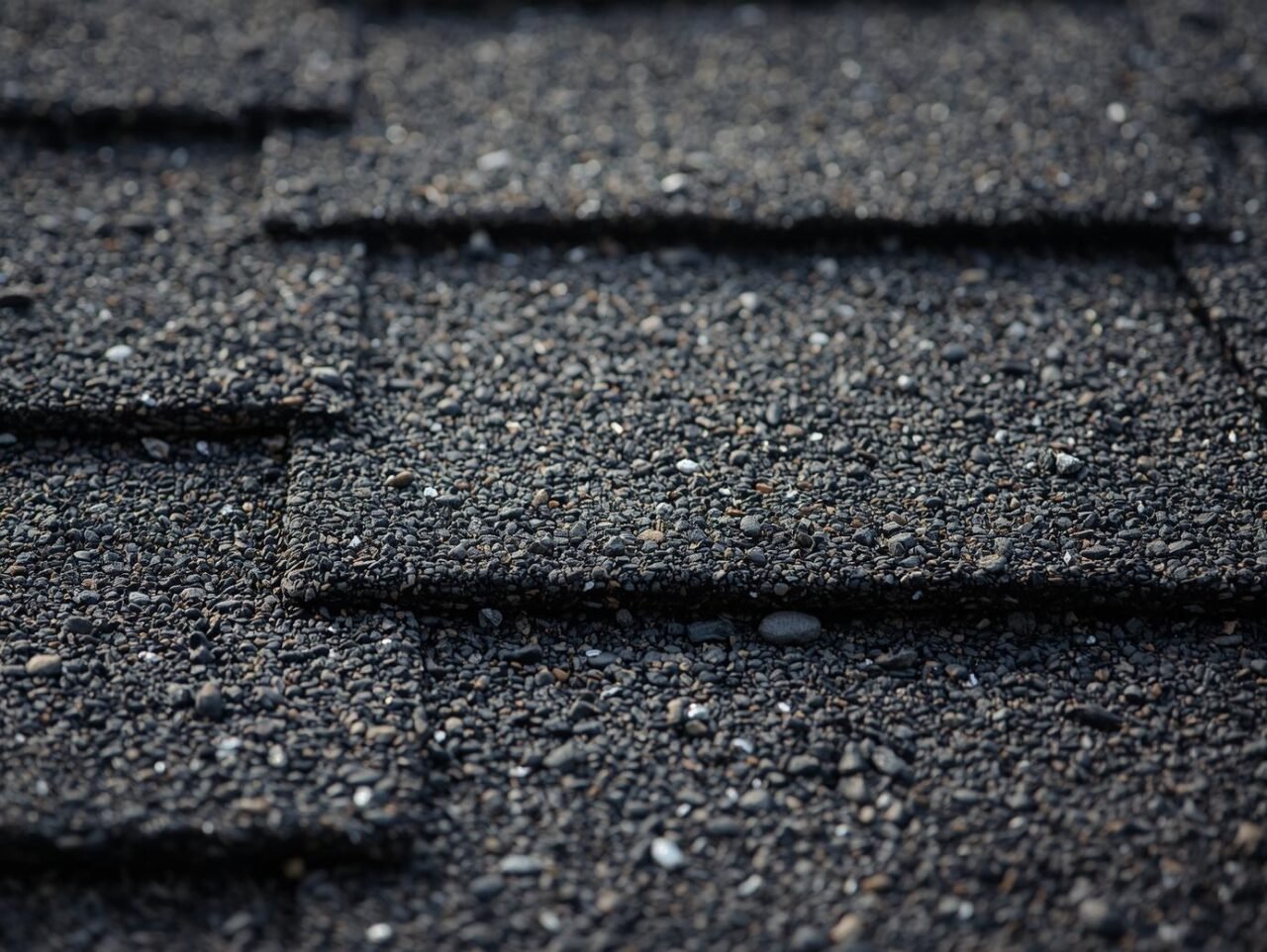
Comparing metal roofing Denver performance against traditional asphalt clarifies why metal dominates premium installations.
Upfront cost analysis
Cost comparison for typical 1,700 sq ft Denver home:
| Roofing Material | Cost Per Sq Ft | Total Project Cost | Expected Lifespan |
|---|---|---|---|
| Asphalt 3-tab shingles | $3-$5 | $5,100-$8,500 | 15-20 years |
| Asphalt architectural shingles | $4-$7 | $6,800-$11,900 | 20-30 years |
| Steel metal roofing | $5-$14 | $8,500-$23,800 | 40-60 years |
| Standing seam metal | $8-$14 | $13,600-$23,800 | 50-70 years |
| Premium copper metal | $15-$30 | $25,500-$51,000 | 100+ years |
Lifecycle cost and value
Metal 40+ year lifespan vs asphalt 20-30 years:
Metal roofs last 2-3 times longer than premium asphalt, eliminating mid-life replacement costs that asphalt requires.
Maintenance cost differences over 30 years:
Asphalt requires repairs after hail events ($500-$2,000 each), periodic algae treatment, valley repairs, and eventual full replacement at 20-25 years, totaling $15,000-$25,000 in lifetime maintenance. Metal requires only basic inspections and gutter cleaning, averaging under $2,000 in 30-year maintenance.
Replacement frequency impact on total cost:
Homeowner installing asphalt at age 40 faces replacement at age 60-65 plus ongoing repairs, while metal roof installed at 40 lasts through retirement and transfers to next owner, eliminating second replacement burden.
Energy savings with reflective metal coatings:
Reflective metal roofing reduces cooling costs 10-25% during Denver’s hot summer months through superior solar heat reflection compared to heat-absorbing dark asphalt.
Performance in Denver’s climate
Hail damage comparison:
Severe hailstorms total asphalt roofs requiring complete replacement, while metal roofs may show cosmetic denting but maintain structural integrity and weathertight protection indefinitely.
UV degradation:
Denver’s high-altitude UV exposure (25% more intense than sea level) rapidly degrades asphalt shingles, causing granule loss, cracking, and brittleness within 15-20 years. Metal roofing with PVDF coatings resists UV damage, maintaining color and protection 40+ years.
Wind performance:
Asphalt shingles typically rated 60-90 mph blow off during Denver’s chinook winds when installation quality varies, while metal’s interlocking systems resist 120 mph winds consistently.
Snow management:
Metal’s smooth surface sheds snow before dangerous accumulation while eliminating ice dams through thermal properties and proper installation, whereas asphalt retains snow and commonly develops destructive ice dams along eaves.
Energy efficiency and environmental benefits
Metal roofing Denver installations deliver measurable energy savings and environmental advantages.
Energy savings with metal roofing in Denver
Reflective coating technology reduces heat absorption:
Factory-applied cool roof coatings reflect 25-95% of solar energy depending on color and finish, dramatically reducing heat transfer into attic spaces compared to asphalt’s 5-15% reflectivity.
Cooling cost reductions in summer:
Metal roofing reduces Denver cooling costs 10-25% during June-September when daily high temperatures reach 85-100°F, saving $150-$400 annually on typical homes.
Thermal performance in Denver’s high-altitude sun:
At 5,280+ feet elevation, UV and solar radiation intensity exceeds sea-level locations by 25%, making reflective roofing critical for comfort and energy efficiency.
ENERGY STAR qualified metal roofing options:
Many metal roofing products meet ENERGY STAR requirements for steep-slope roofing in Denver’s climate zone, qualifying for utility rebates and tax incentives.
Environmental sustainability
100% recyclability of metal roofing materials:
Steel, aluminum, copper, and zinc roofing materials recycle completely at end of service life—metal roofing averages 25-95% recycled content and returns to manufacturing stream indefinitely.
Reduction in landfill waste:
Asphalt shingles contribute 11 million tons annually to U.S. landfills, with Denver metro adding thousands of tons after each hail event, while metal eliminates this waste stream through recyclability.
Embodied energy considerations:
Though metal production requires significant energy, the material’s recyclability and 40-70 year lifespan result in lower lifetime embodied energy compared to 2-3 asphalt replacements.
Contribution to LEED certification:
Metal roofing contributes points toward LEED certification in multiple categories including recycled content, reflectivity, and durability—valuable for environmentally conscious Denver homeowners.
Total cost of ownership
Combining durability + energy savings + low maintenance:
Metal roofing’s 40-70 year lifespan eliminates replacement costs asphalt requires, while energy savings and minimal maintenance deliver annual cost reductions totaling $300-$800.
Insurance premium reductions:
Class 4 impact-rated metal roofing qualifies for 20-35% insurance premium discounts in Denver market, saving $200-$500 annually and $6,000-$15,000 over roof lifespan.
Increased property value in Denver real estate market:
Metal roofing generates 60-70% ROI in Denver—significantly above 50% national average—adding $9,400-$10,950 in appraised value for typical installations.
Long-term economic benefits:
When calculating initial premium ($5,000-$15,000 over asphalt), insurance savings, energy reductions, eliminated replacement costs, and property value increase, metal roofing pays for itself within 12-18 years while providing 30-50 additional years of superior protection.
Frequently asked questions about metal roofing Denver
How much does metal roofing cost in Denver?
Metal roofing in Denver averages $15,626 for typical homes, with most projects ranging from $7,115 to $26,266 depending on home size and metal type. Corrugated steel costs $7-$12 per square foot installed, standard coated steel runs $5-$14 per square foot, and premium standing seam ranges from $8-$14 per square foot.
Is metal roofing good for Denver’s hail?
Metal roofing provides superior hail protection in Denver’s “Hail Alley” climate, withstanding severe impacts without cracking or requiring replacement. Class 4 impact-rated metal roofs absorb and disperse hail energy rather than fracturing like asphalt shingles, qualifying for 20-35% insurance premium discounts due to dramatically reduced claim frequency.
How long does metal roofing last in Denver?
Metal roofing lasts 40-70 years in Denver depending on material type—steel roofing provides 40-60 years, aluminum lasts 50+ years, and premium copper exceeds 100 years. This lifespan significantly exceeds asphalt shingles’ 20-30 year expectancy, eliminating mid-life replacement costs.
What type of metal roofing is best for Denver?
Standing seam metal roofing represents the optimal choice for Denver homes, featuring concealed fasteners eliminating leak points, superior wind resistance (120 mph ratings), and excellent hail protection through interlocking panel systems. Coated G90 Galvanized Steel with Galvalume coating provides ideal balance of performance, cost ($8-$14/sq ft), and durability for Colorado’s challenging climate.
How does metal roofing compare to asphalt shingles in Denver?
Metal roofing costs $5-$16 per square foot versus asphalt’s $3-$5 per square foot but lasts 40-70 years compared to asphalt’s 20-30 years. Metal withstands Denver’s frequent hail without damage requiring replacement, qualifies for insurance discounts, reduces energy costs 10-25%, and generates 60-70% ROI—highest return of any Denver exterior improvement.
Do I need a special contractor for metal roofing Denver installation?
Yes—metal roofing requires specialized installation expertise distinct from asphalt techniques. Choose contractors with metal-specific experience, manufacturer certifications, Denver-area references, and proper licensing/insurance, ensuring warranty compliance and performance in Colorado’s severe weather.
Does metal roofing reduce insurance costs in Denver?
Class 4 impact-rated metal roofing qualifies for 20-35% homeowners insurance premium discounts in Denver due to superior hail resistance dramatically reducing claim frequency. Annual savings of $200-$500 total $6,000-$15,000 over typical roof lifespan, significantly offsetting metal’s higher upfront cost.
Can metal roofing be installed in winter in Denver?
Metal roofing can be installed year-round in Denver with proper precautions, though winter installations require careful planning for snow, ice, and freezing temperatures affecting adhesives and sealants. Many contractors offer 15-25% discounts for off-season winter work when demand drops, making winter installation economically attractive if weather cooperates.
Protecting your Denver home with metal roofing
Metal roofing Denver installations provide unmatched protection in Colorado’s challenging “Hail Alley” climate through superior impact resistance, 40-70 year lifespan, and wind ratings up to 120 mph. Denver homeowners invest $15,626 on average ($7,115-$26,266 range) for metal roofs delivering 60-70% return on investment—the highest ROI of any exterior improvement—while qualifying for 20-35% insurance premium discounts and eliminating repeated replacement costs asphalt requires.
Standing seam metal roofing at $8-$14 per square foot represents the premium choice for Denver’s severe weather, featuring concealed fasteners, interlocking panels, and Class 4 impact ratings protecting homes during catastrophic hailstorms that destroy neighboring asphalt roofs. Energy-efficient reflective coatings reduce cooling costs 10-25% in Denver’s intense high-altitude sun, while 100% recyclable materials and decades-long durability minimize environmental impact compared to disposable asphalt shingles filling landfills after each hail event.
Ready to protect your Denver home with superior metal roofing? Contact qualified local contractors specializing in metal installation, request detailed quotes comparing standing seam and corrugated options, verify manufacturer certifications and insurance credentials, and explore financing options making premium protection affordable. Denver’s next hailstorm is coming—ensure your home survives with confidence metal roofing provides.
Get free roofing advice, cost guides, and seasonal maintenance tips.
Rinuom has researched and documented 200+ roofing projects across the U.S., helping homeowners understand costs, materials, and contractor selection since 2021
Leave A Comment