Preloader Close

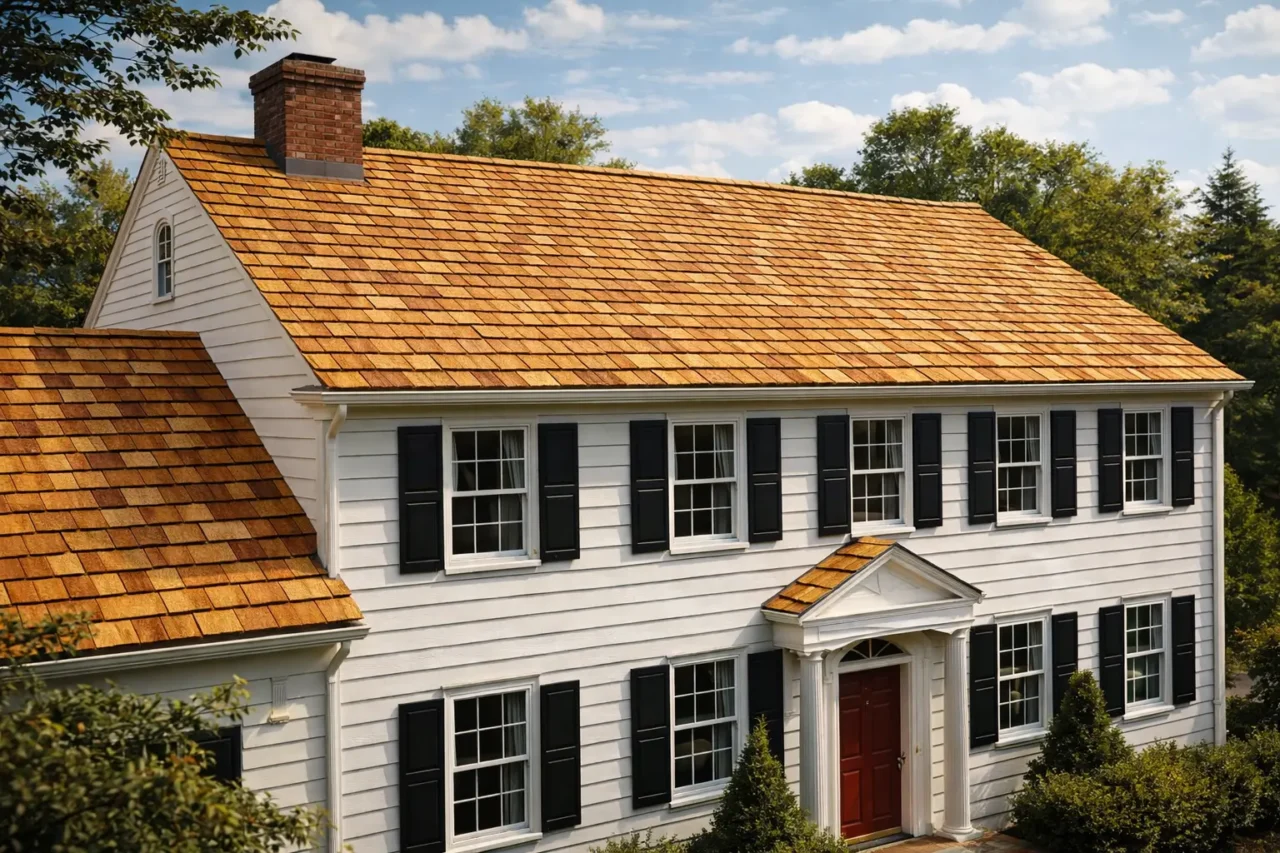
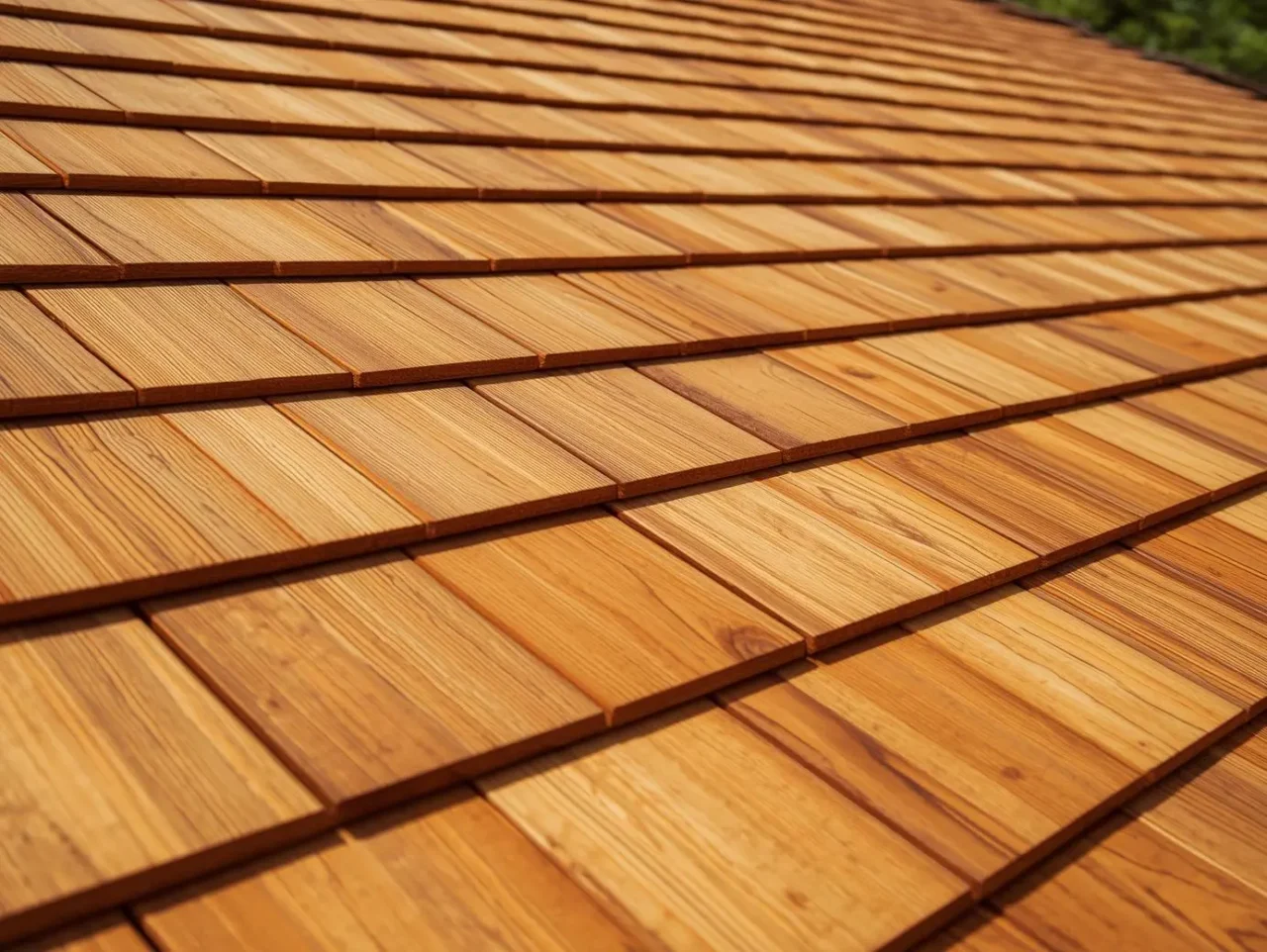
Golden cedar roof shingles represent a warm, medium-brown roofing color with honey, amber, and wheat undertones that create a timeless earth-tone aesthetic complementing traditional and rustic architectural styles. This classic color family appears across multiple product lines from major manufacturers, including GAF’s Royal Sovereign in Golden Cedar, and synthetic alternatives like CeDUR’s Golden Cedar that replicates the authentic wood shake appearance while offering enhanced performance.
The golden cedar color palette provides homeowners with the natural warmth of cedar wood tones without the intensive maintenance requirements of actual cedar shake roofing. In 2025, golden cedar roof shingles cost similarly to standard shingle colors, with 3-tab options available at budget-friendly prices and architectural shingles ranging from $85-$150 per square for materials, making this warm tone accessible across all price points.
Understanding the characteristics of golden cedar as a roofing color, available product options, exterior coordination strategies, and performance considerations helps homeowners make confident color decisions that enhance curb appeal while providing decades of reliable weather protection. This comprehensive guide explores golden cedar roof shingles from aesthetic, practical, and investment perspectives.
Table of Contents
Understanding golden cedar roof shingles color characteristics
Golden cedar represents a specific segment within the warm brown color family designed to evoke natural cedar wood tones while offering the durability and affordability of asphalt or synthetic shingles.
Visual appearance and color profile:
The golden cedar color palette exhibits distinctive characteristics setting it apart from other brown-toned roofing options:
Base color:
- Warm medium brown serving as the foundation
- Richer than light tan or beige options
- Lighter than deep chocolate or hickory browns
- Positioned in the middle of the brown spectrum for versatility
Undertones and highlights:
- Honey-colored golden tones creating warmth
- Amber and wheat highlights adding dimension
- Subtle hints of gold and yellow distinguishing it from gray-browns
- Less pronounced brown tones compared to darker cedar options, incorporating more golden hues
Multi-tonal character:
- Architectural shingles showcase color variation within individual shingles
- Lighter golden highlights contrast with deeper brown shadows
- Natural wood appearance achieved through varied toning
- Dimensional profiles enhance color depth through shadow lines
According to CeDUR’s Golden Cedar product information, the inspiration for golden cedar coloring comes from the Cedrus deodara Aurea Golden tree species, which thrives in warmer climates and is known for its eye-catching golden colored leaves.
Replicating natural cedar aesthetics:
Golden cedar roof shingles aim to capture the appearance of natural cedar wood without its vulnerabilities:
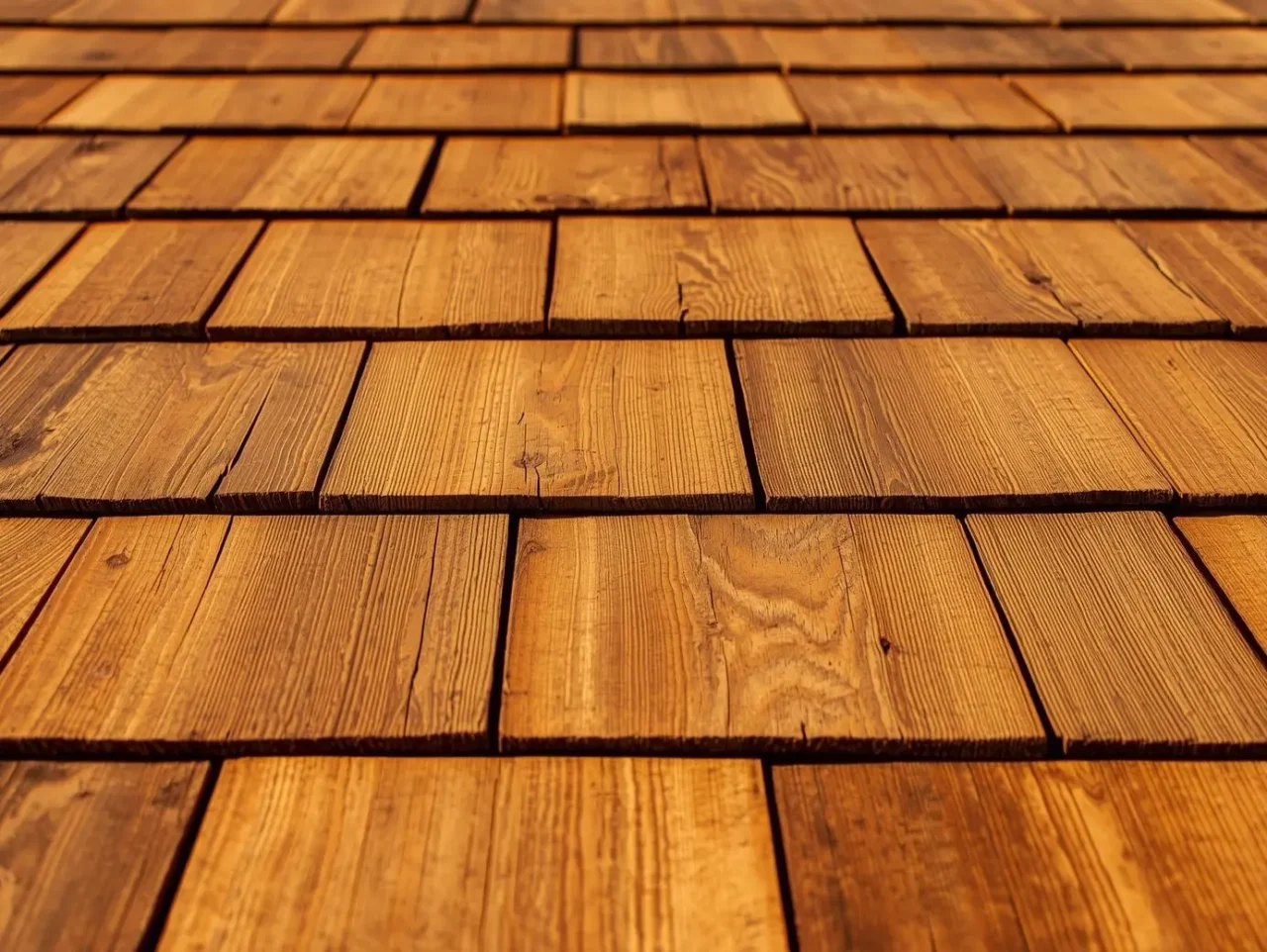
- Authentic wood look: Advanced manufacturing creates grain patterns and texture resembling hand-split cedar shakes
- Natural variation: Premium products use 50+ unique molds creating realistic variation
- Movement and shadow: Dimensional profiles produce deep shadow lines indistinguishable from natural wood
- Color consistency: Factory-applied colors ensure uniform appearance versus on-site staining
Longevity and color stability:
Quality golden cedar roof shingles maintain their appearance through decades of weather exposure:
- UV resistance: Premium granules and coatings protect against fading in intense sun
- Gradual weathering: Colors soften naturally over time rather than experiencing dramatic shifts
- Pre-staining advantages: Factory-finished products offer better fade resistance than field-applied treatments
- Expected performance: High-quality architectural shingles maintain color integrity for 20-30+ years with proper installation and ventilation
Comparison to actual cedar:
While golden cedar shingles evoke wood aesthetics, they offer distinct advantages over natural cedar shake roofing:
- No rot or insect damage: Synthetic and asphalt compositions resist biological deterioration
- No splitting or curling: Manufactured materials maintain dimensional stability
- Fire resistance: Class A fire ratings versus cedar’s flammability concerns
- Lower maintenance: No periodic staining, sealing, or treatment requirements
- Cost efficiency: Significantly less expensive than premium natural cedar installation
Popular golden cedar shingle products by brand
Multiple manufacturers offer golden cedar-toned roofing products across various price and performance tiers.
GAF golden cedar options:
GAF, one of North America’s largest roofing manufacturers, offers golden cedar in their budget-friendly product line:
GAF Royal Sovereign – Golden Cedar:
- Product type: 3-tab asphalt shingle
- Coverage: 33.33 square feet per bundle
- Features: Algae-resistant formulation
- Warranty: 25-year StainGuard Plus Limited Warranty
- Availability: Stocked at major suppliers including Lowe’s, All Roofing Supply, and ASO Roofing Supply
- Price point: Budget tier, economical option for golden cedar aesthetic
- Best for: Cost-conscious projects, rental properties, utility buildings where premium aesthetics aren’t required
GAF’s premium architectural lines like Timberline HDZ and Timberline Ultra HD offer warm brown tones in colors such as Weathered Wood and Golden Harvest that provide similar warm aesthetics with enhanced dimensional profiles.
CeDUR synthetic golden cedar:
CeDUR specializes in polyurethane synthetic cedar shake roofing with a dedicated Golden Cedar product:
CeDUR Golden Cedar Synthetic Shakes:
- Product type: Polyurethane synthetic cedar shake replication
- Color characteristics: Similar tone to CeDUR Live Oak with less honey brown and more gold/yellow hints
- Cool Roof Rating: Title 24 compliant for Southern California communities
- Fire resistance: Class A fire rating
- Impact resistance: Class 4 impact rating
- Wind resistance: Certified up to 115 mph
- Weight: Just 170 pounds per roofing square (100 sq ft)
- Insulation value: R > 2.0 R factor, approximately 20% greater than natural heavy shakes
- Manufacturing: 50+ unique molds for authentic wood shake appearance with natural variation
- Best for: Historic structures requiring wood shake aesthetics with modern performance, California Title 24 compliance requirements, coastal or high-wind zones
CeDUR’s Golden Cedar provides the warm wood shake look while meeting stringent California energy codes and fire safety requirements that natural cedar cannot satisfy.
CertainTeed warm cedar tones:
CertainTeed offers several warm brown options in their Landmark and premium product lines:
CertainTeed Landmark Series:
- Relevant colors: Burnt Sienna, Weathered Wood, Cedar (actual color names)
- Product type: Architectural shingles
- Characteristics: Heavier weight per square contributing to wind resistance and longevity
- Dimensional appearance: Classic architectural profile
- Color palette: Wide range including warm earth tones
- Best for: Residential homes seeking quality architectural shingles with warm color options
CertainTeed Grand Manor:
- Product type: Premium luxury shingle mimicking natural slate appearance
- Availability: Warm tones in designer color selections
- Best for: High-end residential applications requiring maximum curb appeal
Owens Corning desert and driftwood tones:
Owens Corning’s Duration and Oakridge lines include warm browns serving as golden cedar alternatives:
Owens Corning Duration:
- Relevant colors: Desert Tan (golden cedar equivalent), Driftwood (lighter cedar variation)
- Technology: SureNail technology for enhanced wind resistance
- Wind warranty: Up to 130 mph when properly installed
- Performance: Handled 110 mph winds in recent severe weather tests
- Best for: Areas with significant wind exposure requiring warm color palette
Owens Corning Duration FLEX:
- Product type: Advanced architectural shingle with enhanced flexibility
- Performance: Top-performing 2025 product according to installer feedback
- Availability: Warm tones in standard color range
Other manufacturers:
Malarkey (Vista, Highlander, Legacy, Windsor):
- Features: SBS polymer modification for flexibility and impact resistance, Class 4 options available
- Sustainability: Incorporates recycled rubber and plastics in manufacturing
- Algae resistance: Scotchgard Protector by 3M for advanced protection
- Warm tones: Earth-tone palette available across product lines
- Best for: Environmentally conscious homeowners, areas requiring impact resistance
TAMKO (Heritage, Titan XT, StormFighter FLEX):
- Product range: Performance-driven to timeless classic options
- Color availability: Warm browns in standard selections
- Best for: Regional availability and contractor preference
Brand comparison summary:
| Brand | Product Line | Golden Cedar Option | Type | Key Features |
|---|---|---|---|---|
| GAF | Royal Sovereign | Golden Cedar (exact name) | 3-tab | Budget-friendly, algae-resistant |
| GAF | Timberline HDZ | Weathered Wood, Golden Harvest | Architectural | Premium, wind-resistant |
| CeDUR | Synthetic Shakes | Golden Cedar (exact name) | Synthetic shake | Class A fire, Class 4 impact, Title 24 |
| CertainTeed | Landmark | Burnt Sienna, Cedar | Architectural | Heavier weight, durability |
| Owens Corning | Duration | Desert Tan, Driftwood | Architectural | SureNail, wind resistance |
| Malarkey | Various lines | Earth tones | Architectural | Sustainable, impact-resistant |
For specific color matching, always request physical samples as color names vary significantly between manufacturers and digital representations don’t accurately show true tones.
How much do golden cedar roof shingles cost in 2025?
Golden cedar roof shingles cost the same as standard colors within each product tier, with pricing determined by shingle quality rather than color selection.
Material costs by shingle type:
Current 2025 pricing for golden cedar-toned shingles across quality tiers:
3-tab shingles (budget tier):
- Cost per square: $70-$95 (one square = 100 sq ft of roof coverage)
- Example: GAF Royal Sovereign Golden Cedar falls in this category
- Lifespan: 15-25 years
- Best for: Budget-conscious projects, temporary roofing solutions
Standard architectural shingles:
- Cost per square: $85-$140 for materials
- Popular products: GAF Timberline HDZ, CertainTeed Landmark, Owens Corning Duration
- Lifespan: 25-35 years actual performance
- Warranty: 30-50 years limited lifetime coverage
- Best for: Primary residences, quality installations balancing cost and performance
Premium architectural shingles:
- Cost per square: $120-$180
- Products: CertainTeed Grand Manor, GAF Timberline Ultra HD
- Lifespan: 35-50+ years
- Enhanced features: Impact resistance, advanced wind ratings
- Best for: Long-term investments, severe weather zones
Synthetic cedar shakes:
- Cost per square: $250-$450 estimated for premium synthetic products
- Example: CeDUR Golden Cedar synthetic shakes
- Lifespan: 30-50 years
- Additional benefits: Class A fire rating, Class 4 impact resistance, lightweight (170 lbs per square), Cool Roof rated
- Best for: Historic preservation, California Title 24 compliance, premium aesthetics with performance
No color premium for golden cedar:
Standard earth-tone colors including golden cedar typically incur no additional cost compared to other common colors:
- Standard colors: Included in base pricing (blacks, browns, grays, tans)
- Custom/special-order colors: Add $50-$150 per square
- Designer/premium colors: Available only in luxury product lines at corresponding premium pricing
- Golden cedar availability: Generally stocked as standard color requiring no special order
Complete installed costs:
Total project expenses including materials, labor, and accessories for a typical 2,000 square foot roof (20 squares):
Budget installation (3-tab golden cedar):
- Materials: $70-$95/sq × 20 squares = $1,400-$1,900
- Labor: $3.00-$4.00/sq ft × 2,000 sq ft = $6,000-$8,000
- Accessories (underlayment, flashing, ridge caps, disposal): $1,500-$2,500
- Total project cost: $8,900-$12,400
Standard architectural installation:
- Materials: $85-$140/sq × 20 squares = $1,700-$2,800
- Labor: $3.50-$5.00/sq ft × 2,000 sq ft = $7,000-$10,000
- Accessories: $2,000-$3,500
- Total project cost: $10,700-$16,300
Premium architectural installation:
- Materials: $120-$180/sq × 20 squares = $2,400-$3,600
- Labor: $4.00-$5.50/sq ft × 2,000 sq ft = $8,000-$11,000
- Accessories: $2,500-$4,000
- Total project cost: $12,900-$18,600
These costs reflect national averages; regional variations, roof complexity, pitch, and contractor selection significantly affect final pricing.
According to industry data, the best-performing architectural shingles in 2025—including CertainTeed Landmark Premium, GAF Timberline Ultra HD, and Owens Corning Duration FLEX—represent the optimal value proposition for most homeowners balancing upfront investment with long-term performance.
Best home styles for golden cedar roof shingles
Golden cedar’s warm earth-tone character complements specific architectural styles while clashing with others.
Traditional and Colonial architecture:
Golden cedar roof shingles naturally enhance classic American home styles:
Why it works:
- Warm brown tones complement brick, stone, and traditional siding materials common in colonial construction
- Timeless appeal matches the historical character of these architectural styles
- Earth-tone palette provides appropriate formality for traditional aesthetics
Best pairings:
- Red or orange-toned brick exteriors creating harmonious warm color schemes
- Cream, ivory, and warm white trim providing elegant contrast
- Natural stone accents in sandstone or limestone tones
- Painted siding in warm neutrals (tan, beige, soft greige)
Craftsman and bungalow styles:
Arts and Crafts architecture naturally pairs with golden cedar coloring:
Why it works:
- Craftsman design emphasizes natural materials and earth-tone palettes
- Warm browns echo the wood details characteristic of these homes
- Authentic cedar shake appearance (especially synthetic versions) matches craftsman aesthetic ideals
Best pairings:
- Wood lap siding in natural cedar or painted warm tones
- River rock or stacked stone foundation and accent walls
- Exposed beam details and wood trim elements
- Forest green, olive, or sage accent colors
Ranch and rambler homes:
Mid-century ranch architecture benefits from golden cedar’s moderate warmth:
Why it works:
- Horizontal lines of ranch homes enhanced by warm roof tones blending with surroundings
- Natural earth tones suit suburban and rural settings common for ranch construction
- Provides visual warmth to sometimes-plain ranch exteriors
Best pairings:
- Horizontal siding in tan, beige, or warm gray tones
- Brick accent walls in warm colors
- Natural wood or stone elements
- Landscaping with warm-toned mulch and earth-friendly plantings
Mediterranean and Spanish styles:
Golden cedar offers an economical alternative to clay tile while maintaining warm aesthetics:
Why it works:
- Golden and amber tones echo terra cotta clay tile coloring at fraction of cost
- Warm palette complements stucco exteriors prevalent in Mediterranean design
- Earth-tone character suits Mediterranean climate and aesthetic
Best pairings:
- Stucco exteriors in cream, tan, peachy tones
- Arched architectural details and wrought iron accents
- Warm stone or tile elements
- Desert landscaping with warm-toned hardscaping
Log cabins and rustic architecture:
Natural wood aesthetics make golden cedar an ideal choice for rustic settings:
Why it works:
- Natural cedar appearance, especially with synthetic shake products, complements log and timber construction
- Warm wood tones create seamless integration with forest and mountain environments
- Authentic wood shake look without cedar shake maintenance challenges
Best pairings:
- Natural log or timber exteriors
- Wood siding in cedar, pine, or other natural finishes
- Stone chimney and foundation elements
- Forest settings with natural landscaping
Architectural styles to avoid:
Golden cedar may not suit certain contemporary design approaches:
Ultra-modern minimalist:
- Cool-toned modern homes (grays, whites, blacks) clash with warm golden browns
- Monochromatic color schemes disrupted by warm earth tones
- Contemporary aesthetic often favors cool grays or dramatic blacks
Coastal and beach styles:
- Beach architecture typically employs light, cool colors (whites, light grays, soft blues)
- Coastal environments favor colors reflecting sand, sky, and ocean
- Golden cedar’s warmth conflicts with breezy coastal aesthetic
Note: According to 2025 installer data, coastal regions show strong preference for Coastal Gray (60% of installations), Nautical Blue (25%), and classic Weathered Wood (15%), with warm golden tones less common in beach communities.
!
Coordinating exterior colors with golden cedar roof shingles
Successful exterior color coordination maximizes golden cedar’s warm appeal while avoiding temperature clashes.
Siding colors that complement golden cedar:
Cream and ivory (classic combination):
- Creates traditional, high-contrast pairing
- Provides brightness balancing the roof’s warmth
- Works across all architectural styles from colonial to craftsman
- Timeless choice with broad appeal
Warm white:
- Softer than pure white, more inviting appearance
- Reduces stark contrast for gentler aesthetic
- Maintains freshness while harmonizing with golden tones
- Modern alternative to cream for contemporary-leaning homes
Tan and beige (monochromatic earth palette):
- Creates cohesive, unified appearance
- Subtle, understated elegance
- Blends home into natural surroundings
- Risk: Can appear bland without strategic accent colors
Soft green (sage, olive, moss):
- Natural, organic feel perfect for craftsman and rustic styles
- Complements golden cedar’s earth-tone character
- Popular in forested and mountain settings
- Provides color interest while maintaining warmth
Warm gray (greige – gray-beige blend):
- Contemporary twist on traditional pairings
- Balances cool and warm undertones
- Versatile across multiple architectural styles
- Growing trend in 2025 color selections
Brick red and terracotta:
- Harmonious warm-on-warm combination
- Colonial and Mediterranean styles benefit most
- Creates rich, saturated color scheme
- Bold choice requiring confident execution
Natural wood (cedar, pine, redwood):
- Seamless rustic integration for log cabins and craftsman homes
- Authentic materials pairing enhancing natural aesthetic
- Low-maintenance synthetic cedar shakes particularly appropriate with wood siding
- Creates organic, woodland character
Siding colors to avoid with golden cedar:
Cool grays with blue undertones:
- Temperature conflict creates visual discord
- Modern cool grays clash with warm golden tones
- Better suited to charcoal, black, or cool-toned roofs
Pure brilliant white:
- Excessively stark contrast can appear jarring
- Too cold against warm roof tones
- Warm white or cream preferable alternatives
Cool blues and purples:
- Direct temperature clash (cool vs. warm)
- Creates unsettled, unbalanced appearance
- Better with gray or black roofing
Pink-toned beiges:
- Undertone clash (pink vs. gold/amber)
- Can appear dated or mismatched
- Warm yellow-based beiges work better
Trim and accent color strategies:
White trim:
- Classic choice providing crisp definition
- Brightens overall appearance
- Works with virtually all siding colors
- Most popular trim selection across styles
Cream or off-white trim:
- Softer alternative to pure white
- Blends more warmly with golden cedar
- Traditional appearance with gentle contrast
Dark brown or espresso trim:
- Creates rich, grounded look
- Enhances depth and dimension
- Particularly effective on craftsman and rustic styles
- Coordinates directly with roof tones
Forest green accents:
- Natural complement to earth-tone palette
- Effective for shutters, doors, and decorative elements
- Craftsman and traditional styles benefit most
Burnt orange, rust, and terracotta accents:
- Bold, harmonious warm-palette choices
- Mediterranean and southwestern styles enhanced
- Use sparingly as accent elements (not primary color)
Stone and masonry pairings:
Golden cedar roof shingles work best with warm-toned natural materials:
Compatible options:
- Warm red, orange, and brown brick varieties
- Sandstone and limestone in cream, tan, golden tones
- Multi-colored river rock with warm color variations
- Flagstone in earth-tone selections
Incompatible options:
- Cool gray manufactured stone
- Blue-gray slate materials
- White or very light stone creating excessive contrast
Review our complete exterior color coordination guide for detailed palette development strategies.
How golden cedar roof shingles perform in different climates
Golden cedar’s medium-tone coloring affects heat absorption and aesthetic appropriateness across various climates.
Heat absorption and energy considerations:
Golden cedar falls in the middle of the color spectrum regarding solar heat absorption:
Thermal characteristics:
- Not as cool as: White, light gray, tan, cream (maximum solar reflectance)
- Not as hot as: Black, dark brown, charcoal (maximum heat absorption)
- Moderate performance: Medium browns absorb and reflect moderately
Energy efficiency strategies:
- Proper attic insulation (R-38 to R-60 depending on climate) more important than color
- Adequate ventilation (ridge vents, soffit vents) critical for heat management
- Radiant barriers reduce heat transfer regardless of roof color
- Cool Roof rated versions available (CeDUR Golden Cedar) combining warm aesthetics with reflective technology
According to CeDUR, their Golden Cedar synthetic shakes provide insulation value of R > 2.0 R factor, approximately 20% greater than natural heavy shakes, potentially reducing air conditioning use and qualifying for utility rebates in some jurisdictions.
Optimal regional applications:
Mountain and forest regions (ideal):
- Golden cedar tones blend naturally with wooded surroundings
- Earth colors complement mountain architecture aesthetics
- Cedar shake appearance (natural or synthetic) suits rustic settings
- Four-season climate performance with proper ventilation
Midwest (excellent):
- Traditional aesthetic matches prevalent architectural styles
- Four-season weather performance
- Complements brick and stone exteriors common in region
- Earth tones suit suburban and rural landscapes
Northeast (very good):
- Complements colonial and traditional architecture prevalent in region
- Performs well in variable climate with proper installation
- Warm tones appropriate for established neighborhoods
- Historical character suits period homes
Southwest (good with considerations):
- Earth-tone palette fits desert and southwestern aesthetics
- Lighter tans may reflect more heat in extreme climates
- Cool Roof rated options like CeDUR Golden Cedar ideal for California and Arizona
- Title 24 compliant products essential in California
South and Southeast (acceptable):
- Adequate performance with proper attic ventilation and insulation
- Consider lighter alternatives (Desert Tan, Driftwood) in hottest zones for marginally better heat reflection
- Warm palette works with brick and traditional southern architecture
- Algae-resistant formulations important in humid climates
Coastal regions (less common):
- Functional performance acceptable but aesthetic less popular
- Beach communities favor lighter, cooler tones (whites, grays, light blues)
- 60% of coastal installations choose Coastal Gray, only 15% select warm wood tones like Weathered Wood
- If desired for coastal home, ensure proper ventilation and consider cool roof rated products
Weather resistance and durability:
Color does not affect core durability metrics—shingle quality determines performance:
Fire resistance:
- Class A fire ratings standard across quality products regardless of color
- Synthetic options like CeDUR offer superior fire performance compared to natural cedar
Wind resistance:
- Proper installation and product quality (not color) determine wind performance
- GAF Timberline HDZ: up to 130 mph warranty
- Owens Corning Duration: proven 110 mph real-world performance
- CeDUR Golden Cedar: certified up to 115 mph
Impact resistance:
- Class 4 impact-resistant options available in golden cedar tones
- Malarkey products offer impact resistance with warm color selections
- CeDUR Golden Cedar includes Class 4 impact rating
Algae and moss visibility:
- Medium tones like golden cedar show less algae staining than very light or very dark colors
- Algae-resistant treatments (zinc or copper granules, protective coatings) more important than color
- GAF Royal Sovereign Golden Cedar includes algae resistance
- Malarkey products feature Scotchgard Protector by 3M for advanced algae resistance
Fading characteristics:
Golden cedar shingles experience gradual, subtle fading over decades:
Typical aging pattern:
- Gradual lightening and softening of tones
- Less dramatic visual change than dark colors (charcoal fades more noticeably)
- Premium coatings resist UV degradation better than standard formulations
- Properly ventilated roofs maintain color longer by reducing thermal stress
Color longevity expectations:
- Standard architectural: Noticeable softening after 15-20 years
- Premium architectural: Minimal change for 20-30 years
- Pre-finished synthetic products: Enhanced fade resistance compared to field-applied treatments
For climate-specific roofing recommendations, visit the National Roofing Contractors Association regional guidelines.
Comparing golden cedar to similar warm roof colors
Understanding subtle differences between warm brown shingle colors ensures optimal selection.
Golden Cedar vs. Weathered Wood:
Weathered Wood represents one of the most popular neutral-brown shingle colors offering versatility golden cedar cannot match:
Weathered Wood characteristics:
- Gray-brown blend with cooler undertones
- More neutral temperature (neither distinctly warm nor cool)
- Lighter overall appearance in most brand interpretations
- Popular choice: 15% of coastal installations and significant percentage nationwide
Golden Cedar characteristics:
- Warm honey and amber undertones
- Distinctly warm temperature
- Richer, more saturated coloring
- More limited architectural compatibility
Selection guidance:
- Choose Weathered Wood if: Working with cool-toned exteriors, prefer maximum versatility, neutral aesthetic desired
- Choose Golden Cedar if: Committed to warm palette, traditional/rustic style, earth-tone cohesion important
Golden Cedar vs. Desert Tan:
Desert Tan (Owens Corning) represents a lighter warm alternative:
Desert Tan characteristics:
- Lighter overall value
- More yellow and sand tones
- Less brown depth
- Better heat reflection in hot climates
Golden Cedar characteristics:
- Deeper, richer brown base
- More amber and honey tones
- Greater visual weight and presence
- Warmer, more saturated appearance
Selection guidance:
- Choose Desert Tan if: Hot climate requiring better solar reflectance, lighter aesthetic preferred, southwestern architecture
- Choose Golden Cedar if: Moderate climate, richer appearance desired, traditional styling
Golden Cedar vs. Burnt Sienna:
Burnt Sienna (CertainTeed) offers very similar warm brown characteristics:
Similarity:
- Both feature warm brown bases with amber undertones
- Often interchangeable in aesthetic impact
- Brand-specific naming variations for similar color concepts
Minor differences:
- Burnt Sienna may lean slightly more toward orange-red undertones
- Golden Cedar emphasizes golden and honey tones
- Actual samples essential for determining which better suits specific project
Selection guidance:
- Request physical samples of both
- View against actual siding/brick materials
- Choose based on brand preference and warranty offerings
Golden Cedar vs. Driftwood:
Driftwood colors evoke weathered, coastal aesthetics:
Driftwood characteristics:
- Lighter, sun-bleached appearance
- Grayer, more muted tones
- Casual, coastal aesthetic
- Cooler temperature overall
Golden Cedar characteristics:
- Darker, more saturated coloring
- Warmer, richer tones
- Traditional, formal aesthetic
- Distinctly warm temperature
Selection guidance:
- Choose Driftwood if: Coastal location, casual aesthetic, lighter roof preferred
- Choose Golden Cedar if: Traditional setting, warm palette commitment, richer appearance desired
Golden Cedar vs. Dark Browns (Hickory, Mission Brown):
Deep chocolate browns create dramatic contrast:
Dark brown characteristics:
- Very deep, saturated brown tones
- Chocolate and espresso coloring
- Bold, dramatic appearance
- Maximum heat absorption
Golden Cedar characteristics:
- Medium-value brown
- Golden highlights create lighter overall appearance
- Moderate, approachable aesthetic
- Moderate heat absorption
Selection guidance:
- Choose dark browns if: Bold statement desired, very light-colored home needs grounding, modern aesthetic
- Choose Golden Cedar if: Moderate contrast preferred, traditional styling, energy efficiency concerns in hot climates
Comparison table:
| Color | Undertones | Lightness | Temperature | Best For |
|---|---|---|---|---|
| Golden Cedar | Honey, amber, gold | Medium | Warm | Traditional, rustic, earth-tones |
| Weathered Wood | Gray-brown, neutral | Medium-light | Neutral | Versatile, cool or warm exteriors |
| Desert Tan | Sand, yellow, beige | Light-medium | Warm | Hot climates, southwestern style |
| Burnt Sienna | Brown, orange-red | Medium | Warm | Similar to golden cedar, brand variant |
| Driftwood | Gray, bleached, muted | Light | Cool-neutral | Coastal, casual, light aesthetic |
| Dark Brown | Chocolate, espresso | Dark | Warm | Bold, dramatic, modern contrast |

- Check appearance in overcast conditions (reveals truest tones)
- Avoid fluorescent or LED lighting which distorts colors
Direct comparison with home:
- Place sample against actual siding, brick, or stone
- Step back 20-30 feet simulating street view perspective
- Consider how shadows from roof pitch affect appearance
- View from multiple angles and distances
Timing considerations:
- Evaluate samples over several days in varying weather
- Morning light (cooler tones) versus afternoon light (warmer tones)
- Check appearance when wet (rain darkens most shingles temporarily)
Digital visualization tools:
While not substitutes for physical samples, digital tools help narrow options:
Manufacturer visualizers:
- GAF Virtual Home Remodeler: Upload home photo, apply colors digitally
- CertainTeed ColorView: Online color selection and visualization
- Owens Corning Roofing Color Selector: Try colors on sample homes
Limitations to understand:
- Screen colors never perfectly match actual products
- Lighting in your photo affects visualization accuracy
- Use only for preliminary narrowing, not final selection
- Always confirm with physical samples before ordering
Professional consultation:
Expert guidance prevents costly color mistakes:
- Experience with how colors age and weather in your specific climate
- Knowledge of what works well with local architectural styles
- Access to product samples and manufacturer resources
- May offer portfolio of completed projects showing real-world results
Design professionals:
- Exterior color coordination expertise
- Understanding of undertones, temperature, and harmony
- Ability to create cohesive color schemes across all elements
- Particularly valuable when coordinating multiple exterior updates
Real-world examples:
- Observe neighbors’ roofs noting colors that appeal to you
- Drive through similar neighborhoods looking at color combinations
- Photograph homes with pleasing roof colors for reference
- Note which colors age gracefully versus those showing wear
Neighborhood and HOA considerations:
Homeowners Association restrictions:
- Review architectural guidelines before selecting colors
- Some HOAs limit color choices or require approval
- Submit samples for pre-approval if required
- Factor approval timelines into project scheduling
Neighborhood aesthetics:
- Consider prevailing color trends in your community
- Avoid exact duplication of immediate neighbors (subtle variation preferred)
- Balance personal preference with neighborhood harmony
- Resale value considerations if planning to sell within 5-10 years
Resale implications:
- Neutral, traditional colors like golden cedar typically have broad appeal
- Dramatic or unusual color choices may limit buyer pool
- Quality shingles in attractive colors enhance property value
- Well-coordinated exteriors photograph better for listings
Review our roof color selection guide for comprehensive decision-making strategies.
Installing and maintaining golden cedar roof shingles
Golden cedar requires standard installation and maintenance practices with no color-specific special requirements.
Installation considerations:
Golden cedar shingles install identically to other asphalt or synthetic shingle colors:
Color blending:
- Mix shingles from multiple bundles during installation
- Prevents color banding if bundles vary slightly in tone
- Standard practice for all architectural shingles regardless of color
- Ensures uniform appearance across entire roof
Professional installation:
- Strongly recommended for warranty compliance
- GAF’s 25-year StainGuard Plus warranty likely requires proper installation
- CeDUR synthetic products may have specific installation requirements for warranty validity
- Premium products like Timberline HDZ, Landmark, and Duration perform best with professional installation
Installation timeline:
- Typical residential roof: 2-5 days depending on size and complexity
- Weather-dependent scheduling (dry conditions required)
- Same timeframe as any architectural shingle installation
Typical installation costs:
Labor rates independent of shingle color:
- National average: $3.00-$5.50 per square foot labor
- Regional variations: Urban and coastal areas command premium rates
- Complexity factors: Steep pitch, complex geometry, multiple penetrations increase costs
- 2,000 sq ft roof: $6,000-$11,000 labor typical
Maintenance requirements:
No color-specific maintenance needed for golden cedar tones:
Annual inspections:
- Visual check from ground using binoculars
- Look for damaged, missing, or lifted shingles
- Identify granule loss or bare spots
- Check for moss or algae growth
- Inspect flashing and penetrations
Gutter maintenance:
- Clean gutters twice yearly preventing water backup
- Remove debris before and after heavy weather
- Ensure proper drainage away from roof edges
- Prevents premature shingle deterioration
Debris removal:
- Remove leaves, branches, pine needles from roof surface
- Prevent moisture retention that accelerates aging
- Pay special attention to valleys and areas near trees
- Avoid walking on roof unnecessarily (causes granule loss)
Moss and algae treatment:
- Apply zinc or copper strips below ridge for prevention
- Soft wash cleaning if growth occurs (avoid pressure washing)
- Many golden cedar products include algae resistance
- More important in humid climates and shaded areas
Color longevity and fading:
Quality golden cedar shingles maintain appearance for decades:
Expected performance:
- Standard architectural: Minimal fading 20-25 years, gradual softening thereafter
- Premium architectural: Color retention 25-35+ years
- Synthetic products: Enhanced UV resistance, longer color life
- Pre-finished products: Better fade resistance than field-applied treatments
Factors affecting longevity:
- Proper attic ventilation dramatically extends color life
- Quality of protective granules and coatings
- Climate and UV exposure intensity
- Roof pitch (steeper pitches shed water better, age slower)
When replacement is necessary:
Recognize signs requiring roof replacement:
- Extensive granule loss exposing black asphalt substrate
- Widespread cracking, curling, or cupping of shingles
- Multiple leaks or water stains in attic/ceiling
- Age: 20-30 years for standard products, 40-50 for premium
- Severe fading or discoloration affecting curb appeal
For detailed maintenance schedules, consult our seasonal roof maintenance checklist.
Understanding warranties for golden cedar roof shingles
Warranty coverage depends on product tier and manufacturer, not color selection.
Material warranty periods:
Coverage varies significantly by shingle quality:
3-tab shingles:
- Standard coverage: 20-25 years limited warranty
- Example: GAF Royal Sovereign includes 25-year StainGuard Plus Limited Warranty
- Realistic lifespan: 15-25 years actual performance
- Pro-rata structure: Full coverage initial period (typically 10 years), then prorated value
Standard architectural shingles:
- Coverage period: 30-50 years limited lifetime
- Examples: GAF Timberline HDZ, CertainTeed Landmark, Owens Corning Duration
- Actual lifespan: 25-35 years typical performance
- Enhanced protection: Better coverage terms than 3-tab products
Premium architectural shingles:
- Coverage period: Lifetime (50+ years) limited warranties
- Examples: CertainTeed Grand Manor, GAF Timberline Ultra HD
- Actual lifespan: 35-50+ years
- Transferable: Often includes transfer provisions for home sales
Synthetic products:
- Coverage period: 30-50 years
- Example: CeDUR Golden Cedar synthetic shakes
- Performance ratings: Class A fire, Class 4 impact, 115 mph wind certifications
- Additional benefits: Manufacturer specifications for insulation value, weight, and cool roof ratings
Fade resistance coverage:
Some manufacturers warrant against excessive fading:
- Algae resistance: 10-25 years typical coverage
- Specific fade limits: Usually defined as maximum 10% color change
- GAF StainGuard Plus: 25-year algae resistance protection
- Malarkey Scotchgard: Advanced algae resistance in golden cedar tones
Coverage inclusions:
Typical warranty protections:
- Manufacturing defects and material failures
- Premature granule loss beyond normal wear
- Excessive color fading (when specified)
- Cracking, splitting, or delamination under normal conditions
- Algae growth (for products with algae-resistant warranties)
Coverage exclusions:
- Storm damage (hail, wind, falling objects) – covered by homeowners insurance
- Installation errors or workmanship defects
- Normal wear and weathering over time
- Lack of maintenance or abuse
- Improper ventilation damaging shingles
- Alterations by unlicensed contractors
Warranty requirements:
Maintaining coverage validity:
Professional installation:
- Many warranties require licensed, insured contractor installation
- DIY installation may void or limit warranty coverage
- Keep installation receipts and contractor certifications
Proper ventilation:
- Adequate attic ventilation typically mandatory
- Insufficient ventilation voids most warranties
- Follow manufacturer ventilation specifications
Recommended accessories:
- Use of manufacturer-specified underlayment, starter strips, ridge caps
- Some “system” warranties require complete manufacturer product suite
- Documentation of compliant materials
Product registration:
- Register warranty with manufacturer within specified timeframe
- Provides enhanced coverage or extended terms with some brands
- Necessary for transfer provisions
Transferability:
Warranty transfer upon home sale:
- Most architectural shingle warranties transfer to subsequent owners
- Transferred coverage often reduced (lifetime becomes 20-30 years)
- Registration may be required for transfer
- Enhances home value and marketability
- Check specific manufacturer transfer policies
For warranty details, review manufacturer documentation or consult the National Roofing Contractors Association warranty guidelines.
Frequently asked questions about golden cedar roof shingles
What color is golden cedar for roof shingles?
Golden cedar roof shingles feature a warm medium-brown base color with honey, amber, and golden undertones that create a natural wood shake appearance. This earth-tone color sits between light tan and deep chocolate brown, incorporating more golden and yellow highlights than neutral weathered wood tones. Different manufacturers offer variations within the golden cedar color family, so physical samples are essential for accurate color selection.
Which brands offer golden cedar roof shingles?
GAF offers Royal Sovereign in Golden Cedar (3-tab product available at major retailers), while CeDUR manufactures synthetic Golden Cedar shakes with Class A fire and Class 4 impact ratings. Other manufacturers including CertainTeed Landmark (Burnt Sienna, Cedar), Owens Corning Duration (Desert Tan, Driftwood), and Malarkey provide similar warm brown tones though exact “golden cedar” naming varies by brand.
How much do golden cedar roof shingles cost?
Golden cedar roof shingles cost $70-$180 per square for materials depending on product tier, with 3-tab options at $70-$95, standard architectural shingles at $85-$140, and premium architectural products at $120-$180 per square. Golden cedar typically incurs no color premium as it’s a standard earth tone. Complete installed costs range from $10,700-$18,600 for a 2,000 square foot roof including materials, labor, and accessories.
What house colors go with golden cedar shingles?
Golden cedar roof shingles pair best with cream, ivory, warm white, tan, beige, soft green (sage, olive), warm gray (greige), and natural wood siding. Avoid cool grays with blue undertones, pure white, cool blues, purples, and pink-toned beiges that create temperature clashes with golden cedar’s warm character. Warm-toned brick, sandstone, limestone, and river rock complement golden cedar effectively.
Do golden cedar shingles fade over time?
Quality golden cedar roof shingles experience gradual, subtle fading over 20-30+ years, with tones softening and lightening naturally. Premium architectural shingles with advanced coatings maintain color integrity longer than standard products, while properly ventilated roofs extend color life by reducing thermal stress. Pre-finished synthetic products offer enhanced fade resistance compared to field-applied treatments.
Is golden cedar a good choice for hot climates?
Golden cedar performs adequately in hot climates with proper attic insulation and ventilation, though lighter colors like Desert Tan reflect slightly more solar heat. Cool Roof rated versions like CeDUR Golden Cedar combine warm aesthetics with reflective technology meeting California Title 24 requirements. Medium-toned golden cedar absorbs moderate heat—less than dark browns or black, more than white or light gray—making proper ventilation more important than color selection for energy efficiency.
How do I know if golden cedar is right for my home?
Golden cedar works best for traditional, colonial, craftsman, ranch, Mediterranean, and rustic architectural styles with warm-toned exteriors in earth-tone color palettes. Request physical samples from multiple brands, view them against your actual siding in natural outdoor light at various times of day, and step back to assess from street view. Avoid golden cedar for ultra-modern minimalist homes with cool-toned grays or coastal properties favoring light, breezy color schemes.
Making informed golden cedar roof shingle decisions
Golden cedar roof shingles deliver timeless warm earth-tone aesthetics complementing traditional, craftsman, rustic, and Mediterranean architectural styles while costing the same as standard colors within each product tier ($70-$180 per square for materials). Major manufacturers offer golden cedar options ranging from budget-friendly GAF Royal Sovereign 3-tab shingles to premium architectural products from CertainTeed, Owens Corning, and Malarkey, plus synthetic alternatives like CeDUR Golden Cedar providing Class A fire resistance, Class 4 impact ratings, and California Title 24 compliance.
Successful golden cedar selection requires viewing physical samples in natural outdoor light against actual exterior materials, coordinating with warm-toned siding colors (cream, ivory, tan, soft greens, warm grays), and ensuring proper attic ventilation for optimal performance and longevity. While golden cedar works well across most climates, homeowners in extreme heat zones may prefer lighter alternatives or cool roof rated products combining warm aesthetics with enhanced solar reflectance.
Ready to select your golden cedar roof shingles? Request samples from local suppliers, use manufacturer visualization tools like the GAF Virtual Home Remodeler for preliminary comparison, obtain multiple contractor quotes, and consult our complete roofing installation guide for project planning.
🏠 Roofing Tips & Updates
Get free roofing advice, cost guides, and seasonal maintenance tips.

Roofing content specialist with 5+ years researching U.S. residential and commercial roofing. Has documented 200+ projects covering installation costs, material selection, contractor vetting, and DIY guides for homeowners across all climate zones.
Leave A Comment