

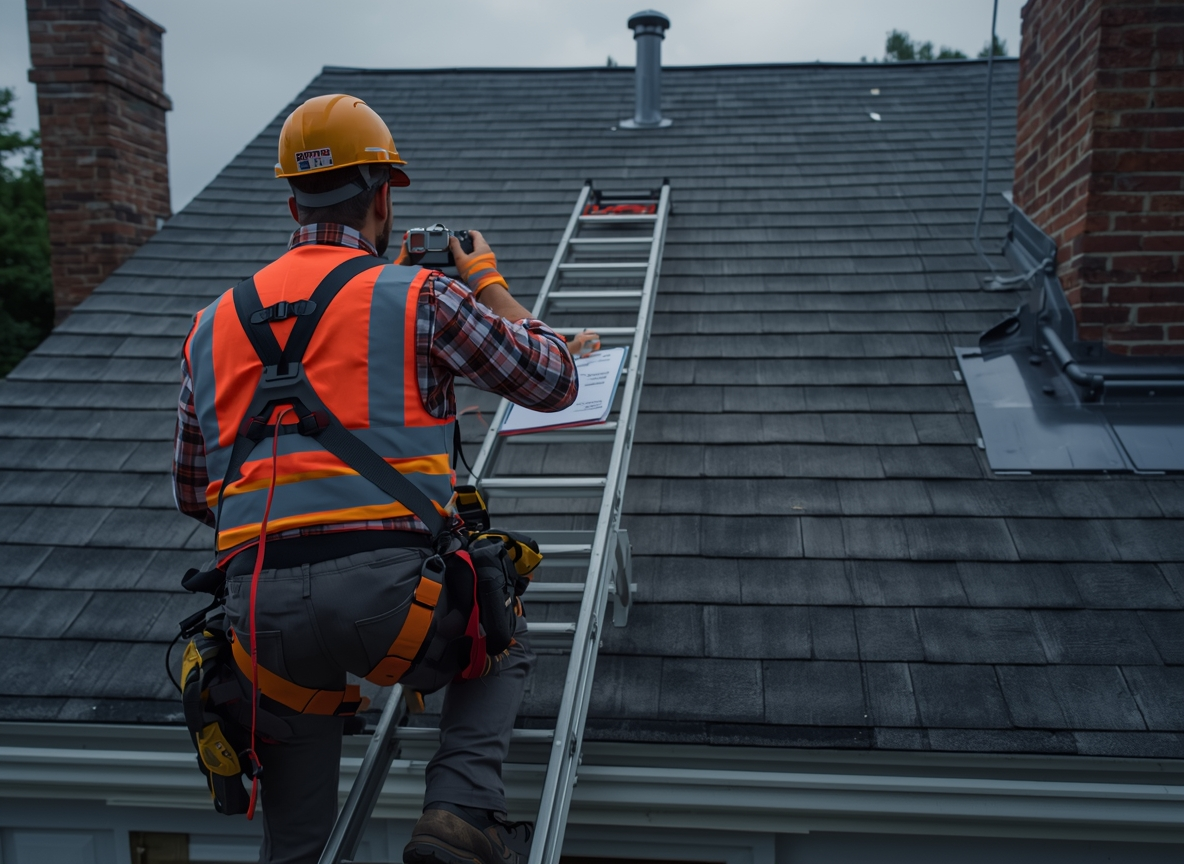
Free Roof Inspection: What to Expect & How to Schedule
A free roof inspection gives homeowners professional evaluation of their roofing system at no upfront cost, helping identify shingle damage, leaks, storm impact, ventilation problems, and structural concerns before small issues become expensive emergencies. Most reputable roofing contractors offer free roof inspection services because early detection saves homeowners thousands in future repair costs while helping spot insurance-covered storm damage that might otherwise go unnoticed.
These comprehensive roofing inspections typically examine shingles, flashing, gutters, attic ventilation, soffits, fascia, and interior ceiling stains, providing detailed reports with photos that homeowners use for maintenance planning or insurance claims. While contractors genuinely offer free roof inspection services to build relationships and demonstrate expertise, homeowners benefit most by understanding exactly what the inspection covers, what red flags indicate urgent problems, and how to evaluate contractor recommendations without pressure. This complete guide explains the free roof inspection process step-by-step, what inspectors actually check, when to schedule yours, common findings across roof ages and types, insurance claim connections, and smart homeowner questions ensuring you get maximum value from the service.
Table of Contents
What is a free roof inspection (and why contractors offer them)
Free roof inspections are comprehensive professional evaluations of residential roofing systems conducted by licensed roofing contractors at no charge to homeowners, designed to identify current damage, predict future problems, assess remaining roof lifespan, and recommend appropriate maintenance or replacement timing.
Why contractors provide free roof inspections
Reputable roofing companies offer free roof inspection services as relationship-building investments rather than “sales gimmicks” early problem identification positions them as trusted advisors while giving homeowners actionable information preventing emergency situations. Contractors like Leverage Roofing, Certified Quality Roofing, and Mighty Dog Roofing emphasize that free roof inspection services help customers avoid costly future repairs through early detection of issues like missing shingles, water damage, or structural problems.
What homeowners gain from free inspections
Homeowners receive detailed written reports (often with photos) documenting roof condition, estimated remaining lifespan, priority repairs, and insurance-relevant storm damage information that’s valuable for budgeting, selling preparation, or filing legitimate insurance claims. Even if no immediate work is needed, the baseline assessment provides valuable future reference showing how roof condition progresses over time.
What a professional free roof inspection covers (complete checklist)
Quality free roof inspection services examine every critical roofing component, from exterior shingles and flashing to interior attic indicators and peripheral systems like gutters that affect roof performance.
Exterior roof surface evaluation
Inspectors check asphalt shingle condition (granule loss, cracking, cupping, missing tabs), metal roof panel alignment and fastener security, tile integrity and mortar condition, and membrane condition on flat/low-slope roofs. They document shingle age and weathering patterns indicating remaining lifespan, since asphalt composition shingles typically last 17-25 years depending on quality, climate exposure, and ventilation.
Flashing and penetration inspection
Flashing around chimneys, plumbing vents, bathroom/kitchen exhaust fans, skylights, and dormers receives close scrutiny because these transitions represent 80% of leak locations inspectors check sealant condition, metal corrosion, loose fasteners, and gaps allowing water entry.
Gutters, downspouts, and drainage
Inspectors evaluate gutter attachment security, rust-through, downspout alignment preventing foundation washout, and fascia/soffit condition since deteriorating wood supports compromise gutter function and allow pest entry.
Attic and ventilation assessment
Interior attic inspection reveals ventilation effectiveness (adequate soffit/ridge venting ratios), insulation levels, signs of condensation or ice dam staining, rafter staining indicating past leaks, and daylight visible through roof sheathing signaling shingle decking failure.
Storm damage documentation
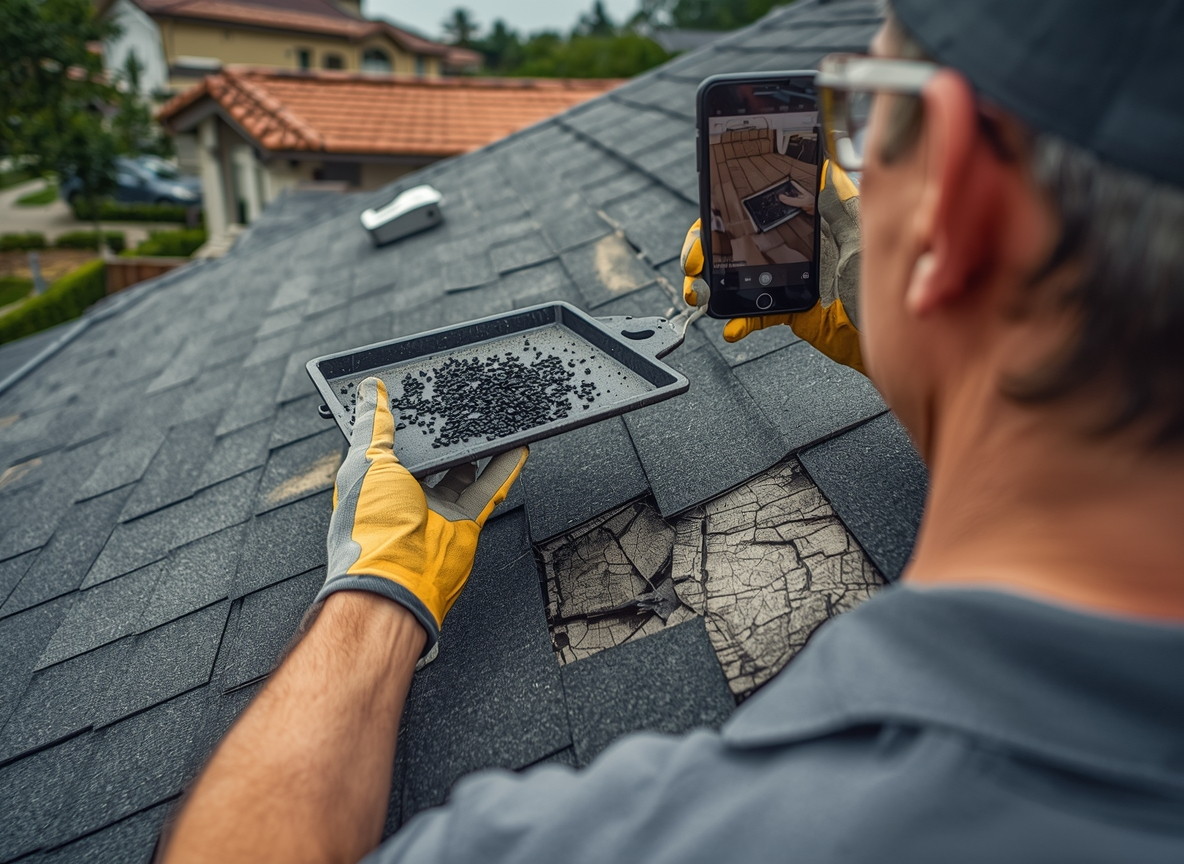
Free roof inspection services excel at identifying hail impact (granule displacement creating bald shingle spots), wind uplift damage (bruised or creased shingles, lifted tabs), fallen branch punctures, and granule loss patterns matching recent storm events documentation critical for insurance claims.
When to schedule your free roof inspection (timing guide)
Timing determines whether your free roof inspection catches problems early or documents damage already causing interior harm.
After major weather events
Schedule free roof inspection immediately after hail storms, high winds (50+ mph), or tornado touchdowns even if no obvious exterior damage appears, granular loss and micro-cracks compromise waterproofing over time. Roofing contractors note wind speeds above 50 mph can lift shingle tabs without visibly breaking them, creating future leak paths.
Before selling your home
Homebuyers expect roofs with 5+ years remaining life a free roof inspection provides objective documentation of remaining lifespan (typically estimated via shingle age, weathering patterns, and attic indicators), preventing buyer objections or renegotiation requests.
Age-based inspection timing
Free roof inspection recommended every 2 years for roofs aged 10-15 years, annually for roofs 15-20 years old, and semi-annually for roofs over 20 years regardless of visible condition—older roofs degrade faster even without obvious exterior signs.
Spring and fall seasonal inspections
Spring inspections catch winter ice dam damage and shingle displacement; fall inspections identify summer storm impacts before freeze cycles exacerbate cracks and gaps.
Red flags found during free roof inspections (urgent problems)
Experienced inspectors immediately flag these conditions requiring action within 30-90 days.
Multiple interior ceiling stains
Two or more ceiling stains in different attic locations indicate systemic leak patterns rather than isolated flashing problems water migrates laterally through sheathing before penetrating ceilings.
Significant granule loss (handful from one square)
Shingles shedding granules by handfuls indicate UV degradation nearing end of service life remaining waterproofing capacity drops rapidly after heavy granule erosion begins.
Curling, cupping, or fishmouthing shingles
Shingles exhibiting upward curling (at edges), cupping (concave surfaces), or fishmouthing (tabs lifting from adhesive seal) signal adhesive failure and ventilation problems allowing moisture cycles to break shingle bonds.
Daylighting through roof deck
Attic daylight visible through ceiling drywall or roof decking indicates shingle underlayment and decking failure emergency condition requiring immediate replacement preventing structural damage.
Ice dam evidence or heavy rafter staining
Dark staining along rafter undersides or ice dam ridges indicate repeated winter leaks warm attic temperatures melt snow which refreezes at eaves creating backup reaching interior spaces.
Free roof inspection process (what happens during your appointment)
Understanding the free roof inspection workflow helps homeowners prepare and set realistic expectations.
Step 1: Exterior visual assessment (20-30 minutes)
Contractor walks roof perimeter noting shingle age patterns, valley condition, ridge cap integrity, flashing appearance, gutter attachment, and chimney/step flashing condition using binoculars for steep sections.
Step 2: Ladder access and detailed roof examination (30-45 minutes)
Close inspection of shingle condition (granule retention, cracking, buckling), flashing seals, penetrations (plumbing vents, turbine vents), satellite dish mounts, and solar equipment attachment points.
Step 3: Attic inspection (15-20 minutes)
Flashlight examination reveals ventilation effectiveness, insulation depth, rafter staining patterns, daylight through decking, condensation evidence, and furnace/AC plenum leaks onto ceiling drywall.
Step 4: Drone inspection (optional, 10-15 minutes)
Mighty Dog Roofing offers drone free roof inspection services capturing detailed imagery comparable year-to-year, particularly valuable for steep roofs or identifying granule loss patterns across large areas.
Step 5: Detailed photo report and recommendations (15-20 minutes)
Inspectors compile digital report with timestamped images of problem areas, estimated remaining roof life (based on shingle age + condition), prioritized repair list with costs, and insurance claim recommendations if applicable.
Free roof inspection and insurance claims (critical connection)
Free roof inspection services excel at storm damage documentation positioning homeowners for successful insurance claims.
Hail damage identification
Inspectors document granule displacement creating “bald” shingle spots, hail “bruises” (indentations visible when backlit), and granule loss patterns matching recent hail events critical evidence insurers require.
Wind damage documentation
Wind-lifted shingle tabs, creased asphalt mats, displaced ridge caps, and granule trails down roof slopes indicate 50-70 mph gust damage often covered by comprehensive homeowner policies.
Claim process support
Many contractors assist filing claims, provide detailed damage reports with photos, communicate directly with adjusters, and offer contingency agreements covering deductible if claim exceeds replacement cost.
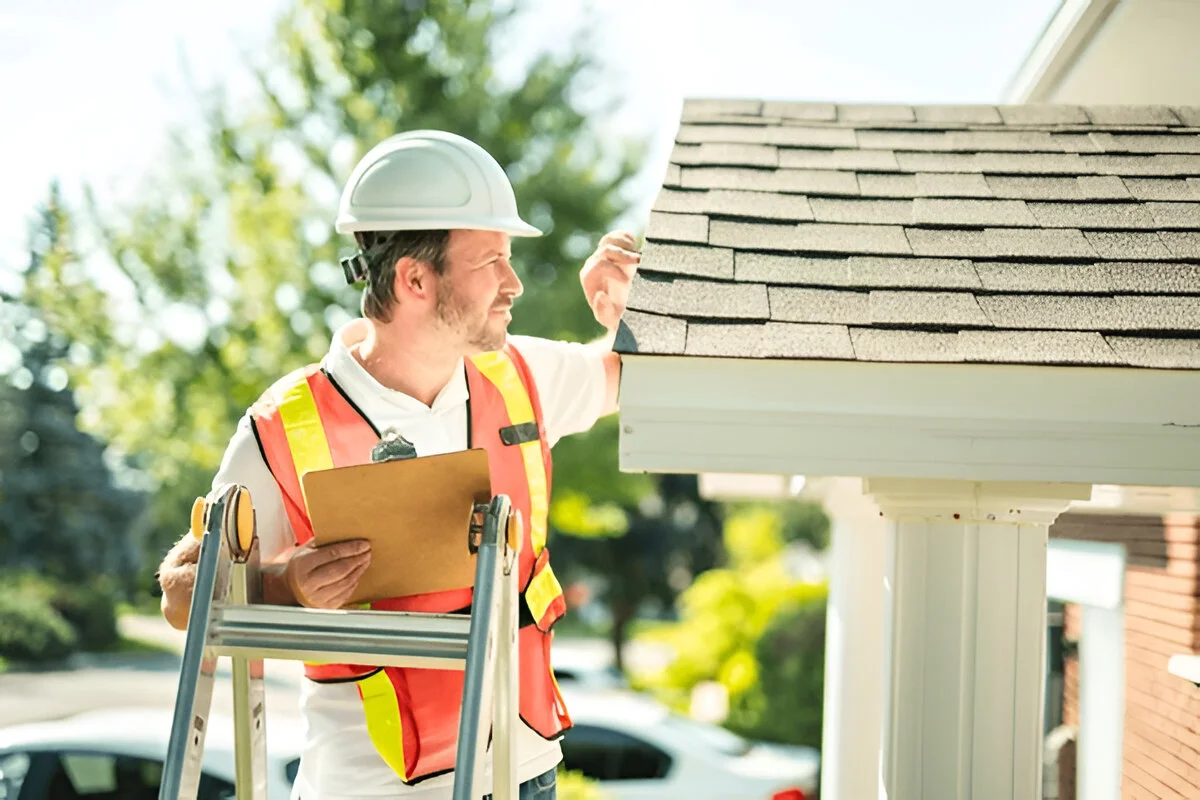
How to choose reputable free roof inspection contractors
Not all free roof inspection offers are equal scammers exploit storm-chasers targeting desperate homeowners.
Verify licensing and insurance
Licensed contractors display state license numbers on websites and trucks; verify active status through state contractor boards. Require proof of general liability insurance ($1M+ minimum) and workers compensation protecting homeowners from injury lawsuits.
Check reviews across platforms
Legitimate contractors maintain consistent 4.5+ star ratings across Google, BBB, Angi, and Yelp with 50+ reviews single-platform dominance or numerous 1-star complaints signal problems.
Demand detailed written reports
Quality inspectors provide timestamped photo reports documenting every issue with location descriptions, severity ratings, and cost estimates verbal “your roof is bad” claims without documentation are worthless.
Avoid high-pressure tactics
Reputable contractors present findings, explain issues, provide repair options with costs, then leave decision to homeowner “sign today or lose your spot” pressure indicates sales focus over service.
Common free roof inspection findings by roof age
Roof age dramatically influences inspection findings and recommendations.
0-10 years: Early warning signs
Minor granule loss at edges/valleys, isolated flashing sealant cracking, occasional lifted shingle tabs, gutter attachment loosening typically inexpensive spot repairs extending life 3-7 years.
10-15 years: Mid-life assessment
Widespread granule erosion, 10-20% shingle deterioration, valley wear exposing underlayment, ventilation compromise, early curling/cupping repair vs replace decision point depending on shingle quality and climate severity.
15-20 years: End-of-life evaluation
Heavy granule loss exposing fiberglass mats, 30-50% shingle failure, multiple ceiling stains, decking rot, ventilation failure replacement usually more economical than extensive repairs.
20+ years: Emergency replacement
End-of-life condition with brittle failed shingles, extensive deck damage, multiple daylight deck penetrations, structural concerns immediate replacement prevents interior catastrophe.
Frequently asked questions about free roof inspections
Are free roof inspections really free?
Yes reputable contractors provide free roof inspection services with no obligation to purchase repairs, using inspections to demonstrate expertise and build trust.
How long does a free roof inspection take?
Typical free roof inspection requires 90-120 minutes total: 20-30 minutes exterior visual, 30-45 minutes ladder roof access, 15-20 minutes attic, 15-20 minutes report compilation.
Will contractors find problems to create sales opportunities?
Quality contractors report honest findings excellent roofs receive “excellent condition, reinspect in 2 years” reports while failing roofs get accurate damage documentation.
Can free roof inspections help with insurance claims?
Absolutely free roof inspection services excel at storm damage documentation (hail granule loss, wind creasing, shingle displacement) providing insurers required evidence.
How often should I get free roof inspections?
Every 2 years for 10-15 year roofs, annually for 15-20 year roofs, semi-annually for 20+ year roofs, plus immediately after major hail/wind storms.
Do I need to be home during the inspection?
Many contractors conduct free roof inspection services without homeowner presence using keys/lockbox access, though being present allows real-time questions.
What if my roof is fine do I still get a report?
Yes quality inspections provide detailed condition reports even for excellent roofs, establishing baseline documentation valuable for future sales or disputes.
Get free roofing advice, cost guides, and seasonal maintenance tips.

Roofing content specialist with 5+ years researching U.S. residential and commercial roofing. Has documented 200+ projects covering installation costs, material selection, contractor vetting, and DIY guides for homeowners across all climate zones.
Leave A Comment