
Composite Roof Repair: Emergency Guide & What to Do
Composite roof repair becomes urgent when storm damage, falling debris, or sudden leaks threaten your home’s interior, requiring immediate temporary fixes followed by professional assessment to determine whether spot repairs or full replacement make financial sense. Emergency situations demand swift action covering damaged areas with tarps to prevent water ingress, securing the edges against wind, and contacting emergency roofing services that respond 24/7 to protect your property.
Most composite roof repair projects cost between $780 and $2,080, with an average of $1,150, though minor fixes may run as low as $400 while extensive structural damage can exceed $3,000. This guide covers emergency response steps, temporary stabilization techniques, repair vs replacement decisions, and what to expect when you call professionals for composite roof repair after disaster strikes.
Table of Contents
What is composite roofing and why emergency repair matters
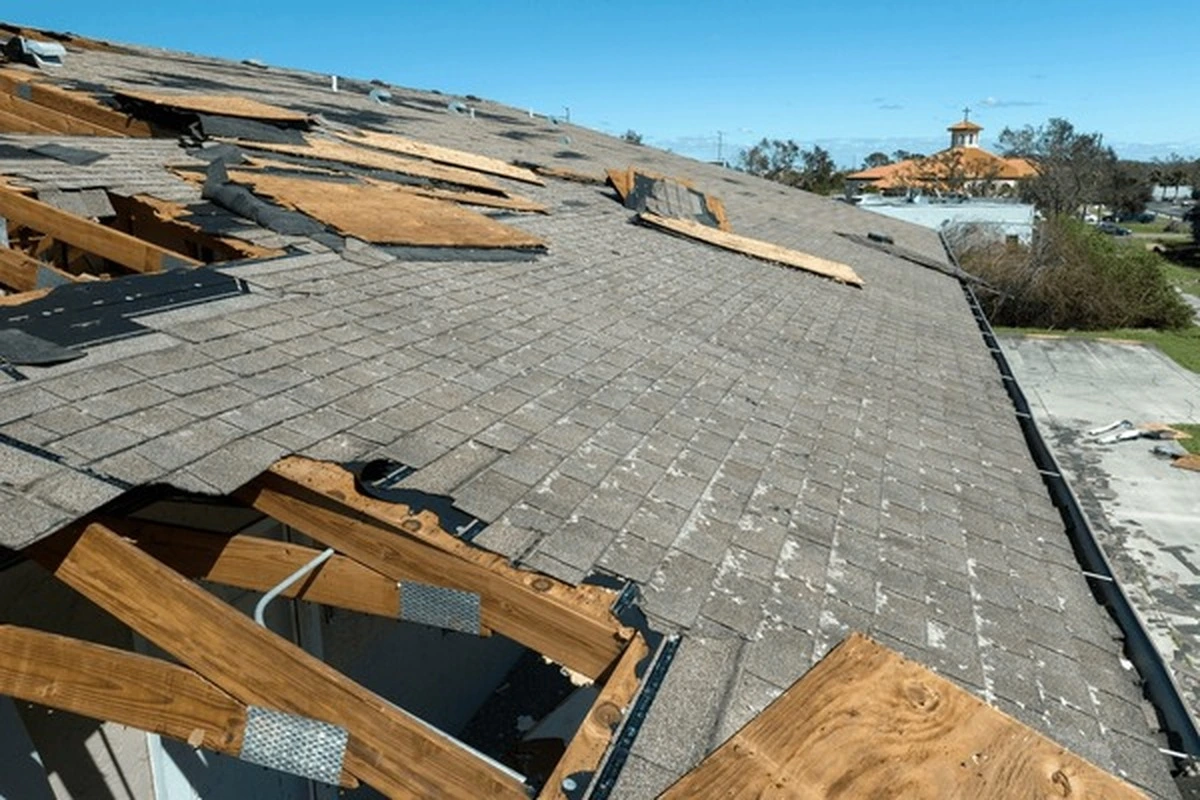
Composite roofing (also called composition shingles or asphalt-fiberglass shingles) is the most common residential roofing material in North America, made from a fiberglass mat coated with asphalt and topped with protective granules. This roofing system comes in three main types: basic 3-tab ($4–$7 per square foot for repairs), architectural/dimensional ($6–$10 per square foot), and premium specialty finishes ($8–$12 per square foot).
Emergency composite roof repair matters because composite shingles, while durable, can fail suddenly from wind uplift, hail impact, falling branches, or age-related brittleness—and once the protective barrier is breached, water enters the home quickly. Addressing emergency roof repair promptly prevents further damage to property, with temporary fixes mitigating immediate issues until professional help arrives.
Signs you need emergency composite roof repair
Recognizing when your composite roof needs immediate attention helps homeowners respond before minor damage becomes catastrophic.
Active water leaks during or after storms

Water dripping through ceilings or staining interior walls during rain indicates your composite roof’s protective barrier has failed and emergency action is required. Locate the affected area and contain interior water damage while arranging professional assessment.
Missing or severely damaged shingles
Shingles scattered in your yard after windstorms, or visible gaps on the roof where composite material has torn away, expose underlayment and decking to weather. Damage to shingles and flashing can lead to water leaks in the next storm if not correctly addressed.
Structural sagging or visible deformation
Sagging sections, dips in the roofline, or bowing indicate serious structural damage that poses immediate risk and requires professional emergency services. Fire-related damage is another category that demands fast intervention, as even small fires can weaken roof structures enough to risk collapse.
Storm or impact damage
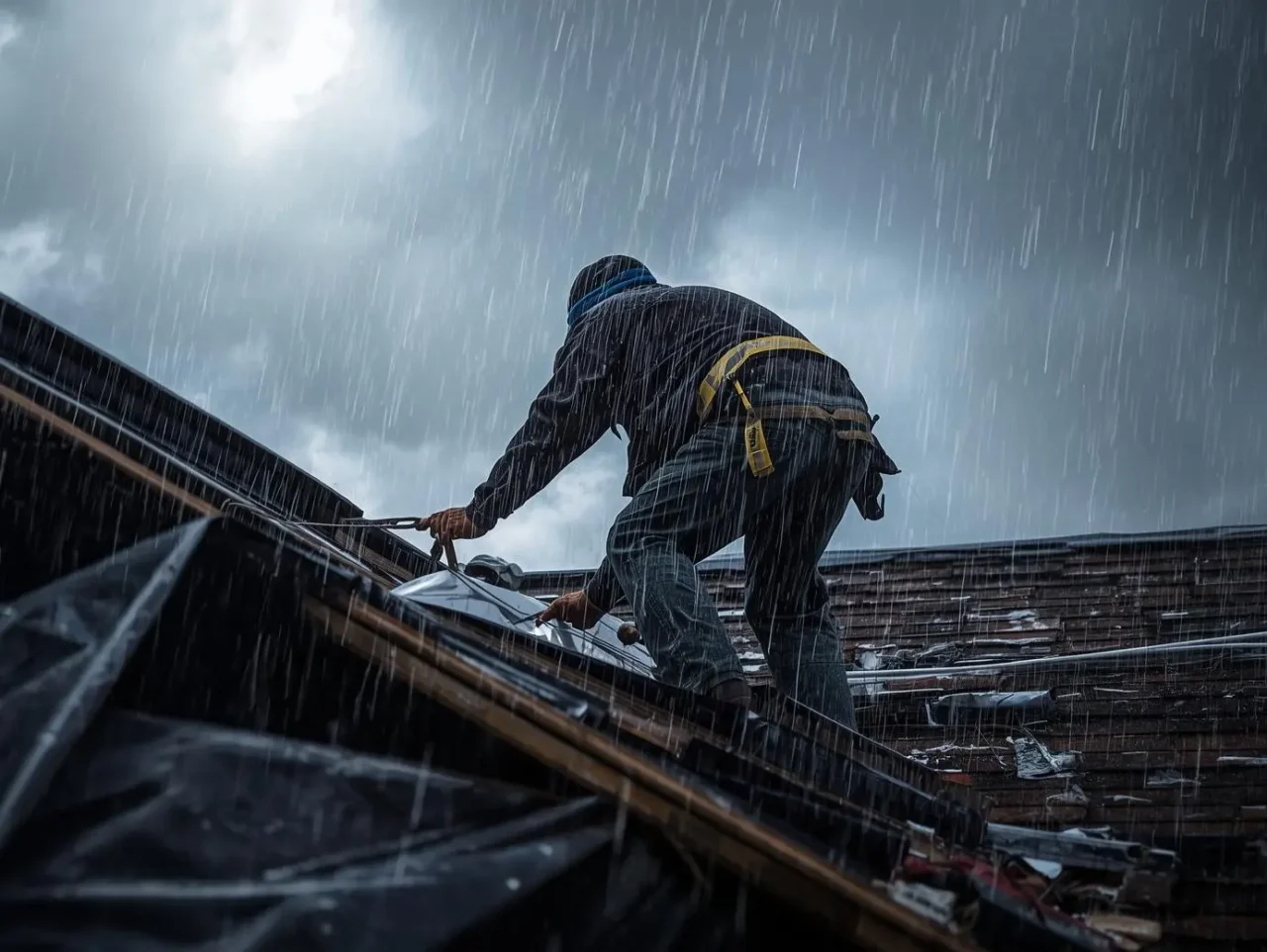
Fallen tree limbs, hail strikes, or debris impact can crack, puncture, or dislodge composite shingles even when no immediate leak is visible. If your roof damage is severe and poses immediate threat to your home, professionals will take quick action to stabilize it.
Immediate emergency response steps
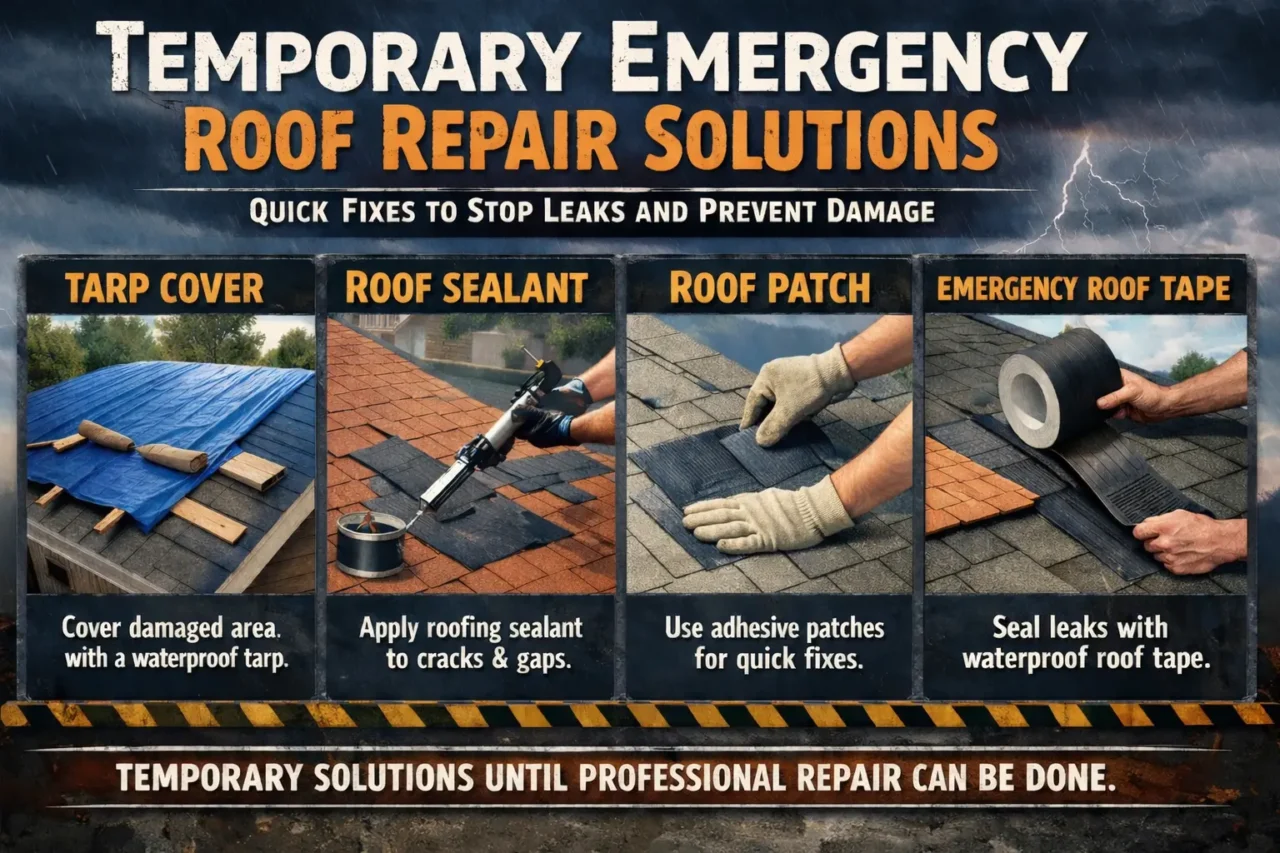
When you discover your composite roof needs emergency repair, taking proper immediate steps minimizes damage while you arrange professional help.
Step 1: Ensure safety first
Before attempting any assessment or temporary fixes, prioritize personal safety by avoiding damaged roof areas during storms, staying clear of power lines, and never walking on structurally compromised sections. When structural damage is evident, prioritize safety by evaluating roof stability and consulting a professional before attempting repairs.
Step 2: Assess the damage extent
Inspect the affected area from ground level or safe vantage points to determine the scale of damage, which will guide the repair process. Document all visible damage with photographs and video for insurance claims.
Step 3: Contain interior water damage
Move furniture and valuables away from active leak areas, place buckets under drips, and use towels or tarps to protect flooring from water. This immediate containment prevents secondary damage to interior finishes and belongings.
Step 4: Apply emergency covering if safe
In emergencies, swiftly cover affected areas with tarps or heavy-duty plastic to prevent further water ingress, securing edges to avoid wind displacement and ensuring adequate drainage. Deploy tarps or heavy-duty plastic covers to provide a quick, effective barrier against water ingress, securing them firmly to prevent wind displacement.
Step 5: Contact emergency roofing services
It is crucial to contact emergency roofing services, as these professionals are equipped to handle such situations efficiently—emergency roof repair services are available 24 hours a day, ensuring immediate help is available to protect roof integrity. Contact a reputable roofing company that provides emergency roof services for professional assessment and permanent solutions.
Temporary fixes for composite roof damage
Temporary measures protect your home until professional composite roof repair can be scheduled, but should never replace permanent solutions.
Emergency tarping technique

Using tarps or heavy-duty plastic covers provides quick protection for damaged composite roofs, though proper installation is critical. Secure tarps firmly to prevent wind displacement, extend coverage beyond damaged areas by at least 3-4 feet, and ensure water can drain off rather than pool.
Waterproof sealant for small cracks
Use waterproof sealant for immediate temporary fixes on small cracks or splits in composite shingles. Apply roofing cement to fill in cracks and to curled edges of the roof. This works only for minor damage—extensive cracking requires professional replacement.
Quick shingle replacement for limited damage

For broken shingles, pry out nails and pull out damaged material, then cut notches in new shingles to match nail tears in old ones, place new shingles in position, and secure with nails. When changing shingles, aim to match shingle thickness to achieve a fairly even surface.
When temporary fixes aren’t enough
If roof damage is severe and poses immediate threat, professionals will take quick action to stabilize it using high-quality, professional-grade materials to secure damaged areas and prevent further harm from weather or debris. Temporary stabilization ensures property and family safety while reducing risk of additional damage as you prepare for permanent repairs.
Professional emergency roof repair services
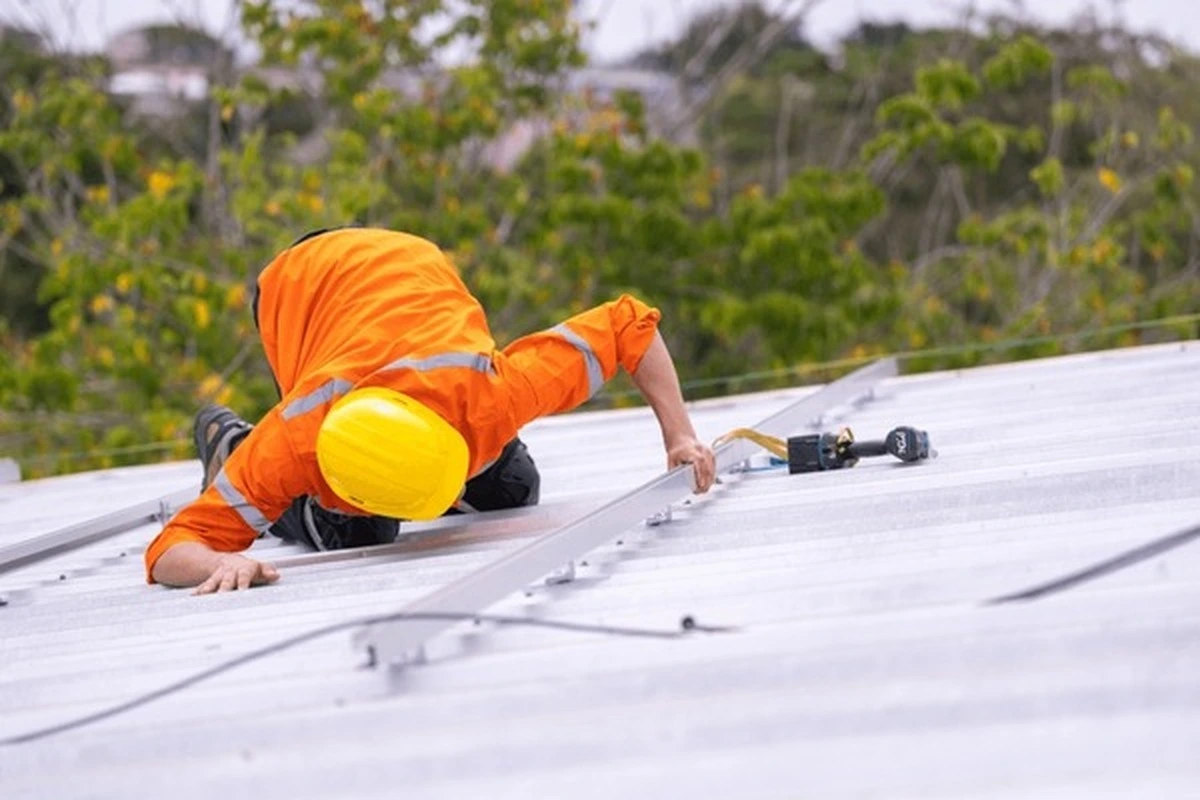
Understanding what emergency roofing professionals provide helps homeowners know what to expect when calling for composite roof repair after disaster strikes.
24/7 emergency response
Professional services offer immediate response to emergency calls at any hour, with rapid deployment to assess damage and implement protective measures.
Temporary protective measures
Contractors install tarps or other temporary materials to prevent further damage while permanent repairs are arranged. Using high-quality, professional-grade materials, they secure damaged areas to prevent further harm.
Comprehensive damage assessment
Detailed evaluation identifies all affected areas and determines damage extent, guiding repair recommendations. Roofing contractors assess damage and recommend more permanent solutions, ultimately fixing the roof to safeguard buildings from future leaks and weather-related vulnerabilities.
Permanent repair execution
Skilled execution of necessary repairs ranges from replacing shingles to fixing structural damage, ensuring roof integrity and longevity are restored. After taking necessary precautions, contacting a commercial roofing expert ensures faster repair timelines.
Composite roof repair costs by type (2025-2026 data)

Composite roof repair costs vary significantly based on damage type, materials used, and labor requirements.
Average cost ranges
Most composite roof repairs cost between $780 and $2,080, with most homeowners paying an average of $1,150. Minor repairs may cost as little as $400, while extensive damage can exceed $3,000. The average cost to repair a roof in 2025 is $1,147, but it can range from $350 to $2,500 depending on damage severity and materials.
Cost by repair type
Cost by composite roof type
Factors affecting composite roof repair cost
Main cost drivers are repair type, roof size, labor rates, and quality of composite shingles used. Labor costs $50 to $150 per hour and ensures warranty compliance, safety, and durable results. Material quality, color, and finish affect costs—standard composite shingles are more affordable, while premium or specialty finishes cost more, and matching existing shingles can increase costs if original style or color is discontinued.
Repair vs replacement decision guide
Determining whether to repair or replace your composite roof after emergency damage involves evaluating age, damage extent, and cost thresholds.
When composite roof repair makes sense
Repair is the smart choice when damage is isolated to a small area, your roof is under 15 years old with significant life remaining, and repair costs are under 30% of full replacement cost. Minor shingle replacement for wind damage or limited leak repairs extend roof life without major investment.
When full replacement is better
If your composite roof is 20+ years old approaching typical lifespan, has widespread damage across multiple areas, or shows signs of systemic failure (curling, granule loss, repeated leaks), replacement may be more cost-effective long-term. Calculate the repair-to-replacement cost ratio—if repair exceeds 50% of replacement cost, new roofing usually makes better financial sense.
Emergency damage assessment
Roofing contractors can assess damage and recommend more permanent solutions, collaborating with you to plan thorough repairs that address all structural damage effectively. Once immediate threat is mitigated, professionals help determine whether repair or replacement provides better value.
DIY vs professional composite roof repair
Understanding when DIY is appropriate versus when professionals are necessary helps homeowners make safe, cost-effective decisions.
DIY composite roof repair considerations
It’s better to repair and replace broken shingles on warm days so shingles are more flexible and able to lift and bend with ease. If it’s freezing outside, a propane torch can warm them up. Replace shingles from bottom up, with the top row going under ridge cap, nailing each 3-tab shingle to the printed line with 4-8 nails.
DIY vs professional cost comparison
| Repair Type | DIY Materials Cost | Pro Labor + Materials |
|---|---|---|
| Shingle Replacement | $100–$200 | $300–$600 |
| Flashing Repair | $50–$100 | $300–$500 |
| Leak Patching | $80–$150 | $450–$1,000 |
When to call professionals
Emergency situations, structural damage, widespread failures, and situations requiring warranty compliance all demand professional expertise. Professionals have equipment, safety systems, and experience to handle complex repairs that pose serious risk to DIYers. Emergency roofing services are equipped to handle urgent situations efficiently, providing 24-hour availability.
Preventing future composite roof emergencies
Regular maintenance and inspections are key to avoiding roofing emergencies and extending composite roof lifespan.
Routine maintenance practices
Regular maintenance such as gutter cleaning and replacing damaged shingles can prevent future crises. Schedule annual professional inspections to catch minor issues before they become emergencies.
Proactive repairs
Address small problems like cracked or curling shingles promptly before they expand into leak-prone failures. Use roofing cement to fill in cracks and apply it to curled edges before they tear away.
Professional assessment value
Consult a professional roofing service promptly for thorough assessment and durable repairs—their expert intervention can drastically reduce risk of recurring issues.
FAQ
How much does composite roof repair cost?
Most composite roof repairs cost between $780 and $2,080, with an average of $1,150. Minor repairs may cost as little as $400, while extensive damage can exceed $3,000.
What should I do immediately when my composite roof is damaged?
Swiftly cover affected areas with tarps or heavy-duty plastic to prevent water ingress, secure edges against wind, contain interior damage, and contact emergency roofing services available 24/7.
Can I repair composite shingles myself?
Minor repairs like replacing a few damaged shingles can be DIY-friendly on warm days when shingles are flexible, but emergency situations and structural damage require professional help.
When is composite roof repair an emergency?
Active leaks, missing shingles after storms, structural sagging, fire damage, or severe impact damage all constitute emergencies requiring immediate professional response.
Should I repair or replace my damaged composite roof?
Repair makes sense for isolated damage on roofs under 15 years old when costs are under 30% of replacement; replace if the roof is 20+ years old, has widespread damage, or repair exceeds 50% of replacement cost.
Get free roofing advice, cost guides, and seasonal maintenance tips.
Roofing content specialist with 5+ years researching U.S. residential and commercial roofing. Has documented 200+ projects covering installation costs, material selection, contractor vetting, and DIY guides for homeowners across all climate zones.
Leave A Comment