Cost of Steel Roof Versus Shingles: 7 Essential Comparisons for an Easy Decision
Cost of Steel Roof Versus Shingles: 7 Essential Comparisons for an Easy Decision
The cost of steel roof versus shingles is one of the first questions every homeowner asks when planning a new roof. You want a durable, attractive roof that fits your budget. But the upfront price tag is only part of the story. The real question is which option saves you more money over time. Choosing between steel roofing and asphalt shingles is a major financial decision. Your roof protects everything you own. A wrong choice can lead to unexpected repairs, higher energy bills, and early replacement. This guide breaks down the total cost picture so you can make an informed choice with confidence. In this article, you will learn the upfront costs, long-term value, lifespan differences, maintenance needs, and energy savings of each material. We also cover installation factors, climate considerations, and home value impact. By the end, you will know exactly which roof fits your home and your budget. The cost of steel roof versus shingles becomes clear when you look at the full picture.
Key Takeaways
Steel roofs cost 3 to 5 times more upfront than asphalt shingles but last 2 to 3 times longer.
Asphalt shingles have a lower initial price but require replacement sooner, often within 15 to 20 years.
Steel roofing can lower energy bills and increase home resale value, offsetting its higher initial investment over time.
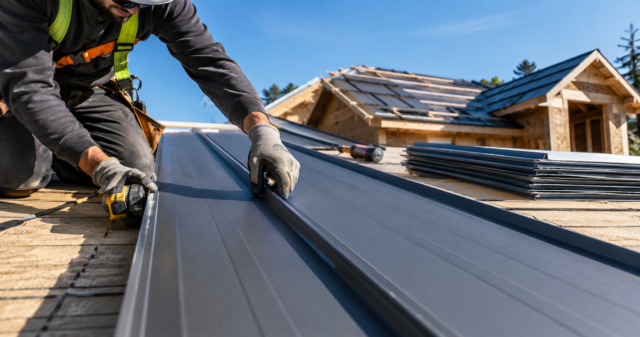
Steel roof installation – labor rates and panel prices
Upfront Cost Comparison: Steel vs Asphalt Shingles
The cost of steel roof versus shingles starts with the initial installation price. Steel roofing typically costs between $6 and $12 per square foot installed. Asphalt shingles range from $3 to $5 per square foot installed. That makes steel roughly 2 to 3 times more expensive upfront. For a typical 2,000-square-foot home, a steel roof may cost $12,000 to $24,000 installed. An asphalt shingle roof for the same home runs about $6,000 to $10,000. The difference is significant at the time of purchase. Many homeowners choose shingles specifically because of this lower entry price. However, the cost of steel roof versus shingles includes more than just the installation bill. Material quality, gauge thickness, and coating type all affect steel pricing. Shingle quality also varies. Premium architectural shingles cost more than basic three-tab shingles. Your final quote depends on your roof’s complexity, pitch, and local labor rates.
Understanding the true upfront cost of steel roof versus shingles
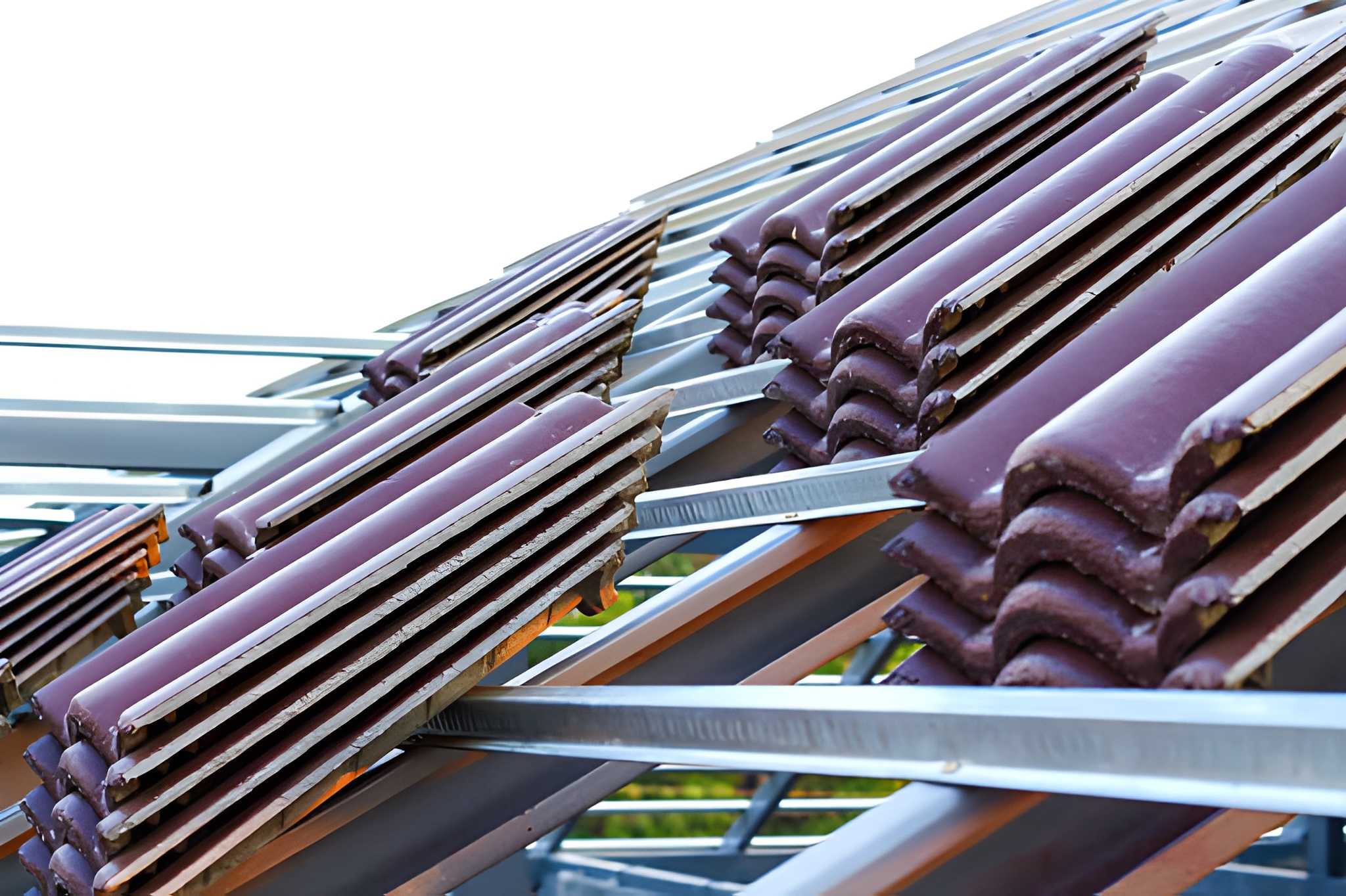
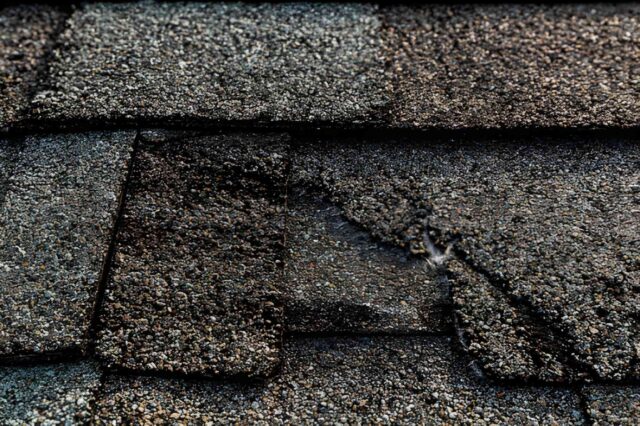
When you get quotes, ask for a detailed breakdown. Steel roofing includes panels, fasteners, underlayment, and trim. Shingle quotes include shingles, underlayment, flashing, and starter strips. Both may require old roof removal, which adds $1 to $2 per square foot. Always compare apples to apples when reviewing estimates. Many roofing contractors offer financing options for both materials. A steel roof may qualify for energy-efficiency incentives in some regions. Check with local utilities and tax credits. These can reduce the effective cost of steel roof versus shingles and make steel more affordable than its sticker price suggests.Asphalt shingle wear shorter lifespan means higher long term cost
Long-Term Value: Which Roof Saves You More?
Long-term value reverses the initial cost of steel roof versus shingles. While steel costs more to install, it lasts much longer. A standing seam steel roof can last 40 to 60 years. Asphalt shingles typically last 15 to 20 years with proper maintenance. That means you may replace shingles two or three times during the life of one steel roof. If you replace shingles three times over 60 years, your total cost could reach $18,000 to $30,000 for a 2,000-square-foot home. A single steel roof installation at $18,000 may actually be cheaper in the long run. This is the most important insight in the cost of steel roof versus shingles debate. Pay more once or pay less several times. Steel roofs also have lower annualized costs. Divide the total installation cost by the expected lifespan. Steel often comes out ahead. Many homeowners find that the cost of steel roof versus shingles favors steel when you factor in replacement cycles. You also avoid the hassle and disruption of multiple roofing projects. One homeowner noted: “I paid twice as much for my steel roof as my neighbor paid for shingles. But twenty years later, my roof still looks new while he’s saving for his second replacement. The math is simple if you plan to stay in your home.”
Lifespan and Durability: Steel vs Asphalt Shingles
Steel roofs last 40 to 60 years with minimal maintenance. Asphalt shingles last 15 to 20 years on average. This lifespan gap is the single biggest factor in the total cost of steel roof versus shingles. A longer lifespan means fewer replacements, less waste, and lower lifetime cost. Steel roofing is highly durable against extreme weather. It resists wind gusts up to 120 miles per hour or more. It does not crack, warp, or rot like other materials. Steel also sheds snow and ice more easily, reducing the risk of ice dams. Shingles can blow off in high winds and may crack under heavy hail. Shingles are more vulnerable to moss and algae growth in humid climates. Steel’s smooth surface discourages organic growth. Steel is also fire-resistant, which can lower your homeowner’s insurance premium. When evaluating the cost of steel roof versus shingles, durability often justifies the higher upfront investment.
How lifespan changes the cost of steel roof versus shingles
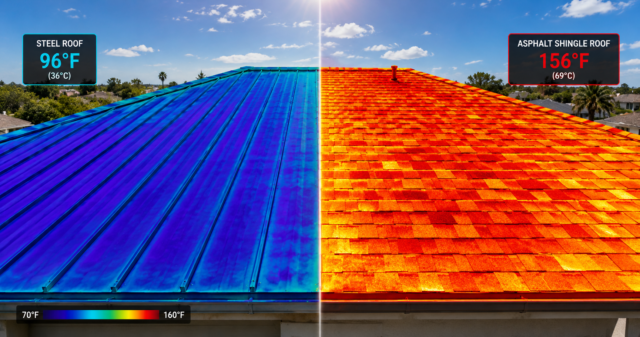
A 30-year shingle roof is a common marketing term, but most asphalt shingles need replacement by year 20. Steel roofs regularly exceed their 40-year warranties. If you plan to stay in your home for more than 15 years, steel’s longevity becomes a major financial advantage. The cost of steel roof versus shingles narrows significantly with each passing decade. Steel roofs also hold up better against falling branches and heavy foot traffic during maintenance. Their durability means fewer emergency repairs. This reliability adds peace of mind that is hard to quantify but matters to many homeowners. A roof that lasts decades without trouble is worth considering.Steel roofs reflect heat lower cooling costs in summer
Maintenance and Repair Costs Over Time
Steel roofs require very little maintenance over their lifespan. An annual visual inspection and occasional debris removal are usually enough. Shingles need more frequent attention. Missing, curled, or cracked shingles must be replaced promptly to prevent leaks. These small repairs add up over time. Repair costs are another dimension of the cost of steel roof versus shingles. Shingle repairs are inexpensive per visit. A single shingle replacement costs $100 to $200. But if you need repairs every few years, the total adds up. Steel roof repairs are rare but cost more when needed. A damaged steel panel may cost $300 to $600 to replace. Steel roofs are less prone to leaks because they have fewer seams. Standing seam panels have hidden fasteners that reduce penetration points. Shingle roofs have many exposed nails and overlapping seams that can fail. Over 30 years, the cumulative cost of steel roof versus shingles for maintenance often favors steel due to fewer incidents. “I’ve had my steel roof for 18 years and have spent zero on repairs. My neighbor with shingles has paid for three separate repairs in the same period. That alone covers a big chunk of the price difference.” — Homeowner in Colorado
Energy Efficiency: Can a Steel Roof Lower Your Bills?
Steel roofs can reduce your cooling costs by 10 to 25 percent. This energy savings directly affects the total cost oelk shinglef steel roof versus shingles. Steel reflects solar heat rather than absorbing it. Asphalt shingles absorb heat and transfer it into your attic, making your air conditioner work harder. Cool roofing technology has advanced significantly. Many steel panels now come with reflective coatings that meet ENERGY STAR requirements. These coatings can lower your attic temperature by 10 to 20 degrees Fahrenheit on hot days. The result is lower electricity bills during summer months. In colder climates, steel roofs paired with proper insulation perform well. Some homeowners worry about heat loss through metal, but the insulation layer beneath the roof is what matters. Modern attic insulation standards eliminate this concern entirely. The energy benefit of steel is strongest in warm climates but helpful everywhere. When calculating the cost of steel roof versus shingles, include potential energy savings over 20 years. A 15 percent reduction in cooling costs can save hundreds of dollars annually. These savings help offset the higher initial installation price. Some utility companies also offer rebates for cool metal roofs. Shingles generally offer lower energy efficiency. Dark-colored shingles absorb more heat, increasing cooling demand. Light-colored shingles help somewhat but still underperform compared to reflective steel. For energy-conscious homeowners, this is a key differentiator in the cost of steel roof versus shingles analysis.
Home Value and Resale Impact
A steel roof can increase your home’s resale value by 1 to 6 percent. Real estate studies show that buyers are willing to pay a premium for a durable, low-maintenance roof. The cost of steel roof versus shingles becomes an investment when you sell. A steel roof is a strong selling point that sets your home apart. Shingle roofs, particularly older ones, can be a negotiation drawback. Buyers often ask for a credit or price reduction if the shingle roof is near the end of its life. Steel roofs, even at 15 or 20 years old, still have decades of life remaining. This reduces buyer hesitation and can help your home sell faster. Real estate agents frequently highlight steel roofs in listings. The words “steel roof” carry a premium perception. Buyers associate them with quality, durability, and lower future costs. While the cost of steel roof versus shingles may favor shingles on price, steel often wins on perceived value during a home sale.
Installation Considerations for Steel and Shingle Roofs
Steel roof installation requires specialized skills and tools. Not all roofing contractors have experience with metal panels. Improper installation can void warranties and cause leaks. When evaluating the cost of steel roof versus shingles, factor in the importance of hiring a qualified installer. This may limit your options in some areas. Shingle installation is more straightforward and more contractors are available. This competition keeps labor costs lower. A shingle roof installation typically takes 1 to 3 days for an average home. Steel roof installation may take 2 to 5 days depending on complexity. Longer labor time contributes to the higher cost of steel roof versus shingles. Steel panels are manufactured to exact measurements for your roof. This custom fabrication reduces waste but requires precise measurements. Shingles come in standard bundles and are cut on-site, which creates more waste. Steel is also lighter than many other roofing materials, which can reduce structural load requirements. Some homeowners worry about noise from a steel roof during rain or hail. Modern steel roofs include solid decking and insulation that significantly dampen sound. With proper installation, the noise difference between steel and shingles is minimal. Do not let this concern sway your cost of steel roof versus shingles decision without experiencing it firsthand.
Climate and Location: Which Roof Performs Best?
Your local climate plays a major role in the cost of steel roof versus shingles. Steel roofs excel in areas with heavy snow, high winds, or wildfire risk. Shingles perform adequately in moderate climates with mild weather. Matching the roof to your environment maximizes its value and lifespan. In snow-prone regions, steel’s smooth surface allows snow to slide off naturally. This prevents heavy snow accumulation and reduces the risk of roof collapse. Shingles can trap snow and ice, leading to ice dams that cause water damage. The cost of steel roof versus shingles in snowy areas often favors steel for safety alone. In hot, sunny climates, steel’s reflective properties reduce cooling costs. Shingles absorb heat and can shorten their own lifespan through thermal degradation. In coastal areas, steel with aluminum-zinc coating resists salt corrosion. Shingles in coastal regions may suffer from wind damage and moisture-related issues. In mild climates with moderate temperatures and low severe weather risk, shingles remain a cost-effective choice. The cost of steel roof versus shingles gap narrows in these regions because shingles last longer without extreme weather stress. Evaluate your local weather patterns honestly before deciding.
Frequently Asked Questions
Is the cost of steel roof versus shingles worth it for a starter home?
For a starter home you may sell within 5 to 10 years, shingles are usually more practical. The resale value of steel is harder to recoup in a shorter timeframe. Buyers in lower price ranges may not pay a premium for steel. Focus on the upfront cost of steel roof versus shingles if you plan to move soon.
Does a steel roof make noise during rain?
Modern steel roofs with solid decking and insulation are not significantly louder than shingle roofs. The sound difference is minimal and often unnoticeable inside the home. Ask your contractor about sound-deadening underlayment if you are concerned about the cost of steel roof versus shingles decision related to noise.
Can you install a steel roof over existing shingles?
In some cases, yes. But removing old shingles is generally recommended for proper installation and warranty compliance. Installing over shingles may hide underlying damage. The cost of steel roof versus shingles should include tear-off fees in your estimate for an accurate comparison.
Do steel roofs dent from hail?
Steel roofs can dent from large hail, but the damage is usually cosmetic rather than functional. Many steel panels carry hail resistance ratings. Shingles can also crack or lose granules from hail impact. Check your local hail risk when weighing the cost of steel roof versus shingles.
Which roof type is better for the environment?
Steel roofs are highly recyclable and often contain recycled content. Shingle roofs generate significant landfill waste during replacement. The longer lifespan of steel also means fewer materials consumed over time. Environmental impact is another angle of the cost of steel roof versus shingles to consider.
Can I finance a steel roof to manage the higher upfront cost?
Yes, many roofing companies offer financing plans. Some energy-efficient loans and home improvement programs also cover steel roofs. Spreading payments over time makes the cost of steel roof versus shingles more manageable while still gaining steel’s long-term benefits.
Conclusion: Making the Right Choice for Your Home
The cost of steel roof versus shingles depends on your priorities, budget, and timeline. If you plan to stay in your home for 15 years or more, steel offers better long-term value, lower lifetime cost, and fewer headaches. If you need the lowest possible upfront price and plan to move soon, shingles remain a practical choice. Think about your climate, energy goals, and willingness to maintain your roof. Steel roofs excel in durability, energy efficiency, and resale value. Shingles win on initial affordability. There is no single right answer for every home. The best choice matches your financial situation and lifestyle needs. Review the cost of steel roof versus shingles with a trusted local contractor who installs both materials. Get itemized quotes and ask about warranties for each option. Compare not just the price today but the total cost over the time you plan to own your home. That complete picture will guide you to the right decision. If you are exploring shingle options, check our guide on Elk roofing shingles colors to find the perfect look for your home. For more information on cool roofing benefits, visit the U.S. Department of Energy’s cool roof guide. For additional comparisons, see steel roofing vs shingles on Family Handyman.
Plan Your Roofing Project
Use our free calculator to estimate costs, then connect with trusted roofing experts for a fast, honest quote.