Cedar Shake Roof Replacement Cost in 2026: Real Pricing Guide
Cedar shake roof cost in 2026 usually falls between $6 and $12 per square foot installed, which puts many full replacements in roughly the $12,000 to $24,000 range for a 2,000 square foot home, with premium hand-split or fire-treated products costing more. That makes cedar one of the more expensive residential roofing materials compared with standard asphalt shingles, but homeowners still choose it for its natural appearance, insulation value, and long service life when properly maintained.
If you are pricing a replacement right now, the real question is not just how much cedar costs per square foot. You also need to account for shake grade, roof complexity, tear-off labor, fire treatment, ventilation, maintenance needs, and even insurance limitations in some areas, because all of these can change the final quote significantly.
Quick Answer
Cedar shake roof replacement in 2026 typically costs $6–$12 per square foot installed, or about $12,000–$24,000 for a 2,000 square foot home, before major repairs or premium upgrades. Most cedar shake roofs last around 30–50 years with proper maintenance, but maintenance, moisture exposure, and regional fire or insurance issues can materially affect long-term value.
Cedar Shake Roof Cost in 2026
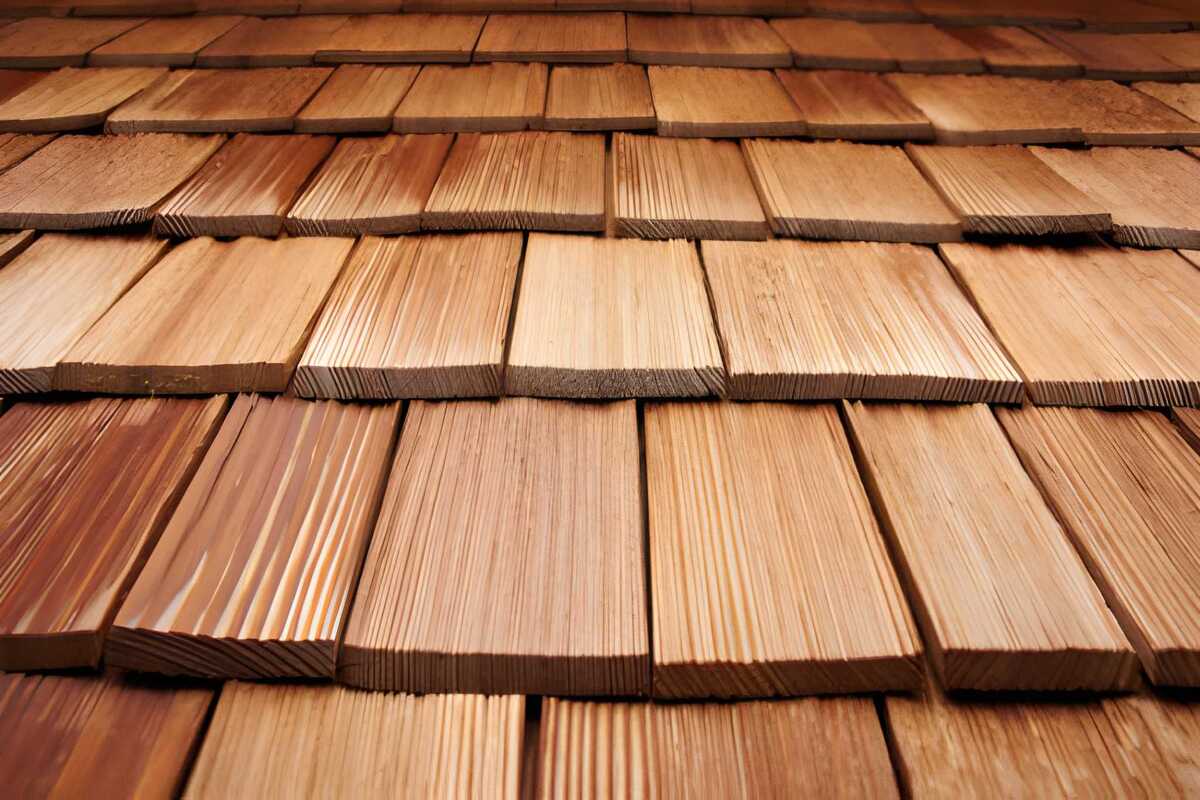
For most homeowners, cedar shake roof cost starts with the type of product being installed. Current 2026 pricing guides commonly place cedar shingles at about $6–$8 per square foot installed, machine-split shakes around $8–$10, hand-split shakes around $10–$12, and fire-retardant pressure-treated shakes at roughly $1–$2 more per square foot. That spread matters because two homes with similar square footage can end up thousands of dollars apart depending on whether the owner chooses a smoother shingle look or a thicker, more rustic hand-split shake profile.
Cedar also behaves differently from commodity roofing materials. Asphalt pricing is usually more standardized from quote to quote, but cedar replacement costs can jump quickly if your contractor finds moisture damage beneath the old roof, poor airflow in the attic, or flashing details that need to be rebuilt rather than reused. Regular maintenance is also part of the cedar ownership equation, which means the cheapest installation quote is not always the cheapest roof over time.
Cedar Shake Roof Cost by Type
These installed ranges are the most practical starting point when estimating cedar shake roof cost in 2026.
| Cedar Roof Type | Installed Cost per Sq Ft | Notes |
|---|---|---|
| Cedar shingles | $6–$8 | Machine-cut, thinner, smoother appearance |
| Machine-split shakes | $8–$10 | More texture, mid-range cedar option |
| Hand-split shakes | $10–$12 | Thicker, premium rustic look |
| Pressure-treated cedar shakes | Add $1–$2 | Fire-retardant treatment increases cost |
If appearance is your top priority, hand-split shakes usually sit at the premium end because they create the deepest shadow lines and the most traditional cedar character. If budget matters more, cedar shingles usually provide the lowest entry point while still preserving the natural wood look that drives most cedar buying decisions.
Cedar Shake Roof Cost by Home Size
Home size gives you a more intuitive way to estimate total cedar shake roof cost before you request bids. Using the common 2026 installed range of $6–$12 per square foot, these are reasonable baseline expectations.
| Home Size | Estimated Cedar Shake Roof Cost | Typical Scenario |
|---|---|---|
| 1,000 sq ft | $6,000–$12,000 | Small home, simple rooflines |
| 1,500 sq ft | $9,000–$18,000 | Typical starter or mid-size home |
| 2,000 sq ft | $12,000–$24,000 | Common benchmark for full replacement |
| 2,500 sq ft | $15,000–$30,000 | Larger roof area, more labor |
| 3,000 sq ft | $18,000–$36,000 | Higher-end homes or complex layouts |
Those numbers are useful for planning, but they still assume a fairly straightforward installation. If your roof has steep slopes, valleys, chimneys, skylights, or extensive decking replacement, the final number can move well above these baseline ranges because cedar labor is more specialized than standard asphalt labor.
What Increases Cedar Shake Roof Replacement Cost
Cedar shake roofs are not expensive only because wood costs more. Replacement pricing goes up because cedar is more sensitive to installation details and site conditions than many synthetic materials. Contractors need to pay close attention to spacing, ventilation, drainage, deck condition, and moisture exposure if the roof is expected to achieve its full lifespan.
> Roof complexity : dormers, valleys, ridges, and cut-up rooflines increase labor.
> Tear-off work: cedar removal and disposal can cost more than asphalt tear-off because labor is higher.
> Damaged decking: hidden wood rot beneath the old roof can add substantial repair cost.
> Fire-retardant treatment: treated cedar products raise material pricing.
> Ventilation upgrades: cedar performs better with proper airflow and drainage.
> Moisture management : gutter issues, branch overhang, and poor drying conditions shorten roof life and can require corrective work.
> Local code or insurance rules: some areas treat natural wood roofs as a higher fire-risk choice.
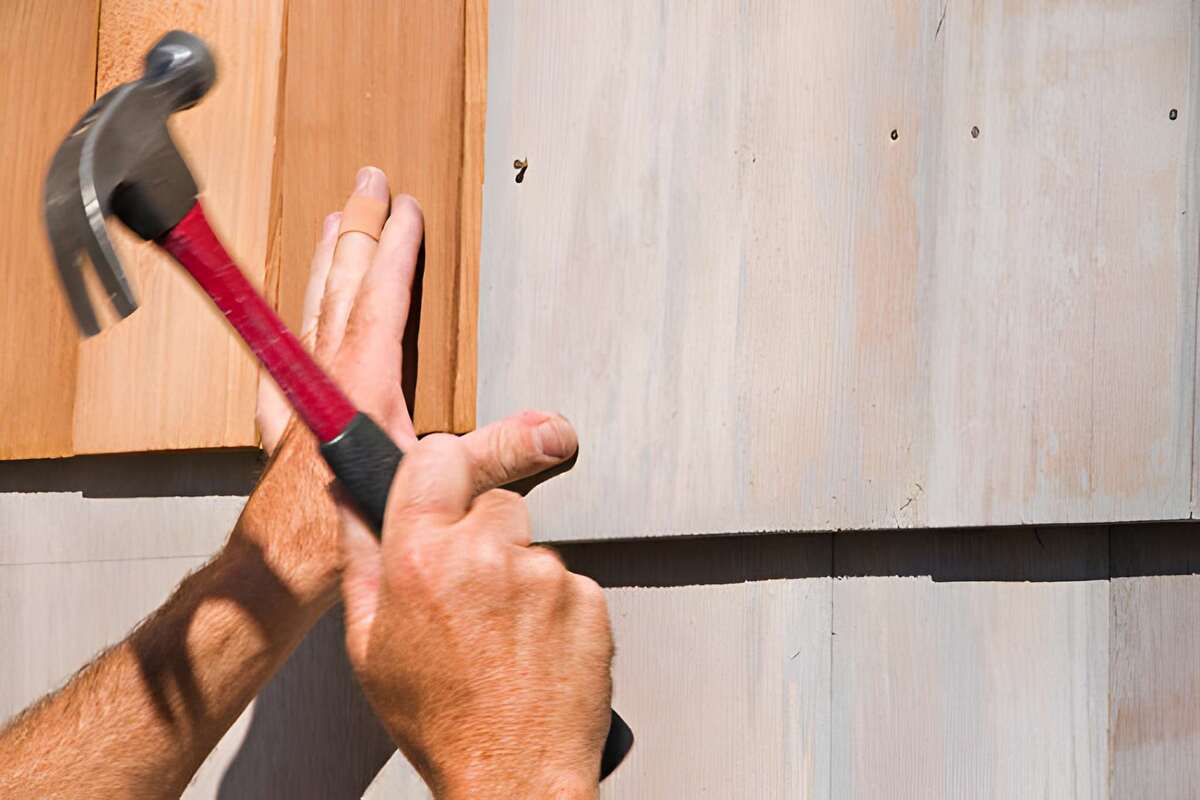
One often-missed cost factor is future maintenance. Cedar’s beauty is part of the appeal, but that beauty depends on regular attention. Published guidance for cedar roofs commonly recommends maintenance every 2–4 years, along with debris removal, branch trimming, gutter cleaning, and occasional treatments to reduce fungal or algae issues. If you want a roof you can mostly ignore, cedar may not be the best fit even if you love the look.
How Long Does a Cedar Shake Roof Last?
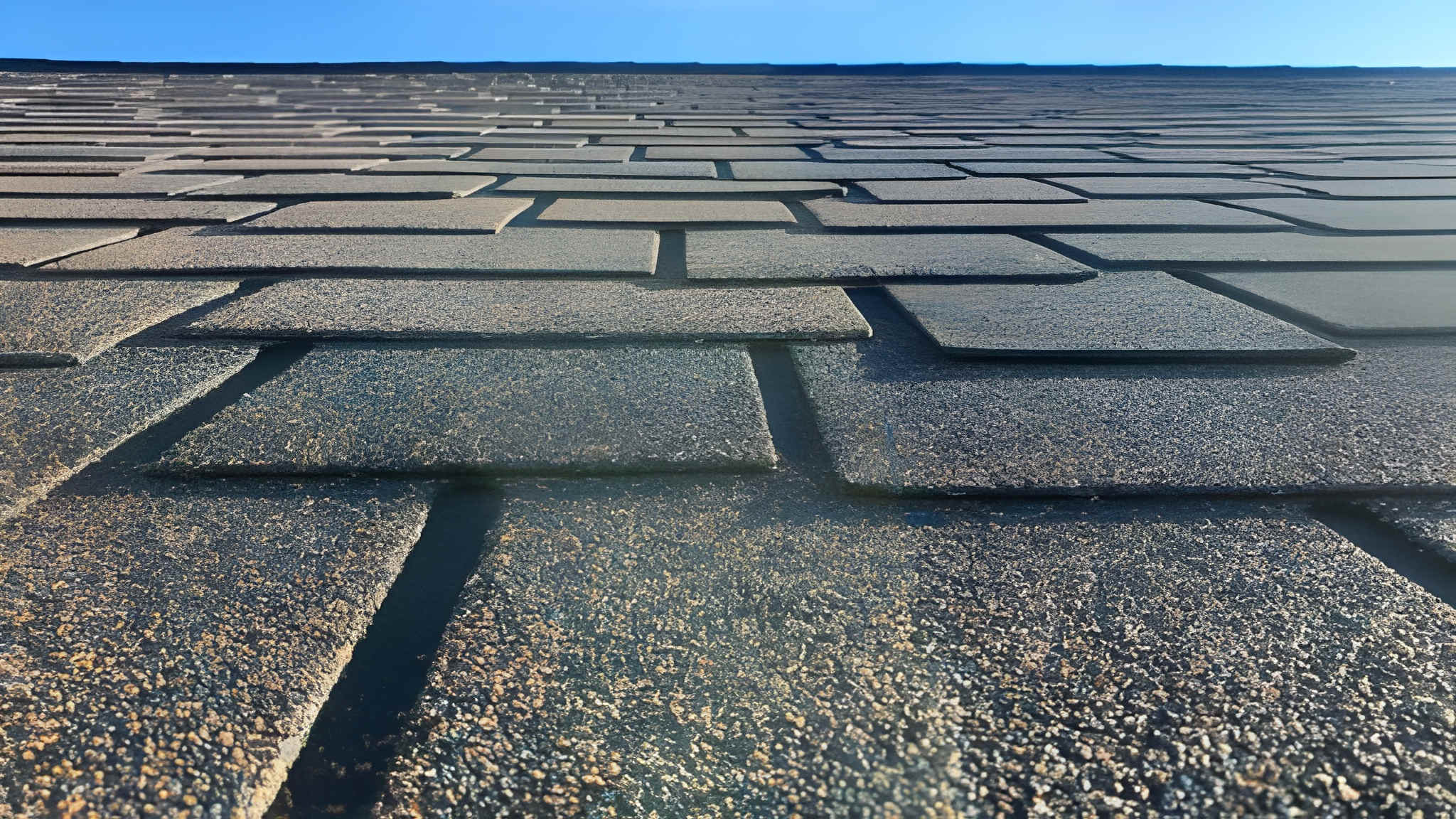
Most current 2026 guides place cedar shake roof lifespan in the 30–50 year range when the roof is properly installed and maintained. Some sources frame 30+ years as a realistic expectation under regular upkeep, with thickness, cedar grade, moisture exposure, and maintenance discipline all affecting the outcome.
That lifespan sounds excellent, but it is not automatic. Cedar is naturally resistant to insects and rot because of its tannins, yet standing moisture remains its biggest enemy. Guides consistently warn that leaves, branches, moss, clogged gutters, and poor airflow can accelerate rot, fungal growth, and brittleness, shortening the roof’s usable life. In other words, cedar can last a long time, but only if the homeowner actively supports that lifespan with maintenance.
Cedar Shake Roof vs Asphalt and Synthetic Alternatives
Cedar shake roof cost only makes sense when you compare it with the alternatives homeowners usually consider at the same stage of the buying process. Synthetic cedar-look products are increasingly positioned as a lower-maintenance substitute, while asphalt remains the default budget option. Synthetic alternatives are often cited around $8–$15 per square foot and are marketed as avoiding much of the maintenance and fire risk associated with natural cedar.
| Roof Type | Installed Cost | Main Advantage | Main Tradeoff |
|---|---|---|---|
| Natural cedar shake | $6–$12/sq ft | Natural beauty and character | Maintenance, fire and insurance concerns |
| Synthetic cedar alternative | $8–$15/sq ft | Lower maintenance, no wood rot | Less authentic material feel |
| Asphalt shingles | Lower than cedar in most markets | Lowest upfront cost | Shorter lifespan, less distinctive appearance |
For homeowners who care most about curb appeal and authenticity, natural cedar still stands apart. For homeowners who want the look without the maintenance burden, synthetic cedar-style products often deserve a serious comparison because they are designed to avoid moisture absorption, rot, and some fire-rating limitations.
When Repair Makes Sense vs Full Replacement
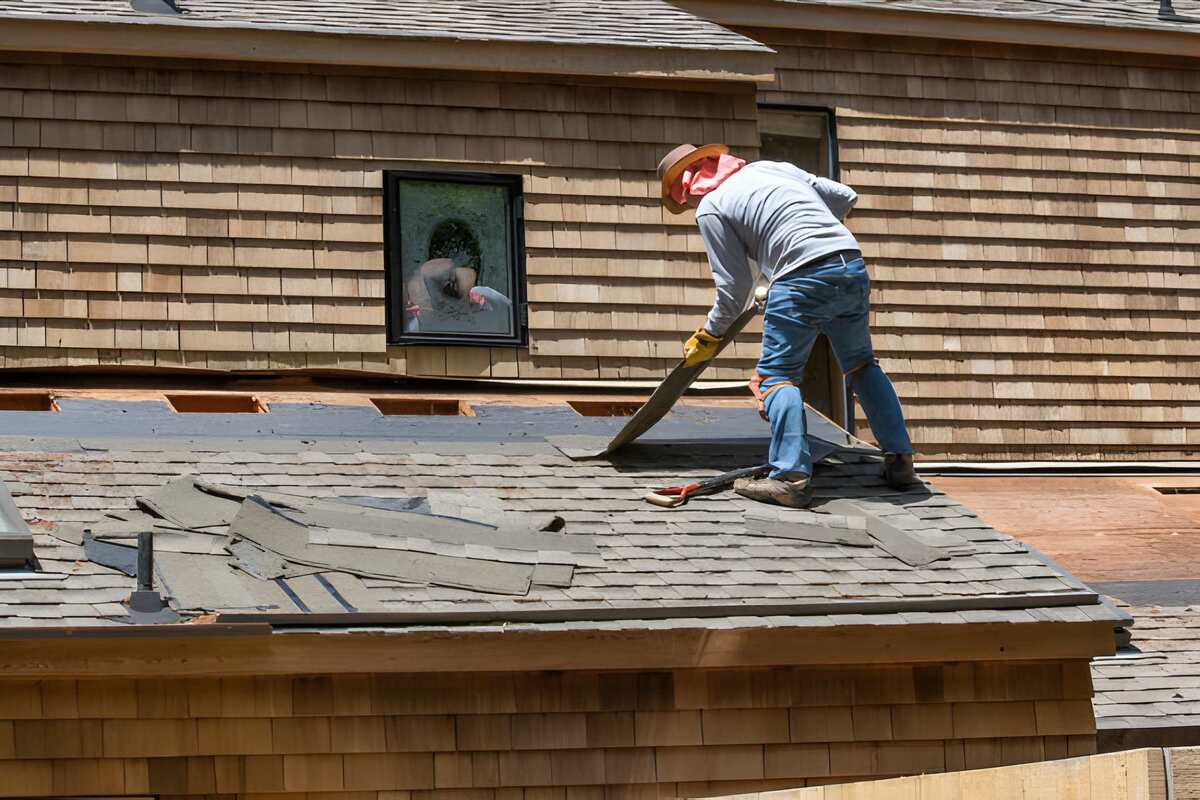
Not every aging cedar roof needs full replacement immediately. Some guidance notes that small cedar shake repairs can run about $100–$400, while larger repairs can exceed $1,000 depending on material availability and job complexity. If the issue is isolated and the rest of the roof is healthy, repair may be the rational choice.
The problem is that cedar repairs often create visual mismatch. Replacement sections can differ noticeably in color and surface texture from older weathered shakes, which can undercut the aesthetic reason many homeowners chose cedar in the first place. If cracking, warping, missing shakes, or leaks are appearing in multiple areas, replacement is often the cleaner long-term solution
How to Choose the Right Cedar Roof Option
If you are comparing bids right now, these are the five questions that matter most before committing to a cedar shake roof replacement:
Do you want authenticity or lower maintenance?
- Natural cedar looks unmatched, but synthetic products reduce upkeep and fire concerns.
What cedar profile fits your budget?
- Cedar shingles are usually cheaper than machine-split or hand-split shakes.
Is your home in a fire-sensitive region?
- Fire-retardant products may be necessary and will raise the price.
Will you maintain the roof every few years?
- Cedar performs best when debris, gutters, moss, and moisture are managed consistently.
Does your contractor understand cedar ventilation and spacing?
- Installation details directly affect longevity and replacement value.
The best cedar quote is not always the cheapest one. A good proposal should clearly spell out tear-off, decking replacement assumptions, flashing work, ventilation details, treatment level, and warranty coverage so you can compare true value instead of headline price alone.
Need a Cedar Shake Roof Estimate?
Get a free no-obligation estimate from a certified roofer. We’ll inspect your current roof, explain your cedar shake replacement options, and give you an honest quote based on your home’s size, slope, and condition.
Free inspection · No obligation · Licensed & insured
FAQ: Cedar Shake Roof Cost
How much does a cedar shake roof cost in 2026?
Most current 2026 pricing guides place cedar shake roof cost around $6–$12 per square foot installed. For a 2,000 square foot home, that often translates to about $12,000–$24,000 before major structural repairs or premium upgrades.
Is a cedar shake roof more expensive than asphalt?
Yes. Cedar shake roofs usually cost more upfront than standard asphalt shingles because the material is more premium and the installation is more specialized. Cedar also tends to involve more long-term maintenance than asphalt, which should be considered as part of the total ownership cost.
How long does a cedar shake roof last?
A properly installed and maintained cedar shake roof commonly lasts about 30–50 years. Moisture control, ventilation, debris removal, and regular treatment all play a major role in whether the roof reaches the high end of that range.
Are cedar shake roofs high maintenance?
Compared with asphalt or synthetic alternatives, yes. Published cedar maintenance guidance recommends ongoing debris removal, trimming overhanging branches, keeping gutters clear, and maintenance treatments every 2–4 years to protect the roof from moisture-related deterioration.
Is synthetic cedar cheaper than natural cedar?
Not always. Some current guides place synthetic cedar-look alternatives around $8–$15 per square foot, which can overlap with or exceed natural cedar pricing depending on the product. The real advantage is usually lower maintenance and reduced fire or moisture concerns rather than guaranteed lower upfront cost.
When should I replace instead of repair a cedar shake roof?
If the roof has widespread cracking, warping, missing shakes, repeated leaks, or visible aging across multiple sections, replacement is often more practical than patching. Repairs can work for isolated damage, but they may create visible color mismatch and can still become expensive on older cedar roofs.
How to Save Money on This Project
Most homeowners can shave 10-25% off the quoted price by following a few simple practices:
- Get at least 3 written quotes from licensed local contractors. Pricing varies dramatically , the lowest and highest quotes on the same job often differ by 40%.
- Schedule in the off-season. Late winter (February-March) and late fall (October-November) prices are 10-20% lower than peak summer.
- Bundle with other roof work. If you need other repairs (gutters, flashing, ventilation), bundle them , contractors discount bundled jobs because the setup labor is fixed.
- Check for insurance coverage. Storm-related damage is usually covered. Filing a claim within the policy window is critical.
- Verify the contractor’s license and insurance before signing. Use our contractor directory to find verified local pros.
DIY vs Professional Installation
Some homeowners attempt this project DIY to save on labor. Here is when that makes sense , and when it does not.
DIY makes sense if: the scope is small (a single repair or patch), you have construction experience, you own or can rent the safety equipment (harness, ladder, scaffold), and the warranty does not require professional installation.
Hire a professional if: the scope involves more than 30% of the roof, the roof pitch exceeds 6:12, the manufacturer requires professional installation for warranty validity, your homeowners insurance will not cover DIY work, or you are not comfortable working at height. Most professional roofers refuse to warranty work they did not install themselves, so DIY also forfeits future workmanship warranties.
Get a Real Estimate for Your Project
Want a 2-minute estimate tailored to your specific situation? Use our free roofing cost calculator , it uses your roof size, material choice, and ZIP code to give you a price range based on real 2026 contractor data. For comparison shopping, the contractor directory lists verified roofers near you with reviews and contact info.
Related Articles
Additional Resources:
You may also want to check out this guide on selecting the best roofing materials for further insights.
Learn about how to maintain your roof with this resource on roofing materials longevity.
Explore options for environmentally friendly roofing materials to make an informed decision.
Deeper dive: Cost to Change Roof Pitch: Pricing & What to Expect.
