Metal Roofing Trends 2026: Best Colors, Costs, and Why More Homeowners Are Switching
Table of Contents
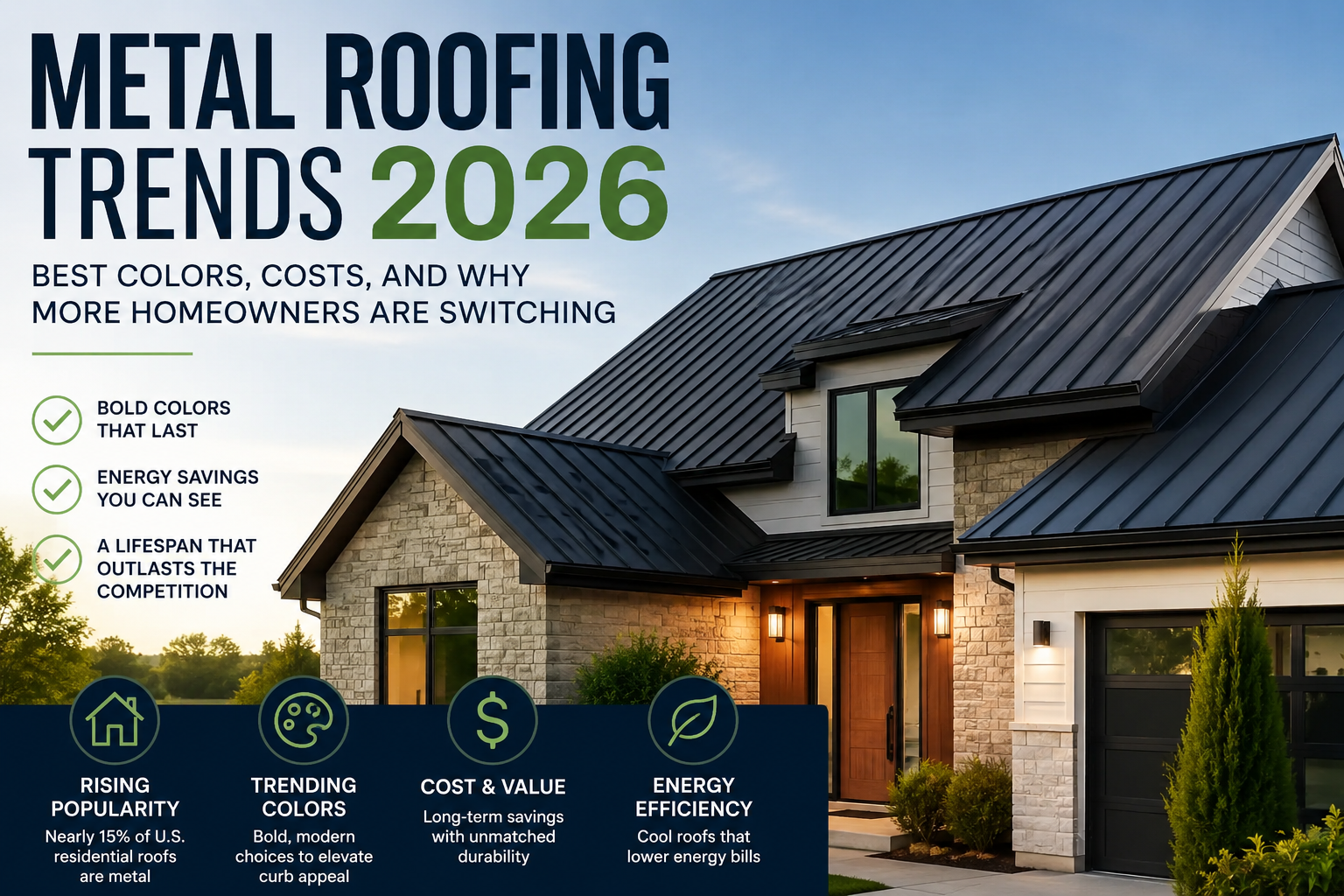
The metal roofing trends 2026 landscape tells a clear story: metal has crossed from niche upgrade to mainstream residential choice. According to the Metal Roofing Alliance, metal now accounts for nearly 15 percent of all residential roofing installations in the United States , up from under 5 percent a decade ago. Homeowners who once defaulted to asphalt shingles are switching, and the reasons go well beyond durability. In 2026, metal roofing means bold color options, energy savings you can measure on your utility bill, and a lifespan that outlasts the mortgage on most homes.
The timing matters too. Several forces have converged in 2026 to make metal roofing more accessible than it has ever been. Supply chain disruptions that inflated panel prices through 2022 and 2023 have largely resolved, bringing installed costs back to competitive levels. The federal energy-efficiency tax credit under 26 USC 25C now offers homeowners up to 30 percent back on qualifying cool-roof metal systems , a direct reduction on your tax bill, not just a deduction. And insurance companies in storm-prone states like Texas, Florida, and Colorado are increasingly offering premium discounts for metal roofs rated for hail and high-wind resistance, sometimes saving $400 to $800 per year.
The product itself has changed dramatically. Metal roofing used to mean one thing: silver corrugated panels on a barn. The metal roofing trends 2026 market looks nothing like that. Standing seam panels in matte charcoal or aged bronze. Stone-coated steel that is genuinely difficult to distinguish from clay tile at street level. Snap-lock profiles that a skilled DIYer can install without specialized tools. PVDF coating systems that hold their color for 30 years without fading. The aesthetics and performance gap between metal and premium asphalt has closed , and in most categories, metal has pulled ahead.
This guide covers every dimension of metal roofing trends 2026 that matters to a homeowner making a purchasing decision: the color palettes leading installations this year, how standing seam and corrugated profiles compare for different budgets and home styles, the energy efficiency technologies driving adoption, real installed cost data by panel type, and the specific questions you should ask any contractor before signing. By the end, you will have a clear answer to the question every homeowner asks: is 2026 the right time to make the switch?
Why Metal Roofing Is Surging in Popularity
Metal options now account for roughly 15% of the residential roofing market, up from less than 3% two decades ago, according to the Metal Roofing Alliance. Homeowners are increasingly drawn to metal’s combination of longevity, low maintenance, and performance in extreme weather. A well-installed metal roof can last 40 to 70 years , compared to 15–20 years for traditional asphalt shingles. Insurance costs are also a growing factor. Many insurers now offer premium discounts for impact- and fire-resistant metal roofing systems, making the long-term financial case even stronger. For homeowners in storm-prone regions, this alone can offset a significant portion of the upfront cost.
Top Metal Roofing Trends 2026: What’s New This Year
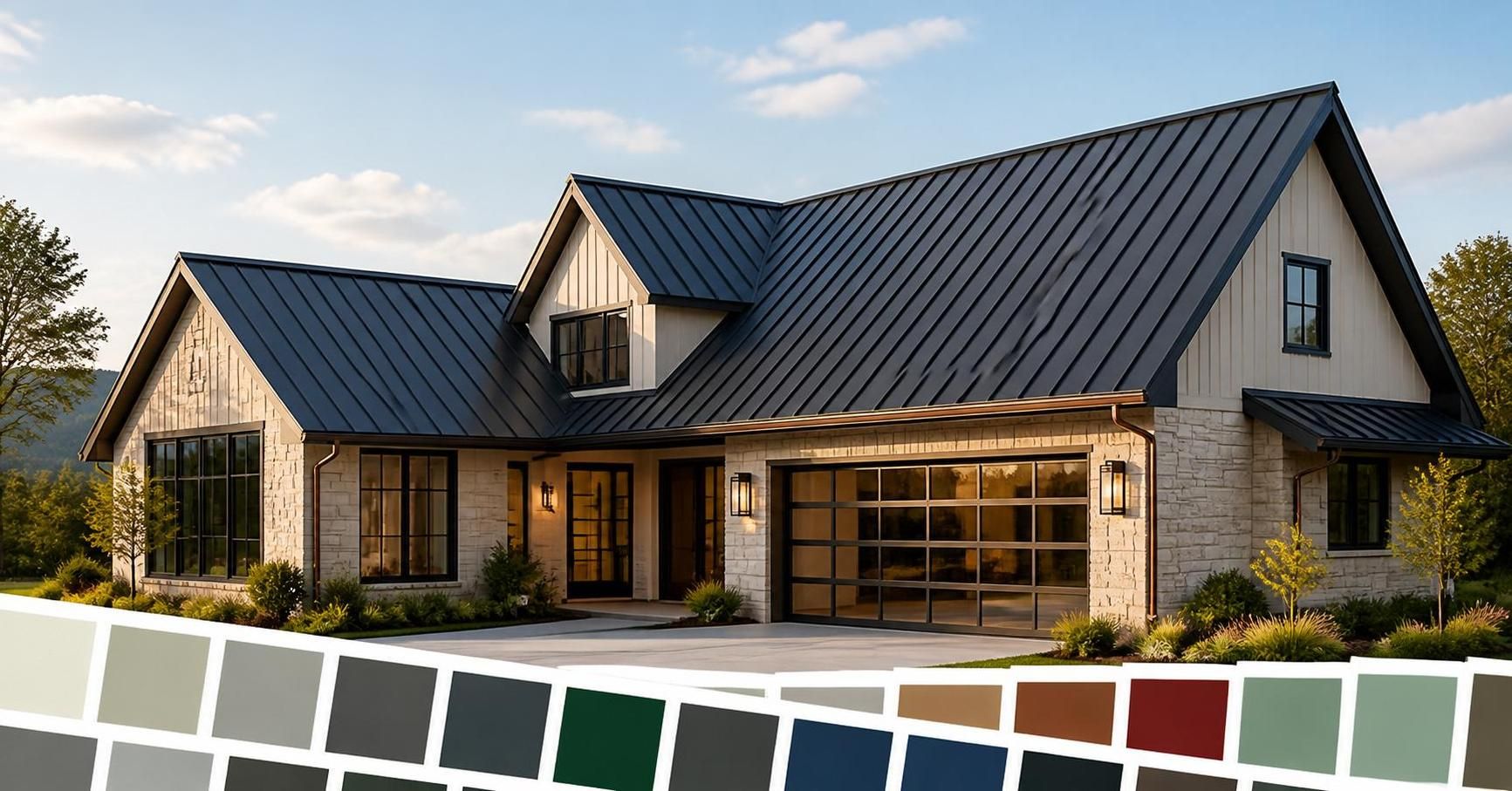
In 2026, metal roofing trends are defined by sustainability, smart technology, and design innovation. The metal roofing trends 2026 most worth watching include:
- Sustainability and recycled content: Manufacturers are pushing high recycled-content panels and cool roof coatings that reflect heat and reduce cooling energy costs year-round.
- Solar-ready standing seam systems: Solar panels now clip directly onto seam profiles with no roof penetration required, making renewable energy adoption cleaner and cheaper.
- Bold colors and textures: Matte black, charcoal grey, forest green, terracotta red, and copper finishes are trending. Wood-grain and slate-look textures are popular for residential curb appeal.
- Smart roofing sensors: Embedded sensors detect water infiltration, monitor snow loads, and send maintenance alerts directly to homeowners.
- Prefabricated modular panels: Pre-engineered systems reduce installation time and labor costs while supporting custom architectural designs.
- Advanced PVDF and ZAM coatings: Kynar and Zinc-Aluminum-Magnesium alloy coatings extend roof lifespan to 50 years or more with minimal upkeep.
Storm Resistance: Metal Roofing Trends 2026 Built for Extreme Weather
Climate change is driving more severe weather events, and roofing must adapt. Metal roofing leads the field in extreme weather performance. Upgraded fastening systems improve wind uplift resistance against hurricane-force winds, while high-quality steel panels offer strong protection against hail and falling debris. In wildfire-prone areas, metal roofing provides superior fire resistance , a key reason adoption is accelerating across the western United States. Improved fastening systems introduced in 2026 also better accommodate thermal expansion and contraction, a common source of long-term issues with older installations. This makes today’s systems quieter and more durable over decades of use. According to the National Roofing Contractors Association, properly installed metal roofs regularly outperform all other residential roofing types in extreme weather testing.
How Much Does a Metal Roof Cost in 2026?
Cost remains the primary hesitation for homeowners. Here’s a realistic breakdown for 2026:
- Metal shingles: $310–$500 per square (100 sq ft) , roughly $6,200–$10,000 in materials for a 2,000 sq ft roof
- Full installation average: $14,400–$38,400 depending on material, roof complexity, and region
- Mid-range typical project: Around $26,500 for a standard home
- Asphalt shingles comparison: $1,000–$6,000 in materials , but replacements every 15–20 years add up significantly
Over a 50-year horizon, metal roofing almost always wins on total cost of ownership. Factor in lower energy bills from reflective coatings, reduced maintenance, potential insurance discounts, and higher resale value , and the economics shift clearly in metal’s favor.
What to Expect During Installation
Modern metal roof installation has become significantly faster thanks to on-site roll forming, which produces panels of exact length on-site , eliminating waste and reducing seams. Most residential projects are completed in 2 to 4 days. Because metal roofing is lighter than asphalt shingles, it often places less structural stress on older homes. Before installation day, your contractor will assess ventilation needs, existing decking condition, and insulation requirements. Ask specifically about cool roof certification options available in your area, as these can qualify you for energy rebates in many states.
Is 2026 the Right Time to Make the Switch?
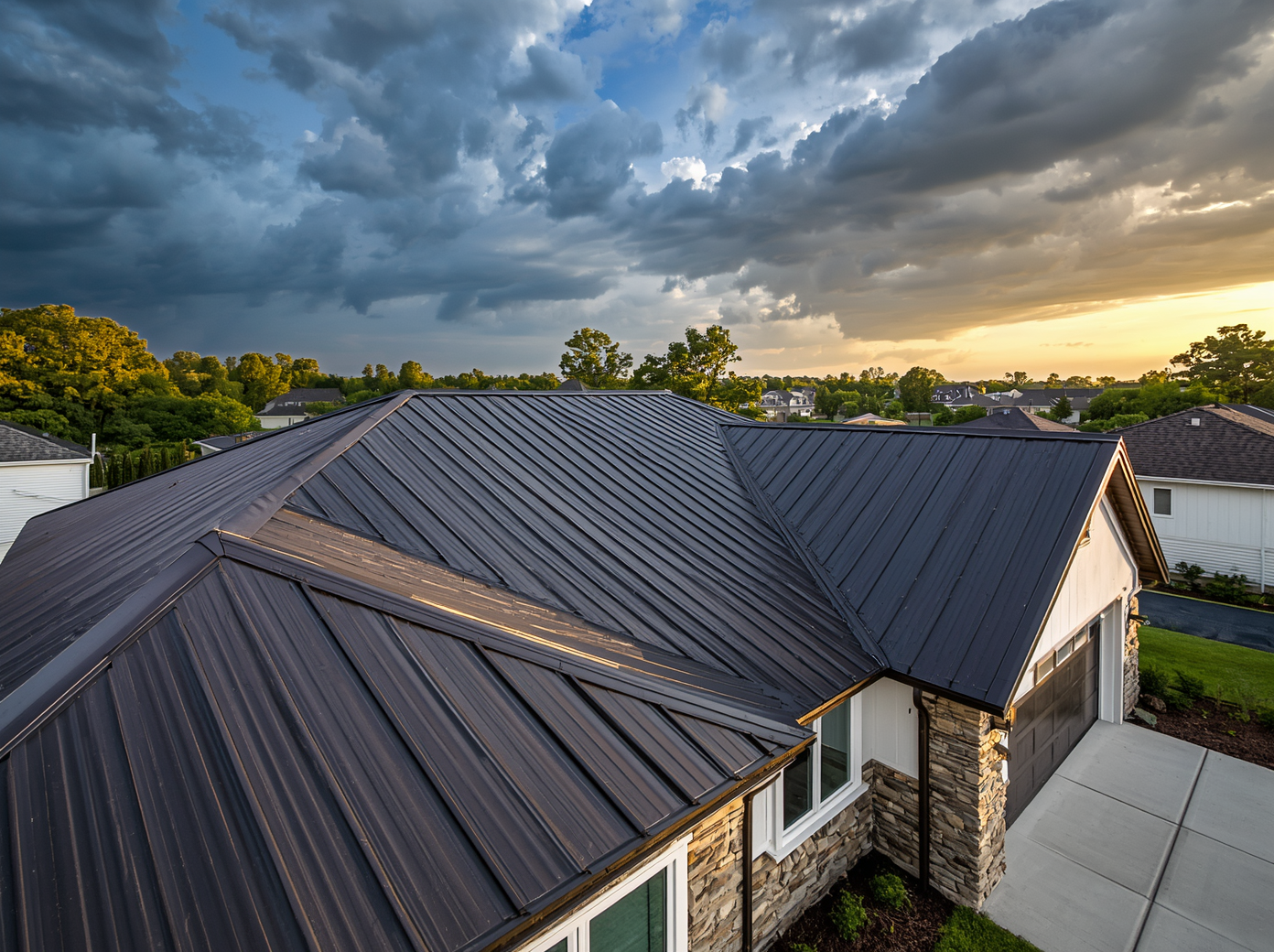
With energy costs rising, extreme weather events intensifying, and metal roofing designs more attractive than ever, the metal roofing trends of 2026 make a compelling case for switching. The technology has matured, costs have become more competitive, and the long-term benefits are well-documented. Whether replacing an aging asphalt roof or building new, metal roofing is now a smart lifetime investment , not just another renovation expense. Ready to explore your options? Get a free estimate from a certified metal roofing contractor in your area and see what the right system would cost for your home.
Top Metal Roof Colors Trending in 2026
When tracking metal roofing trends 2026, color innovation tops the list of what is changing fastest. Color choice has become one of the biggest selling points in metal roofing. Homeowners are moving away from the traditional bare galvalume and corrugated grey toward finishes that complement modern and transitional architectural styles. Here are the colors that installers and suppliers report as their top sellers in 2026:
| Color Family | Popular Shades | Best Architectural Style | Energy Benefit |
|---|---|---|---|
| Charcoal / Slate | Charcoal Gray, Slate Blue, Matte Black | Modern, Contemporary | Moderate (darker absorbs heat) |
| Earth Tones | Aged Copper, Bronze, Weathered Wood | Traditional, Craftsman | Moderate |
| Cool Whites & Creams | Polar White, Ivory, Light Stone | Coastal, Mediterranean | High (reflects up to 70% solar heat) |
| Forest Greens | Evergreen, Hunter, Patina Green | Rural, Mountain, Farmhouse | Moderate |
| Terracotta & Reds | Rustic Red, Brick, Burnt Sienna | Spanish, Southwestern | Low |
Matte finishes are pulling ahead of glossy in 2026. They show fewer scratches over time, reduce glare for neighbors, and give roofs a more natural, textured look that blends with landscaping. Most major manufacturers , metal roofing panels from MBCI, McElroy, and ABC Supply , now offer matte-finish PVDF coatings as a standard option.
Standing Seam vs. Corrugated: Which Is Trending More?
Both profiles are growing, but for different markets. Standing seam continues to dominate high-end residential and commercial applications. Corrugated and exposed-fastener panels are surging in the agricultural and budget residential segments.
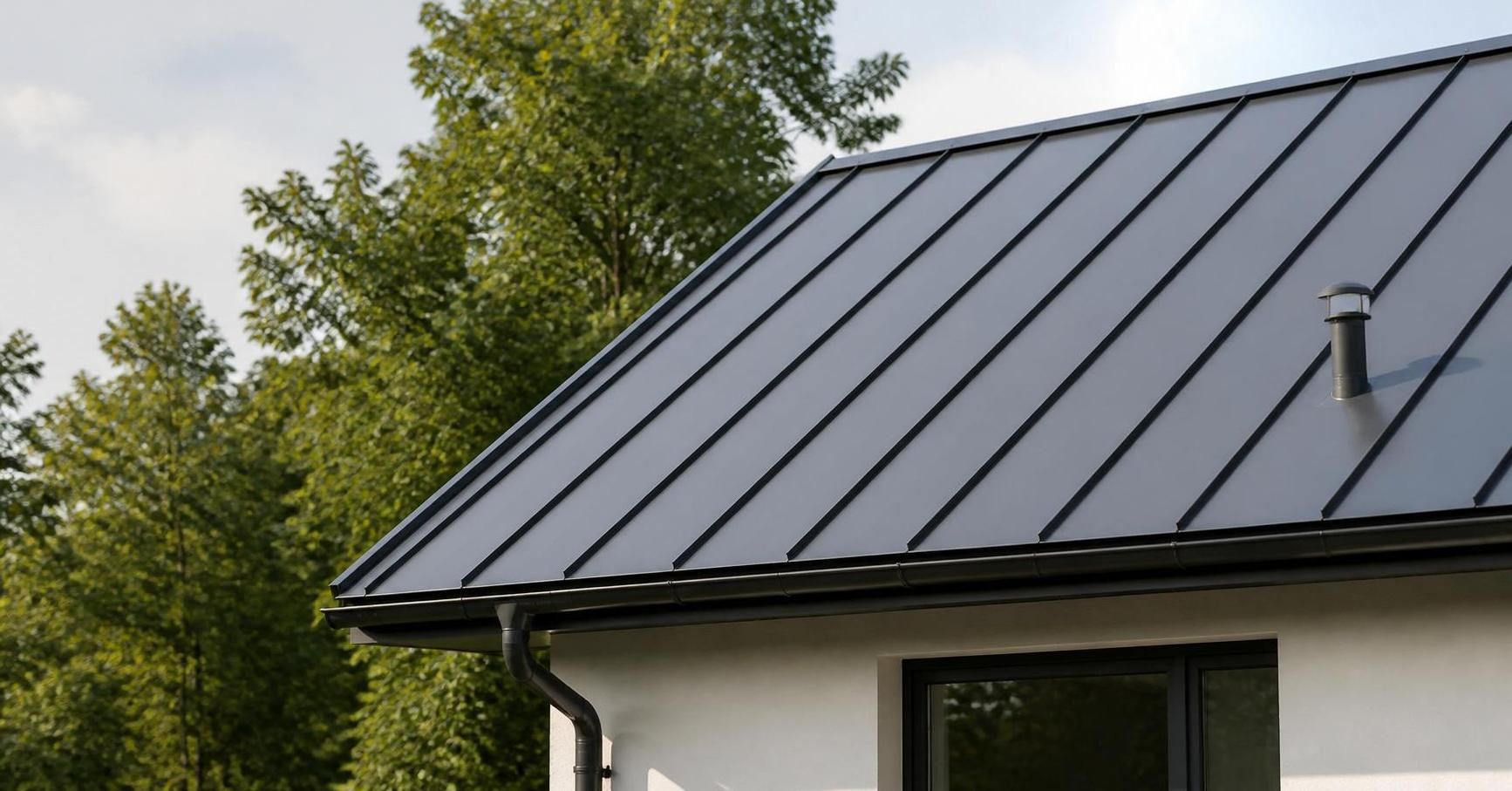
Standing Seam
Standing seam panels interlock at raised seams, hiding all fasteners. This gives a clean, modern profile with no exposed screws to fail over time. In 2026, snap-lock standing seam has become increasingly popular for DIY-friendly residential installs , it requires fewer specialized tools than mechanically seamed systems. Expect to pay $12 to $20 per square foot installed for quality standing seam on a residential home , making it the premium choice among metal roofing trends 2026 profiles.
Corrugated and Exposed-Fastener Panels
These panels cost significantly less , $5 to $10 per square foot installed , and are perfectly adequate for garages, barns, sheds, and budget residential reroofs. The trend in 2026 is using corrugated panels with a premium color coating to achieve a farmhouse or industrial aesthetic at a fraction of the standing seam cost.
Energy Efficiency: The Biggest Driver of Metal Roof Adoption
No single factor defines metal roofing trends 2026 more than energy efficiency. In states with high cooling costs , Florida, Texas, Arizona, California , energy savings have become the primary reason homeowners switch to metal. A properly installed metal roof with a cool-roof certified coating can reduce cooling costs by 10 to 25 percent compared to dark asphalt shingles.
Two specific technologies are driving this trend in 2026:
PVDF Coating Systems
Polyvinylidene fluoride (PVDF) coatings , sold under brand names like Kynar 500 and Hylar 5000 , offer superior UV resistance and color retention compared to older polyester finishes. A PVDF-coated metal roof retains 95 percent of its original color after 30 years. It is now the standard for any quality installation, not just premium ones.
Reflective Granule-Coated Metal
Some manufacturers now offer stone-coated steel panels with reflective granule technology , giving the look of traditional shingles or tile with the performance of metal. These panels carry Energy Star certification and qualify for the federal energy-efficiency tax credit (26 USC 25C), which in 2026 offers up to 30 percent back on qualifying roofing materials.
What to Ask Your Metal Roofing Contractor in 2026
Before hiring anyone for your metal roofing trends 2026 project, vet them carefully. The metal roofing market has attracted more installers in recent years, and quality varies significantly. Before hiring anyone, ask these questions:
- Do you fabricate panels on-site or use pre-cut lengths? On-site roll-forming minimizes seams and waste on complex roofs.
- What coating system does the panel use? Insist on PVDF (Kynar/Hylar) for any color-coated panel , polyester fades in 10-15 years.
- What is your fastening method? Hidden fastener systems outlast exposed-fastener systems significantly in wet climates.
- How do you handle thermal expansion? Metal expands and contracts. Panels need floating clips or slotted holes, not rigid fasteners, to prevent buckling.
- What underlayment do you use under metal? Standard felt is inadequate. Synthetic underlayment or a self-adhering membrane is the right call.
- Is the warranty backed by the manufacturer or just by you? Manufacturer-backed paint and substrate warranties are more reliable than contractor-only promises.
Ready to Upgrade to a Metal Roof in 2026?
Get a free instant estimate for your home , compare standing seam, corrugated, and stone-coated steel with real 2026 pricing before talking to a single contractor.
Use the Free Metal Roof Cost Calculator →No sign-up required • Instant results • 2026 material pricing
FAQ: Metal Roofing Trends 2026
Is metal roofing worth the extra cost in 2026?
For most homeowners planning to stay in their home for 10 or more years, yes. The higher upfront cost is offset by a 40 to 70-year lifespan (versus 20 to 25 years for asphalt shingles), lower maintenance, potential energy savings, and better resale value. Metal roofing can increase home resale value by 1 to 6 percent depending on region and style.
What is the most popular metal roofing color in 2026?
Charcoal gray and matte black continue to dominate in modern and contemporary homes, while aged bronze and weathered copper finishes lead in traditional residential styles. Coastal markets are seeing strong demand for white and light stone colors due to their heat-reflective properties and HOA approval rates.
Can you install metal roofing over existing shingles?
Yes, in many cases. Most building codes allow one layer of metal roofing over existing shingles, provided the roof deck is structurally sound. This saves demolition and disposal costs. Read our full guide on compare metal roofing types for the complete process and when it is and is not advisable.
How long does a metal roof installation take?
A standard residential metal roof replacement typically takes 2 to 5 days for a crew of 3 to 4 experienced installers. Complex roofs with multiple valleys, dormers, or skylights can take 7 to 10 days. Weather delays are common since metal panels should not be installed in wet conditions.
See also: How to Start a Roofing Company: Step-by-Step Guide 2026.

Leave A Comment